
Engineering Crunch: The Manufacturing of Specially-Shaped Breadcrumbs
Breadcrumbs are a ubiquitous culinary workhorse, prized for their ability to create a crispy, golden crust. While most envision them as uniform granules or the classic shards of Panko, bread crumbs machine the world of industrial breadcrumbs is far more diverse. From tiny stars and spheres for children’s foods to long, thin strands for upscale presentations, the production of specially-shaped breadcrumbs is a fascinating feat of food engineering. The process moves far beyond simply grinding baked bread; it is a precise science of formulation, extrusion, and drying.
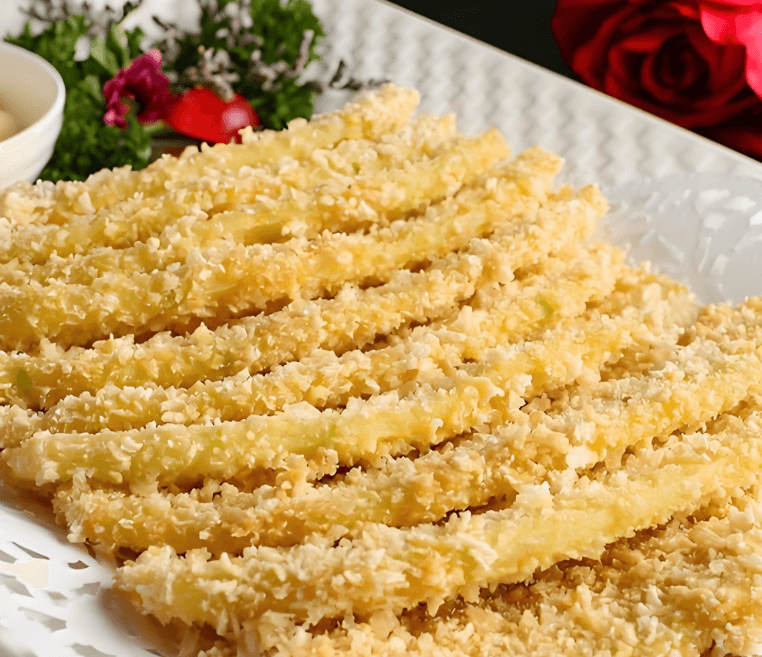
The journey to creating these diverse shapes hinges on one key principle: the shape is created before the final drying and toasting, while the base material is still pliable. bread crumbs machineThere are two primary industrial methods to achieve this, each with its own advantages.
Method 1: The Dough-Based Die-Cutting Approach
This method most closely resembles traditional bread-making but is heavily industrialized and controlled to achieve specific shapes and textures.
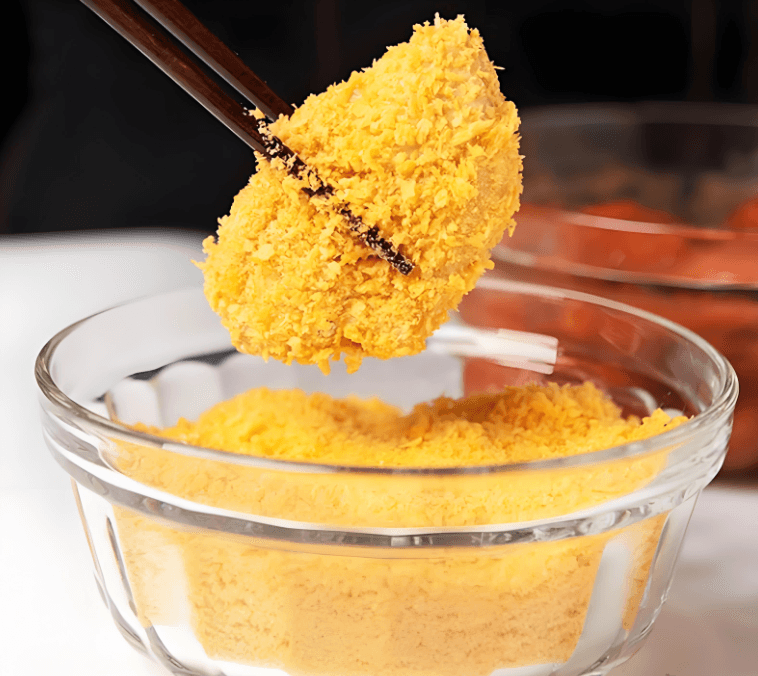
Step 1: Creating a Uniform Dough
The process begins with the creation of a very specific dough. Unlike artisanal bread, the goal here is consistency and functionality, not flavor. The recipe typically includes:
- Low-Protein Flour: Flour with a lower gluten content is often preferred. Excessive gluten can make the dough too tough and elastic, interfering with clean cutting and the desired final crispness.
- Water: Precisely measured for hydration.
- Yeast/Sugar: In small amounts, to create a minimal rise and a slightly aerated, tender crumb structure.
- Salt: For basic flavor.
- Additives: Emulsifiers (like lecithin) may be added to strengthen the dough and improve machinability, while preservatives ensure shelf-life.
The ingredients are mixed into a smooth, consistent dough.
Step 2: Sheeting and Primary Baking
The dough is then passed through a series of heavy rollers to flatten it into a thin, perfectly uniform sheet. This sheet is then conveyed through a long, multi-zone oven. The baking is purposefully incomplete; the goal is to “set” the dough’s structure—cooking the starch and protein—without fully developing a deep brown crust or drying it out completely. The result is a firm, yet pliable, sheet of partially baked bread.
Step 3: Die-Cutting into Shapes
This is the crucial shaping step. The wide, continuous sheet of this “par-baked” bread enters a die-cutting machine. This machine operates much like a cookie cutter, stamping out the desired shapes—stars, circles, fish, letters, etc.—at high speed. The scrap dough (the “webbing” left around the shapes) is automatically separated and recycled back into the initial mixing stage, minimizing waste.
Step 4: Drying and Toasting
The newly cut shapes are now very moist and must be dried to achieve their signature crunch. They are conveyed through a multi-stage dryer or a long, low-temperature oven. This process gently removes the remaining moisture, making the breadcrumbs shelf-stable. Finally, they may pass through a higher-temperature toasting oven to develop a uniform golden-brown color and a richer, nuttier flavor via the Maillard reaction.
Step 5: Sizing and Packaging
After cooling, the shaped breadcrumbs are screened to remove any broken pieces or fines. They are then packaged in moisture-proof bags or containers to preserve their crispness.
Limitations of this Method:
While excellent for flat, two-dimensional shapes, this method is less suited for creating complex three-dimensional shapes like spheres or cubes, as the starting material is a flat sheet.
Method 2: The Extrusion Puffing Approach
This is the more versatile and technologically advanced method, capable of producing an incredible array of three-dimensional shapes. It is the same fundamental process used to make many breakfast cereals and snack foods.
Step 1: Creating a Slurry
Instead of a firm dough, the process starts with a wet slurry or batter. This mixture contains the same core ingredients—flour, water, salt, and other minor ingredients—but with a higher hydration level, creating a thick, pumpable paste.
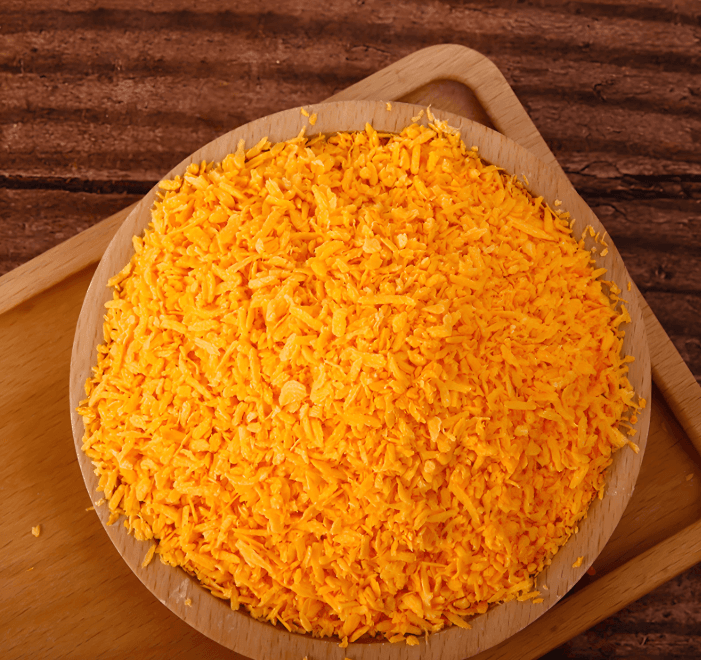
Step 2: Cooking and Extrusion
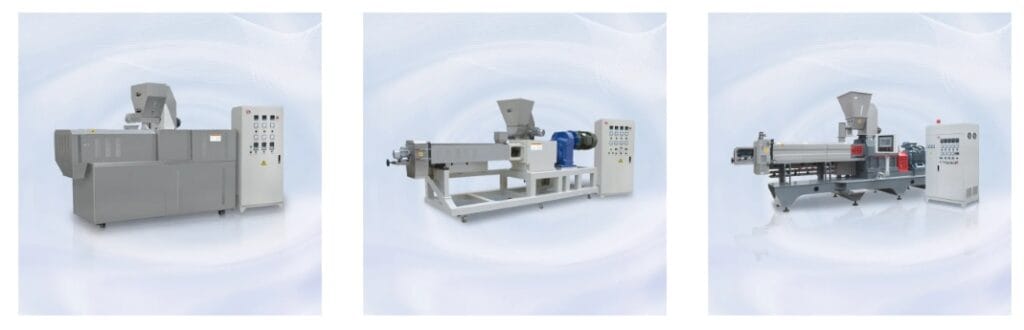
The slurry is fed into a massive machine called a twin-screw extruder. Inside this machine, the slurry is subjected to immense pressure, high temperature, and mechanical shear. The screws convey the mixture forward, cooking it thoroughly in a matter of seconds. bread crumbs machine The starch gelatinizes, and the mixture becomes a hot, viscous, plasticized mass.
Step 3: The Magic of the Die
The hot, cooked dough is then forced, under high pressure, through a custom-designed “die” plate located at the end of the extruder barrel. This die is the artist’s tool; its design dictates the final shape of the breadcrumb.
- A simple round hole will produce a small, rod-like shape.
- A star-shaped hole will produce a star.
- An intricate die can be designed to create letters, shells, or even small rings.
Step 4: Instant Puffing and Cutting
As the cooked dough exits the die, it is instantly exposed to normal atmospheric pressure. This sudden pressure drop causes the superheated water within the dough to flash into steam, violently expanding the product. This “puffing” action creates a very light, airy, and crisp texture. A rotating knife blade positioned right at the face of the die cuts the emerging, puffed product into precise lengths, creating the final individual piece.
Step 5: Drying, Toasting, and Packaging
The extruded pieces, now in their final shape but still containing some moisture,bread crumbs machine are conveyed through a dryer to achieve the perfect low-moisture content for crispness and preservation. A subsequent toasting stage adds color and flavor before the shaped crumbs are cooled and packaged.
Comparing the Two Methods
| Feature | Die-Cutting Method | Extrusion Puffing Method |
|---|---|---|
| Shape Capability | Best for flat, 2D shapes (stars, circles). | Excellent for complex 2D and 3D shapes (balls, tubes, intricate designs). |
| Texture | Denser, more like traditional bread, but very crisp. | Very light, airy, and uniformly porous. Can be melt-in-the-mouth. |
| Process Efficiency | High speed, but involves a separate baking step. | Extremely efficient; cooking, shaping, and puffing happen in one continuous step. |
| Primary Use | Decorative toppings, specialized coatings for specific consumer products. | Versatile; used for everything from standard breadcrumbs to specialized shapes for soups, stuffings, and snacks. |

The production of shaped breadcrumbs is a brilliant intersection of culinary tradition and food science innovation. Whether through the precise stamping of par-baked sheets or the high-tech puffing of extruded dough, manufacturers have mastered the art of controlling form and function. These processes allow for unparalleled customization, bread crumbs machine enabling food companies to create unique textural experiences and visual appeal for everything from everyday frozen foods to gourmet restaurant dishes and fun, engaging products for children. The humble breadcrumb, it turns out, can be engineered into almost any form imaginable.
Leave A Comment