
Drying Process of Fortified Rice: A Comprehensive Technical Analysis
1. Introduction to Fortified Rice Drying
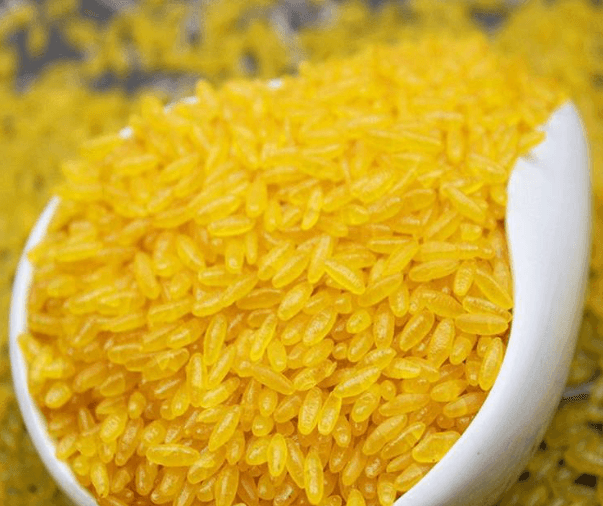
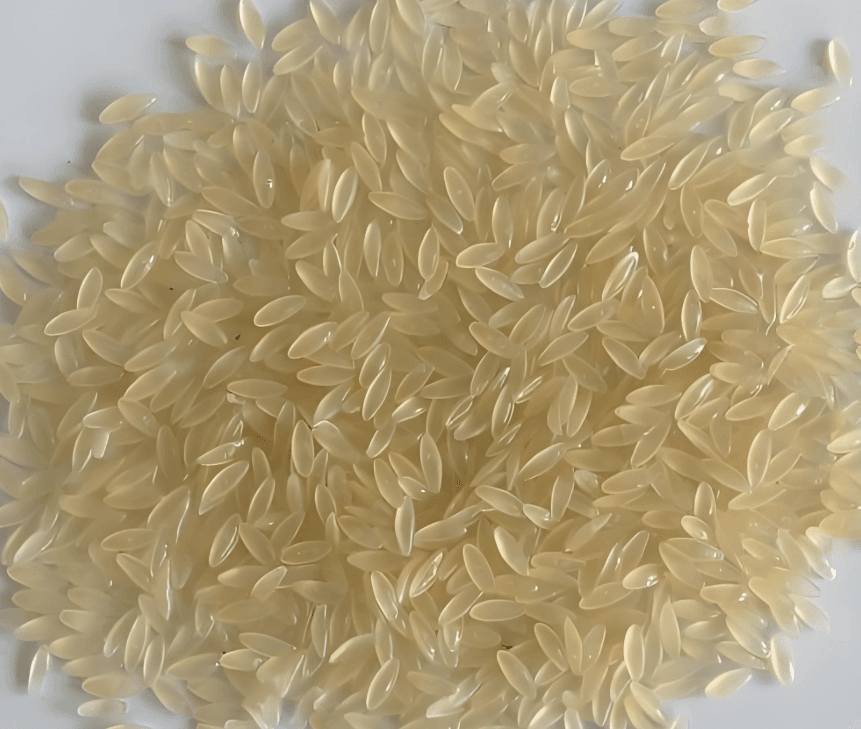
Fortified rice, created through coating conventional rice grains with a nutrient premix or via extrusion technology, presents unique drying challenges that extend beyond simple moisture removal. fortified rice machine market The drying process must preserve both the nutritional integrity of the added micronutrients (iron, zinc, vitamins A, B1, B3, B6, B12, folic acid) and the physical characteristics of the rice grains, while ensuring food safety and extended shelf life. This article details the sophisticated drying technologies and protocols specifically developed for fortified rice production.
2. Drying Objectives and Challenges in Fortified Rice Processing
2.1 Primary Objectives
- Reduce moisture content from initial 18-25% (post-coating/extrusion) to safe storage levels of 12-14%
- Stabilize the nutrient coating layer to prevent dusting or separation
- Maintain rice kernel integrity (minimize cracking or breakage)
- Ensure uniform drying across all grains
- Preserve micronutrient potency (particularly heat-sensitive vitamins)
- Achieve target cooking characteristics and texture
2.2 Specific Challenges
- Nutrient Sensitivity: Many added vitamins (particularly A, B1, B6, B12) are heat-labile and susceptible to degradation
- Coating Adhesion: The nutrient layer must bond securely to the rice surface during drying
- Moisture Gradient Management: Improper drying creates internal stresses leading to kernel fissuring
- Microbial Safety: Must achieve water activity (aw) below 0.70 to inhibit microbial growth
- Color Preservation: Prevent undesirable browning or discoloration
3. Drying Systems for Fortified Rice
3.1 Fluidized Bed Dryers (Primary Drying Stage)
3.1.1 System Configuration
- Design: Perforated bed with upward air flow
- Air Temperature: 60-75°C (controlled to prevent nutrient degradation)
- Air Velocity: 1.5-2.5 m/s, sufficient to fluidize rice grains
- Residence Time: 15-25 minutes depending on initial moisture
- Bed Depth: 100-200 mm for optimal heat transfer
3.1.2 Technical Advantages for Fortified Rice
- Excellent air-to-particle contact for uniform drying
- Gentle handling minimizes kernel damage
- Rapid moisture removal reduces heat exposure time
- Easy integration with cooling systems
- Continuous monitoring and control capabilities
3.1.3 Operational Parameters
Parameter               Range          Optimal Value
Inlet Air Temperature   60-80°C        68°C
Outlet Air Temperature  45-55°C        50°C
Air Flow Rate           2-4 m³/s       Product dependent
Drying Time             15-30 min      20 min
Moisture Reduction      25% → 16%      Varies by process
3.2 Multi-Stage Conveyor Dryers (For Extruded Fortified Rice)
3.2.1 System Architecture
- Stages: 3-5 independent drying zones with decreasing temperatures
- Conveyor Type: Perforated belt or wire mesh
- Zone 1: High temperature (80-85°C) – rapid surface drying
- Zone 2: Moderate temperature (65-70°C) – constant rate drying
- Zone 3: Low temperature (50-55°C) – falling rate drying
- Total Length: 15-30 meters
- Residence Time: 45-90 minutes
3.2.2 Temperature Profiling Strategy
The decreasing temperature profile serves critical purposes:
- Initial high temperature quickly stabilizes the surface coating
- Gradual reduction prevents case hardening and internal cracking
- Lower final temperatures protect heat-sensitive nutrients
- Controlled cooling phase prevents condensation
3.3 Low-Temperature Dehumidification Dryers (For Heat-Sensitive Nutrients)
3.3.1 Principle of Operation
- Uses desiccant wheels to remove moisture from drying air
- Allows effective drying at 35-45°C air temperature
- Particularly valuable for vitamin-fortified rice
- Energy intensive but preserves nutrient potency
3.3.2 Application Scenarios
- Products with high concentrations of vitamin A, B vitamins
- When product specifications require minimal heat exposure
- Premium fortified rice products with guaranteed nutrient levels
- Research and development of new fortification formulations
4. Drying Kinetics and Process Optimization
4.1 Moisture Diffusion in Fortified Rice
The drying process involves both liquid diffusion and vapor diffusion mechanisms:
4.1.1 Coated Rice Grains
- Moisture removal from the coating layer (fast initial phase)
- Moisture migration from rice kernel through coating (rate-limiting step)
- Drying rate controlled by coating permeability and thickness
4.1.2 Extruded Fortified Rice
- More homogeneous moisture distribution
- Porous structure facilitates faster drying
- Critical to control drying rate to prevent excessive porosity
4.2 Mathematical Modeling
Effective drying control employs mathematical models:
4.2.1 Thin-Layer Drying Models
- Page model: MR = exp(-ktⁿ)
- Henderson and Pabis model: MR = a·exp(-kt)
- Logarithmic model: MR = a·exp(-kt) + c
- Where MR = moisture ratio, k = drying constant, t = time
4.2.2 Process Optimization Parameters
- Optimal drying rate to minimize fissuring: 1.5-2.5%/hour
- Critical moisture content for stage transition: 18-20%
- Equilibrium moisture content: 12.5% at 25°C, 60% RH
5. Nutrient Preservation Strategies
5.1 Vitamin Protection Protocols
5.1.1 Temperature-Time Thresholds
Nutrient        Maximum Temperature   Maximum Exposure Time
Vitamin A       65°C                  30 minutes
Thiamine (B1)   70°C                  45 minutes
Riboflavin (B2) 75°C                  60 minutes
Niacin (B3)     80°C                  90 minutes
Folic Acid      60°C                  20 minutes
Iron            100°C                 No significant degradation
Zinc            100°C                 No significant degradation
5.1.2 Protective Measures
- Antioxidant addition to coating mixture (e.g., tocopherols, ascorbyl palmitate)
- Encapsulation of sensitive nutrients before fortification
- pH adjustment of coating solution to stabilize vitamins
- Oxygen exclusion during drying (nitrogen blanketing)
5.2 Coating Stabilization During Drying
5.2.1 Binder Systems
- Food-grade polymers (hydroxypropyl methylcellulose, modified starches)
- Natural gums (guar gum, xanthan gum)
- Protein-based binders (gelatin, whey protein isolate)
- Binder concentration: 1-3% in coating solution
5.2.2 Drying-Induced Bonding
- Controlled drying promotes polymer entanglement
- Cross-linking reactions at optimal temperatures
- Formation of continuous film without cracking
6. Quality Control and Monitoring Systems
6.1 Real-Time Monitoring Parameters
6.1.1 Process Variables
- Inlet and outlet air temperatures (±1°C accuracy)
- Relative humidity at multiple points
- Product temperature at different dryer stages
- Air flow rates and velocities
- Moisture content (online NIR sensors)
6.1.2 Product Quality Indicators
- Real-time breakage detection (camera systems)
- Color monitoring (spectrophotometric analysis)
- Coating integrity assessment
- Temperature distribution mapping
6.2 Laboratory Testing Protocols
6.2.1 Moisture Analysis
- Reference method: AOAC 934.01 (vacuum oven)
- Rapid methods: Infrared moisture balances, NIR spectroscopy
- Sampling frequency: Every 15-30 minutes during production
6.2.2 Nutrient Retention Testing
- HPLC analysis for vitamin content
- Atomic absorption spectroscopy for mineral content
- Accelerated stability testing
- Bioavailability assessments
7. Energy Efficiency and Sustainability
7.1 Heat Recovery Systems
- Exhaust air heat exchangers (50-65% recovery efficiency)
- Condensate heat recovery
- Thermal energy storage for load shifting
- Heat pump integration for dehumidification dryers
7.2 Alternative Energy Integration
- Solar thermal collectors for air pre-heating
- Biomass combustion for thermal energy
- Waste heat utilization from other processes
- Geothermal applications in suitable locations
8. Advanced Drying Technologies
8.1 Infrared-Assisted Drying
- Selective heating of water molecules
- Reduced processing time (30-50% reduction)
- Better surface heating for coating stabilization
- Lower overall energy consumption
8.2 Microwave-Assisted Drying
- Volumetric heating reduces thermal gradients
- Particularly effective for extruded rice
- Rapid drying with improved nutrient retention
- High capital cost but excellent quality outcomes
8.3 Superheated Steam Drying
- Oxygen-free environment prevents oxidation
- Excellent nutrient preservation
- Higher energy efficiency potential
- Requires sophisticated pressure control systems
9. Industry Best Practices and Protocols
9.1 Standard Operating Procedures (SOP)
9.1.1 Pre-Drying Preparation
- Uniform coating application verification
- Initial moisture content determination fortified rice machine market
- Dryer calibration and parameter setting
- Safety system verification
9.1.2 Drying Operation
- Gradual temperature ramping (3-5°C/minute)
- Continuous moisture monitoring and adjustment
- Regular sampling for quality verification
- Documentation of all process parameters
9.1.3 Post-Drying Handling
- Controlled cooling to ambient temperature
- Moisture equilibration (24-48 hours)
- Final quality assessment fortified rice machine market
- Proper storage conditions
9.2 Troubleshooting Guide
| Problem | Possible Causes | Corrective Actions |
|---|---|---|
| Excessive breakage | Rapid drying, high temperatures | Reduce temperature, increase humidity in initial stage |
| Nutrient degradation | Overheating, prolonged exposure | Optimize temperature profile, reduce residence time |
| Coating separation | Insufficient drying, improper binder | Adjust drying rate, reformulate coating |
| Moisture stratification | Poor air distribution, uneven loading | Check air distribution system, improve loading uniformity |
| Microbial contamination | Inadequate drying, condensation | Ensure final moisture <14%, improve cooling process |
10. Future Trends and Innovations
10.1 Smart Drying Systems
- AI-powered optimization algorithms
- Predictive maintenance based on sensor data fortified rice machine market
- Adaptive control responding to raw material variations
- Digital twin technology for process simulation
10.2 Nutrient-Specific Drying Protocols
- Customized profiles for different fortification formulations
- Real-time nutrient monitoring during drying
- Dynamic adjustment based on nutrient stability data
10.3 Sustainable Development
- Zero-liquid-discharge systems
- Carbon-neutral drying technologies
- Circular economy approaches to heat and water utilization
The drying of fortified rice represents a critical intersection of food engineering, nutrition science, fortified rice machine market and quality management. Successful implementation requires balancing competing priorities: efficient moisture removal versus nutrient preservation, rapid processing versus kernel integrity, and energy efficiency versus product quality. Modern drying systems, when properly designed, controlled, and maintained, can achieve the delicate equilibrium needed to produce nutritious, safe, and high-quality fortified rice that meets both nutritional objectives and consumer expectations.
The continued evolution of drying technologies, particularly those enabling lower temperature processing and greater precision control, promises to further enhance the efficiency and effectiveness of fortified rice production. As global nutrition initiatives expand their reach, optimized drying processes will play an increasingly vital role in delivering essential micronutrients to populations in need, without compromising the sensory qualities that ensure consumer acceptance and regular consumption.
Leave A Comment