
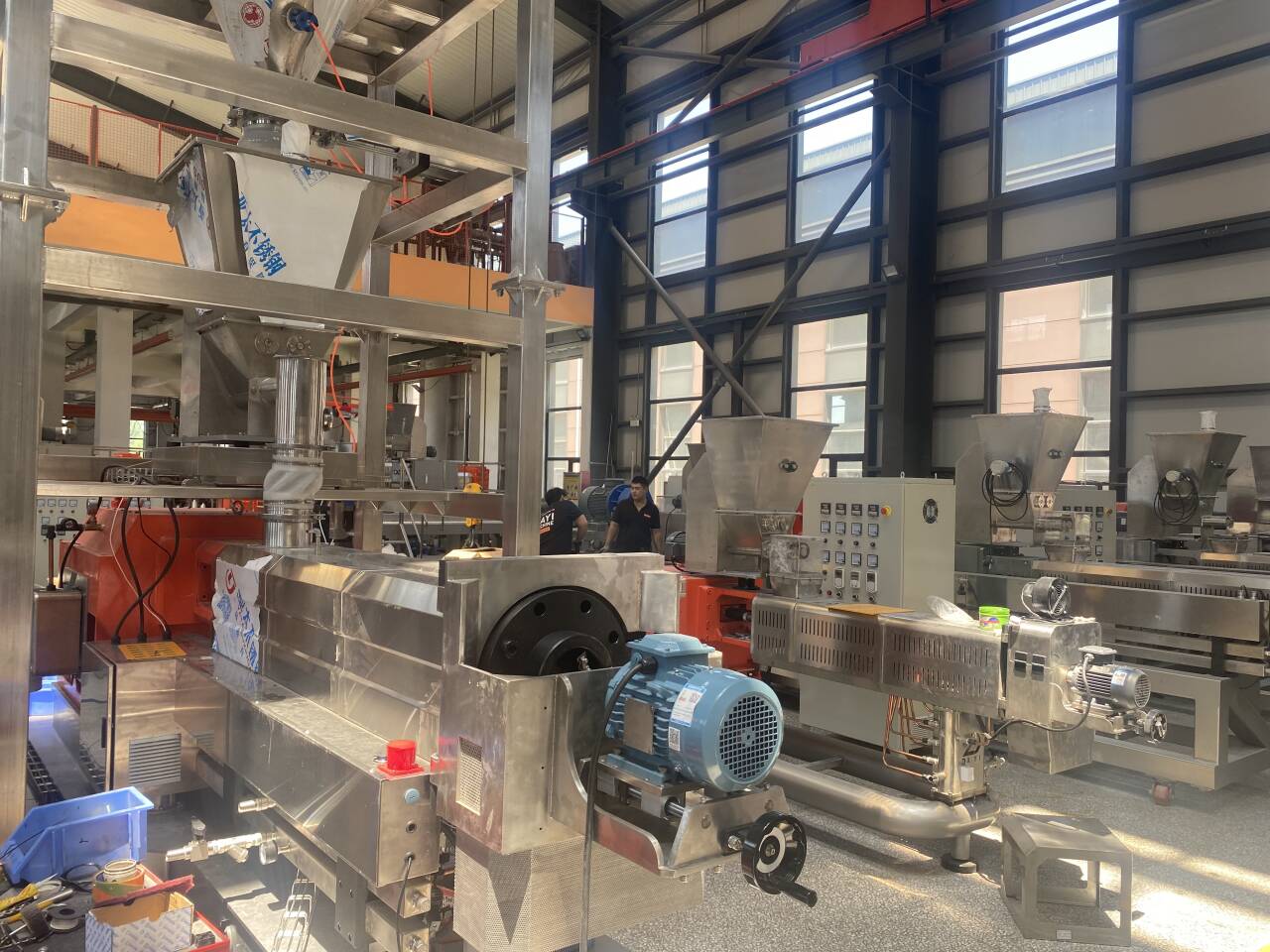
Demystifying the Twin-Screw Extruder: The Versatile Vanguard of Modern Industrial Processing
The twin-screw extruder (TSE) is a masterpiece of engineering that has revolutionized a vast spectrum of industries, from the food we eat and the feed for our animals to the plastics in our devices and the pharmaceuticals that heal us. Often operating behind the scenes, this sophisticated machine is a continuous reactor, mixer, cooker, and former all in one. snack food double screw extruder This article provides a comprehensive unveiling of the twin-screw extruder, delving into its fundamental principles, intricate mechanics, and its pervasive, transformative applications. We will explore how its unparalleled flexibility in configuration and control has made it an indispensable tool for innovation and efficiency in the 21st century, enabling the creation of products with precisely engineered functionalities.
1. Introduction: Beyond Simple Squeezing
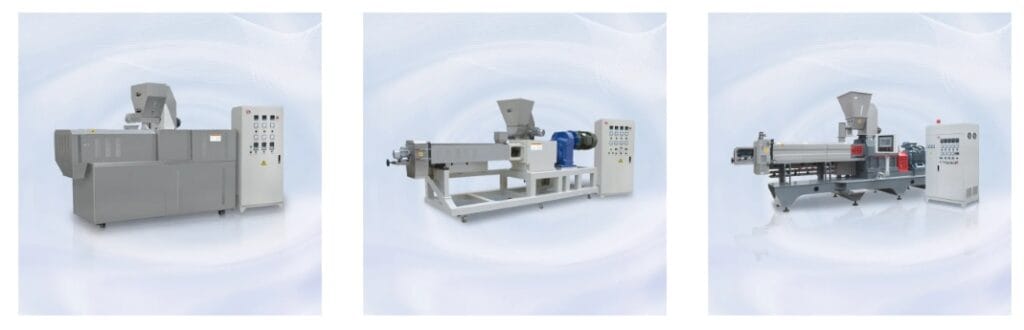
To the uninitiated, an extruder might conjure images of a simple pasta maker—a machine that pushes dough through a die to create a specific shape. While this captures the essence of the final step, it grossly underestimates the complexity and capability of a modern twin-screw extruder. It is not merely a former of materials; it is a sophisticated platform for continuous chemical and physical transformation.
The journey of extrusion technology began with single-screw extruders (SSEs), which were adequate for simple tasks like plastic pipe production or early breakfast cereals. However, the limitations of SSEs—primarily their poor mixing capability, limited control over process parameters, and difficulty handling diverse or sticky raw materials—spurred the development of the twin-screw extruder. The introduction of two intermeshing screws co-rotating within a barrel was a quantum leap. It transformed the process from a simple drag-flow pump to a highly controllable, self-wiping, and intensely mixing dynamic system.
Today, the TSE is the heart of countless manufacturing lines. Its ability to precisely manage thermal and mechanical energy input, incorporate multiple ingredients along the barrel length, and handle a wide range of viscosities and compositions has made it the technology of choice for creating complex structured products. This article will dissect this remarkable machine,snack food double screw extruder layer by layer, to reveal why it has become such a vanguard of modern industrial processing.
2. Fundamental Principles and Anatomy of a Twin-Screw Extruder
To understand its applications, one must first understand its anatomy and the core principles that govern its operation.
2.1 Core Components
A twin-screw extruder is a modular system, which is key to its versatility. Its main components are:
- Feed System: Typically a hopper with a gravimetric or volumetric feeder that ensures a consistent and precise flow of raw materials (often powders, liquids, or pellets) into the extruder.
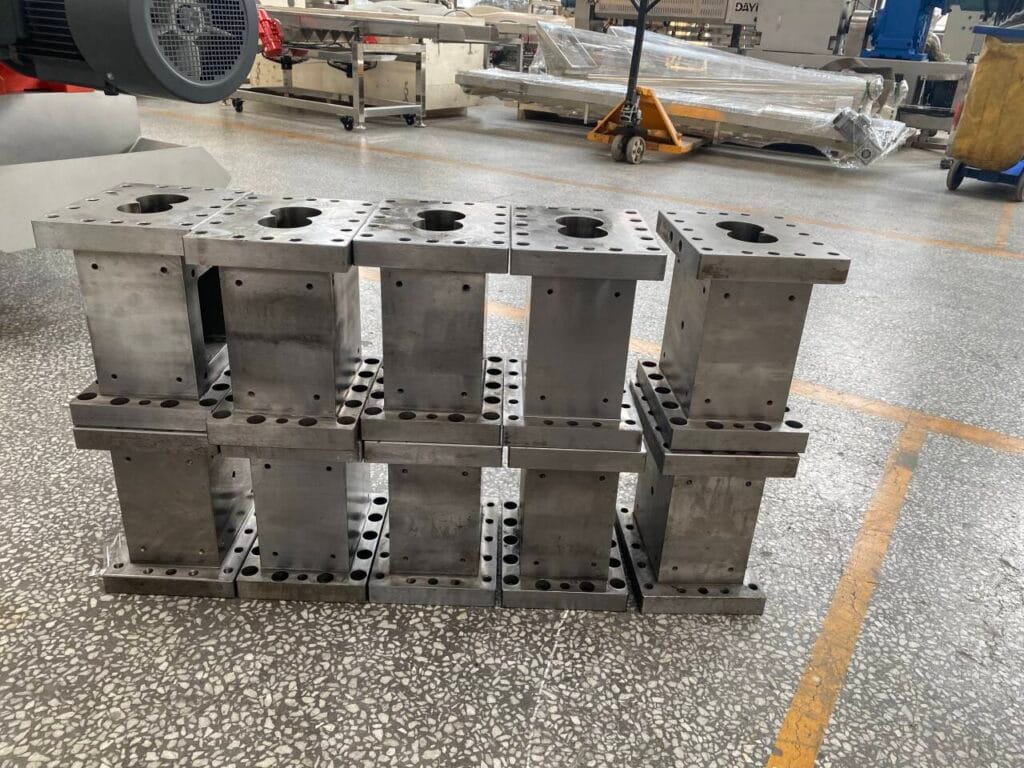
- The Barrel: A hardened, cylindrical housing that contains the screws. It is split into multiple segments, each capable of being independently heated or cooled. Barrels are lined with wear-resistant materials to withstand abrasive ingredients. Ports along the barrel allow for the downstream addition of other ingredients, venting of vapors, or application of vacuum.
- The Screws: The heart of the system. Two screws sit side-by-side within the barrel. They are not monolithic shafts but are assembled from individual elements keyed onto a central splined shaft. These elements include:
- Conveying Elements: These have a helical flight design and are used to transport material forward (or backward) through the barrel. The pitch (distance between flights) can be varied to control the fill level and residence time.
- Kneading Blocks: Disks staggered at different angles relative to each other. These are the primary mixing elements. Their staggering angle dictates their aggressiveness:
- Forward Staggering: Provides moderate mixing with forward conveying.
- Neutral Staggering: Provides high shear and dispersive mixing with minimal forward conveying.
- Reverse Staggering: Creates a restrictive seal, increasing fill level and residence time upstream, enhancing mixing but requiring more motor torque.
- Specialty Elements: Elements like toothed mixing discs or rotor elements for distributive mixing without high shear.
- The Die: A precision-machined plate attached to the end of the barrel. It gives the product its final shape—be it a cereal ring, a plastic filament, a pet food kibble, or a pharmaceutical pellet. The pressure buildup before the die is critical for product texture and expansion.
- Drive System: A powerful motor and gearbox that provide the torque and speed to rotate the screws. The screw speed (RPM) is a critical process parameter.
- Control System: A sophisticated computer-based system that monitors and controls all parameters: barrel temperatures, screw speed, feed rate, pressure, and torque, ensuring process consistency and reproducibility.
2.2 The Critical Distinction: Co-rotating vs. Counter-rotating
The relative direction of the two screws is a fundamental design choice with significant implications for performance.
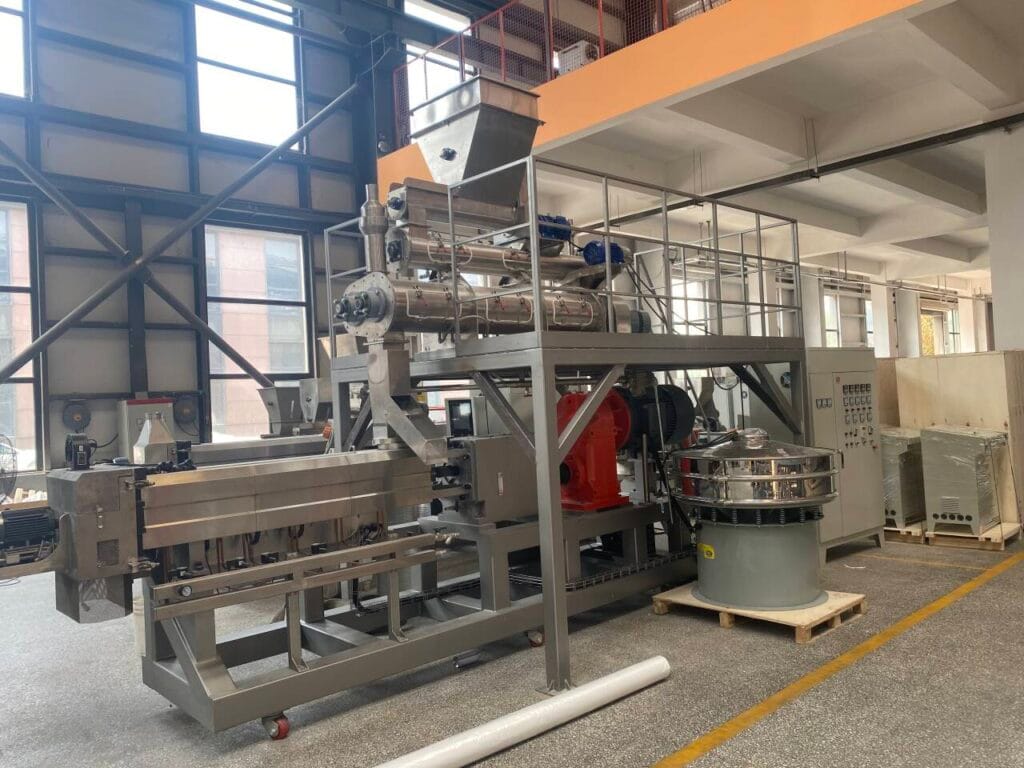
- Co-rotating Twin-Screw Extruders: The screws rotate in the same direction. This is the most common configuration, especially in food, feed, and plastics compounding. The material is transported in a figure-eight pattern around the two screws, resulting in excellent self-wiping action (preventing material stagnation and degradation), high-speed operation, superior mixing efficiency, and good control over residence time distribution.
- Counter-rotating Twin-Screw Extruders: The screws rotate in opposite directions. This can be further divided into intermeshing and non-intermeshing types. The intermeshing counter-rotating design creates a positive displacement “gear pump” effect, snack food double screw extruder which is excellent for building pressure and is often used in profile extrusion of rigid PVC. However, it has higher wear at the screw intermeshing zone and is generally run at lower speeds than co-rotating machines.
For the remainder of this article, the focus will be primarily on co-rotating TSEs, given their dominance in a wide range of transformative applications.
2.3 The Extrusion Process: A Journey of Transformation
The process inside a TSE is a continuous, multi-step journey:
- Solid Conveying & Feeding: The raw material is fed into the first barrel section and conveyed forward by the screw elements.
- Melting/Plastication: As the material moves, mechanical energy from the rotating screws (shear) and thermal energy from the heated barrel cause it to melt or plasticize into a viscous dough or melt.
- Mixing & Reaction: This is the core of the TSE’s power. In the fully filled sections created by kneading blocks or reverse elements, intense mixing occurs. Ingredients like flavors, colors, oils, or chemical reactants can be added downstream and homogenized perfectly. Chemical reactions like polymerization, grafting, or starch hydrolysis can be carried out under controlled conditions.
- Devolatilization: Vents or vacuum ports can be opened to remove moisture, solvents, or volatile organic compounds, refining the final product.
- Pumping & Pressurization: The final conveying elements build up pressure to force the now-transformed material through the die.
- Shaping & Expansion: Upon exiting the die, the sudden pressure drop can cause rapid vaporization of internal moisture (in foods) or blowing agents (in plastics), leading to expansion. The product is then shaped by a cutter and cooled.
The precise choreography of these steps, controlled by screw configuration, barrel temperature profile, and operating parameters, is what allows the TSE to be so universally applicable.
3. A Deep Dive into Key Application Areas
The true power of the TSE is revealed in the breadth and depth of its applications. We will now explore its pivotal role across several major industries.
3.1 The Food Industry: Engineering Taste, Texture, and Nutrition
The TSE has been a cornerstone of food innovation, enabling the creation of entire categories of convenience and functional foods.
3.1.1 Ready-to-Eat (RTE) Breakfast Cereals
This is one of the most classic applications. A flour base (corn, wheat, rice, oats) is fed into the TSE with water, sugar, and flavorings. Inside the extruder, several critical transformations occur:
- Starch Gelatinization: The combination of heat and shear ruptures the starch granules, making them digestible and creating a plasticized melt.
- Protein Denaturation: Plant proteins are unfolded, improving texture and nutritional availability.
- Mixing: All ingredients are perfectly homogenized.
The molten mass is forced through a die that shapes it into O’s, flakes, or puffs. Upon exiting, the superheated water instantly vaporizes, expanding the product into a light, crispy, snack food double screw extruder and porous structure. The TSE allows for precise control over density, texture (from delicate to hard), and the degree of cooking, something impossible to achieve with traditional baking.
3.1.2 Textured Vegetable Protein (TVP)
A monumental application for meat alternatives. Defatted soy flour or other protein concentrates are fed into a high-shear TSE. The combination of heat, shear, and pressure aligns and cross-links the protein molecules, creating a layered, fibrous, meat-like structure. As the material exits the die, it expands, forming a spongy matrix that can absorb flavors and fats, mimicking the mouthfeel of ground meat. This technology is fundamental to the production of veggie burgers, meat extenders, and many modern plant-based meats.
3.1.3 Snack Foods
From cheese puffs to third-generation pellet snacks, TSEs are indispensable.
- Direct Expanded Snacks: Similar to RTE cereals, corn meal or potato flour is cooked and expanded directly upon extrusion. The shape of the die creates curls, balls, and sticks.
- Half-Products/Pellets: The TSE cooks and forms a dense, unexpanded pellet. This intermediate product has a long shelf life. To consume it, the end-user (or a snack manufacturer) fries, toasts, or microwaves the pellets, causing them to puff into a final snack. This provides incredible flexibility and reduces transport costs.
3.1.4 Confectionery and Bakery Products
- Licorice: The TSE perfectly cooks and mixes wheat flour, sweeteners, and licorice extract to create the characteristic smooth, chewy texture.
- Chewing Gum: The TSE acts as a continuous mixer for the gum base, sweeteners, flavors, and softeners, replacing traditional batch kneaders.
- Starch Conversion: TSEs are used to pre-gelatinize starches or create dextrins (a form of starch breakdown) for use as thickeners, binders, or crispness enhancers in other food products.
3.1.5 Functional and Infant Foods
The TSE is a tool for nutritional enhancement. Heat-labile nutrients like vitamins can be added downstream in a cooler barrel section to prevent degradation. The extrusion process itself can improve the bioavailability of certain nutrients. Precooked, easily digestible infant cereals and weaning foods are efficiently produced using TSEs.
3.2 The Feed Industry: Enhancing Animal Nutrition and Safety
The benefits of extrusion in the feed industry are both nutritional and microbiological.
3.2.1 Pet Foods
The vast majority of dry kibble for dogs and cats is produced via twin-screw extrusion. A mixture of meat meals, grains, vitamins, and fats is cooked in the TSE. This process:
- Gelatinizes Starch: Improving digestibility.
- Denatures Proteins: Making them more bioavailable.
- Destroys Anti-Nutritional Factors: Such as trypsin inhibitors in soybeans.
- Ensures Microbial Safety: The high temperatures (often above 130°C) eliminate pathogenic bacteria like Salmonella and E. coli.
The product is expanded through the die, creating a porous structure that can be later coated with palatable fats and digest. The density of the kibble can be precisely controlled to create formulas for different life stages and breeds.
3.2.2 Aquatic Feeds
This is a highly demanding application. Fish and shrimp feeds must be water-stable to prevent nutrient leaching and water pollution. TSEs, through precise control of cooking and the use of binding agents, produce feeds with extremely high water stability. snack food double screw extruder Furthermore, the expansion can be controlled to create sinking, slow-sinking, or floating feeds for different aquatic species.
3.2.3 Livestock Feeds
Extrusion is used for young animal feeds (pre-starter feeds) to improve digestibility. It is also used to process full-fat soybeans, inactivating the trypsin inhibitor while preserving the valuable oil within the feed.
3.3 The Plastics and Polymer Industry: The Workhorse of Compounding
This is arguably the largest application area for TSEs in terms of the volume of material processed and the machine’s economic impact. The process is known as reactive extrusion (REX) or compounding.
3.3.1 Plastics Compounding
Virgin polymers often lack the desired properties for end-use applications. TSEs are used to incorporate a wide range of additives into a polymer melt to create custom compounds. The intense mixing of the TSE is perfect for:
- Fillers: Such as calcium carbonate or talc, to reduce cost or modify stiffness.
- Reinforcements: Glass fibers, carbon fibers to dramatically increase strength and heat resistance. The TSE’s moderate shear helps retain fiber length, which is critical for mechanical properties.
- Colorants: Masterbatches (highly concentrated mixtures of pigment in a polymer carrier) are produced efficiently in TSEs.
- Plasticizers, Stabilizers, Flame Retardants: Ensuring the polymer is flexible, durable, and safe.
3.3.2 Polymer Alloys and Blends
Most common plastics are not single polymers but blends (e.g., PC/ABS, PPE/PS). TSEs provide the intensive mixing required to disperse one immiscible polymer phase within another at a microscopic level, creating a material with a synergistic set of properties.
3.3.3 Devolatilization and Reactive Extrusion
- Devolatilization: TSEs are exceptionally efficient at removing solvents, monomers, and other volatiles from polymers under vacuum, purifying the final product.
- Reactive Extrusion (REX): The TSE becomes a continuous chemical reactor. This includes:
- Polymerization: Ring-opening polymerization of PLA (polylactic acid) is commercially done in TSEs.
- Grafting: Attaching maleic anhydride to polyolefins (e.g., PP, PE) to improve their adhesion to other materials.
- Chain Extension / Degradation: Modifying the molecular weight of polymers like PET or PLA to tailor their rheological and mechanical properties.
- Dynamic Vulcanization: Cross-linking a rubber phase within a plastic matrix to create Thermoplastic Vulcanizates (TPVs), which are elastic yet processable like plastics.
3.3.4 Recycling
TSEs are at the forefront of advanced plastic recycling. They can homogenize mixed plastic waste, remove contaminants via venting, and re-stabilize the polymer chains to restore properties, moving towards a more circular economy.
3.4 The Pharmaceutical Industry: Precision Engineering for Medicine
In the highly regulated pharmaceutical world, the TSE is gaining rapid adoption as a continuous manufacturing platform that offers significant advantages over traditional batch processes.
3.5.1 Hot-Melt Extrusion (HME) for Amorphous Solid Dispersions (ASDs)
This is the most prominent application. A significant fraction of new drug candidates have poor solubility in water, leading to low bioavailability. HME in a TSE can dissolve the active pharmaceutical ingredient (API) into a polymer carrier (e.g., PVP, HPMC) at temperatures below the API’s melting point, creating an amorphous solid dispersion. In this amorphous state, the drug has a much higher apparent solubility and dissolution rate, dramatically improving its performance. The TSE’s continuous, closed, and well-controlled environment ensures consistent product quality, real-time monitoring, and easy scale-up from lab to production.
3.5.2 Controlled Release Matrix Formulations
By mixing an API with a rate-controlling polymer (e.g., ethyl cellulose for sustained release, HPMC for delayed release) in a TSE, a homogenous matrix can be created. This matrix can then be shaped into tablets, implants, or film, providing precise control over drug release profiles.
3.5.3 Taste Masking
Unpleasant-tasting APIs can be embedded within a polymer matrix via HME, preventing them from interacting with taste buds on the tongue, a crucial feature for pediatric and geriatric medications.
3.5.4 Pelletization
TSEs can produce uniform, spherical-like pellets (through a die and cutter) that can be coated for multi-particulate dosage forms, allowing for the combination of multiple APIs with different release mechanisms in a single capsule.
3.5 Other Emerging and Niche Applications
The versatility of the TSE continues to find new frontiers.
- Biomass Processing: TSEs are being used as a pre-treatment for lignocellulosic biomass (e.g., wood, agricultural residues) for biofuel production. The intense shearing action helps break down the recalcitrant structure, making the cellulose more accessible to enzymes for sugar conversion.
- 3D Printing Filaments: The production of consistent, high-quality filament for Fused Deposition Modeling (FDM) 3D printers requires perfect diameter control and homogeneity, which is achieved using TSEs for compounding and filament formation.
- Energetic Materials: The safe and homogenous mixing of explosives and propellants is a critical application where the closed, continuous nature of the TSE minimizes operator exposure to hazardous materials.
- Ceramics and Metals: TSEs are used to compound ceramic or metal powders with binders to create a feedstock for injection molding processes (Metal/Ceramic Injection Molding).
4. Advantages Over Single-Screw Extruders and Batch Processes
The widespread adoption of TSEs is due to a compelling set of advantages:
- Superior Mixing: The intermeshing, self-wiping action provides both dispersive (breaking down agglomerates) and distributive (homogenizing) mixing that SSEs cannot match.
- Flexibility and Control: The modular screw and barrel design allows the machine to be perfectly tailored to the specific process, from gentle conveying to intense reaction.
- Efficient Handling of Multiple Feedstocks: TSEs can handle powders, liquids, and friable materials with ease. They are far less susceptible to feed variations than SSEs.
- Downstream Feeding Capability: The ability to add heat-sensitive ingredients (vitamins, flavors, APIs) after the initial melting zone is a game-changer for product quality.
- Self-Cleaning Action: The co-rotating, intermeshing screws prevent material from stagnating and degrading, which is crucial for sensitive products and for quick product changeover.
- Continuous Processing: Compared to batch processes, continuous processing with a TSE offers higher productivity, better consistency, smaller footprint, and is more amenable to automation and real-time quality control (via Process Analytical Technology, or PAT).
5. Challenges and Considerations
Despite its prowess, the TSE is not a magic bullet. Its implementation comes with challenges:
- High Capital Cost: TSEs are significantly more expensive than SSEs or batch mixers.
- Operational Complexity: Designing the correct screw configuration and optimizing the process parameters (temperature, screw speed, feed rate) requires deep expertise. It is as much an art as a science.
- Wear and Tear: Processing highly abrasive or corrosive materials (e.g., filled polymers, ceramics) can lead to significant wear on screws and barrels, requiring costly hardened components and maintenance.
- Scale-Up: While generally better than batch processes, scaling from a laboratory TSE to a production-scale machine still requires careful consideration of shear rates, heat transfer, and residence time distributions.
6. The Future of Twin-Screw Extrusion: Intelligence and Sustainability
The evolution of the twin-screw extruder is far from over. Future trends point towards:
- Digitalization and Industry 4.0: Integrating TSEs with IoT sensors, AI, and machine learning for predictive maintenance, real-time optimization, and fully autonomous operation. Digital twins (virtual models of the extruder) will allow for process simulation and optimization offline.
- Advanced Process Analytical Technology (PAT): More sophisticated in-line sensors (NIR, Raman) will provide real-time data on chemical composition, crystallinity, and viscosity, enabling closed-loop control for unparalleled product quality.
- Focus on Sustainable and Bio-based Materials: TSEs will be central to processing biopolymers (PLA, PHA), natural fiber composites, and upcycled waste streams, supporting the global shift towards a bio-economy.
- Modular and Miniaturized Systems: For pharmaceuticals and high-value chemicals, compact, highly modular “plug-and-play” TSE systems that can be quickly reconfigured for different products will become the standard.
The twin-screw extruder is a testament to the power of engineering ingenuity. What began as an improvement on a simple mechanical concept has blossomed into one of the most versatile and impactful platforms for industrial processing. Its ability to seamlessly integrate multiple unit operations—feeding, melting, mixing, reacting, devolatilizing, snack food double screw extruder and forming—into a single, continuous, and highly controllable process has made it indispensable.
From the breakfast table to the pharmacy, from the pet store to the automotive plant, the products shaped and transformed by this technology touch nearly every aspect of modern life. It is a key enabler of product innovation, allowing scientists and engineers to design materials and foods with previously unattainable structures and functionalities. As we move into an era demanding greater efficiency, sustainability, and precision, the role of the twin-screw extruder will only become more profound. It is not merely a machine; it is a dynamic and transformative force, continuously pushing the boundaries of what is possible in manufacturing.
Leave A Comment