
Deconstructed: The Six Critical Elements Behind Modern Puffed Breadcrumb Production
Introduction: Beyond the Humble Crumb
In the universe of culinary texturizers, a quiet revolution has taken place. The dense, gritty breadcrumbs of the past have been largely supplanted by a lighter, crispier, and more versatile product: the puffed breadcrumb. Known for their signature airy structure, golden color, bread crumbs making machine and remarkable ability to adhere and crisp up perfectly, puffed breadcrumbs have become the secret weapon of the food industry and home cooks alike. Their dominance, however, is not accidental. It is the direct result of a highly sophisticated, scientifically-driven manufacturing process that is often shrouded in mystery.
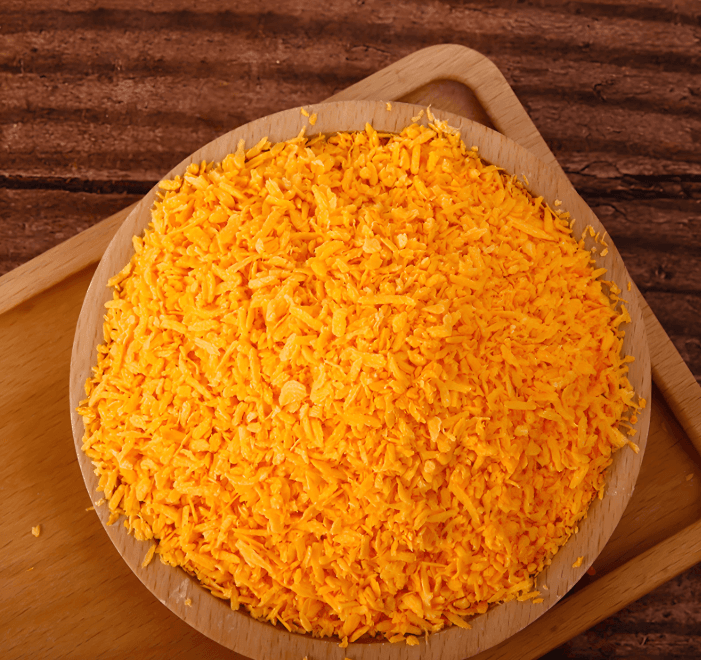
This article aims to pull back the curtain, offering a detailed exposé on the six fundamental elements that define the production of modern puffed breadcrumbs. We will move beyond superficial descriptions and delve into the intricate interplay of chemistry, physics, bread crumbs making machine and engineering that transforms simple ingredients into a culinary powerhouse. Understanding these elements is key to appreciating why this ingredient behaves the way it does and how manufacturers achieve such precise control over its final characteristics.
Element 1: The Raw Material Matrix – A Deliberate Foundation
The journey of a puffed breadcrumb begins not in the oven, but in the careful selection and formulation of its raw materials. This is the first and most crucial element, as the initial composition dictates the entire behavior of the product through the subsequent stages of production. Unlike traditional breadcrumbs made from leftover bread, puffed breadcrumbs are often engineered from a specific slurry or dough designed explicitly for puffing.
1.1 The Flour Power:
The choice of flour is paramount. While traditional breadcrumbs might use standard bakery flour, puffed breadcrumb production typically favors flours with very specific properties.
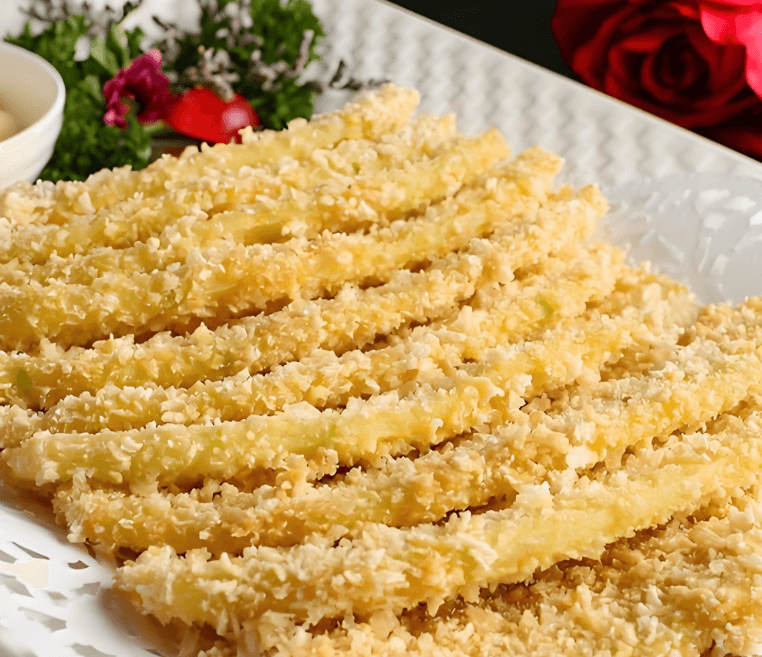
- Starch Content and Type: A high starch content is essential. Starch is the primary agent responsible for puffing. When subjected to heat and pressure, the starch granules swell, gelatinize, and then, upon a sudden release of pressure, the trapped steam expands violently, creating the porous structure. The ratio of amylose to amylopectin within the starch is critical. Flours with a higher amylopectin content (like waxy rice or wheat flour) tend to produce a more expanded, tender, and less brittle crumb, as amylopectin creates a more flexible gel network.
- Protein Content: Contrary to bread-making, a very high protein (gluten) content is often undesirable. Excessive gluten can form a strong, elastic network that resists the expansion during puffing, leading to a denser product. Therefore, manufacturers often use low-protein flours or incorporate other ingredients to moderate gluten development. The goal is a structure that is strong enough to hold the puff but weak enough to allow for maximum expansion.
1.2 The Liquid Component:
Water is not just a solvent; it is the working fluid of the puffing process.
- Hydration Levels: The moisture content of the pre-puff mixture is meticulously controlled. Too little water, and there is insufficient steam generated for proper expansion. Too much water, and the mixture becomes too fluid, leading to collapse post-puffing or an overly delicate structure that shatters during packaging and shipping. The ideal hydration level creates a viscoelastic mass that can trap steam effectively until the precise moment of release.
1.3 Functional Additives: The Unsung Heroes
This is where the “secret sauce” of industrial production lies. A range of minor ingredients is used to fine-tune the process and the final product.
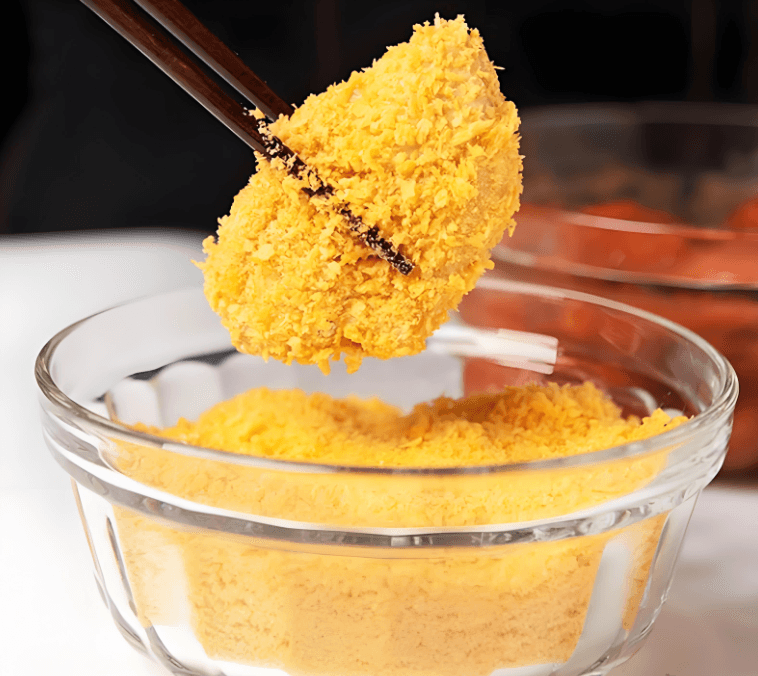
- Leavening Agents: Chemical leaveners like baking powder or sodium bicarbonate can be added to provide an initial gas lift, working in concert with steam to enhance the overall puffing effect and create a more uniform cell structure.
- Emulsifiers: Ingredients like lecithin or mono- and diglycerides are crucial. They act as internal lubricants, improving the flow of the molten mixture during extrusion. More importantly, they strengthen the cell walls within the puffed structure, preventing them from rupturing and collapsing. This results in a more consistent, durable crumb that maintains its volume.
- Hydrocolloids: Gums such as xanthan gum or guar gum are used to modify the viscosity of the slurry and to bind water. This improves the cohesiveness of the dough, aids in suspension of particulates, and contributes to the final texture, often making it crispier yet less hard.
- Acidity Regulators: The pH of the mixture can affect starch gelatinization and the performance of leavening agents. Small amounts of acids or buffers may be used to create the ideal chemical environment for puffing.
The raw material matrix is a precisely balanced ecosystem. bread crumbs making machine Altering one component sends ripples through the entire production chain, affecting everything from processing parameters to the final sensory experience of the crumb.
Element 2: The Puffing Mechanism – The Heart of the Transformation
This is the core of the process, the dramatic moment where a dense paste is instantaneously transformed into a light, porous solid. While several methods exist, bread crumbs making machine the two most prevalent in industrial production are extrusion puffing and gun puffing.
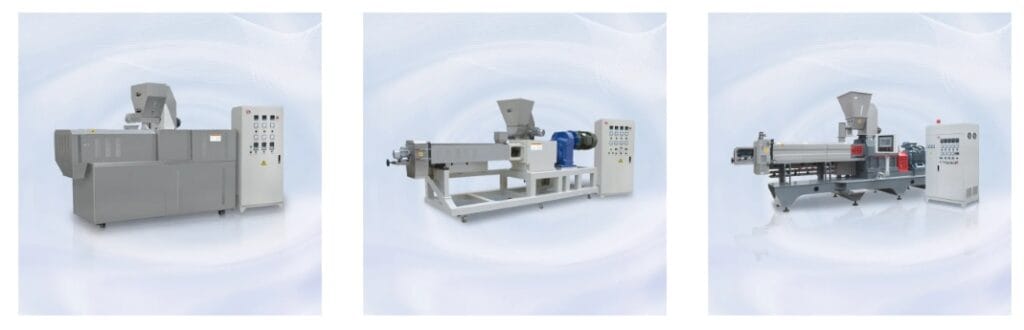
2.1 High-Shear Extrusion Puffing: The Workhorse
This is the most common method for producing the uniform, small-sized puffed crumbs seen on a massive scale. The process involves a sophisticated machine known as a twin-screw extruder.
- The Journey Through the Barrel: The pre-mixed ingredient slurry is fed into the extruder. Inside a long, heated barrel, two intermeshing screws rotate, conveying the material forward. The process can be broken down into distinct zones:
- Feed Zone: The material is introduced and conveyed forward.
- Compression Zone: The screw pitch tightens, building immense pressure and mechanical shear. This friction, combined with external heating, cooks the mixture. The starch granules begin to swell and gelatinize, and the proteins denature, forming a hot, viscous, plasticized mass often described as a “molten dough.”
- Metering Zone: The homogenized melt is pushed under high pressure towards the die head.
- The Die and the Instantaneous Puff: The die is a metal plate with precisely shaped holes. As the superheated, pressurized mass is forced through these dies, it is suddenly exposed to atmospheric pressure. This instant pressure drop causes the superheated water within the mass (which is in a liquid state above 100°C due to the high pressure) to flash into steam. This violent phase change expands the plasticized starch matrix, creating countless tiny bubbles. The material sets almost instantly due to the evaporation of moisture and the rapid cooling, “freezing” the puffed structure in place. The shape of the die holes directly influences the shape of the final extrudate, which is then cut to size by a rotating knife at the die face.
2.2 Gun Puffing: For a Different Texture
This batch process is less common for fine crumbs but is iconic for creating large, irregular pieces.
- The Process: A batch of pre-cooked, sized, and dried dough pellets (often made from a similar base as the extrusion mixture) is loaded into a sealed, rotating chamber—the “gun.”
- Pressure Cooking and Sudden Release: The chamber is heated, raising the internal temperature and pressure. The moisture inside the pellets turns superheated. After a precise cooking time, a valve is triggered, and the entire contents of the chamber are explosively discharged into a vacuum chamber or directly to the atmosphere. The sudden pressure drop causes every pellet to puff up simultaneously, much like popcorn. The resulting pieces are much larger and have a more random, balloon-like structure compared to the uniform extruded products.
The choice of puffing mechanism is a fundamental decision that dictates the entire character of the breadcrumb—its size, shape, density, and wall thickness.
Element 3: Drying and Toasting – Achieving Stability and Flavor
The product exiting the puffing chamber is structurally formed but is still too high in moisture for shelf-stable storage. bread crumbs making machine Furthermore, it often lacks the desired color and toasty flavor. The drying and toasting stage addresses both issues.
3.1 Multi-Stage Drying:
Immediately after puffing, the moisture content can be around 8-12%. The target for a stable, crispy breadcrumb is typically below 5-7%. This is achieved through multi-stage drying.
- Primary Drying: The puffed product is conveyed through a multi-pass dryer, where controlled hot air is circulated. The temperature and humidity of this air are critical. If the air is too hot and dry, it can cause “case hardening,” where the exterior of the crumb dries and forms a hard shell, trapping moisture inside and leading to a soggy center and potential microbial spoilage. A gentler, staged approach is used to slowly and evenly remove moisture from the entire structure.
- Equilibration: After the primary dryer, the crumbs are often held in a conditioning bin. This allows for the remaining moisture to redistribute evenly throughout the crumb, preventing gradients that could lead to textural issues.
3.2 The Maillard Reaction and Color Development:
The pale, puffed extrudate now undergoes a transformation to develop the appealing golden-brown color and nutty, toasted flavors associated with high-quality breadcrumbs. This is primarily driven by the Maillard Reaction, a complex chemical reaction between amino acids (from proteins) and reducing sugars (from the starch) that occurs at elevated temperatures.
- Toasting Ovens: The dried crumbs are passed through a toasting oven. The temperature and residence time in this oven are precisely controlled to achieve the exact shade of golden brown desired by the manufacturer. This step is not just about aesthetics; it develops the foundational flavor profile of the crumb. Over-toasting can lead to bitterness and an overly dark color, while under-toasting results in a bland, floury taste.
This combination of precise drying and controlled toasting is what gives puffed breadcrumbs their signature crispness, stability, and rich, baked flavor, setting them apart from simply dried, unpuffed bread.
Element 4: Milling and Sizing – Crafting the Perfect Crumb Geometry
Once the puffed, dried, and toasted material is produced, it must be transformed into the various crumb sizes available on the market. This is a mechanical process of controlled breakdown.
4.1 The Milling Process:
The large, puffed pieces are fed into a milling system. This is not a simple grinding process; it is a calibrated fracturing.
- Equipment: Various mills can be used, such as hammer mills, pin mills, or roller mills. A hammer mill, for instance, uses rapidly rotating hammers to smash the material against a stationary screen. The size of the holes in this screen determines the maximum particle size of the resulting crumbs.
- The Goal of Fracture: The objective is to break the puffed structure along its natural cell walls. A well-puffed product with strong, yet brittle, cell walls will fracture cleanly, creating crumbs with a multitude of sharp edges and points. These jagged edges are crucial for the final culinary application, as they create a more textured, crispier coating compared to the rounded, “pebble-like” feel of some traditional crumbs.
4.2 Sifting and Classification:
The milled output is a mixture of various particle sizes. To ensure product consistency, this mixture must be classified.
- Vibratory Screens: The milled crumbs are passed over a series of vibrating screens with progressively smaller mesh sizes. This separates the product into distinct fractions:
- Overs: Particles that are too large are recycled back to the mill for further reduction.
- Middlings: The target fraction, which is collected as the final product (e.g., “fine,” “medium,” or “coarse” breadcrumbs).
- Fines/Dust: Particles that are too small. This fraction may be sold as a separate product (e.g., “powdered crumbs” for binding) or sometimes recycled back into the raw material slurry at the beginning of the process to reduce waste.
This rigorous milling and sizing process ensures that every bottle of “Panko-style” breadcrumbs or bag of “fine” breadcrumbs has the consistent particle size distribution that chefs and consumers rely on for predictable performance.
Element 5: Flavoring and Coating Technology – Engineering Taste and Adhesion
While plain puffed breadcrumbs are a valuable ingredient, a huge segment of the market consists of seasoned varieties. bread crumbs making machine The application of flavors and coatings is a science in itself, designed for even distribution and maximum adherence.
5.1 Flavor Delivery Systems:
Simply mixing dry spices with the dry crumbs often leads to uneven distribution and a dusty, poorly adhered seasoning that falls off.
- Oil-Based Slurries: The industry standard involves creating a slurry or mist of oil (e.g., soybean, canola) in which the dry seasonings (salt, spices, herbs, cheese powders, etc.) are suspended. This slurry is then applied to the tumbling crumbs in a rotating drum mixer.
- Benefits of the Oil Slurry:
- Even Distribution: The oil acts as a carrier, ensuring every crumb surface gets a uniform coating of flavor.
- Adhesion: The oil helps the seasoning particles stick to the crumb, preventing them from settling at the bottom of the package.
- Functional Enhancement: The light oil coating can slightly hydrate the crumb’s surface, which improves its ability to brown during frying. It also creates a slight barrier that can help preserve crispiness for a short period after cooking by slowing down moisture migration from the food into the crumb.
5.2 Binder Systems for Pre-Dusted Applications:
Some industrial breadcrumb products are designed as part of a “batter-breadcrumb” system. In these cases, the crumb itself may be coated with a thin layer of a hydrocolloid or starch-based binder. This creates an exceptionally rough surface that forms a superior mechanical bond with the wet batter applied to the food product at the factory or restaurant, guaranteeing that the coating stays firmly in place during frying and eating.

This element transforms the breadcrumb from a mere texturizer into a complete flavor-delivery system, tailor-made for specific applications from Italian-style cutlets to Japanese tonkatsu.
Element 6: Quality Control and Packaging – Preserving the Crisp
The final, and often overlooked, element is the protection of the carefully engineered product from the point of production to the end user. The primary enemy of puffed breadcrumbs is moisture.
6.1 In-Line Quality Control:
Throughout the process, rigorous QC checks are in place.
- Moisture Analysis: Near-infrared (NIR) sensors or routine lab tests constantly monitor moisture levels post-drying and toasting.
- Color Measurement: Spectrophotometers are used to ensure the toasted color falls within a strict defined range.
- Particle Size Analysis: Sieve analysis ensures the milled product consistently meets the specified size distribution.
- Bulk Density: This is a critical measurement. The weight per unit volume of the crumbs directly impacts their coverage (yield) and texture. A consistent bulk density is a sign of a stable puffing process.
6.2 Advanced Packaging as a Barrier:
Packaging is the last line of defense.
- High-Barrier Films: The bags or canisters used are not simple plastic. They are multi-layer structures, often incorporating materials like polypropylene and metallized films that provide an excellent barrier against moisture vapor and oxygen. bread crumbs making machine This prevents the crumbs from absorbing atmospheric humidity, which would make them soft and stale.
- Modified Atmosphere Packaging (MAP): For premium products or bulk packaging, the air inside the bag is sometimes replaced with an inert gas like nitrogen. This prevents oxidative rancidity of any fats from the oil slurry and further safeguards the product’s crispness and flavor integrity.
A failure in this final element can undo all the precision and care invested in the previous five. The perfect crumb, if packaged poorly, will be a disappointment upon opening.
The production of puffed breadcrumbs is a far cry from the simple drying and grinding of stale bread. It is a testament to modern food science and engineering, a process built upon six interdependent pillars: a meticulously designed Raw Material Matrix, a transformative Puffing Mechanism, a defining Drying and Toasting stage, a precise Milling and Sizing operation, a sophisticated Flavoring and Coating technology, and a rigorous Quality Control and Packaging regime.
Each element offers a point of control, allowing manufacturers to dial in specific characteristics—density, crispiness, color, flavor, and adhesion. The next time you enjoy a perfectly crispy piece of fried chicken or a beautifully gratined casserole, you are not just tasting a breadcrumb; you are experiencing the culmination of a complex, precisely orchestrated industrial symphony designed to deliver one thing: the perfect crunch.
Leave A Comment