
Critical Considerations in the Production of Puffed Snacks: A Comprehensive Analysis of Quality, Safety, and Efficiency
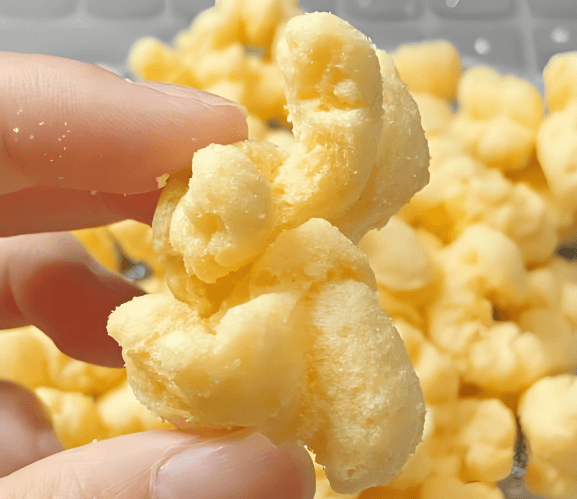
The global snack food industry is a multi-billion dollar behemoth, with puffed snacks occupying a significant and ever-growing segment. From classic cheese puffs and potato-based snacks to innovative products made from legumes, ancient grains, or vegetable blends, the appeal of puffed snacks is universal. Their light, airy texture, intense flavours, and crave-inducing mouthfeel have secured their place in pantries worldwide. However, the seemingly simple pleasure of a puffed snack belies an incredibly complex and precise manufacturing process. Achieving consistent product quality, ensuring microbiological safety, maintaining structural integrity, and delivering on flavour promises require a meticulous approach at every stage of production.snacks making machine
A single oversight can lead to catastrophic results, including product recalls, consumer illness, brand reputation damage, and significant financial losses. Therefore, understanding and controlling the critical points in the manufacturing process is not merely a matter of best practice; it is an absolute necessity for commercial success and consumer safety. This article provides a detailed examination of six paramount considerations in the production of puffed snacks: 1) Raw Material Selection and Quality Control, 2) The Extrusion Process and Its Parameters, 3) Drying and Moisture Management, 4) The Application of Oils and Seasonings, 5) Packaging Integrity and Material Science, and 6) Sanitation, Allergen Control, and Food Safety Protocols. Each of these areas represents a pillar upon which a successful and safe puffed snack product is built.snacks making machine
1. Raw Material Selection and Quality Control: The Foundation of Quality
The axiom “garbage in, garbage out” is profoundly applicable to food production. The quality of the final puffed snack is intrinsically linked to the quality and consistency of the raw ingredients. Unlike some food processes that can mask inferior inputs, puffing is particularly sensitive to variations in raw materials. The primary ingredients typically include grains or starches (e.g., corn grits, rice flour, wheat flour, potato flakes), water, oils, and seasonings. Each must be subjected to rigorous specifications.snacks making machine
Starch-Based Raw Materials: The Heart of the Puff
The choice of base material is the most critical decision. The puffing mechanism relies on the gelatinization of starch. When starch granules are subjected to heat and pressure in the presence of water, they swell, lose their crystalline structure, and form a viscous gel. Upon sudden release of pressure, the superheated water flashes into steam, expanding the gelatinized starch matrix and creating the characteristic porous structure.
- Particle Size and Distribution: The particle size of the milled grain or flour is paramount. Too coarse, and water penetration will be uneven, leading to incomplete gelatinization and hard, dense, or partially unpuffed pieces (“hard centres”). Too fine, and the flour may become compacted, impeding steam expansion and resulting in a fragile, easily broken product with a poor texture. Consistent particle size distribution, achieved through precise milling and screening, ensures uniform water absorption, heat transfer, and, consequently, a consistent puff.snacks making machine
- Starch Composition and Amylose/Amylopectin Ratio: Different starches have different functional properties. For instance, corn grits high in amylopectin (a branched-chain polymer) tend to produce a more expansive, tender puff with a shorter texture. In contrast, starches higher in amylose (a linear polymer) create a stronger, crisper, and less expansive structure. Understanding and controlling this ratio is essential for achieving the desired final product texture. Waxy maize, for example, is almost pure amylopectin and is prized for its high expansion potential.
- Moisture Content of Raw Materials: The initial moisture content of the base ingredient must be tightly controlled. If it is too high, it can throw off the total moisture calculation for the recipe, leading to over-gelatinization, a soggy dough, and excessive stickiness in the extruder barrel. If it is too low, there may be insufficient water for complete gelatinization, resulting in low expansion and a burnt flavour. Incoming raw materials should be tested for moisture, and the process water addition should be adjusted accordingly.
- Freshness and Lipid Content: Grains contain inherent lipids that can oxidize over time, leading to rancidity. Even before frying or adding oil, rancid raw materials can impart off-flavours described as “cardboard,” “paint,” or “musty.” Proper grain storage conditions (temperature, humidity, pest control) are vital. Additionally, the natural oil content can affect extrusion; high-oil ingredients may act as lubricants, reducing mechanical shear and affecting the puffing outcome.
Water Quality: The Universal Solvent
Water is not merely an ingredient; it is a process medium. Its quality must be of potable standard, but beyond that, its mineral content (hardness) can have significant effects.snacks making machine
- Water Hardness: High levels of calcium and magnesium ions can interact with starch and proteins, potentially affecting gelatinization kinetics and texture. They can also lead to scale buildup in extruder barrels, dryers, and piping, reducing heat transfer efficiency and creating sanitation nightmares. Water treatment, including softening and reverse osmosis, may be necessary to ensure consistency.
- Microbiological Quality: Process water must be free from pathogens and have low microbial counts to prevent introducing spoilage organisms or toxins into the product stream.
Oils and Fats: Flavour and Mouthfeel Carriers
The choice of frying oil or coating oil is crucial for flavour stability and nutritional profile.
- Oxidative Stability: Oils high in polyunsaturated fats (e.g., soybean, sunflower) are more prone to oxidation and rancidity than those high in monounsaturated (e.g., high-oleic sunflower, canola) or saturated fats. The oil’s smoke point must be suitable for the frying temperature. Antioxidants, such as tocopherols (Vitamin E), are often added to the oil to extend shelf life.
- Flavour Profile: Many oils have a neutral flavour, which is desirable as it allows the seasonings to dominate. Others, like coconut or peanut oil, impart a distinct characteristic flavour that is part of the product’s identity.
In summary, a robust Quality Assurance program for incoming raw materials, involving Certificate of Analysis (COA) verification, sensory evaluation, and analytical testing (moisture, particle size, etc.), is the indispensable first step in producing a superior puffed snack.
2. The Extrusion Process and Its Parameters: The Art and Science of Puffing
Extrusion cooking is the transformative heart of puffed snack production. It is a continuous process where ingredients are mixed, cooked, kneaded, and shaped under high pressure and temperature before being forced through a die. The precise control of parameters within the extruder dictates the final product’s density, shape, texture, and even its digestibility. The process can be broken down into several zones of control.
Feed Rate and Consistency: The Need for Steady Input
The extrusion process requires a constant and consistent feed of raw materials. Fluctuations in the feed rate cause surging—a cyclical variation in pressure and torque inside the extruder barrel. Surging leads to grossly inconsistent products: some pieces may be over-expanded and blistered, while others are dense and hard. Precision feeders, such as loss-in-weight feeders, are essential to maintain a steady-state operation. This also applies to the liquid ingredients (water and oil), which must be metered in by accurate pumps.snacks making machine
Barrel Temperature Profile: Managing Gelatinization
An extruder barrel is divided into sections, each with independent temperature control, typically via electric heaters or steam injection and water-cooling jackets. The temperature profile is carefully designed to manage the starch’s transformation.
- Pre-conditioning: Many systems use a pre-conditioner, a separate mixing chamber where the dry ingredients are blended with water and steam. This begins the hydration and heating process gently, improving uniformity and reducing the mechanical energy required in the extruder itself.
- Increasing Temperature: As the material moves through the barrel, the temperature is gradually increased. The screws’ mechanical shear energy also contributes significantly to the heat. The goal is to achieve full starch gelatinization (typically between 60°C and 80°C, but under pressure the gelatinization temperature rises) just before the mass reaches the die. If the temperature is too low, gelatinization is incomplete, and expansion will be poor. If it is too high, the starch can degrade, leading to a weak structure, discolouration (caramelization or Maillard browning), and off-flavours.
Screw Configuration and Rotational Speed (RPM): The Mechanics of Shear
The screws inside the extruder barrel are not uniform; they are assembled from various elements (conveying elements, kneading blocks, reverse elements) that perform specific functions.
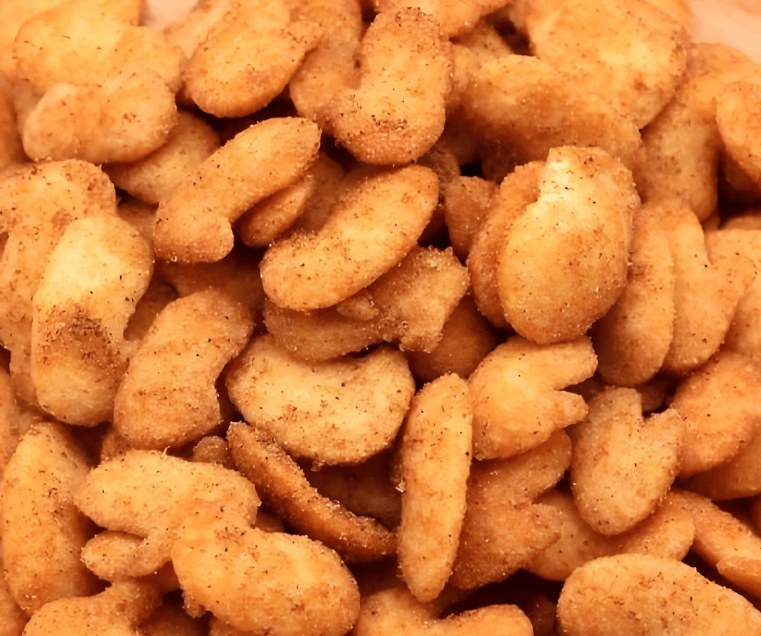
- Shear Energy: The configuration of these elements controls the amount of mechanical shear applied to the dough. High shear is necessary for thorough mixing and starch breakdown, which promotes expansion. However, excessive shear can overwork the dough, degrading the starch polymers and resulting in a sticky, gummy texture and low expansion. The screw speed (RPM) directly influences shear; higher RPMs generally increase shear and temperature.
- Residence Time Distribution: The screw design also affects how long the material stays in the extruder. A narrow residence time distribution is desired to ensure every particle of the dough is cooked uniformly.snacks making machine
Die Design and Back Pressure: The Moment of Truth
The die plate at the end of the extruder is where the magic of puffing happens. The small openings in the die create a resistance, building up pressure inside the barrel (often exceeding 40 bar). This pressure keeps the water in a liquid state despite temperatures being well above its boiling point at atmospheric pressure.
- Pressure Drop: As the superheated dough exits the die, it experiences an instantaneous pressure drop to atmospheric pressure. This causes the superheated water to flash into steam, violently expanding the soft, gelatinized starch matrix. The rate of this pressure drop is critical; if it is too gradual, expansion will be minimal.
- Die Geometry: The shape of the die opening determines the shape of the puff. Simple circular dies create round puffs, while intricate shapes require complex die designs. However, the shape of the die opening is not the final shape of the product; the expansion upon exit must be accounted for. Die design is a specialized field combining fluid dynamics and empirical experience. The length-to-diameter (L/D) ratio of the die land affects the back pressure and the degree of “cooking” that occurs just before exit.
Cutting Mechanism: Sizing the Product
Immediately after the dough exits the die, a rotating knife cuts it into pieces. The speed of this knife determines the length (or size) of the individual snack pieces. The knife must be precisely synchronized with the extrusion speed. A slow knife speed will yield long, connected pieces, while a fast speed will produce small, crumbly bits. The sharpness of the blades is also crucial to ensure a clean cut without tearing the delicate, expanding dough.
In essence, the extrusion process is a delicate balancing act between配方 (moisture, fat), mechanics (screw speed, configuration), and thermodynamics (temperature, pressure). Even minor deviations can alter the product’s functional properties, such as its bulk density, water absorption index, and solubility index, which directly correlate to its eating quality.snacks making machine
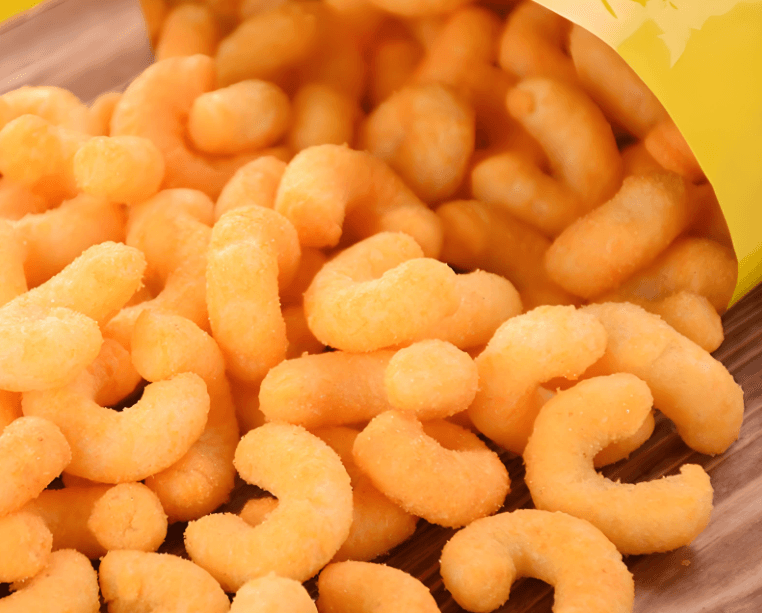
3. Drying and Moisture Management: Achieving the Perfect Crunch
After extrusion, the puffed product has a high moisture content, typically between 8% and 12%. This is far too high for a crispy texture or for stable shelf life, as it would make the product chewy and prone to microbial spoilage. Therefore, drying is an essential step. For fried snacks, the drying and puffing happen simultaneously in the fryer. For baked or half-product (third-generation) snacks, a separate dryer is used.
Frying: A Dehydration and Oil Uptake Process
Frying is a complex heat and mass transfer operation where hot oil (typically 160°C – 190°C) serves as the heating medium.
- Water Escape and Oil Uptake: As the wet, extruded pellet enters the hot oil, surface water vaporizes instantly. This creates a pressure gradient that drives internal moisture to move to the surface and escape as steam. Concurrently, as water leaves, oil is absorbed into the vacant pores. The relationship between water loss and oil uptake is inverse; the more efficiently water is removed, the less oil is absorbed. This is critical for controlling the final fat content of the product.
- Frying Time and Temperature: The temperature of the frying oil must be precisely controlled. Oil that is too cool will result in a greasy snack with high oil uptake and a soggy texture. Oil that is too hot will cause the surface to set too quickly, trapping moisture inside. This can lead to a tough, blistered exterior and a moist, dense interior. It can also cause excessive browning and the formation of acrylamide, a potential carcinogen that forms from asparagine and reducing sugars at high temperatures.
- Oil Turnover and Filtration: As the product fries, it releases water and small particles (fines) into the oil. These fines can burn, accelerating oil degradation and imparting off-flavours. Furthermore, the oil itself breaks down through hydrolysis (reaction with water) and oxidation (reaction with air). Continuous filtration systems are used to remove fines, and a steady rate of fresh oil addition (“oil turnover”) is maintained to dilute the breakdown products and preserve oil quality.
Drying (for Baked or Half-Products): A Gentler Approach
For products that are not fried, a multi-zone dryer (often a conveyor dryer) is used.
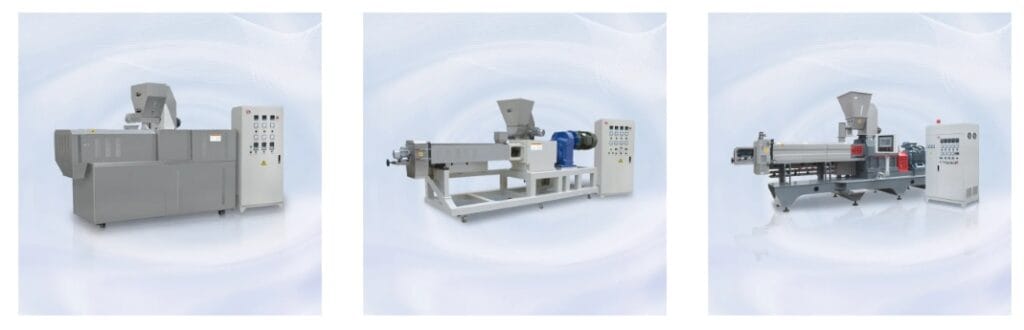
- Moisture Gradient Control: The goal of drying is to remove moisture uniformly without case-hardening. Case-hardening occurs when the surface dries and hardens too quickly, sealing the interior and making further moisture removal difficult. This can result in a snack that seems crisp at first but becomes chewy after a short time on the shelf as moisture migrates from the centre to the surface. To prevent this, dryers use a profile of decreasing temperature and increasing humidity. The initial zones are hotter to begin moisture removal, while later zones are cooler and airier to gently remove the final, more tightly bound moisture without scorching.
- Final Moisture Content Target: The target final moisture content for puffed snacks is typically very low, between 1% and 3%. At this level, the product is crisp, and the water activity (aw) is below 0.3, which inhibits the growth of virtually all microorganisms, including bacteria, yeasts, and moulds. Precise online moisture sensors are often used to monitor the product exiting the dryer and provide feedback for control.
Moisture management does not end at the dryer. The dried product is hygroscopic and will readily absorb moisture from the ambient air, leading to loss of crispness (a phenomenon known as “staling”). Therefore, controlling the humidity in the cooling and seasoning areas is critical before the product is sealed in its protective packaging.
4. The Application of Oils and Seasonings: Delivering the Flavour Experience
A plain, unsalted puff has little consumer appeal. The application of oil and seasonings is where the product’s sensory identity is created. This step must achieve uniform coverage while minimizing waste (seasoning “dust”) and ensuring adherence.
Oil Application: The Flavour and Adhesion Base
Before seasoning, the base puff is typically sprayed with a thin layer of heated oil. This serves two primary purposes:
- Adhesion: The oil acts as a sticky base to which the dry seasoning powders can adhere. Without it, the seasoning would simply fall off.
- Flavour Release and Mouthfeel: Oil is a carrier for fat-soluble flavour compounds. It also contributes to a rich, lubricating mouthfeel that is central to the snack’s indulgent character.
The type of oil used (e.g., butter-flavoured oil, cheese-flavoured oil) can itself be a significant flavour component. The application must be uniform; an oil spray system with precise nozzles and mass flow meters is used to ensure every piece receives the same amount. Uneven oiling leads to uneven seasoning and blotchy flavour.
Seasoning Application: Precision and Uniformity
The seasoning blend is a proprietary masterpiece for any snack company, often comprising salt, cheese powders, spices, herbs, hydrolyzed vegetable proteins, yeast extracts, acidulants (e.g., citric acid), and flavour enhancers (e.g., monosodium glutamate).

- Mixing Technology: The application is done in a rotating drum or an inclined screw mixer (ribbon blender). The tumbling action gently coats the oiled puffs with the seasoning. The design of the mixer is critical to achieve uniformity without breaking the fragile puffs. The residence time in the mixer must be long enough for complete coverage but not so long that product damage occurs.
- Particle Size of Seasonings: The particle size of the seasoning blend must be compatible with the snack. If the particles are too large, they will not adhere well and will feel gritty in the mouth. If they are too fine, they can become airborne, creating a dusty environment, posing an inhalation risk to workers, and resulting in seasoning loss. Anti-dusting agents, such as small amounts of vegetable oil or silicon dioxide, are often added to seasoning blends to mitigate this.
- Ingredient Stability: Some seasonings are sensitive to heat, light, or oxygen. For example, the vibrant colour of paprika or turmeric can fade if exposed to light. Cheese powders can oxidize. The finished product’s packaging must offer sufficient protection to preserve these delicate ingredients throughout the shelf life.
The success of this stage is measured by the seasoning yield—the percentage of seasoning that ends up on the product versus what is lost to the environment or equipment. High yields indicate an efficient process and consistent flavour delivery to the consumer.
5. Packaging Integrity and Material Science: The Final Guardian of Quality
Packaging is the final, critical line of defense between the carefully manufactured snack and the consumer. Its primary functions are to protect against mechanical damage, environmental moisture, oxygen, light, and contamination.
Barrier Properties: The War Against Moisture and Oxygen
Puffed snacks are critically vulnerable to two environmental factors: moisture and oxygen.
- Moisture Barrier: As hygroscopic products with a very low equilibrium relative humidity, puffed snacks will aggressively absorb moisture from the air. Even a small increase in moisture content (from 2% to 4%) can completely destroy the crisp texture, turning the snack soft and chewy. The packaging material must, therefore, have an extremely low Water Vapor Transmission Rate (WVTR).
- Oxygen Barrier: The oils in the snack are susceptible to oxidative rancidity, which produces unpleasant off-flavours and odours. Exposure to light (especially UV) accelerates this process. The packaging must have a low Oxygen Transmission Rate (OTR) and often includes light-blocking agents (e.g., metallization, opaque inks).
Most snack packages are multi-layer laminates, combining materials like oriented polypropylene (OPP), polyethylene terephthalate (PET), metallized film, and polyethylene (PE) sealant layers. Each layer provides a specific function: strength, barrier, or heat-sealability.
Gas Flushing (Nitrogen Flushing): An Inert Atmosphere
To further protect against oxidation, the air inside the package is almost always replaced with an inert gas, almost exclusively nitrogen. This process, called gas flushing or Modified Atmosphere Packaging (MAP), serves a dual purpose:
- Prevents Oxidation: By removing oxygen, the primary driver of rancidity, the shelf life is dramatically extended.
- Provides Cushioning: The nitrogen-filled bag acts as a protective cushion around the fragile snack pieces, preventing breakage during handling and transportation. The package is designed to be slightly pressurized, creating the familiar “pillow pack” that consumers associate with freshness.
Seal Integrity: The Weakest Link
A package with perfect barrier properties is useless if the seals are weak or defective. The integrity of the top, bottom, and back seals is paramount. Seal strength must be robust enough to withstand the internal pressure of the gas flush and external pressures during distribution without leaking or bursting. However, it must also be easy for the consumer to open. This balance is achieved through precise control of the packaging machine’s heat, pressure, and dwell time during the sealing process. Online inspection systems, including vision systems to check for seal contamination (e.g., product碎片 or oil) and pressure testing to detect micro-leaks, are essential quality controls.
Effective packaging is a masterpiece of material science and engineering, silently ensuring that the product delivered to the consumer is identical in quality to the product that left the production line.
6. Sanitation, Allergen Control, and Food Safety Protocols: The Non-Negotiables
Above all else, food must be safe. The production environment for puffed snacks, with its combination of dry powders, oils, and moisture, can be a potential haven for pathogens, allergens, and pests if not managed with extreme diligence. A comprehensive Food Safety Management System (FSMS), built on principles like Hazard Analysis and Critical Control Points (HACCP), is mandatory.snacks making machine
Sanitation Standard Operating Procedures (SSOPs)
Rigorous and documented cleaning procedures are required for all equipment, from the raw material intake to the packaging line.
- Wet Cleaning vs. Dry Cleaning: Areas handling dry ingredients (pre-extrusion) typically use dry cleaning methods (e.g., brushing, vacuuming, compressed air) to prevent the creation of wet environments where bacteria like Salmonella could grow. Post-extrusion areas, which are already wet from oil, require wet cleaning with food-grade detergents and sanitizers. The order of dismantling equipment, cleaning, rinsing, sanitizing, and reassembling must be meticulously defined and validated to ensure microbiological safety.
- Environmental Monitoring: Even with excellent cleaning, verification is key. Regular swab tests of equipment and environmental surfaces (floors, walls, drains) should be conducted to test for indicator organisms (like ATP bioluminescence for cleanliness) and specific pathogens (e.g., Listeria spp.). This data helps track trends and identify potential harborage sites before they lead to contamination.
Allergen Management
Many seasonings contain major allergens such as milk (in cheese powders), soy, wheat, and shellfish. Preventing the unintended cross-contact of allergens into products that are not declared to contain them is a critical responsibility.
- Scheduling: The most effective strategy is often physical separation through production scheduling. Allergen-containing products are run at the end of a production cycle, followed by a full, validated clean-out procedure before switching back to non-allergen products.
- Dedicated Equipment: For high-risk allergens, dedicated equipment (e.g., seasoning drums, conveyors) or even dedicated production lines may be necessary.
- Clear Labeling: All allergens present in the ingredients must be clearly declared on the packaging label in accordance with local regulations.
Pest Control and Good Manufacturing Practices (GMPs)
A robust pest control program, managed by a licensed professional, is essential to prevent infestation. Furthermore, enforcing GMPs among employees—such as handwashing protocols, wearing protective clothing (hairnets, beard nets, smocks), and policies against wearing jewellery or eating in production areas—minimizes the risk of physical and biological contamination.
In today’s global supply chain, traceability is also crucial. From the lot number of corn grits to the batch of seasoning, every input must be traceable one step forward and one step back. This allows for rapid and targeted recalls in the unlikely event of a safety issue, thereby minimizing public health risk and protecting the brand.
Conclusion
The production of puffed snacks is a fascinating synergy of food science, chemical engineering, and stringent quality control. It is a process where seemingly minor variables—a percentage point of moisture in the raw material, a few degrees in barrel temperature, a micron in seasoning particle size—can have profound effects on the final product’s safety, quality, and commercial viability. The six considerations outlined—Raw Material Quality, Extrusion Control, Moisture Management, Seasoning Application, Packaging, and Food Safety—are not isolated steps but interconnected pillars. A weakness in one compromises the entire structure.snacks making machine
Mastering these elements requires continuous investment in technology, training, and a culture of quality that permeates every level of the organization. From the selection of the grain to the sealing of the bag, every action is guided by the ultimate goal: to deliver a safe, consistent, and enjoyable snack that meets, and exceeds, consumer expectations. The complexity behind the simple puff is a testament to the sophistication of modern food manufacturing.
Leave A Comment