

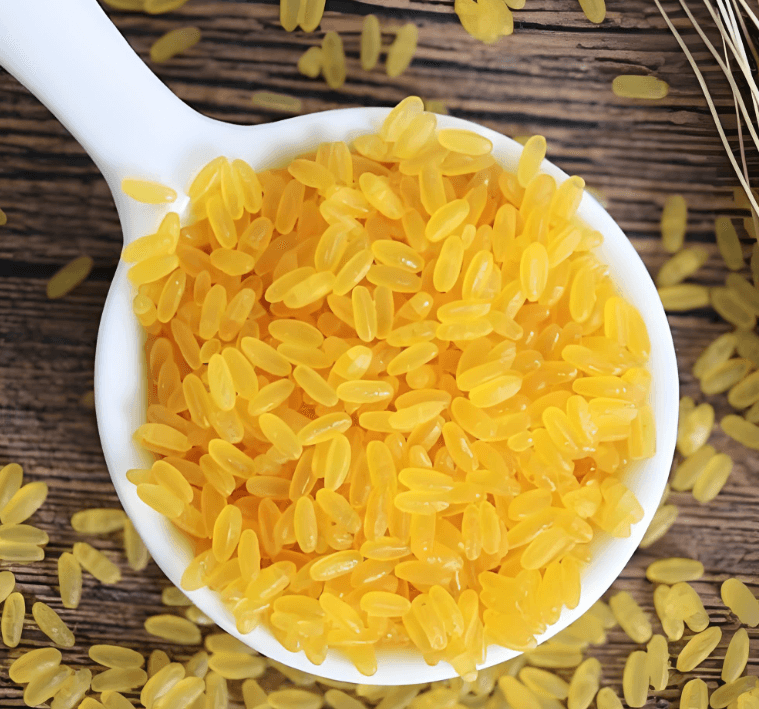
Nutritional rice, often referred to as fortified or enriched rice, represents a significant innovation in the global fight against malnutrition and micronutrient deficiencies. Unlike conventional white rice, which loses a substantial portion of its inherent vitamins and minerals during milling, nutritional rice is engineered to contain essential nutrients such as iron, zinc, vitamin A, vitamin B1 (thiamine), vitamin B3 (niacin), vitamin B6, vitamin B9 (folic acid), and vitamin B12. This paper provides an exhaustive examination of the complete processing technology involved in the production of nutritional rice, covering raw material selection, multiple fortification methodologies (coating, dusting, and extrusion), and final packaging. Furthermore, it delves with equal depth into the critical aspect of equipment maintenance, outlining detailed preventive, predictive, and corrective maintenance strategies for the core machinery used in each stage of production. The objective is to present a holistic guide that ensures not only the production of high-quality, consistent nutritional rice but also the longevity, reliability, and efficiency of the production line, thereby contributing to sustainable food security solutions.nutrition rice making machine

Table of Contents
- Introduction: The Imperative for Nutritional Rice
- Raw Materials and Preliminary Processing
- 2.1. Rice Selection: Base Rice and Rice Flour
- 2.2. Nutrient Premix: Composition and Quality Control
- 2.3. Cleaning and Conditioning of Raw Materials
- Core Fortification Technologies
- 3.1. Coating Technology
- 3.2. Dusting Technology
- 3.3. Extrusion Technology (The Most Prevalent Method)
- 3.3.1. Cold Extrusion
- 3.3.2. Hot Extrusion
- Detailed Breakdown of the Extrusion Processing Line
- 4.1. Pre-processing: Grinding and Mixing
- 4.2. The Extruder System: Screw, Barrel, and Die
- 4.3. Cutting and Forming
- 4.4. Drying and Cooling
- 4.5. Blending and Mixing with Natural Rice
- 4.6. Packaging and Storage
- Quality Assurance and Control in Nutritional Rice Production
- Section II: Comprehensive Equipment Maintenance Philosophy
- 6.1. The Importance of a Proactive Maintenance Regime
- Maintenance of Pre-processing Equipment
- 7.1. Cleaners, Destoners, and Graders
- 7.2. Rice Mill Maintenance (for producing rice flour)
- 7.3. Powder Mixers and Screw Conveyors
- Maintenance of the Extrusion System
- 8.1. Screw Configuration and Inspection
- 8.2. Barrel Maintenance and Wear Analysis
- 8.3. Die Plate Maintenance and Cleaning
- 8.4. Drive Motor and Gearbox Maintenance
- 8.5. Temperature Control Systems (Heaters/Coolers)
- Maintenance of Post-Extrusion Equipment
- 9.1. Dryer Maintenance: Airflow, Heaters, and Belts
- 9.2. Cooler Maintenance
- 9.3. Blending and Packaging Line Maintenance
- Predictive Maintenance Technologies: Vibration Analysis, Thermography, and Lubrication Management
- Conclusion: Synergizing Technology and Maintenance for Global Nutrition
1. Introduction: The Imperative for Nutritional Rice
Rice (Oryza sativa) is the staple food for over half of the world’s population, particularly in Asia, Africa, and Latin America. While it is an excellent source of energy due to its high carbohydrate content, conventional milled white rice is deficient in essential micronutrients. nutrition rice making machineThe milling and polishing process removes the aleurone layer and germ, which are rich in vitamins, minerals, and lipids, leaving behind the largely starchy endosperm. Consequently, populations with high rice consumption and low dietary diversity are prone to micronutrient deficiencies, a condition often termed “hidden hunger.”nutrition rice making machine
Deficiencies in iron, vitamin A, zinc, and B vitamins lead to severe public health consequences, including impaired cognitive development, increased susceptibility to infectious diseases, anemia, blindness, and in severe cases, death. The fortification of staple foods is widely recognized by the World Health Organization (WHO) and the Food and Agriculture Organization (FAO) as one of the most effective, scalable, and cost-efficient strategies to combat these deficiencies.
Nutritional rice is designed to address this challenge. It mimics the appearance, taste, and cooking properties of traditional rice while delivering a significant portion of the recommended daily allowance of key micronutrients. The technological challenge lies in successfully incorporating these nutrients in a form that is stable during storage, survives the cooking process, and does not alter the sensory attributes of the final cooked product. This requires sophisticated processing techniques and a deep understanding of food engineering, which is explored in the following sections.nutrition rice making machine
2. Raw Materials and Preliminary Processing
The quality of the final product is intrinsically linked to the quality of the raw materials. Therefore, stringent control at this initial stage is paramount.
2.1. Rice Selection: Base Rice and Rice Flour
Two types of rice are used:
- Base Rice (or Carrier Rice): This is the natural, unfortified rice with which the fortified kernels are blended. It is typically a well-milled, long-grain variety that is popular in the target market. It must be free of impurities, have a low percentage of broken kernels, and be of a consistent size to ensure uniform blending.
- Rice Flour: This is the primary raw material for producing the fortified kernels via extrusion. The flour is typically derived from broken rice kernels, which are a by-product of milling and are more cost-effective. The broken rice is milled into a fine powder with a consistent particle size (usually between 100-200 microns). The chemical composition of the flour (amylose vs. amylopectin ratio) affects the extrusion process and the texture of the final simulated rice kernel.nutrition rice making machine
2.2. Nutrient Premix: Composition and Quality Control
The nutrient premix is the heart of the fortification process. It is a custom-blended powder containing high concentrations of vitamins and minerals in specific ratios designed to meet the nutritional needs of the target population. Key considerations include:
- Bioavailability: The chemical form of the nutrient must be chosen for optimal absorption by the body (e.g., ferrous fumarate or sodium iron EDTA for iron).
- Stability: Nutrients must be protected from degradation due to heat, moisture, light, and oxidation during processing and storage. This often involves microencapsulation or using stabilized forms.
- Compatibility: Nutrients must not interact with each other or with the rice matrix in a way that causes discoloration, off-flavors, or nutrient loss (e.g., iron can catalyze the oxidation of vitamin A).
- Flowability: The premix must have good physical properties to ensure uniform distribution during mixing and extrusion.
- Supplier Certification: Premix must be sourced from reputable suppliers who adhere to Good Manufacturing Practices (GMP) and provide Certificates of Analysis (CoA).
2.3. Cleaning and Conditioning of Raw Materials
Both the base rice and the rice flour must undergo rigorous cleaning. The base rice passes through cleaners, destoners, and graders to remove dust, stones, husks, and other seeds. The rice flour, after milling, may be sifted to achieve the desired particle size and ensure no large granules remain. The moisture content of the rice flour is critical for extrusion and is often conditioned to a precise level (typically 12-14%) to achieve optimal rheological properties during processing.nutrition rice making machine
3. Core Fortification Technologies
There are three primary methods for producing nutritional rice, each with its own advantages and limitations.
3.1. Coating Technology
This method involves spraying a nutrient-rich solution or suspension onto the surface of polished rice grains in a rotating drum or fluidized bed coater. A subsequent coating of an edible film (e.g., corn starch, gum, or lipid-based layer) is often applied to seal the nutrients and prevent dusting off or oxidation.nutrition rice making machine
- Advantages: Lower capital investment; utilizes existing rice grains.
- Disadvantages: The coating can alter the taste and appearance of the rice; nutrients are susceptible to being washed off during rinsing or cooking (leaching); the added layers can change the cooking time and texture.
3.2. Dusting Technology
This simpler method involves blending a powdered nutrient premix directly with the rice. The powder adheres to the surface of the grains through electrostatic forces.
- Advantages: Very low cost and simple technology.
- Disadvantages: Extremely poor retention of nutrients, as the powder is easily abraded during handling, transportation, and rinsing before cooking. It is considered the least effective method.
3.3. Extrusion Technology (The Most Prevalent Method)
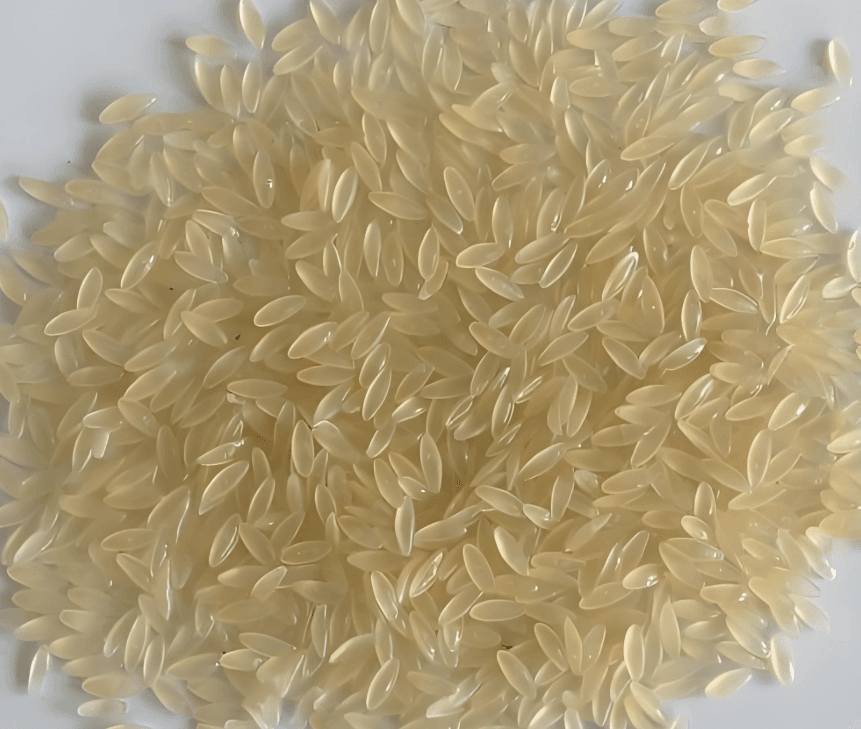
This is the most sophisticated and effective method for producing nutritional rice. It involves creating simulated rice kernels from rice flour, water, and the nutrient premix using an extruder. The resulting fortified kernels are then blended with natural rice at a typical ratio of 0.5% to 2% (1:100 to 1:50). Due to their similar size, density, and cooking properties, they are virtually indistinguishable from the natural rice after cooking. This method offers excellent nutrient retention and stability.nutrition rice making machine
3.3.1. Cold Extrusion
Cold extrusion, or forming, takes place at low temperatures (below 60°C). The rice flour, premix, and water are mixed into a dough, which is then forced through a die plate with rice-shaped holes. The soft extrudates are then cut to length and must be dried thoroughly in a multi-stage dryer to reduce their moisture content from ~30% to ~12% to achieve a stable, hard kernel. This process preserves heat-sensitive nutrients but requires significant energy for drying.
3.3.2. Hot Extrusion
Hot extrusion uses a twin-screw extruder, which provides high shear, pressure, and temperature (often above 100°C). The mechanical energy input cooks the dough, gelatinizing the starch. The product expands slightly as it exits the die due to the sudden pressure drop. Hot extrusion produces a more cooked and stable kernel, often requiring less downstream drying. However, the high temperatures can degrade certain extremely heat-sensitive nutrients (e.g., some forms of vitamin A and vitamin C), which must be accounted for in the premix formulation by using more stable forms or over-fortifying to compensate for expected losses.
4. Detailed Breakdown of the Extrusion Processing Line
This section focuses on the hot extrusion process, as it is the industry standard for high-volume, high-quality production.
4.1. Pre-processing: Grinding and Mixing
The broken rice is fed into a hammer mill or pin mill equipped with screens to produce flour of a consistent fineness. The flour is then transferred via pneumatic or mechanical conveyors to a batch mixer or a continuous mixer. Here, the rice flour and the nutrient premix are blended dry to ensure a homogeneous distribution before any liquid is added. This is a critical step; an uneven mix at this stage will result in inconsistent nutrient levels in the final product. The dry blend is then fed into the preconditioner of the extruder.
4.2. The Extruder System: Screw, Barrel, and Die
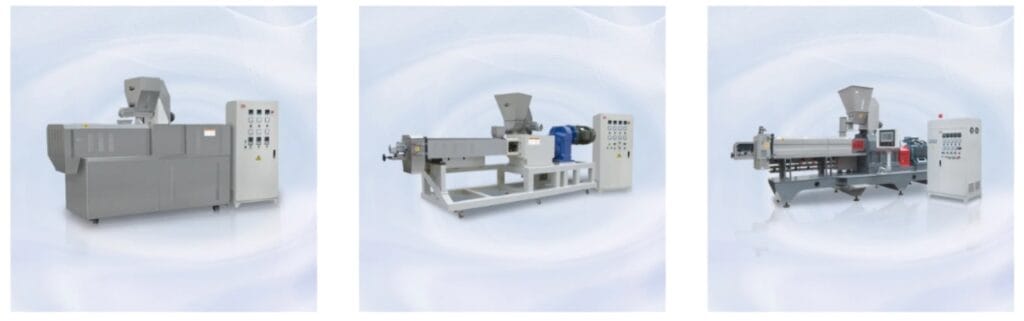
The twin-screw extruder is the core of the production line. It consists of:
- Preconditioner: A chamber where the dry blend is mixed with a precise amount of water and/or steam. This hydrates the flour and begins the gelatinization process, improving extruder efficiency and product uniformity.nutrition rice making machine
- Feeder: A loss-in-weight or volumetric feeder that consistently delivers the dry blend from the preconditioner into the extruder barrel at a controlled rate.
- Barrel: A long, hardened steel cylinder segmented into several blocks. Each block can be independently heated with electric heaters or cooled with water circulation to precisely control the temperature profile along the length of the barrel.
- Twin Screws: Two intermeshing, co-rotating screws that run the length of the barrel. The screws are configured from a series of elements (conveying elements, kneading blocks, reverse elements) that are slotted onto a shaft. This configuration dictates the degree of mixing, shear, pressure build-up, and residence time of the dough.
- Die Plate: A thick, hardened steel plate mounted at the end of the barrel. It contains precisely machined holes shaped like rice grains. The pressure built up by the screws forces the molten dough through these holes, forming the rice-shaped strands.
The process inside the barrel is a transformation from a powdery blend to a viscous, cooked dough. The mechanical energy from the screws and the thermal energy from the barrels work synergistically to gelatinize starch, denature proteins, and uniformly disperse the nutrient particles throughout the matrix.

4.3. Cutting and Forming
As the strands emerge from the die, a rotating knife cutter, positioned directly against the die face, slices them into pellets of the required length, approximating the size of a rice grain. The speed of the cutter is synchronized with the extrusion rate to ensure consistent kernel length.
4.4. Drying and Cooling
The extruded kernels, now formed but still soft and moist (~20-30% moisture), are conveyed to a multi-pass belt dryer. Drying is a delicate process: too fast and the kernels will crack; too slow and they can become moldy. Dryers use controlled hot air flow at gradually decreasing temperatures (e.g., from 80°C down to 40°C) to slowly and evenly reduce the moisture content to a safe level for storage (~10-12%). After drying, the kernels are hot and brittle. They are passed through a cooler, often a fluidized bed cooler, which uses ambient air to bring them down to room temperature, stabilizing them and preventing condensation in the packaging.
4.5. Blending and Mixing with Natural Rice
The cooled, fortified kernels are then blended with the polished base rice. This is typically done in a large, gentle batch mixer (e.g., a ribbon blender) to achieve a homogeneous blend without breaking the kernels. The blending ratio is precisely calculated, for example, 1 kg of fortified kernels to 99 kg of base rice for a 1:100 blend. Sophisticated inline sensors can sometimes be used to monitor the blend uniformity.
4.6. Packaging and Storage
The final blended rice is packaged into bags, typically using automated weighing and bagging machines. Packaging materials are crucial and often include multi-layer polypropylene or woven bags with liners to provide a barrier against moisture, oxygen, and light, which can degrade the nutrients. The bags are then palletized and stored in a cool, dry, and dark warehouse to maximize shelf-life.nutrition rice making machine
5. Quality Assurance and Control in Nutritional Rice Production
QA/QC is integrated into every step of the process.
- Incoming Raw Materials: Rice and premix are tested for moisture, microbiological load, purity, and nutrient content (for premix).
- In-process Controls: The moisture content of the flour and dough, the temperature profile in the extruder, the cutter speed, and the dryer temperatures are constantly monitored.
- Finished Product Testing: Samples of the final blended rice are tested for:
- Fortification Level: Using High-Performance Liquid Chromatography (HPLC) for vitamins and Atomic Absorption Spectroscopy (AAS) for minerals.
- Physical Properties: Kernel size, shape, breakage percentage, and color.
- Cooking Test: To ensure the fortified kernels cook at the same rate as the base rice and do not disintegrate or alter the taste, odor, or color of the cooked rice.
- Stability Studies: Accelerated shelf-life testing to ensure nutrient retention over the claimed product lifespan.
6. Section II: Comprehensive Equipment Maintenance Philosophy
The production of nutritional rice is a continuous, integrated process. The failure of a single critical machine can halt the entire line, leading to significant production losses, wasted raw materials, and potential spoilage of product in process. Therefore, a proactive, systematic approach to maintenance is not a cost center but a vital investment in reliability, product quality, and profitability.
6.1. The Importance of a Proactive Maintenance Regime
- Minimize Unplanned Downtime: Reactive maintenance (fixing things after they break) is the most expensive and disruptive form of maintenance.
- Ensure Product Consistency and Quality: Worn or misaligned equipment will produce off-spec product, leading to waste and potential recalls.
- Extend Equipment Lifespan: Regular care prevents the accelerated deterioration of expensive capital assets.
- Improve Safety: Well-maintained equipment is safer to operate, reducing the risk of accidents.
- Optimize Energy Consumption: Properly maintained motors, drives, and thermal systems operate more efficiently.
A modern maintenance strategy incorporates a blend of:
- Preventive Maintenance (PM): Time-based or usage-based scheduled tasks (inspections, lubrication, parts replacement).
- Predictive Maintenance (PdM): Using data from condition-monitoring tools (vibration, temperature, oil analysis) to predict failures before they occur.
- Corrective Maintenance: Necessary repairs after a failure is identified.
The following sections detail maintenance protocols for key equipment in the nutritional rice line.
7. Maintenance of Pre-processing Equipment
7.1. Cleaners, Destoners, and Graders
- Daily: Inspect screens and sieves for clogging or damage. Clean with compressed air or brushes. Check rubber balls or other screen cleaners for functionality. Inspect air aspiration systems for leaks and fan blades for wear. Check drive belts for tension and wear.
- Weekly: Lubricate bearings as per manufacturer’s specifications. Calibrate weighing and flow control systems. Inspect motors and drives for unusual noise or heat.
- Monthly: Perform a thorough inspection of all screens for holes or wear, replacing as necessary. Check the condition of rubber seals and gaskets. Calibrate vibration motors (if equipped).
7.2. Rice Mill Maintenance (for producing rice flour)
- Daily: Check the hammer mill/pin mill screens for integrity. A broken screen will allow oversized particles into the flour, disrupting the extrusion process. Listen for unusual noises from the hammers or pins, indicating wear or imbalance. Check the pneumatic conveying system for leaks and filter clogging.
- Weekly: Lubricate all bearings. Measure the motor amperage; a drop in amperage can indicate worn hammers/pins and reduced grinding efficiency. Inspect and tighten all fasteners, as vibration can loosen them.
- As Needed: Replace worn hammers, pins, and screens. Dynamic balancing of the rotor assembly should be performed after any component replacement to prevent excessive vibration.
7.3. Powder Mixers and Screw Conveyors
- Daily: Run the mixer empty and listen for sounds of scraping or binding, which could indicate a bent ribbon or paddle. For screw conveyors, check for material buildup and clean as necessary.
- After each batch/Between runs: For batch mixers, perform a full clean-out to prevent cross-contamination and material buildup, which can harbor pests or bacteria.
- Monthly: Inspect the seals on the mixer shaft for leaks. Check the alignment of motors and gearboxes. Lubricate bearings. For screw conveyors, check the flight wear, especially at the bottom of the trough.nutrition rice making machine
8. Maintenance of the Extrusion System
The extruder is the most complex and critical machine, demanding meticulous care.
8.1. Screw Configuration and Inspection
- During Operation: Monitor motor load (amperage) and pressure/torque. Abrupt changes can indicate a feed blockage, worn screws, or a worn barrel.
- After a Production Run (Shutdown): The most crucial task. Pull the screws from the barrel.
- Cleaning: Remove all residual dough while it is still warm using appropriate tools (brass scrapers, etc.) to avoid damaging the surface. Avoid thermal shock by letting the machine cool gradually before washing with water.
- Visual Inspection: Carefully examine each screw element for signs of wear. Pay special attention to the tips of the flight and the pushing side. Wear reduces conveying efficiency and product quality.
- Measurement: Use calipers to measure the outer diameter of the screw flights and the inner diameter of the barrel. Compare to original dimensions. Excessive clearance (typically > 1-2% of barrel diameter) leads to loss of output, poor mixing, and increased energy consumption. Worn elements must be replaced or rebuilt.
- Check for Damage: Look for cracks, pitting, or signs of corrosion.
8.2. Barrel Maintenance and Wear Analysis
- The barrel is inspected in conjunction with the screws. Wear is usually greatest in the high-pressure sections near the die.
- Use a bore gauge to measure the internal diameter of each barrel segment at multiple points to check for ovality or tapering.
- Inspect the liner (if it’s a lined barrel) for deep scratches or cracks. A badly worn barrel may need to be re-sleeved or replaced.
8.3. Die Plate Maintenance and Cleaning
- The die must be removed and cleaned immediately after shutdown while the material is still warm and soft.
- Soak the die in warm water or a approved food-grade solvent to dissolve residual starch and protein. Use soft brushes or ultrasonic cleaners to clean the holes. Never use metal picks or drills, as this will alter the hole geometry and affect product shape and quality.
- Inspect each hole for obstruction or erosion. A damaged die must be replaced.
8.4. Drive Motor and Gearbox Maintenance
- Daily: Check oil levels, temperatures, and for any leaks. Listen for unusual noises.
- As per OEM Schedule: The most critical task is regular oil analysis. A sample of the gearbox oil should be sent to a laboratory for analysis. The report can reveal:
- Wear Metals: High levels of iron, copper, or other metals indicate internal component wear.
- Contamination: The presence of water or silicon (dirt) signals a seal failure.
- Oil Condition: The total acid number (TAN) indicates the oil’s remaining useful life.
- Change oil and filters strictly according to the manufacturer’s recommendations or based on oil analysis results.
8.5. Temperature Control Systems (Heaters/Coolers)
- Daily: Check the performance of each barrel zone’s heater and cooler. A zone not reaching temperature could indicate a failed heater band, a faulty temperature sensor (thermocouple), or a problem with the PID controller in the control panel.
- Annually: Calibrate all thermocouples to ensure temperature readings are accurate. Inspect water cooling lines for scale buildup or leaks.
9. Maintenance of Post-Extrusion Equipment
9.1. Dryer Maintenance: Airflow, Heaters, and Belts
- Daily: Check the airflow across the belts. Reduced airflow is a common cause of inefficient drying and often points to clogged filters. Clean or replace intake and exhaust air filters. Inspect the dryer belts for wear, misalignment, or damage. Listen for bearing noises in the fan motors.
- Weekly: Lubricate fan and conveyor motor bearings. Inspect and clean the heater banks and elements for dust buildup, which is a fire hazard and reduces efficiency.
- Monthly: Check the tension of all drive belts. Calibrate temperature sensors within the dryer chambers.nutrition rice making machine
9.2. Cooler Maintenance
- Similar to the dryer, focus on airflow and conveyor belts. Ensure the screens on fluidized bed coolers are clean and intact.
9.3. Blending and Packaging Line Maintenance
- Blender (Ribbon Blender): After each batch, clean thoroughly. Regularly inspect the ribbon for wear and clearances between the ribbon and the shell. Lubricate seals and bearings.
- Packaging Scales: Daily calibration checks using certified weights is mandatory to ensure fill weight accuracy and compliance with regulations. Clean dust from load cells.
- Bagging Machines: Daily inspection of jaws, valves, and pneumatic systems. Check for leaks.
10. Predictive Maintenance Technologies: Vibration Analysis, Thermography, and Lubrication Management
Moving beyond scheduled PM, predictive technologies offer a deeper insight into machine health.
- Vibration Analysis: Portable vibration analyzers are used to collect data from bearings on critical equipment (extruder drive, large motors, fans, conveyors). The frequency spectrum of the vibration can pinpoint specific faults like imbalance, misalignment, rolling element bearing defects, or gear teeth wear long before they cause failure.
- Thermography (Infrared Imaging): An IR camera can detect hot spots on electrical panels (loose connections), overheated motor windings, and insulation failures in dryers, preventing electrical fires and motor failures.
- Ultrasonic Monitoring: Useful for detecting air leaks in pneumatic systems and early-stage bearing failures.
- Centralized Lubrication Management: An automated system that ensures the right amount of the right lubricant is delivered to each bearing at the right time, eliminating human error and under/over-lubrication.
The production of nutritional rice is a powerful example of food engineering applied to a pressing global health challenge. The extrusion-based technology enables the creation of a fortified food that is both effective and culturally acceptable. However, the sophistication of this technology demands an equally sophisticated approach to equipment management.
A successful nutritional rice operation is built on two pillars: a deep understanding of the food science and process engineering involved, and an unwavering commitment to a comprehensive, proactive maintenance culture. These two pillars are not independent; they are synergistic. A well-maintained extruder produces consistent, high-quality kernels. A well-maintained dryer ensures product stability and safety. A well-maintained blender guarantees uniform nutrient distribution.
Investing in advanced predictive maintenance tools and training dedicated maintenance personnel is not merely an operational expense. It is a strategic decision that safeguards product quality, ensures supply chain reliability for vital nutrition programs, protects capital investment, and ultimately, maximizes the positive impact on public health. nutrition rice making machineBy mastering both the art of production and the science of maintenance, the food industry can reliably deliver on the promise of nutritional rice to help eliminate hidden hunger for millions around the world.
Leave A Comment