
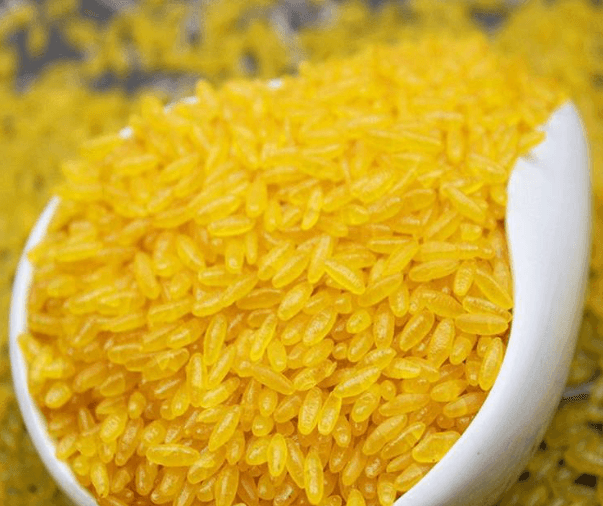
- Introduction
Fortified rice refers to rice that has been enriched with essential vitamins and minerals to address nutritional deficiencies in populations where rice is a staple food. It can be classified based on various factors, including the production method, type of nutrients added, and target consumer group. This article provides a systematic classification of fortified rice. - Classification Based on Production Method
2.1. Coated Fortified Rice
Description: Nutrients are applied as a coating on the surface of the rice grains using a binding agent.
Process: A nutrient solution is sprayed onto the rice, followed by drying to stabilize the coating.
Advantages: Simple production process, cost-effective.
Disadvantages: Potential nutrient loss during washing or cooking.
2.2. Extruded Fortified Rice
Description: Fortified rice kernels are produced using extrusion technology and blended with regular rice.
Process: Rice flour is mixed with nutrients, extruded into grain-like shapes, dried, and blended with natural rice (typically at a 1:100 ratio).
Advantages: Better nutrient retention during washing and cooking; kernels resemble natural rice in appearance and texture.
Disadvantages: Higher production costs and more complex technology.
2.3. Dusted Fortified Rice
Description: Nutrients in powder form are adhered to the rice surface using electrostatic or adhesive methods.
Process: Nutrient powder is mixed with rice grains, and a gentle adhesive ensures temporary attachment.
Advantages: Quick and inexpensive method.
Disadvantages: High susceptibility to nutrient loss during handling, washing, or storage.
- Classification Based on Nutrients Added
3.1. Single-Nutrient Fortified Rice
Description: Enriched with one specific micronutrient.
Examples:
Iron-Fortified Rice: Targets iron deficiency anemia.
Vitamin A-Fortified Rice: Addresses vitamin A deficiency, which affects vision and immunity.
Folic Acid-Fortified Rice: Supports prenatal health and reduces neural tube defects.
3.2. Multi-Nutrient Fortified Rice
Description: Contains a combination of vitamins and minerals.
Examples:
Rice Fortified with Iron + Zinc + Vitamin A: Combats multiple deficiencies simultaneously.
B-Vitamin Complex Fortified Rice: Includes thiamine, niacin, vitamin B6, and vitamin B12.
3.3. Comprehensive Fortified Rice
Description: Designed to provide a broad spectrum of micronutrients.
Examples: Rice fortified with iron, zinc, vitamin A, folic acid, and other B vitamins. Often used in large-scale public health programs.
- Classification Based on Target Consumer Group
4.1. General Population Fortified Rice
Description: Aimed at addressing widespread micronutrient deficiencies in the general public.
Examples: Fortified rice distributed through government programs or commercial markets.
4.2. Specialized Fortified Rice
Description: Tailored for specific demographic or health groups.
Examples:
Children’s Fortified Rice: Enhanced with nutrients critical for growth and development, such as iron, zinc, and vitamin A.
Maternal Fortified Rice: Enriched with folic acid, iron, and calcium to support pregnant and lactating women.
Elderly Fortified Rice: Includes vitamin D, calcium, and B vitamins to address age-related nutritional needs.
- Classification Based of Physical Form
5.1. Blended Fortified Rice
Description: Fortified kernels (produced via extrusion) are mixed with regular rice.
Appearance: The blend resembles traditional rice, with fortified kernels visually similar to natural grains.
5.2. Fully Reconstituted Fortified Rice
Description: The entire rice batch is uniformly fortified during processing, such as in parboiled fortified rice.
Appearance: All grains are consistently enriched, with no visible difference between kernels.
- Challenges and Considerations
Nutrient Stability: Ensuring vitamins and minerals remain effective during storage, washing, and cooking.
Consumer Acceptance: The product must match regular rice in taste, texture, and appearance.
Regulatory Standards: Compliance with national and international guidelines on fortification levels and safety.

Leave A Comment