
Beyond Sustenance: A Comprehensive Analysis of Fortified Rice’s Nutritional Superiority and Its Fundamental Differences from Ordinary Rice
Abstract
Rice is the caloric cornerstone for over half the global population, yet its predominant consumed form—milled white rice—is a significant contributor to the hidden hunger of micronutrient deficiencies. This article presents an exhaustive examination of fortified rice as a strategic public health solution. It delves into the profound nutritional distinctions between fortified and ordinary rice, moving beyond a simple comparison to explore the historical context, the science of nutrient loss and restoration, the sophisticated technologies behind fortification, the measurable impacts on human health, and the socio-economic implications of this intervention. By analyzing the biochemical, technological, and physiological facets of this divide, this paper argues that fortified rice is not merely an enhanced food product but an essential tool for achieving global nutritional security and unlocking human potential.Fortified rice making machine.
Table of Contents
- Introduction: The Global Paradox of Rice
- The Invisible Void: The Micronutrient Deficiency in Ordinary Rice
- The Science of Restoration: What is Fortified Rice?
- A Tale of Two Grains: Detailed Nutritional Comparison
- The Alchemy of Enhancement: Technological Processes of Fortification
- From Bowl to Biology: Bioavailability and Health Impact
- Sensory Perception: Taste, Appearance, and Culinary Properties
- Economic and Public Health Calculus: Cost versus Benefit
- Global Landscape: Policies, Programs, and Real-World Implementation
- Addressing the Critics: Limitations and Considerations
- The Future Plate: Innovations and the Road Ahead
- Conclusion: Making an Informed Choice for Health and Development
1. Introduction: The Global Paradox of Rice
Rice (Oryza sativa) is synonymous with life and sustenance across vast swathes of Asia, Africa, and Latin America. It is the primary source of dietary energy for more than 3.5 billion people, a cultural touchstone, and an economic linchpin. However, this very ubiquity masks a profound and damaging public health paradox. The rice that feeds the world is also, in its most commonly consumed form, nutritionally incomplete.Fortified rice making machine.
The process that makes white rice appealing—milling and polishing—is the same process that renders it a poor source of essential vitamins and minerals. This has created a phenomenon known as “hidden hunger,” where individuals consume sufficient calories but remain deficient in critical micronutrients. The consequences are severe: impaired cognitive development in children, reduced immune function, decreased work productivity in adults, and increased maternal and child mortality.
Fortified rice emerges as a direct, pragmatic, and powerful response to this crisis. It represents a convergence of food science, public health policy, and nutritional economics, designed to rectify the inherent nutritional shortcomings of the world’s most important staple food without requiring a change in dietary habits. This article explores the multifaceted dimensions of this solution, providing a deep dive into how a simple technological intervention can transform a grain of sustenance into a vehicle for health and development.Fortified rice making machine.
2. The Invisible Void: The Micronutrient Deficiency in Ordinary Rice
To understand the value of fortified rice, one must first appreciate the nutritional poverty of ordinary milled white rice.
The Journey from Paddy to Plate:
A rice paddy yields rough rice or paddy rice, enclosed in a protective hull. This hull is removed to produce brown rice. Brown rice is a whole grain, comprising the:
- Bran: The fiber-rich outer layer, packed with B-vitamins, minerals, and antioxidants.
- Germ: The nutrient-dense core, containing B-vitamins, protein, healthy fats, and minerals.
- Endosperm: The largest portion, primarily composed of carbohydrates (starch) and a small amount of protein.
While brown rice is nutritionally superior, it has a shorter shelf life (due to the oils in the germ that can become rancid) and a chewier texture, making it less popular in many cultures. To create white rice, the bran and germ are mechanically stripped away through milling and polishing, leaving behind the largely starchy endosperm.Fortified rice making machine.
The Nutritional Consequences:
This refining process results in catastrophic nutrient losses:
- Thiamine (B1): ~80% loss
- Niacin (B3): ~70% loss
- Vitamin B6: ~90% loss
- Riboflavin (B2): ~60% loss
- Folate: ~60% loss
- Vitamin E: Nearly 100% loss
- Iron: ~70% loss
- Zinc: ~60% loss
- Magnesium and Phosphorus: ~70% loss
- Dietary Fiber: Nearly 100% loss
What remains is a energy-dense but nutrient-poor food. A diet heavily reliant on this form of rice is a primary driver of deficiencies in iron, zinc, vitamin A, and B vitamins, leading to anemia, stunted growth, blindness, and birth defects. It fills the stomach but starves the body of the essential tools it needs to function, grow, and thrive.Fortified rice making machine.
3. The Science of Restoration: What is Fortified Rice?
Fortified rice is ordinary rice that has been deliberately enhanced with specific micronutrients to restore its lost nutritional value and address public health needs. It is not a genetically modified organism (GMO); it is a product of post-harvest food technology.
The core principle is to add a precise blend of vitamins and minerals—a “premix”—to the rice. The composition of this premix is not arbitrary. It is carefully formulated based on:
- Epidemiological Data: The specific nutrient deficiencies prevalent in the target population (e.g., high anemia rates may dictate a higher iron dose).
- Dietary Consumption Patterns: The average daily intake of rice to ensure the fortified portion provides a significant percentage (e.g., 30-50%) of the Estimated Average Requirement (EAR) or Recommended Dietary Allowance (RDA).
- Bioavailability: The use of nutrient compounds that are easily absorbed by the body and do not interact negatively with each other.
- Stability and Organoleptic Properties: Selecting forms of nutrients that remain stable during storage and cooking and do not alter the taste, color, or smell of the rice.Fortified rice making machine.
A standard fortification premix often includes:
- Iron: (e.g., Ferric Pyrophosphate, Sodium Iron EDTA) to combat anemia.
- Zinc: (e.g., Zinc Oxide) to support immune function and growth.
- Folic Acid: to prevent neural tube defects and support cell growth.
- Vitamin A: (e.g., Retinyl Palmitate) to prevent blindness and support immunity.
- Thiamine (B1), Riboflavin (B2), Niacin (B3), Vitamin B12: to restore the B-vitamin complex lost in milling.
4. A Tale of Two Grains: Detailed Nutritional Comparison
The following table provides a stark, quantitative illustration of the dramatic nutritional divide between ordinary and fortified rice. The values for fortified rice are representative and can vary based on national standards and manufacturer formulations.
Nutritional Composition per 100g of Uncooked Rice
| Nutrient | Ordinary White Rice | Fortified Rice (Typical) | % Increase | Health Significance of the Difference |
|---|---|---|---|---|
| Energy (kcal) | 365 | 365 | 0% | No difference in caloric content. |
| Carbohydrates (g) | 80 | 80 | 0% | No difference in primary energy source. |
| Protein (g) | 7 | 7 | 0% | No significant difference in protein content. |
| Fat (g) | 0.5 | 0.5 | 0% | No difference. |
| Iron (mg) | 0.8 | 9.0 – 14.0 | +1025% to +1650% | Profound. Addresses iron-deficiency anemia, improving oxygen transport, cognitive function, and work capacity. |
| Zinc (mg) | 1.2 | 4.0 – 8.0 | +233% to +567% | Significant. Crucial for immune response, DNA synthesis, and childhood growth. Reduces incidence of diarrhea and pneumonia. |
| Folic Acid (μg) | 8 | 150 – 300 | +1775% to +3650% | Transformative. Prevents devastating neural tube defects (e.g., spina bifida) in newborns. Reduces risk of heart disease and anemia. |
| Vitamin A (μg RE) | 0 | 150 – 300 | Infinite | Fundamental. Prevents xerophthalmia and blindness. Critical for immune cell function and integrity of epithelial barriers. |
| Thiamine – B1 (mg) | 0.07 | 0.7 – 1.2 | +900% to +1600% | Critical. Prevents beriberi, a disease affecting the nervous and cardiovascular systems. Essential for energy metabolism. |
| Riboflavin – B2 (mg) | 0.02 | 0.4 – 0.7 | +1900% to +3400% | Essential. Supports energy production, cellular function, and metabolism of fats and drugs. |
| Niacin – B3 (mg) | 1.8 | 8.0 – 12.0 | +344% to +567% | Vital. Prevents pellagra (characterized by dermatitis, diarrhea, dementia). Key for energy metabolism and DNA repair. |
| Vitamin B12 (μg) | 0 | 0.7 – 1.4 | Infinite | Important. Especially for vulnerable groups. Prevents megaloblastic anemia and neurological damage. |
Analysis of the Difference:
The table reveals that the difference is exclusively micronutritional. The macronutrient profile remains identical, meaning fortified rice provides the same familiar energy source. However, it is the added micronutrients that transform its public health value. The percentages are not marginal; they are monumental. Fortified rice does not just offer “a little more” iron; it delivers over ten times the amount, directly targeting a deficiency that affects billions.
5. The Alchemy of Enhancement: Technological Processes of Fortification
Simply coating rice with a vitamin powder is ineffective, as the nutrients would wash off during rinsing and cooking. The technology behind fortification is sophisticated and designed for maximum nutrient retention. The primary methods are:
1. Dusting (Coating):
The simplest method, where a nutrient powder is mixed with an adhesive agent (like gum or wax) and applied to the surface of rice grains.Fortified rice making machine.
- Advantage: Low cost.
- Disadvantage: Very poor retention. Nutrients are easily lost in water during washing and cooking (leaching), making it an inefficient and largely outdated method.
2. Hot Extrusion (The Kernel Method – Most Common):
This is the gold standard for large-scale production.
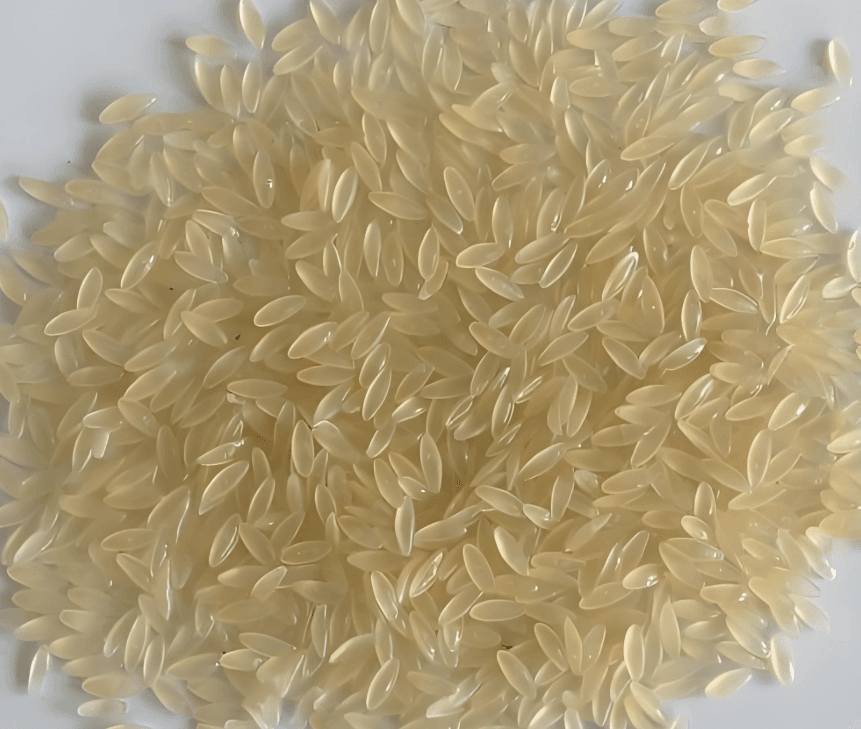
- Process: Rice flour is pulverized and mixed with the precise vitamin-mineral premix, water, and a binder to form a dough. This dough is then subjected to heat and pressure in an extruder machine, which forces it through a die that shapes it into grains that perfectly mimic the size and shape of local rice varieties. These artificial “fortified kernels” are then dried and cooled.
- Blending: These dense, nutrient-packed kernels are blended with regular white rice at a very low ratio, typically between 1:100 and 1:200 (e.g., 1 kg of kernels for every 100 kg of ordinary rice).
- Advantage: Excellent nutrient retention. The vitamins and minerals are encapsulated within the kernel matrix, protecting them from heat, light, moisture, and leaching during washing and cooking. Losses are minimal (<5-10% for most nutrients). The kernels are engineered to have the same cooking time and texture as the surrounding rice.Fortified rice making machine.
3. Cold Extrusion:
Similar to hot extrusion but performed at lower temperatures, which can be beneficial for heat-sensitive nutrients like Vitamin A. It may require different binding agents.
4. Biofortification: A Complementary Approach
It is crucial to distinguish fortification from biofortification. While both aim to increase nutrient content, biofortification achieves this through agronomic practices, conventional plant breeding, or genetic engineering to enhance the nutrient profile of the rice plant itself (e.g., Golden Rice for beta-carotene, high-zinc rice varieties). Fortification is a post-harvest process. The two strategies are complementary, not competing.
6. From Bowl to Biology: Bioavailability and Health Impact
A nutrient is only beneficial if the human body can absorb and utilize it—a property known as bioavailability. A key challenge in fortification is ensuring the added nutrients are bioavailable.
- Iron: Different iron compounds have varying bioavailability. Ferrous sulfate is highly bioavailable but can cause taste and color changes. Ferric pyrophosphate is more stable and neutral but less absorbable. A breakthrough was the use of Sodium Iron EDTA, which enhances the absorption of iron itself and even of zinc from the same meal.
- Vitamin A: Fat-soluble Vitamin A requires dietary fat for absorption. Encouraging the consumption of fortified rice with even small amounts of fat-containing foods (e.g., vegetables cooked in oil, lentils) ensures proper uptake.
- Antinutrients: Compounds like phytates in plant-based diets can inhibit the absorption of minerals like iron and zinc. Strategies include using EDTA-bound iron or promoting food preparation techniques that reduce phytate levels.Fortified rice making machine.
Measurable Health Impacts:
Numerous studies have demonstrated the efficacy of fortified rice:
- Anemia Reduction: A two-year study of Indian schoolchildren consuming iron-fortified rice showed a significant increase in hemoglobin levels and a greater than 10% reduction in anemia prevalence.
- Improved Micronutrient Status: Research in the Philippines and Thailand confirmed improved serum ferritin (iron stores), zinc, and vitamin A levels in populations consuming fortified rice.
- Functional Benefits: Beyond blood biomarkers, studies link fortified rice consumption to improved cognitive test scores in children and reduced duration of diarrheal illnesses, thanks to improved zinc and vitamin A status.
The Copenhagen Consensus, a panel of Nobel laureate economists, consistently ranks micronutrient fortification as one of the most cost-effective development investments, with a return of up to $30 for every $1 spent due to averted healthcare costs and improved productivity.

7. Sensory Perception: Taste, Appearance, and Culinary Properties
Consumer acceptance is paramount. If the rice looks, smells, cooks, or tastes different, it will be rejected.
- Color: High-quality extrusion technology ensures the fortified kernels are virtually indistinguishable from natural rice grains. Any potential discoloration from iron compounds is mitigated by using optimized forms and low blending ratios.
- Taste and Odor: Advanced nutrient compounds and encapsulation techniques prevent metallic or off-tastes. Blind sensory evaluations consistently show that consumers cannot differentiate between cooked fortified and ordinary rice.
- Texture and Cooking: The kernels are engineered to have the same cooking time and texture profile (e.g., stickiness, fluffiness) as the natural rice they are blended with. They should not remain hard or become mushy.
This “invisibility” is the key to its success as a public health tool, as it requires no change in consumer behavior or culinary traditions.
8. Economic and Public Health Calculus: Cost versus Benefit
Added Cost: The fortification process adds a marginal cost to rice production, typically estimated at 2-5% of the retail price. This might translate to an extra dollar or two per 20kg bag.
Economic Benefit: The cost of not fortifying is astronomically higher. Micronutrient deficiencies lead to:
- Increased healthcare costs for treating anemia, infections, and birth complications.
- Lost economic productivity due to reduced work capacity from anemia and illness.
- Irreversible losses in human capital from impaired cognitive development in children.
The benefit-cost ratio of rice fortification is overwhelmingly positive, making it a sound investment for governments and a minor expense for a major health gain for consumers.Fortified rice making machine.
9. Global Landscape: Policies, Programs, and Real-World Implementation
Countries adopt either mandatory (e.g., Philippines, Panama, Costa Rica) or voluntary fortification standards. Major drivers include:

- World Food Programme (WFP): A massive procurer of fortified rice for refugee and school feeding programs.
- National Governments: Implementing programs through public distribution systems (PDS) and social safety nets.
- Organizations: UNICEF, GAIN, and FFI provide technical assistance and advocacy.
10. Addressing the Critics: Limitations and Considerations
Fortification is not a silver bullet. Critics rightly note:
- It should not replace efforts to promote diverse, healthy diets.
- Reaching the poorest who buy in informal markets is challenging.
- Strict quality control and monitoring are needed to ensure compliance.
These are valid concerns, but they argue for improving and integrating fortification into a broader nutrition strategy, not for abandoning it.
11. The Future Plate: Innovations and the Road Ahead
The future includes:
- Improved Nutrient Forms: More bioavailable and stable compounds.
- Multi-Fortification: Combining with other fortified staples.
- Smart Packaging: Using QR codes for traceability and consumer education.
- Synergy with Biofortification: Creating even more nutritious rice varieties.
12. Conclusion: Making an Informed Choice for Health and Development
The difference between ordinary and fortified rice is the difference between filling stomachs and nourishing bodies. It is a difference measured in cognitive potential, immune resilience, and lives saved. Ordinary rice provides energy for today; fortified rice builds a healthier population for tomorrow. By understanding this critical nutritional upgrade, consumers, policymakers, and industry leaders can make informed choices that transcend personal preference and contribute to a global movement to eradicate hidden hunger for good. The fortified grain, though visually identical, is a profound upgrade, representing a commitment to health, equity, and the full realization of human potential.Fortified rice making machine.
Leave A Comment