
A Holistic Framework for Enhancing the Quality of Commercial Cat Food: From Ingredient Sourcing to Feline Well-being
The commercial cat food industry represents a multi-billion dollar global enterprise, underpinned by the profound emotional bond between humans and their feline companions. cat food making machine As cats have transitioned from utilitarian pest controllers to cherished family members, consumer expectations for their nutrition have evolved dramatically. The modern pet parent is increasingly discerning, seeking products that not only satisfy hunger but also promote optimal health, longevity, and quality of life. cat food making machine This paradigm shift demands a concurrent evolution in the quality standards of cat food. Quality is no longer a simplistic measure of protein percentage or the absence of contaminants; it is a multifaceted concept encompassing ingredient sourcing and integrity, nutritional adequacy and bioavailability, safety protocols, palatability, digestibility, and the positive impact on specific physiological outcomes.
This article provides an exhaustive examination of the strategies and innovations required to elevate the quality of cat food across the entire production chain. We will delve into the fundamental biological imperatives of the obligate carnivore, the critical assessment of raw materials, the transformative effects of processing technologies,cat food making machine the rigorous application of quality assurance and safety standards, and the emerging frontiers of personalized nutrition and sustainability. By adopting a holistic, science-led, and transparent approach, manufacturers can move beyond mere compliance with regulatory minima to create products that truly honor the biological needs of the feline species and earn the trust of an increasingly knowledgeable consumer base.
1. Introduction: The Evolving Definition of Quality in Feline Nutrition
The domestic cat (Felis catus) is an obligate carnivore, a physiological status honed over millions of years of evolution. Unlike omnivorous dogs or humans, cats possess a metabolic and digestive architecture that is strictly dependent on nutrients found primarily in animal tissue. This biological reality forms the non-negotiable foundation upon which all high-quality cat food must be built. Key physiological traits include:
- Taurine Requirement: Cats cannot synthesize sufficient taurine, an essential amino acid found almost exclusively in meat. Deficiency leads to irreversible blindness and heart failure.
- Arachidonic Acid Need: This essential fatty acid must be obtained from animal sources.
- Nitrogen Balance: Cats have a high and constant demand for protein and utilize it for energy; they lack the metabolic flexibility to thrive on low-protein, high-carbohydrate diets.
- Vitamin A and D: They cannot convert plant-based beta-carotene to vitamin A efficiently and must obtain pre-formed vitamin A (retinol) and vitamin D from animal tissues.
Historically, the primary goal of commercial cat food was to provide a nutritionally complete and shelf-stable product at an affordable price. “Quality” was often defined by the absence of negative attributes—free from pathogens, toxins, and nutrient deficiencies. Today, cat food making machine the definition has expanded exponentially. The contemporary concept of quality includes:
- Ingredient Quality: The source, freshness, and bioavailability of ingredients, with a preference for named, whole-food sources.
- Nutritional Bioavailability: Not just the presence of nutrients on a lab report, but their actual absorbability and usability by the cat’s body.
- Functional Benefits: The ability of the food to support specific health outcomes beyond basic survival, such as healthy skin and coat, urinary tract health, immune function, and cognitive health.
- Safety and Transparency: A verifiable chain of custody for ingredients, rigorous testing for contaminants, and clear, honest labeling.
- Palatability and Digestibility: The food must be eagerly consumed and efficiently utilized, minimizing waste and supporting gastrointestinal health.
- Ethical and Sustainable Sourcing: Considerations for animal welfare, environmental impact, and corporate responsibility.
This comprehensive framework necessitates a multi-pronged strategy for improvement,cat food making machine which we will explore in detail.
2. The Cornerstone of Quality: Superior Ingredient Selection and Sourcing
The adage “you are what you eat” is as true for cats as it is for humans. The nutritional value of the final product is fundamentally constrained by the quality of its raw materials.
2.1. The Protein Paramountcy
Protein is the cornerstone of feline nutrition. cat food making machine Improving its quality involves several layers of scrutiny:
- Source and Specified Meals: Moving away from generic, non-specific ingredients like “poultry by-product meal” to named, high-quality sources such as “deboned chicken,” “salmon meal,” or “lamb liver.” Specified meals (e.g., “chicken meal” vs. “poultry meal”) indicate a more consistent and traceable nutrient profile. The ideal is to use muscle meats and organs from animals fit for human consumption, ensuring higher quality control from the outset.
- Fresh vs. Rendered Ingredients: The inclusion of fresh or frozen meats adds palatability and moisture, but they are largely composed of water. Rendered meals (e.g., chicken meal) are concentrated protein sources, providing a dense nutrient payload. A high-quality diet often skillfully balances both to achieve optimal protein levels and taste.
- Biological Value (BV) and Amino Acid Profile: The BV of a protein measures how efficiently it can be used for growth and maintenance. Eggs, for instance, have a very high BV. A high-quality cat food will formulate based on amino acid profiles, ensuring adequate levels of all essential amino acids, especially taurine, methionine, and cysteine. Combining complementary protein sources can create a more robust overall amino acid profile.
2.2. Fats and Oils: Beyond Energy
Fats are a concentrated energy source and carriers for fat-soluble vitamins, but their quality is critical.
- Source-Specific Fats: Named fats, such as “chicken fat” or “salmon oil,” are preferable to generic “animal fat.” They offer more predictable fatty acid profiles.
- The Omega-6 to Omega-3 Ratio: While both are essential, the modern feline diet often skews heavily towards pro-inflammatory omega-6 fatty acids. High-quality foods deliberately incorporate omega-3 sources like fish oil (rich in EPA and DHA) or flaxseed oil (providing ALA, which cats convert poorly but is still beneficial) to achieve a more balanced ratio, ideally between 5:1 and 10:1, to support skin, coat, joint, and cognitive health.
- Preservation and Stability: Fats are highly susceptible to rancidity (oxidation), which destroys nutrients and creates harmful free radicals. The use of natural preservatives like mixed tocopherols (a form of Vitamin E) and rosemary extract, coupled with packaging that protects from light and oxygen, is a hallmark of a quality-conscious manufacturer.
2.3. Carbohydrates: Context and Controversy
As obligate carnivores, cats have no biological requirement for carbohydrates. However, they are a common ingredient in dry food (kibble) for functional reasons: they provide starch necessary for the extrusion process, act as a binder, and are a cost-effective energy source. cat food making machine The quality issue revolves around type, quantity, and processing.
- Quality over Quantity: A high-quality diet minimizes carbohydrate content, aligning with a cat’s natural, protein-centric metabolism. High carbohydrate levels are linked to obesity and diabetes in susceptible individuals.
- Selecting Intelligent Carbohydrates: When carbohydrates are used, preference should be given to whole, digestible, and nutrient-dense options like whole oats, brown rice, or sweet potatoes over highly refined flours, corn, or wheat, which may offer little beyond empty calories and potential allergens for some cats.
- Prebiotic Fibers: The inclusion of fermentable fibers like beet pulp (in moderation), chicory root, or fructooligosaccharides (FOS) can serve as prebiotics, nourishing beneficial gut bacteria and promoting a healthy microbiome and firm stools.
2.4. Vitamin and Mineral Premixes: The Devil in the Details
While whole foods provide a matrix of nutrients, commercial diets require vitamin and mineral premixes to ensure completeness and balance.
- Chelated Minerals: Also known as proteinates, chelated minerals (e.g., zinc proteinate, iron proteinate) are bound to amino acids, which significantly enhances their bioavailability compared to their inorganic counterparts (e.g., zinc oxide, ferrous sulfate). This means lower inclusion rates are needed, and there is less waste and gastrointestinal irritation.
- Natural vs. Synthetic Vitamins: There is a growing consumer preference for vitamins derived from natural sources (e.g., vitamin E from mixed tocopherols) rather than synthetic versions. While both can be effective, natural sources often come with co-factors that may enhance their activity.
3. The Art and Science of Processing: Preserving Nutrients and Ensuring Safety
The method of transforming raw ingredients into a finished product profoundly impacts its nutritional quality, safety, and palatability.
3.1. Dry Food (Kibble) Extrusion
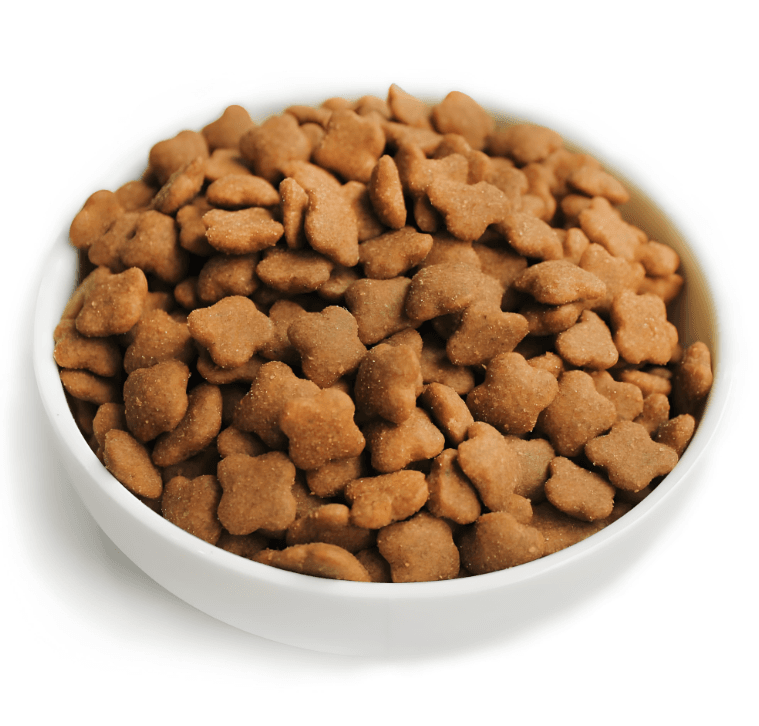
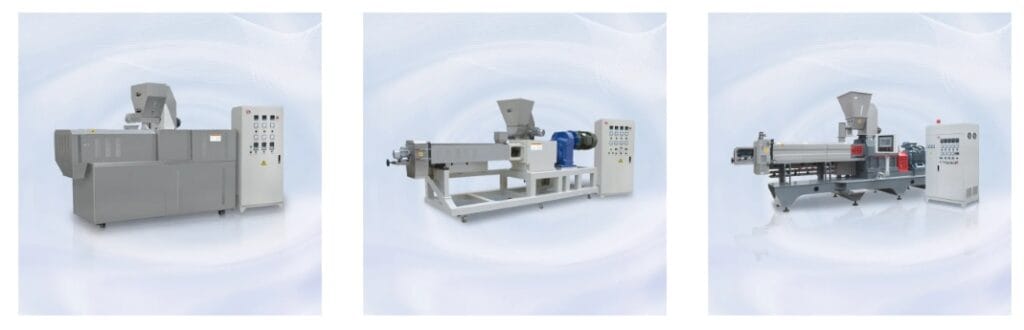
Extrusion is a high-heat, high-pressure process that cooks the ingredients rapidly.
- Optimizing the Process: Precise control over temperature, pressure, moisture, and screw speed is vital. Over-processing can destroy heat-sensitive nutrients (e.g., certain vitamins, amino acids like taurine and lysine) and reduce protein bioavailability. Post-extrusion, the kibble is typically coated with a palatant enhancer and a “fat spray” to replenish fats and oils damaged by the heat.
- Starch Gelatinization: The process gelatinizes starch, making it digestible, but the high temperatures can also create advanced glycation end products (AGEs), which have been implicated in chronic inflammation and aging. Minimizing carbohydrate content inherently reduces AGE formation.
3.2. Wet Food (Canned, Pouches, Trays)
Wet food processing generally involves less heat than extrusion.
- Retorting: This is a sterilization process where sealed cans or pouches are heated to high temperatures under pressure to destroy all microorganisms. While effective for safety, it can still degrade some heat-labile nutrients.
- The Moisture Advantage: The high moisture content (70-80%) of wet food is highly beneficial for cats, who have a low thirst drive and are prone to chronic dehydration and associated conditions like kidney disease and feline lower urinary tract disease (FLUTD). High-quality wet foods prioritize animal-based protein and minimize carbohydrate-based thickeners and gums.
3.3. Emerging and Alternative Processing Technologies
To better preserve nutrient integrity, several advanced technologies are being adopted:
- Freeze-Drying: This process involves freezing the product and then placing it in a vacuum, allowing the frozen water to sublimate directly from solid to gas. It preserves the raw structure and nutrients of the ingredients exceptionally well without the use of high heat. The result is a shelf-stable, lightweight product that is highly palatable and digestible.
- Gentle Cooking (Low-Temperature Rendering): Some premium and fresh pet food companies use slow-cooking at lower temperatures to minimize nutrient destruction while still ensuring pathogen safety.
- High-Pressure Processing (HPP): This non-thermal technology uses immense pressure to inactivate pathogens and spoilage microorganisms. It is excellent for preserving raw or gently cooked foods, maintaining their fresh-like qualities, enzymes, and nutrients.
4. The Unseen Essentials: Quality Assurance, Safety, and Contaminant Control
A product with the finest ingredients can be rendered dangerous or ineffective by lapses in safety and quality control.
4.1. Hazard Analysis and Critical Control Points (HACCP)
A robust HACCP plan is the bedrock of food safety. It is a systematic, preventive approach that identifies potential biological, chemical, and physical hazards at every stage of production and establishes strict controls to prevent them.
- Critical Control Points (CCPs): These are points in the process where a hazard can be prevented, eliminated, or reduced to an acceptable level. Examples include the cooking/extrusion step (to kill pathogens), metal detection (to catch physical contaminants), and final product testing (for nutrient analysis).
4.2. Rigorous Ingredient and Finished Product Testing
Trust is verified through data.
- Incoming Ingredient Inspection: Testing raw materials for protein, fat, and moisture content; screening for mycotoxins (from grains), heavy metals (from fish), and pesticides.
- Microbiological Testing: Regular testing for pathogenic bacteria like Salmonella, E. coli, and Listeria is non-negotiable.
- Finished Product Analysis: Every batch should be analyzed to verify it meets its guaranteed analysis for crude protein, fat, fiber, and moisture. Periodic testing for vitamin and mineral levels, aflatoxins, and rancidity (peroxide and anisidine values) is essential.
4.3. Mitigating Specific Contaminant Risks
Proactive measures are needed to address known risks:
- Melamine and Cyanuric Acid: The 2007 scandal highlighted the risk of adulteration. Rigorous supplier verification and testing for nitrogen-rich adulterants are now standard.
- Mycotoxins: Sourcing grains and other plant materials from reputable suppliers with robust storage conditions and conducting periodic testing can mitigate the risk of these fungal toxins.
- Heavy Metals: For fish-based diets, selecting smaller, shorter-lived fish species (like sardines, herring) lower on the food chain can reduce the accumulation of mercury and other heavy metals.
5. Formulating for Life Stage and Health: The Shift to Functional Nutrition
High-quality cat food is not one-size-fits-all. It is tailored to support specific physiological needs.
5.1. Life Stage Appropriation
- Kitten: Formulations require higher levels of protein, fat, calcium, phosphorus, and DHA for rapid growth, brain development, and bone formation.
- Adult Maintenance: Focused on maintaining ideal body condition, supporting organ health, and providing consistent energy.
- Senior/Geriatric: Often feature adjusted phosphorus levels to support aging kidneys, increased levels of antioxidants (Vitamins C and E), joint support supplements (glucosamine, chondroitin), and may be highly palatable to combat age-related anorexia.
5.2. Targeted Health Support (Functional Foods)
This is a key area for quality enhancement, moving into the realm of nutraceuticals.
- Urinary Health: Formulations to maintain a slightly acidic urine pH and control mineral levels to prevent the formation of struvite and calcium oxalate crystals. Increased moisture content is the single most important factor.
- Digestive Health: Includes prebiotics (FOS, MOS) and probiotics (direct-fed microbials) to support a healthy gut microbiome, along with highly digestible proteins and fibers.
- Skin and Coat Health: Enriched with omega-3 and omega-6 fatty acids, zinc, and biotin.
- Joint Health: Supplemented with glucosamine hydrochloride, chondroitin sulfate, and green-lipped mussel extract.
- Weight Management: High-protein, low-carbohydrate, high-fiber formulas designed to promote satiety and preserve lean muscle mass while losing fat.
6. Palatability and Digestibility: The Consumer Experience
A nutritionally perfect food is a failure if the cat refuses to eat it or cannot utilize its nutrients.
6.1. The Science of Palatability
Palatability is driven by a cat’s keen sense of smell and taste.
- Natural Palatants: High-quality animal-based proteins and fats are inherently palatable. The “umami” taste from meats is highly appealing.
- Palatant Sprays: The fat and protein coatings applied to kibble are critical. Using high-quality, animal-based palatants (e.g., powdered liver, digest) is far superior to using artificial flavor enhancers.
- Consistency and Aroma: Batch-to-batch consistency in texture, size, and aroma is crucial, as cats are neophobic (wary of new things).
6.2. Measuring and Maximizing Digestibility
Digestibility refers to the proportion of food that is absorbed from the gastrointestinal tract.
- The Feline Digestibility Trial: The gold-standard method for measuring digestibility involves feeding the diet to a group of cats and meticulously collecting and analyzing all feces. Coefficients are calculated for dry matter, protein, and fat.
- High-Quality Indicators: A high-quality diet will typically have a dry matter digestibility of over 80%. High digestibility means less waste (smaller, firmer stools), reduced strain on the digestive system, and more efficient nutrient absorption.
7. Transparency, Labeling, and Consumer Education
In an era of skepticism, transparency is a powerful marker of quality.
7.1. Beyond the Marketing: Decoding the Label
Manufacturers can build trust by providing clear, honest labeling.
- The Ingredient List: Using specific, recognizable ingredient names. Avoiding vague terms like “meat by-products” or “animal digest.”
- The Guaranteed Analysis: Providing more than the legally required minimums. Some companies now voluntarily list taurine content, omega-3 and omega-6 fatty acids, and other key nutrients.
- Nutritional Adequacy Statement: Clearly stating which life stage the food is formulated for, as per AAFCO (Association of American Feed Control Officials) or FEDIAF (European Pet Food Industry Federation) protocols.
7.2. The Power of Traceability
Implementing and communicating robust traceability systems, from the farm or fishery to the bag, demonstrates a commitment to quality and safety. This allows for rapid and precise recalls if necessary and assures consumers of the origin of their pet’s food.

8. Future Frontiers: Personalization, Sustainability, and Beyond
The future of high-quality cat food lies in further customization and responsibility.
8.1. Personalized Precision Nutrition
Leveraging technology to tailor diets to the individual cat.
- DNA and Biomarker Testing: Formulating diets based on a cat’s genetic predispositions, microbiome analysis, or specific health biomarkers.
- Allergy-Specific Diets: Using novel or hydrolyzed proteins to manage food allergies and intolerances with greater precision.
8.2. Sustainability and Ethical Sourcing
Quality is increasingly intertwined with planetary health.
- Alternative Proteins: Investigating the use of insect protein (highly sustainable and nutritious), sustainably sourced fish, and cell-cultured meats to reduce the environmental pawprint of pet food.
- Regenerative Agriculture: Sourcing ingredients from farms that employ practices that improve soil health and biodiversity.
- Upcycling: Using human-grade parts of animals that are typically wasted in the human food chain, reducing waste while providing high-quality nutrients.
8.3. Advanced Research in Feline Nutrigenomics
Understanding how specific nutrients interact with genes to influence health and disease will open up new avenues for creating functional foods that can actively prevent or manage chronic conditions.
Elevating the quality of commercial cat food is a complex, continuous, and multi-disciplinary endeavor. It requires a steadfast commitment to the biological reality of the cat as an obligate carnivore, a relentless pursuit of ingredient integrity, a mastery of processing technologies that preserve nutritional value, and an uncompromising dedication to safety and transparency. It moves beyond formula spreadsheets to encompass the entire product lifecycle, from ethical sourcing and scientific manufacturing to honest communication and demonstrable health benefits.

The ultimate measure of a high-quality cat food is not found in its marketing claims or its price tag, but in the long-term health, vitality, and well-being of the cats that consume it. By embracing this holistic framework, the pet food industry can fulfill its highest purpose: to nourish our feline companions in a manner that is truly respectful of their nature, contributing to longer, healthier, and happier lives shared with the humans who love them. The journey toward superior quality is one of constant learning, innovation, and, above all, a deep-seated respect for the unique and magnificent creature that is the cat.
References (Illustrative List):
- Zoran, D. L. (2002). The carnivore connection to nutrition in cats. Journal of the American Veterinary Medical Association, 221(11), 1559-1567.
- Association of American Feed Control Officials (AAFCO). (2023). Official Publication.
- European Pet Food Industry Federation (FEDIAF). (2023). Nutritional Guidelines for Complete and Complementary Pet Food for Cats and Dogs.
- Buff, P. R., et al. (2014). Natural Pet Food: A Review of Natural Diets and Their Impact on Canine and Feline Physiology. Journal of Animal Science.
- Kerr, K. R., & Beloshapka, A. N. (2014). Effects of dietary fiber on the feline fecal microbiome. Journal of Animal Science.
- Laflamme, D. P. (2008). Nutrition for aging cats and dogs and the importance of body condition. Veterinary Clinics of North America: Small Animal Practice, 38(1), 1-20.
- Michel, K. E. (2006). Unconventional diets for dogs and cats. Veterinary Clinics of North America: Small Animal Practice, 36(6), 1269-1281.
- Case, L. P., Daristotle, L., Hayek, M. G., & Raasch, M. F. (2011). Canine and Feline Nutrition: A Resource for Companion Animal Professionals. Mosby.
- Hand, M. S., Thatcher, C. D., Remillard, R. L., Roudebush, P., & Novotny, B. J. (2010). Small Animal Clinical Nutrition. Mark Morris Institute.
- The Pet Food Institute. (2023). Pet Food Production and Safety Standards.
Leave A Comment