
The Unsung Hero of the Culinary World: A Comprehensive Treatise on Breadcrumbs – Types, Production, and Future Prospects
Abstract
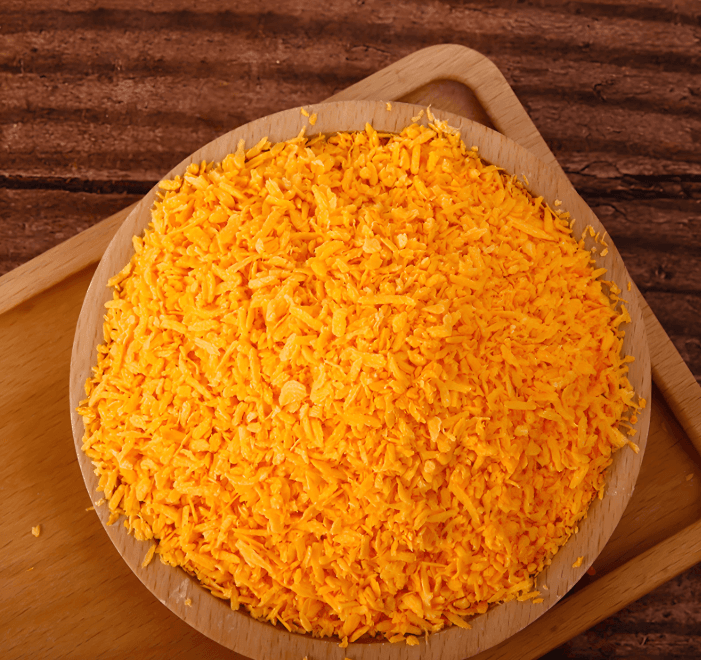
Breadcrumbs, often perceived as a humble and elementary ingredient, represent a fascinating nexus of food science, culinary tradition, and global economic activity. Far more than mere dried and pulverized bread, they are a critical functional component in countless food preparations, from the simplest home-cooked meal to the most complex industrial food product. This article delves into the intricate world of breadcrumbs, providing a detailed taxonomic classification of their varieties, a thorough exposition of their industrial and artisanal production processes, and a forward-looking analysis of the market trends, innovations, and challenges that will shape their future. By examining this ubiquitous yet underappreciated ingredient, we gain insight into broader themes of food sustainability, technological advancement, and evolving consumer preferences.
Table of Contents
- Introduction: Beyond a Topping or Coating
- Chapter 1: A Taxonomy of Breadcrumbs – An Exploration of Types and Characteristics
- 1.1. The Fundamental Divide: Fresh vs. Dry Breadcrumbs
- 1.2. The Standard-Bearers: Plain or White Breadcrumbs
- 1.3. The Global Game-Changer: Panko (Japanese-Style Breadcrumbs)
- 1.4. The Flavorful Foundation: Whole Wheat, Rye, and Multigrain Breadcrumbs
- 1.5. The Regional Specialties: From Pangrattato to Chapelized Bread
- 1.6. The Flavor-Infused and Functional Variants: Seasoned, Herbed, and Gluten-Free
- Chapter 2: The Alchemy of Production – From Loaf to Crumb
- 2.1. The Raw Material: Sourcing and Selecting the Bread
- 2.2. The Industrial Production Workflow: A Step-by-Step Analysis
- 2.3. Artisanal and Traditional Methods of Production
- 2.4. Quality Control: Parameters, Testing, and Standards
- Chapter 3: The Multifunctional Roles of Breadcrumbs in Gastronomy and Industry
- 3.1. The Primary Role: Creating the Perfect Crust (Coating and Frying)
- 3.2. The Binding Agent: Structure and Texture in Comminuted Foods
- 3.3. The Extender and Filler: Economics and Functionality
- 3.4. The Topping and Garnish: Visual and Textural Contrast
- 3.5. Thickening and Absorbency: Applications in Sauces and Stuffings
- Chapter 4: The Market Landscape and Economic Dimensions
- 4.1. Global Market Size, Key Players, and Supply Chain Dynamics
- 4.2. The Industrial vs. Retail Consumer Divide
- 4.3. Regulatory Framework and Labeling Requirements
- Chapter 5: The Future of Breadcrumbs – Trends, Innovations, and Prospects
- 5.1. The Health and Wellness Imperative: Low-Carb, Keto, and Nutrient Fortification
- 5.2. The Sustainability Drive: Upcycling and Waste Reduction
- 5.3. Technological Disruption: Automation and Novel Production Techniques
- 5.4. Culinary Innovation and Fusion Cuisine
- 5.5. Challenges: Commoditization, Raw Material Volatility, and Competition
- Conclusion: The Enduring and Evolving Legacy of the Crumb
Introduction: Beyond a Topping or Coating
In the vast and complex pantheon of culinary ingredients, few are as universally employed yet minimally celebrated as the breadcrumb. To the uninitiated, it is a simple, almost pedestrian item: leftover bread, dried and broken down into fragments, used primarily to add a crispy shell to a piece of chicken or to thicken a meatball. However, to professional chefs, food scientists, and product developers, breadcrumbs are a sophisticated and indispensable tool. They are a key texturizing agent, a binder of immense capability, a cost-effective extender, and a vehicle for flavor and visual appeal.
The history of breadcrumbs is inextricably linked to the history of bread itself, one of the oldest prepared foods. The concept of utilizing stale or leftover bread is a testament to human ingenuity and an aversion to waste, a practice that spans cultures and millennia. What began as a frugal necessity has evolved into a multi-billion-dollar global industry, supplying both massive food processing plants and home kitchens. The production of breadcrumbs is a precise science, balancing factors like particle size distribution, moisture content, oil absorption, and browning characteristics. Meanwhile, consumer trends towards health, sustainability, and global flavors are pushing innovation in this mature category, leading to the development of new products that would be unrecognizable to our culinary ancestors.
This article aims to provide a definitive exploration of breadcrumbs. It will classify their myriad forms, deconstruct their manufacturing processes, elucidate their functional roles, and forecast the trends that will dictate their future, thereby elevating the stature of this truly unsung hero of the culinary world.
Chapter 1: A Taxonomy of Breadcrumbs – An Exploration of Types and Characteristics
The term “breadcrumb” belies a significant diversity. Different types are suited to specific applications, and understanding their unique properties is crucial for both culinary and industrial success.
1.1. The Fundamental Divide: Fresh vs. Dry Breadcrumbs
The most fundamental classification is based on moisture content.
- Fresh Breadcrumbs: These are made from bread that has been dried just enough to be grindable but still retains a significant amount of moisture (typically 8-12%). They are typically made from fresh, soft-crumbed bread with the crusts removed. The resulting crumbs are larger, softer, fluffier, and have a lighter texture. Because they are more perishable, they are often made in-house by restaurants or home cooks and used immediately. They are ideal for dishes where a delicate, moist stuffing or a tender binding agent is desired, such as in stuffings for poultry, meatloaves, or certain pasta toppings like the Venetian Sarde in Saor.
- Dry Breadcrumbs: These are made from bread that has been thoroughly dried or toasted to a very low moisture content (typically 3-6%). This process creates a hard, gritty, and granular texture. Dry breadcrumbs have a much longer shelf life and are the standard form found on supermarket shelves. They absorb more fat and moisture during cooking, leading to a crunchier, firmer, and more distinct crust. They are the preferred choice for deep-frying applications (e.g., chicken cutlets, fish sticks) as they provide a robust barrier that seals in juices.
1.2. The Standard-Bearers: Plain or White Breadcrumbs
These are the most common type of dry breadcrumb, produced on an industrial scale from plain white wheat bread. The bread is often specifically baked for crumb production, using recipes optimized for consistent drying, milling, and browning properties. They have a neutral flavor and color, making them a versatile blank canvas. They can be further categorized by their grind size:
- Fine Breadcrumbs: These are ground to a powder-like consistency. They are excellent for creating a smooth, even, and tightly adherent coating, as seen in many frozen food products. They are also used as a binder in sausages and a dusting agent for pizzas and bread to prevent sticking.
- Coarse Breadcrumbs: These feature larger, irregular particles. They create a rougher, crunchier, and more pronounced crust, often preferred in artisanal cooking for a more texturally interesting result.
1.3. The Global Game-Changer: Panko (Japanese-Style Breadcrumbs
Panko (パン粉, from pan meaning bread and ko meaning flour or powder) has transcended its Japanese origins to become a global phenomenon and a distinct category unto itself. Its unique properties stem from a specific production method. Instead of being baked in a traditional oven, the bread for panko is baked by passing an electrical current through the dough, a process known as electrolytic baking. This method creates a bread without crusts that rises significantly and has a uniform, airy cell structure.
When this bread is coarsely ground, it shatters into large, flaky, sliver-like particles rather than small granules. The result is a crumb that is:
- Lighter and Airier: Panko has a lower density, absorbing less oil (up to 30% less than traditional breadcrumbs), resulting in a lighter, less greasy, and crisper final product.
- Crispier: The sharp, jagged edges of the panko flakes create a crust that is exceptionally crispy and stays crispy for longer, as they resist becoming soggy.
- Neutral in Flavor: Like standard breadcrumbs, panko is deliberately bland, allowing the flavor of the coated food to shine.
Panko is now the gold standard for fried foods like tempura, tonkatsu (pork cutlet), and is widely used in Western kitchens for everything from fried seafood to casserole toppings.
1.4. The Flavorful Foundation: Whole Wheat, Rye, and Multigrain Breadcrumbs
Made from their corresponding bread types, these crumbs incorporate the flavor, nutritional profile, and color of the whole grains. Whole wheat breadcrumbs are denser, have a nuttier flavor, and contain more fiber. Rye breadcrumbs offer a distinct, slightly sour and earthy flavor, perfect for binding German-style meatballs or creating a crust for a robust piece of fish. Multigrain varieties provide a complex flavor and textural profile. These are often used by health-conscious consumers and chefs looking to add depth of flavor and a “health halo” to their dishes.
1.5. The Regional Specialties: From Pangrattato to Chapelized Bread
Many cultures have their own unique traditions surrounding breadcrumbs.
- Pangrattato (Italy): Literally meaning “grated bread,” this Italian staple is often made from leftover rustic bread. It is frequently toasted in a pan with olive oil, garlic, herbs (like oregano or rosemary), and sometimes lemon zest or chili flakes to create mollica, a flavorful topping for pasta (a poor man’s substitute for cheese, as in Pasta con le Sarde), soups, and vegetables.
- Chapelized Bread (e.g., UK): This refers to a specific type of very fine, dry, and powdery breadcrumb, often used in the production of burgers and sausages in the UK and Ireland. It acts as a powerful binder and water-retainer.
- Panko (Japan): As detailed above, a technical and culinary innovation.
- Semmelbrösel (Germany/Austria): Traditional dry breadcrumbs, essential for dishes like Wiener Schnitzel, where they provide the characteristic golden, shaggy crust.
1.6. The Flavor-Infused and Functional Variants: Seasoned, Herbed, and Gluten-Free
The industrial and retail markets are filled with value-added breadcrumb products.
- Seasoned Breadcrumbs: These are pre-mixed with a blend of salt, pepper, herbs (parsley, basil, oregano), spices (paprika, garlic powder, onion powder), and sometimes cheese powder (e.g., “Italian-style” breadcrumbs). They offer convenience for home cooks, providing instant flavor for coatings and stuffings.
- Gluten-Free Breadcrumbs: Driven by the rise in celiac disease and gluten sensitivity, this category is made from gluten-free flours such as rice, corn, quinoa, or sorghum. Replicating the binding and textural properties of wheat-based crumbs is a significant food science challenge, often addressed with the use of hydrocolloids like xanthan gum or psyllium husk.
- Other Functional Variants: This includes low-sodium options, organic breadcrumbs, and crumbs fortified with extra fiber or protein to align with specific dietary trends.
Chapter 2: The Alchemy of Production – From Loaf to Crumb
The transformation of bread into a standardized, shelf-stable, functional ingredient is a process of remarkable engineering and precision.
2.1. The Raw Material: Sourcing and Selecting the Bread
The production chain begins with the bread itself. There are two primary sources:
- Primary Bread: Bread that is specifically baked for the purpose of being made into breadcrumbs. This allows for absolute control over the recipe (flour type, sugar, fat, and salt content), baking process, and consistency. The bread is typically baked in large, continuous ovens into massive loaves with a thin crust and a uniform, fine crumb structure.
- Bread Reclaim or By-Product: This involves using unsold or stale bread from bakeries and supermarkets, as well as crusts and endpieces from bread-slicing operations in sandwich bread factories. This is a highly sustainable practice, reducing food waste. However, it introduces variability in terms of bread type, age, and recipe, which must be carefully managed through blending and processing to ensure a consistent final product.
2.2. The Industrial Production Workflow: A Step-by-Step Analysis
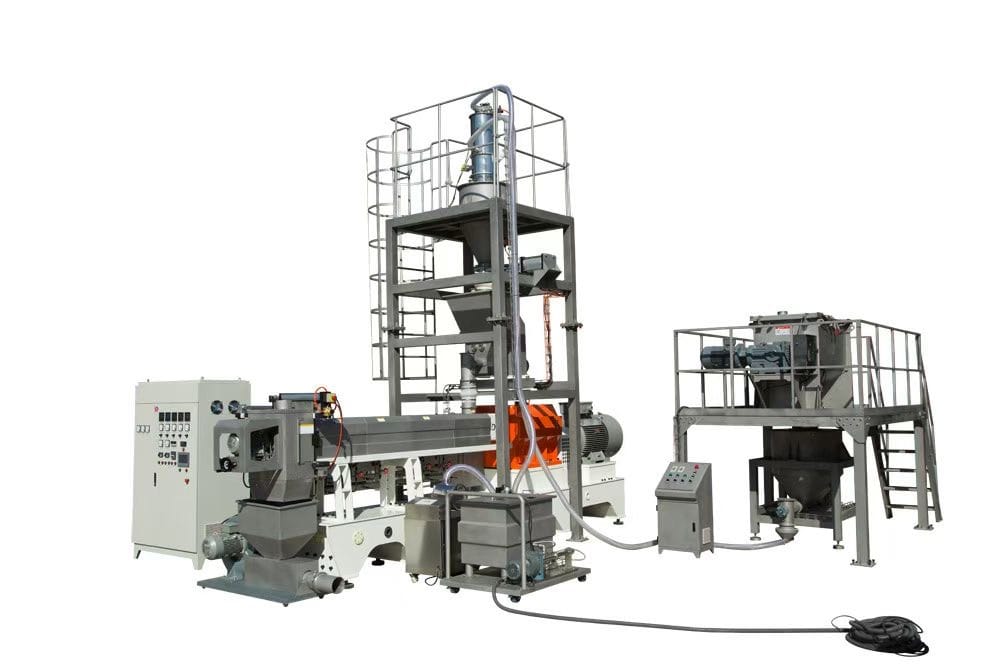
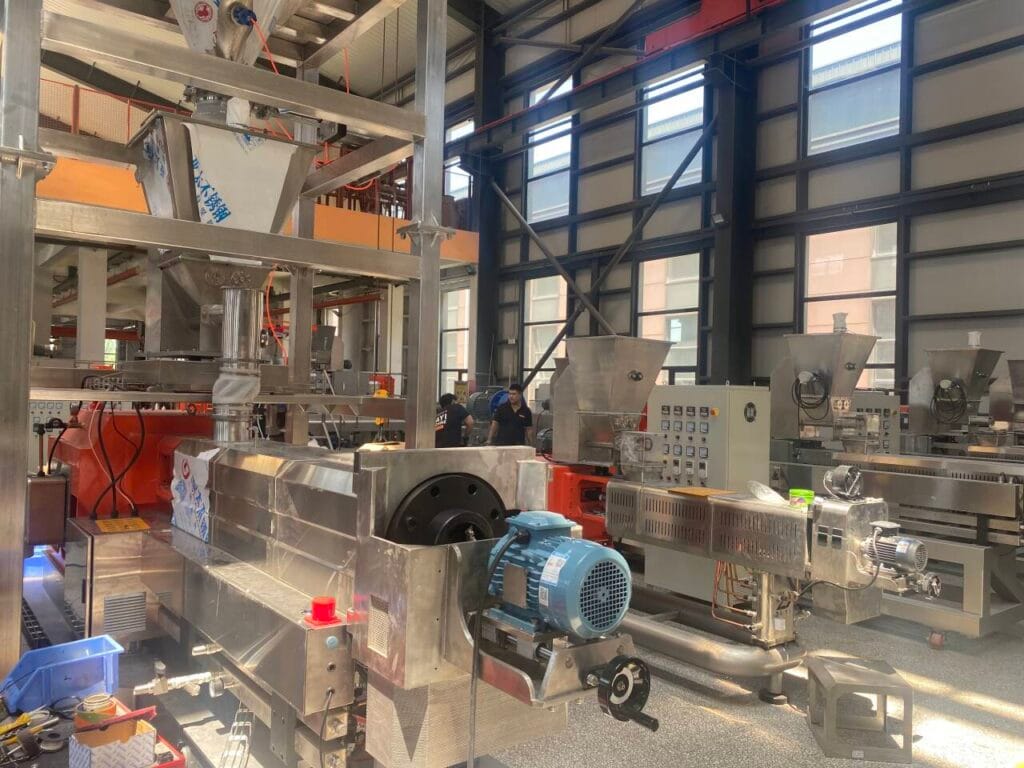
A modern industrial breadcrumb production line is a continuous, automated process involving several critical stages:
- Storage and Pre-conditioning: The bread, whether primary or reclaim, is stored in silos or hoppers. It may be pre-broken into smaller chunks.
- Primary Drying: The bread is conveyed through a multi-zone dryer (often a belt dryer or a fluidized bed dryer). The goal is to reduce the moisture content from ~35-40% down to approximately 8-12% for semi-dry crumbs or to below 6% for fully dry crumbs. Temperature, air flow, and residence time are meticulously controlled to dry the bread without toasting or burning it, which would alter its flavor and color.
- Primary Milling (Cracking): The dried bread pieces are passed through initial crushers or hammer mills to break them down into smaller, more uniform pieces.
- Sifting and Classification: The milled product is fed through a series of vibrating screens or sieves. This separates the crumbs into different size fractions: fine, medium, and coarse. Each fraction can be packaged as a distinct product or re-blended to achieve a specific target particle size distribution.
- Toasting (Optional): For products like “golden” or “toasted” breadcrumbs, the classified dry crumbs are passed through a toasting oven. This step develops Maillard reaction products, imparting a deeper golden-brown color and a richer, nuttier flavor.
- Secondary Milling (For Fine Crumbs): The coarse fraction from the sifter can be re-ground to maximize yield and produce more fine crumbs.
- Mixing and Flavoring (For Seasoned Variants): For seasoned breadcrumbs, the plain crumbs are fed into a large ribbon blender. Oils, liquid flavors, salt, spices, herbs, and cheese powder are added in precise amounts and mixed thoroughly to ensure even distribution.
- Packaging: The finished breadcrumbs are packaged automatically in bags or boxes under a nitrogen flush. Replacing the oxygen-rich air with inert nitrogen gas prevents oxidative rancidity (which would cause off-flavors) and inhibits the growth of molds and aerobic bacteria, significantly extending the shelf life without the need for preservatives.
Panko production has a distinct divergence at the initial stage: the special bread is baked electrolytically, creating a crust-less, airy loaf. This loaf is then ground using a unique roller mill that shears and tears the bread into its characteristic flaky, sliver-like shape, rather than crushing it.
2.3. Artisanal and Traditional Methods of Production
At the other end of the spectrum lies artisanal production. This involves:
- Air-Drying: Stale bread is left out at room temperature for several days to naturally dehydrate.
- Oven-Drying: Bread pieces are spread on sheet pans and placed in a low oven (120-150°C / 250-300°F) for 10-20 minutes until dry and crisp, but not colored.
- Grinding: The desiccated bread is then pulsed in a food processor for coarse crumbs or ground finely in a spice grinder or by hand using a grater (a classic Microplane is excellent for this) or a mortar and pestle.
This method offers ultimate control for a chef but is labor-intensive and yields a product with a short shelf life.
2.4. Quality Control: Parameters, Testing, and Standards
Throughout the industrial process, quality control is paramount. Key parameters tested include:
- Moisture Content: Critical for shelf stability. Measured using rapid moisture analyzers or loss-on-drying ovens.
- Particle Size Distribution: Analyzed using a stack of laboratory test sieves on a mechanical shaker. This ensures batch-to-batch consistency for performance.
- Bulk Density: How much a certain volume of crumbs weighs. Affects coating coverage and dosing in industrial applications.
- Water/Oil Absorption Capacity: Measured to predict performance in binding and frying.
- Color: Measured spectrophotometrically against a standard to ensure consistent appearance.
- Microbiological Testing: Ensuring the product meets safety standards for yeast, mold, and pathogens.
Chapter 3: The Multifunctional Roles of Breadcrumbs in Gastronomy and Industry
The utility of breadcrumbs extends far beyond creating a crispy coating. Their functional properties are exploited in myriad ways.
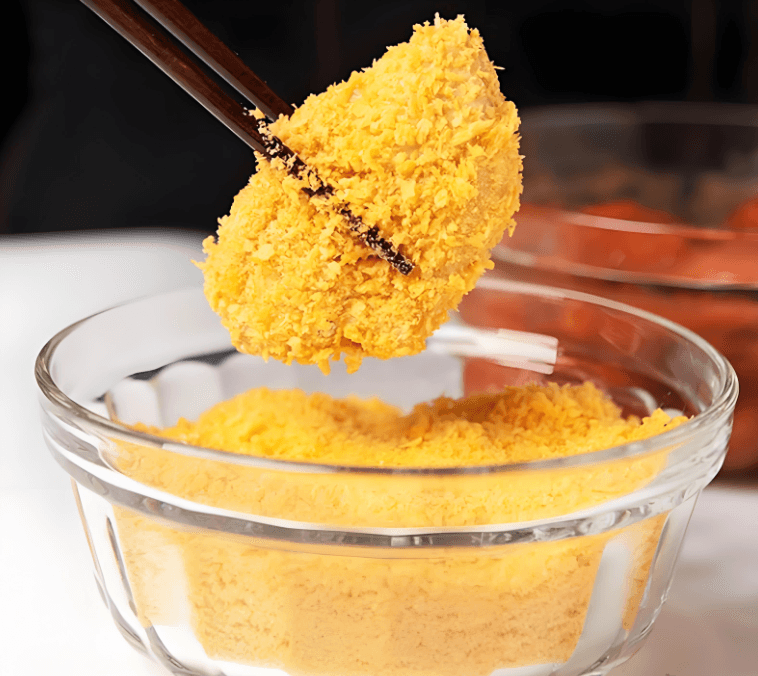
3.1. The Primary Role: Creating the Perfect Crust (Coating and Frying)
This is the most visible function. The standard breading procedure involves a three-step station: flour, egg wash (or other liquid binder), and breadcrumbs.
- The Science: The flour provides a dry surface for the egg wash to adhere to. The egg wash, rich in proteins, coagulates upon heating, acting as a powerful glue. The breadcrumbs create the outer shell. During frying, the starch in the breadcrumbs gelatinizes and the proteins denature, while the rapid evaporation of water and the Maillard reaction create the desired crispness, color, and flavor. The structure also acts as a barrier, reducing oil uptake and protecting the interior from overcooking.
3.2. The Binding Agent: Structure and Texture in Comminuted Foods
In products like meatballs, meatloaf, burgers, sausages, and veggie burgers, breadcrumbs are indispensable binders.
- The Science: The crumbs act as a “filler” that interrupts the protein matrix of meat, preventing it from shrinking excessively and becoming tough. More importantly, they absorb and retain the fats and juices released during cooking. This prevents the product from becoming dry and crumbly, ensuring it holds its shape and maintains a moist, tender texture. They act as a sponge, stabilizing the emulsion of fat and water within the product.
3.3. The Extender and Filler: Economics and Functionality
In industrial food production, breadcrumbs are a cost-effective ingredient. By adding bulk, they allow manufacturers to use less of a costly primary ingredient (like meat or seafood) without drastically altering the eating experience. This must be done within legal limits (regulated by standards of identity in many countries) but is a key economic driver for the breadcrumb industry.
3.4. The Topping and Garnish: Visual and Textural Contrast
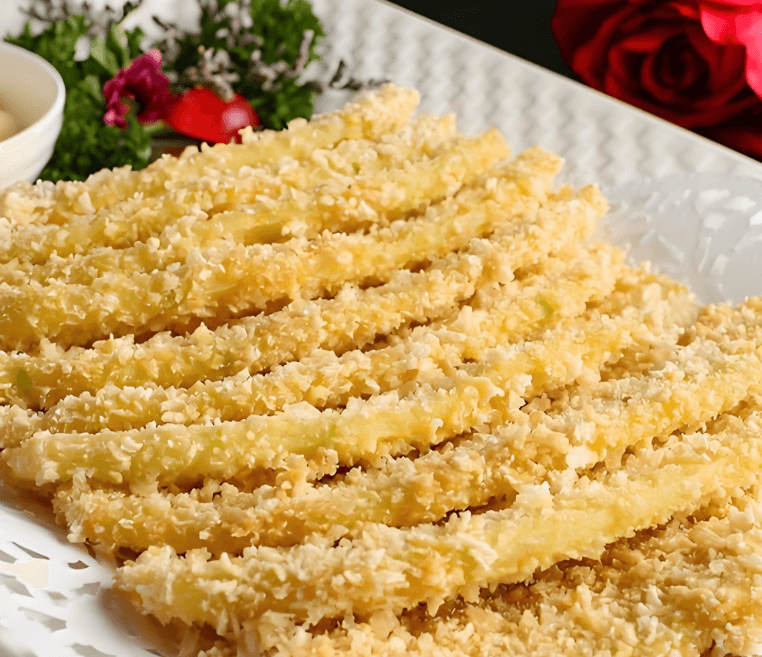
When sprinkled on top of casseroles, gratins, macaroni and cheese, or baked pasta dishes and then baked, breadcrumbs form a delicious, crunchy, golden-brown topping. This provides a pleasing textural contrast to the soft, creamy food beneath and enhances visual appeal. Mixed with melted butter or oil and herbs beforehand, they become a flavorful crust known as a strusel or gratin topping.
3.5. Thickening and Absorbency: Applications in Sauces and Stuffings
The absorbent quality of dry breadcrumbs makes them useful for thickening stuffings and puddings, where they soak up stock, butter, and other liquids. Historically, they were used to thicken sauces (a practice known as liaison with chapelure in French cuisine), though this has largely been replaced by roux and starches. They are still used in dishes like Spanish Migas or Italian Panzanella, where their absorbency is the central theme.
Chapter 4: The Market Landscape and Economic Dimensions
The breadcrumb market is a significant segment of the global food ingredients industry.
4.1. Global Market Size, Key Players, and Supply Chain Dynamics
The global breadcrumbs market is valued in the billions of USD and is projected to grow steadily, driven by the expanding processed food sector and foodservice industry. Key markets include North America, Europe, and Asia-Pacific, with the latter showing particularly high growth potential.
The market features a mix of large multinational food ingredient corporations (e.g., Kerry Group, Associated British Foods plc / ABF Ingredients, Newly Weds Foods) and smaller, specialized regional players. The supply chain is complex, involving:
- Raw Material Suppliers: Wheat farmers, flour mills, and bakeries.
- Breadcrumb Manufacturers: The companies that transform bread into crumbs.
- Distributors and Wholesalers.
- End-Users: Divided into two main channels:
- Industrial (B2B): The largest segment. Includes manufacturers of frozen foods (nuggets, cutlets, fish sticks), processed meats (sausages, burgers), ready meals, and batter and coating mix companies.
- Retail (B2C): Supermarkets and grocery stores selling branded and private-label breadcrumbs to home consumers.
4.2. The Industrial vs. Retail Consumer Divide
The demands of these two segments differ greatly:
- Industrial Clients require extreme consistency, technical support, large-volume supply, and customized products (specific particle size, flavor, functionality). Price per ton is a critical factor.
- Retail Consumers are driven by brand recognition, convenience (e.g., seasoned varieties), perceived health benefits (whole wheat, organic), and price per package. Marketing and packaging play a much larger role.
4.3. Regulatory Framework and Labeling Requirements
Breadcrumbs must comply with the food regulations of the countries in which they are sold. Key requirements include:
- Accurate Ingredient Listing: Declaring all components, including any allergens (wheat/gluten is a major one).
- Nutritional Labeling: Providing information on calories, fat, sodium, carbohydrates, and protein.
- Claims: Any claims like “Gluten-Free,” “Organic,” “Low Sodium,” or “High Fiber” must meet strict governmental definitions.
- Standards of Identity: In some regions, there may be rules defining what can be called a “breadcrumb” versus a “coating.”
Chapter 5: The Future of Breadcrumbs – Trends, Innovations, and Prospects
The breadcrumb industry is not static. It is being shaped by powerful macro-trends in the global food landscape.
5.1. The Health and Wellness Imperative: Low-Carb, Keto, and Nutrient Fortification
The rise of low-carbohydrate, ketogenic (keto), and paleo diets presents a direct challenge to traditional wheat-based breadcrumbs. This has spurred immense innovation in alternatives that mimic the functionality of breadcrumbs without the carbs.
- Nut and Seed “Breadcrumbs”: Products made from crushed pork rinds (for keto), almond flour, coconut flour, crushed walnuts, or sunflower seeds are becoming increasingly popular. They provide the crispy texture while aligning with specific dietary protocols.
- Nutrient Fortification: There is a growing trend to enhance the nutritional profile of standard breadcrumbs by adding protein (from whey or plant sources), fiber (psyllium, oat fiber), or micronutrients like iron and B-vitamins, transforming them from a mere functional ingredient into a value-added one.
5.2. The Sustainability Drive: Upcycling and Waste Reduction
This is perhaps the most powerful trend driving positive change. The concept of the “circular economy” is taking hold, where waste is designed out of the system.
- Upcycled Breadcrumbs: Numerous startups and established companies are now branding their products as made exclusively from “upcycled” bread—the unsold surplus from bakeries and supermarkets that would otherwise go to landfill or animal feed. This powerful marketing message resonates with environmentally conscious consumers and companies looking to improve their sustainability credentials. Certification programs like the “Upcycled Certified” mark are emerging to validate these claims.
5.3. Technological Disruption: Automation and Novel Production Techniques
Production technology will continue to advance.
- Enhanced Automation: Lines will become even more automated with AI and machine vision for quality control, ensuring 100% inspection of color and foreign material.
- Novel Drying Technologies: More energy-efficient drying methods, such as microwave-assisted drying, could reduce the carbon footprint of production.
- Precision Fermentation and Cellular Agriculture: While futuristic, the long-term potential for creating bread-like structures or specific flavor molecules without traditional agriculture could disrupt the entire chain, though this is more likely to affect the bread supply itself first.
5.4. Culinary Innovation and Fusion Cuisine
As global cuisines continue to cross-pollinate, breadcrumbs will adapt. We can expect to see new seasoned variants inspired by Asian, Latin American, and Middle Eastern flavors (e.g., za’atar and sumac breadcrumbs, gochujang-infused crumbs). Chefs will continue to experiment with artisanal crumbs made from specialty breads like sourdough, baguette, or cornbread, elevating their role from a commodity to a gourmet ingredient.
5.5. Challenges: Commoditization, Raw Material Volatility, and Competition
The industry faces several headwinds:
- Commoditization: In the industrial sector, plain breadcrumbs are often treated as a commodity, leading to intense price competition and squeezed profit margins.
- Raw Material Volatility: The price and availability of wheat are subject to the vagaries of weather, geopolitics, and global supply chains, creating cost instability.
- Competition from Alternatives: As noted, the growth of low-carb alternatives and other binding systems (e.g., starches, fibers, proteins) poses a competitive threat, particularly in the health-conscious segment.
Conclusion: The Enduring and Evolving Legacy of the Crumb
From its origins as a simple solution to avoid wasting bread, the breadcrumb has journeyed to become a cornerstone of modern food preparation. Its story is one of remarkable adaptation. It is a subject that encompasses deep food science, intricate engineering, global economics, and timeless culinary art.
The humble breadcrumb is no longer so humble. It is a versatile tool for the chef, a critical functional ingredient for the food technologist, and a sustainable solution for the environmentally minded business. As consumer demands shift towards health, sustainability, and global flavor, the breadcrumb industry is demonstrating a capacity for innovation that ensures its relevance will not crumble. It will continue to evolve, finding new forms and new functions, yet always remaining true to its core purpose: to transform the simple into the sublime, to add texture, structure, and taste to our food, one perfect crunch at a time. Its legacy, built upon a foundation of countless tiny fragments, is undoubtedly solid and its future, bright.
Leave A Comment