
A Comprehensive Technical Introduction to Fish Feed Extruders: The Engine of Modern Aquaculture
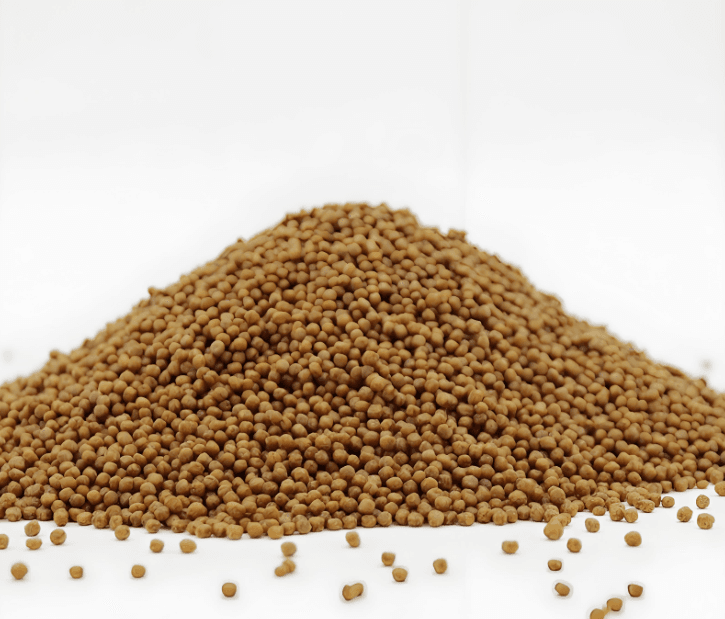
The global aquaculture industry, tasked with supplying over half of the world’s fish for human consumption, relies fundamentally on the efficiency and quality of its feed production. At the heart of this production process lies a piece of sophisticated engineering machinery: the fish feed extruder. This document provides a exhaustive introduction to fish feed extruders, delving into their fundamental principles, core components, operational mechanisms, types, and the critical parameters governing their performance. It further explores the multifaceted advantages of extruded feed over traditional pelleting, the selection criteria for different aquaculture operations, and the future trends shaping this vital technology. By understanding the intricacies of the extrusion process, stakeholders can optimize feed formulation, enhance fish health and growth, improve economic returns, and contribute to the sustainability of the aquaculture sector.
Table of Contents
- Introduction: The Pivotal Role of Feed in Aquaculture
- 1.1. The Aquaculture Imperative
- 1.2. Feed: The Largest Operational Cost
- 1.3. The Evolution from Moist Mashes to Extruded Feeds
- Fundamental Principles of Feed Extrusion
- 2.1. Defining Thermomechanical Extrusion
- 2.2. The Triad of Process Conditions: Heat, Moisture, and Shear
- 2.3. The Starch Gelatinization Phenomenon
- 2.4. Protein Denaturation and Its Implications
- Anatomy of a Fish Feed Extruder: Core Components and Their Functions
- 3.1. The Feeding System: Precision and Consistency
- 3.2. The Pre-Conditioner: The First Stage of Transformation
- 3.3. The Extruder Barrel: The Reaction Vessel
- 3.3.1. Barrel Sections and Liner Configurations
- 3.4. The Screw Configuration: The Heart of the Process
- 3.4.1. Screw Elements: Conveying, Kneading, and Reversing
- 3.5. The Die Assembly: Shaping the Future Feed
- 3.5.1. Die Plate Design and Hole Geometry
- 3.6. The Cutting Mechanism: Determining Pellet Length
- 3.7. The Drive System: Delivering Power and Control
- The Extrusion Process: A Step-by-Step Journey
- 4.1. Stage 1: Raw Material Receiving and Grinding
- 4.2. Stage 2: Formula Weighing and Mixing
- 4.3. Stage 3: Pre-Conditioning
- 4.4. Stage 4: The Extrusion Cooker
- 4.5. Stage 5: Die Expansion and Cutting
- 4.6. Stage 6: Post-Extrusion Processing: Drying, Cooling, and Coating
- Classification of Fish Feed Extruders
- 5.1. Single-Screw Extruders (SSE)
- 5.1.1. Design, Advantages, and Limitations
- 5.1.2. Typical Applications
- 5.2. Twin-Screw Extruders (TSE)
- 5.2.1. Co-Rotating vs. Counter-Rotating Designs
- 5.2.2. Superior Flexibility, Control, and Capabilities
- 5.2.3. Investment and Operational Considerations
- 5.3. Dry vs. Wet Extrusion
- 5.1. Single-Screw Extruders (SSE)
- Critical Operational Parameters and Their Control
- 6.1. Raw Material Composition and Particle Size
- 6.2. Moisture Content: The Universal Plasticizer
- 6.3. Barrel Temperature Profiles
- 6.4. Screw Speed and Configuration
- 6.5. Die Pressure and Its Significance
- 6.6. Residence Time within the Barrel
- The Unmatched Advantages of Extruded Fish Feed
- 7.1. Starch Gelatinization and Improved Digestibility
- 7.2. Water Stability: The Sinking vs. Floating Paradigm
- 7.3. Destruction of Anti-Nutritional Factors (ANFs)
- 7.4. Enhanced Pellet Durability and Reduced Fines
- 7.5. High Fat Coating Capacity and Energy Density
- 7.6. Versatility in Pellet Size, Shape, and Density
- 7.7. Improved Hygienic Quality and Pathogen Reduction
- Selecting the Right Extruder: A Guide for Aquaculture Enterprises
- 8.1. Assessing Production Capacity Requirements
- 8.2. Matching the Extruder to Target Species and Feed Type
- 8.3. Raw Material Considerations and Formulation Flexibility
- 8.4. Energy Efficiency and Operational Costs
- 8.5. After-Sales Service, Spare Parts, and Technical Support
- Troubleshooting Common Extrusion Issues
- 9.1. Non-Uniform Pellet Size and Shape
- 9.2. Excessive Fines Generation
- 9.3. Lack of Expansion or Over-Expansion
- 9.4. Die Face Cutter Jams and “Die Blow-Back”
- 9.5. Motor Overload and Instability
- The Future of Fish Feed Extrusion Technology
- 10.1. Integration of Industry 4.0 and IoT for Smart Manufacturing
- 10.2. Advancements in Screw and Barrel Metallurgy for Longevity
- 10.3. Energy Recovery and Sustainability Initiatives
- 10.4. Extrusion for Novel Ingredients: Insect Meal, Single-Cell Proteins, and Microalgae
- Conclusion
- References and Further Reading
1. Introduction: The Pivotal Role of Feed in Aquaculture
1.1. The Aquaculture Imperative
With wild fish stocks either fully exploited or overexploited, aquaculture has emerged as the fastest-growing food-production sector globally. It is not merely an alternative but a necessity for meeting the protein demands of a growing global population. The efficiency and sustainability of this sector are, therefore, of paramount importance to global food security.
1.2. Feed: The Largest Operational Cost
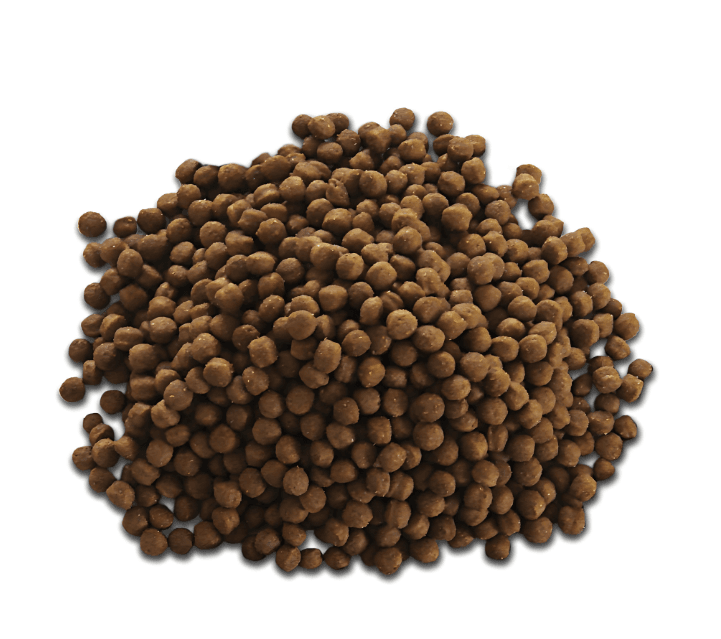
In intensive and semi-intensive aquaculture systems, feed constitutes the single largest variable cost, often accounting for 50% to 70% of total operating expenses. The quality of this feed directly influences key production metrics, including Feed Conversion Ratio (FCR), Specific Growth Rate (SGR), animal health, and ultimately, the economic viability of the farm. Poor quality feed leads to nutrient leaching, poor growth, increased waste, and water pollution.
1.3. The Evolution from Moist Mashes to Extruded Feeds
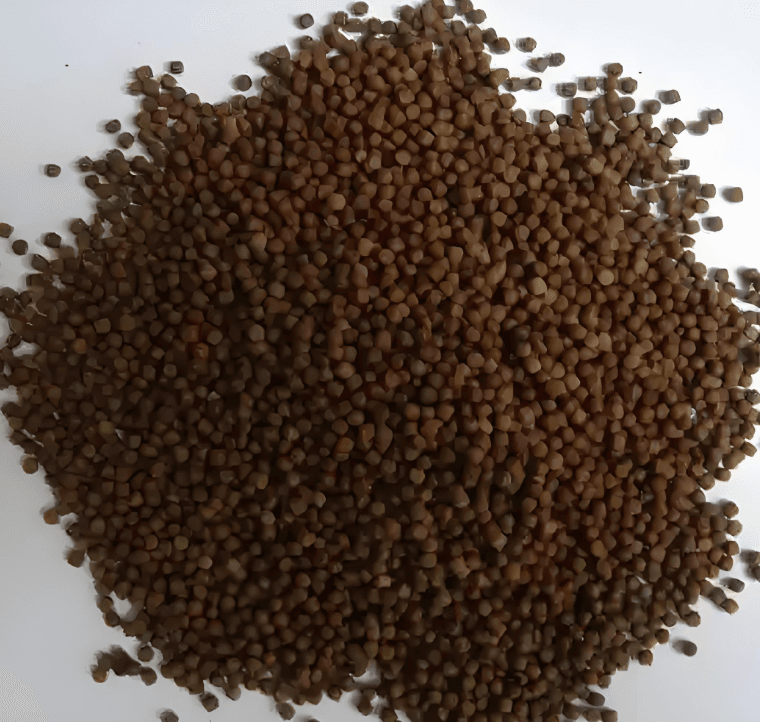
The history of fish feed has evolved from simple, often farm-made, moist mashes to steam-pelleted feeds, and finally, to the modern standard: extruded feeds. While steam pelleting compacts ingredients into a dense pellet, extrusion is a high-temperature, short-time (HTST) cooking process that transforms the physical and chemical nature of the raw materials. This transformation unlocks a suite of benefits that pelleting cannot achieve, making extrusion the dominant technology for producing high-performance aquafeeds for a vast range of species, from freshwater tilapia and catfish to marine salmon and shrimp.
2. Fundamental Principles of Feed Extrusion
2.1. Defining Thermomechanical Extrusion
At its core, a fish feed extruder is a thermomechanical bioreactor. It is a continuous process that combines several unit operations—mixing, cooking, kneading, shearing, and shaping—into a single machine. The process involves forcing a ground mixture of feed ingredients (the “mass”) through a constricted opening (the “die”) under high pressure, temperature, and mechanical shear. The sudden pressure drop upon exit from the die causes the superheated moisture within the mass to flash into steam, resulting in the expansion and puffing of the pellet, a defining characteristic of extruded feeds.
2.2. The Triad of Process Conditions: Heat, Moisture, and Shear
The extrusion process is governed by the interplay of three key elements:
- Heat: Generated internally via mechanical shear (friction between the screws, barrel, and the mass) and supplied externally through steam-heated barrel jackets or electric induction heaters. Temperatures typically range from 90°C to 150°C.
- Moisture: Added in the form of steam and/or water in the preconditioner and barrel. It acts as a plasticizer, lubricant, and reaction medium, typically bringing the total moisture content of the mass to between 20% and 30%.
- Shear: The mechanical tearing and smearing action imparted by the rotating screws against the barrel wall and the restrictions created by the die. Shear rate is a function of screw speed, design, and die resistance.
2.3. The Starch Gelatinization Phenomenon
One of the most critical transformations during extrusion is the gelatinization of starch. Starch granules, present in carbohydrate-rich ingredients like wheat, corn, and tapioca, are semi-crystalline structures. Under the combined action of heat, moisture, and shear, these granules swell, lose their crystalline structure, and burst, releasing amylose and amylopectin chains. This gelatinized starch becomes highly digestible for fish and, upon cooling, forms a gel that acts as a binder, giving the pellet its physical integrity and water stability.
2.4. Protein Denaturation and Its Implications
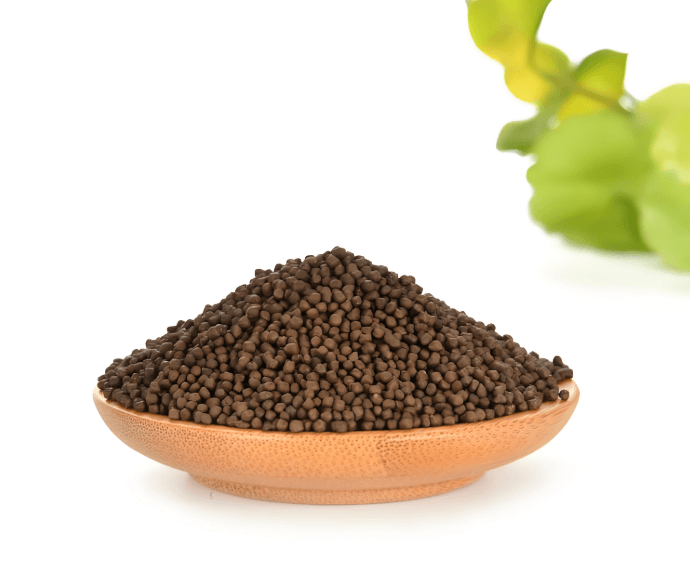
Proteins, the primary nutrients in fish feed, are complex chains of amino acids folded into specific three-dimensional structures. The intense conditions inside the extruder cause protein denaturation—the unfolding of these structures. This exposes hydrophobic and reactive groups, which can then form new bonds (cross-links) with other molecules. While excessive denaturation can reduce protein quality (e.g., lysine availability), controlled denaturation improves digestibility by inactivating protease inhibitors and making the protein more accessible to digestive enzymes.
3. Anatomy of a Fish Feed Extruder: Core Components and Their Functions
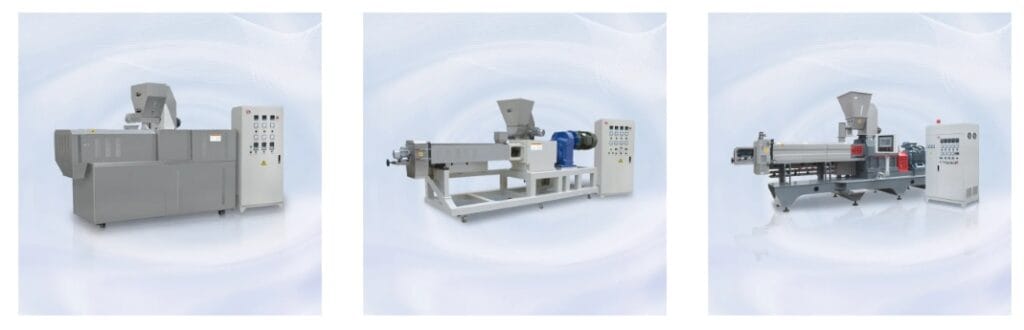
A fish feed extruder is a complex assembly of integrated systems. Understanding each component is key to understanding the machine’s overall function.
3.1. The Feeding System: Precision and Consistency
Located at the inlet of the extruder, the feeding system is responsible for delivering a consistent and controlled flow of the dry powder mix from the mixer into the preconditioner. This is typically achieved using a variable-speed screw feeder or a volumetric feeder. The precision of this feeder is critical; any fluctuation in feed rate will cause instability in the extrusion process, leading to variations in pellet quality, motor load, and final product moisture.
3.2. The Pre-Conditioner: The First Stage of Transformation
The preconditioner is a horizontal or vertical paddle mixer where the dry ingredients are first met with steam and liquid additions (water, molasses, etc.). Its objectives are:
- Hydration: To uniformly distribute moisture throughout the powder, preparing it for gelatinization and plasticization.
- Pre-heating: To begin raising the temperature of the mass using direct steam injection, which improves thermal efficiency in the main extruder barrel.
- Pre-gelatinization: To initiate the partial cooking of starch.
A well-operated preconditioner can achieve up to 80-90% of the required cooking, reducing the mechanical energy input and wear in the main extruder barrel. Residence time in a preconditioner is typically between 90 and 180 seconds.
3.3. The Extruder Barrel: The Reaction Vessel
The barrel is the central, robust cylinder that houses the rotating screw(s). It is constructed from high-strength, wear-resistant alloy steel, often lined with nitrided or bimetallic sleeves to resist abrasion. The barrel is typically segmented into several sections, each with independent temperature control via electrical heaters or steam/cooling water channels. This allows for the creation of a precise temperature profile along the length of the barrel, crucial for managing the cooking process.
3.4. The Screw Configuration: The Heart of the Process
The screw(s) are the primary agitators and transporters within the barrel. Their design is paramount to the extruder’s performance.
- Single-Screw Extruders (SSE): Use a single, solid shaft with a progressively increasing root diameter or decreasing pitch to compress the material. The clearance between the screw flight and the barrel wall is critical for generating shear.
- Twin-Screw Extruders (TSE): Employ two intermeshing screws within a figure-eight-shaped barrel. The screws are modular, assembled from individual elements on splined shafts.
Screw Elements:
- Conveying Elements: These have a deep, open-flight design and are used to transport material forward with minimal mixing or shear.
- Kneading Elements/Blocks: These are not helical but consist of discs offset at various angles. They are the primary tools for imparting high shear, creating intense mixing, and generating mechanical heat. The stagger angle determines the balance between conveying action and shearing/restriction.
- Reverse Elements: These have a flight oriented in the opposite direction, creating a deliberate restriction or “plug” that fills the previous screw section with material, ensuring complete filling and prolonged residence time for cooking.
The ability to configure these elements in countless sequences is what gives TSEs their immense flexibility.
3.5. The Die Assembly: Shaping the Future Feed
The die assembly is mounted at the discharge end of the barrel. It consists of a heavy-duty holder and a perforated die plate. The die plate is the final and most critical restriction in the system. It is responsible for:
- Shaping: The holes in the die plate determine the cross-sectional shape of the pellet (cylindrical, square, etc.).
- Generating Pressure: The resistance of the die holes creates the high pressure (typically 20-60 bar) necessary for the cooking and expansion process.
- Texturizing: The length-to-diameter (L/D) ratio of the die holes influences the final pellet texture and expansion.
3.6. The Cutting Mechanism: Determining Pellet Length
Immediately outside the die face is the cutter assembly. It comprises a rotating shaft with two or more knives and a variable-speed drive motor. The speed of the cutter directly controls the length of the extruded pellets. A higher cutter speed produces shorter pellets, while a slower speed yields longer ones. The knives must be precisely adjusted to maintain a minimal, consistent gap from the die face to ensure a clean cut without smearing.
3.7. The Drive System: Delivering Power and Control
The entire screw assembly is driven by a high-torque electric motor, connected through a reduction gearbox. The power rating of the drive system, measured in kilowatts (kW), is a primary determinant of the extruder’s capacity. Modern extruders use Variable Frequency Drives (VFDs) to allow for precise control of the screw speed, which is a key operational parameter affecting shear, residence time, and product characteristics.
4. The Extrusion Process: A Step-by-Step Journey
The transformation of raw powder into a finished, coated feed pellet is a multi-stage process where extrusion is the central, but not the only, critical step.
4.1. Stage 1: Raw Material Receiving and Grinding
Ingredients are received, tested for quality, and stored. They are then ground to a fine and uniform particle size (typically 600-800 microns for fish feed). Fine grinding is essential for several reasons: it increases the surface area for water penetration and reaction, ensures a homogeneous mix, reduces wear on the extruder, and results in a smooth, durable pellet surface.
4.2. Stage 2: Formula Weighing and Mixing
Precisely weighed quantities of each ground ingredient, according to a specific feed formula, are discharged into a batch or continuous mixer. Micro-ingredients like vitamins, minerals, and amino acids are often pre-mixed with a carrier (like rice bran) to ensure their uniform distribution in the main mixer. The goal is to achieve a perfectly homogenous dry blend.
4.3. Stage 3: Pre-Conditioning
The homogeneous dry mix is fed into the preconditioner, where it is vigorously mixed with steam and water. The steam condenses, transferring its latent heat and moisture to the particles. This warm, moist, and agglomerated mash is the feedstock for the extruder.
4.4. Stage 4: The Extrusion Cooker
The preconditioned mash enters the extruder barrel. Here, it is subjected to the intense mechanical and thermal forces described earlier. As the mass is conveyed, kneaded, and sheared, its temperature and pressure rise dramatically. The starch fully gelatinizes, proteins denature, and the mass transforms into a viscous, plasticized dough.
4.5. Stage 5: Die Expansion and Cutting
The plasticized dough is forced through the holes of the die plate. The instant it exits into the ambient pressure, the superheated water within the dough flashes into steam, causing the pellet to expand rapidly. The expanding bubbles are trapped and set by the gelatinized starch matrix. The rotating knives slice the emerging strands into pellets of predetermined length.
4.6. Stage 6: Post-Extrusion Processing: Drying, Cooling, and Coating
The freshly extruded pellets have a high moisture content (20-28%) and are soft and pliable. They must be processed further to become a stable, storable product.
- Drying: A multi-pass, continuous dryer uses hot, dehumidified air to reduce the moisture content to 8-10%. Drying is a delicate process; too fast can cause case-hardening (a hard shell and wet interior), while too slow can lead to mold growth.
- Cooling: After drying, the pellets are still warm. They are passed through a cooler that uses ambient air to bring them close to room temperature. This prevents condensation in storage bags and stabilizes the pellet.
- Coating (Post-Extrusion): A liquid coating (often fish oil, vitamins, pigments, and attractants) is applied in a vacuum or atmospheric coater. The vacuum coater is superior as it pulls air from the pores of the pellet and then draws the oil in, allowing for very high fat inclusion levels (often over 30%) without surface oiliness.
5. Classification of Fish Feed Extruders
The two primary classifications are based on the number of screws and the moisture content used.
5.1. Single-Screw Extruders (SSE)
- Design: A single screw rotates within a smooth-bore or grooved barrel. Transport is based on the friction differential between the material, the screw, and the barrel.
- Advantages: Lower capital cost, simpler mechanical design, easier operation and maintenance, lower wear part inventory.
- Limitations: Less flexible, limited ability to handle difficult recipes (e.g., high-fat, high-fiber, or fresh meat), less control over shear, more prone to surging (instability).
- Applications: Ideal for small to medium-scale farms and feed mills producing standard, less complex floating or sinking feeds for species like tilapia, catfish, and carp.
5.2. Twin-Screw Extruders (TSE)
- Design: Two intermeshing, co-rotating screws in a figure-eight barrel. The screws positively convey the material, like a positive displacement pump.
- Co-Rotating vs. Counter-Rotating: Co-rotating TSEs are the industry standard for food and feed. They provide excellent self-wiping action, preventing material stagnation and burn-on. Counter-rotating designs are used for specific polymer applications but are less common in feed.
- Superior Flexibility and Control: TSEs offer unparalleled control. By changing screw configuration, the same machine can produce a low-shear, high-density shrimp feed and a high-shear, highly-expanded floating feed. They can handle a much wider range of raw materials, including those with very high fat or moisture content.
- Investment and Operational Considerations: TSEs have a significantly higher initial capital cost, higher maintenance complexity, and a larger number of wear parts. However, their superior efficiency, flexibility, and product quality often result in a better return on investment for large-scale, multi-species feed mills.
5.3. Dry vs. Wet Extrusion
This is a less common distinction in modern aquafeed but is worth noting. “Dry” extruders rely almost entirely on mechanical shear for heat generation, with little to no external steam. They operate at lower moisture levels. “Wet” extruders, which represent the vast majority of modern machines, utilize both mechanical energy and significant steam injection in the preconditioner and barrel, operating at higher moisture levels for more controlled cooking.
6. Critical Operational Parameters and Their Control
Mastering extrusion is about balancing a set of interdependent parameters.
6.1. Raw Material Composition and Particle Size
The recipe itself dictates the extrusion behavior. High-starch recipes gelatinize well and expand easily. High-protein recipes may require binders. High-fat/fiber content can act as lubricants, reducing shear and requiring recipe or process adjustments.
6.2. Moisture Content: The Universal Plasticizer
Moisture is the most powerful process variable. Increasing moisture reduces viscosity, lowers mechanical energy input, decreases expansion, and produces a softer pellet. Decreasing moisture has the opposite effect, leading to higher shear, more expansion, and a harder pellet, but also increasing motor load and wear.
6.3. Barrel Temperature Profiles
A typical profile might start with a cooler zone for feeding, followed by progressively hotter zones for cooking, and a final hot zone just before the die to ensure the mass is fully plasticized. Precise temperature control is vital for consistent product quality.
6.4. Screw Speed and Configuration
Higher screw speeds increase shear rate and reduce residence time, leading to more expansion and a less cooked product. Lower speeds do the opposite. In TSEs, the screw configuration is the primary tool for engineering the shear profile.
6.5. Die Pressure and Its Significance
Die pressure is a result, not a set point. It is the consequence of screw speed, recipe viscosity, and die open area. It is a key indicator of process stability. A stable, high pressure is necessary for proper cooking and expansion.
6.6. Residence Time within the Barrel
This is the average time a particle spends inside the extruder barrel. It is controlled by feed rate, screw speed, and screw configuration. Longer residence times allow for more complete chemical reactions (cooking) but can lead to nutrient degradation if excessive.
7. The Unmatched Advantages of Extruded Fish Feed
The investment in extrusion technology is justified by a compelling list of benefits over traditional pelleting.
7.1. Starch Gelatinization and Improved Digestibility
As detailed earlier, the high digestibility of gelatinized starch means more energy is available to the fish from carbohydrate sources, sparing protein for growth. This directly improves FCR.
7.2. Water Stability: The Sinking vs. Floating Paradigm
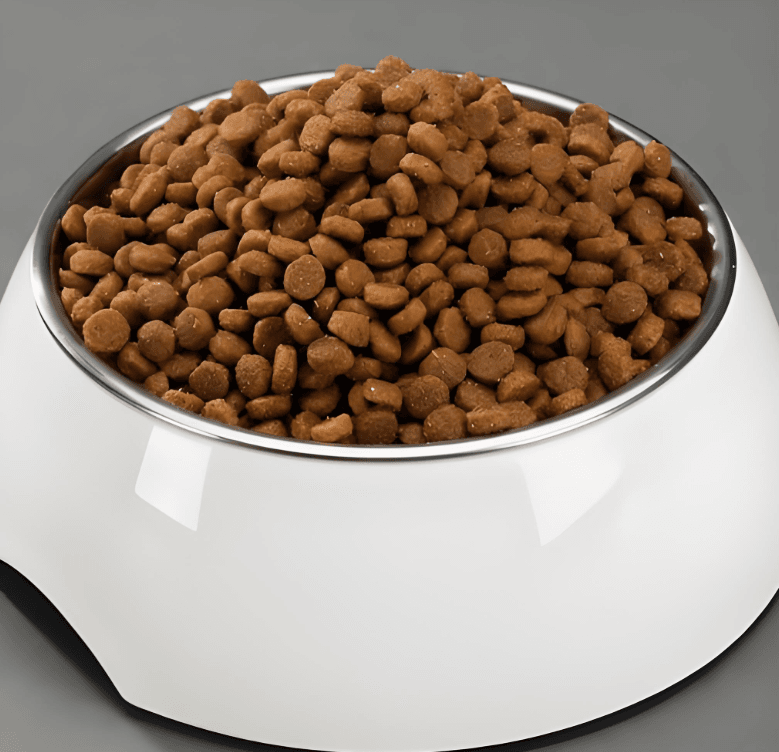
Extruded pellets are incredibly water-stable. They can remain intact in water for many hours without disintegrating, significantly reducing nutrient leaching and water pollution. Furthermore, by controlling the expansion (density), producers can create pellets that float, sink slowly, or sink rapidly, matching the feeding behavior of the target species.
7.3. Destruction of Anti-Nutritional Factors (ANFs)
Many plant-based protein sources (e.g., soybean meal) contain ANFs like trypsin inhibitors and lectins, which interfere with digestion. The high temperatures and shear during extrusion effectively destroy these ANFs, unlocking the nutritional value of these cost-effective ingredients.
7.4. Enhanced Pellet Durability and Reduced Fines
The gelatinized starch matrix creates a very durable pellet that can withstand the rigors of pneumatic transport, packaging, and shipping. This results in a lower percentage of broken pellets and “fines” (dust), which are wasted feed and can degrade water quality.
7.5. High Fat Coating Capacity and Energy Density
The porous, spongelike structure of extruded pellets is ideal for absorbing high levels of liquid fat and other coatings in a vacuum coater. This allows for the production of high-energy feeds that support faster growth rates, a critical requirement for species like salmon.
7.6. Versatility in Pellet Size, Shape, and Density
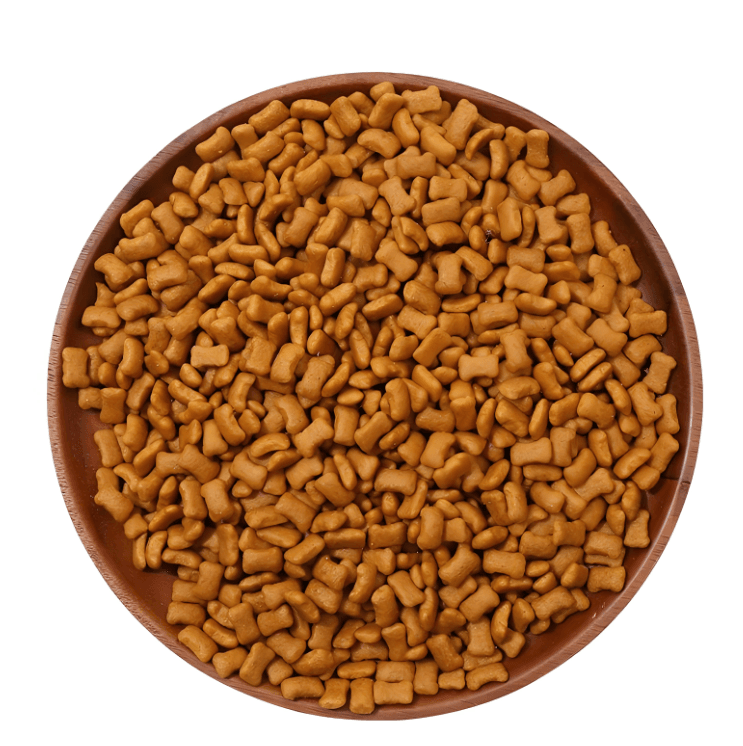
Extruders can produce a vast range of pellet sizes, from micro-diets for fish larvae (under 0.5 mm) to large pellets for mature fish (over 10 mm). They can also produce a variety of shapes (cylinders, crumbles, stars) and precisely controlled densities.
7.7. Improved Hygienic Quality and Pathogen Reduction
The high-temperature process acts as a pasteurization step, significantly reducing the microbial load, including potential pathogens like Salmonella and E. coli, resulting in a safer feed.
8. Selecting the Right Extruder: A Guide for Aquaculture Enterprises
Choosing an extruder is a strategic decision. Key considerations include:
- Production Capacity: Measured in tons per hour. Match the machine to your current and projected future needs.
- Target Species and Feed Type: A mill producing only floating catfish feed may find a capable SSE sufficient. A mill producing feeds for shrimp, marine fish, and freshwater species will require the flexibility of a TSE.
- Raw Material Considerations: If the formula relies heavily on novel, difficult-to-process ingredients, a TSE is the better choice.
- Energy Efficiency: Compare the specific mechanical energy (SME) input (kWh/ton) of different models. A more efficient machine has lower operating costs.
- After-Sales Support: The availability of spare parts, technical service, and operational training is as important as the machine itself.
9. Troubleshooting Common Extrusion Issues
Operators must be adept at diagnosing and correcting problems. For example:
- Non-Uniform Pellets: Caused by uneven feeding, inconsistent preconditioning, or a worn die.
- Excessive Fines: Often due to under-cooking (low SME), improper drying, or a poor recipe with insufficient binder.
- Lack of Expansion: Caused by low temperature, low screw speed, high moisture, or a recipe with low starch or high oil.
- Motor Overload: Can be caused by a blocked die, too low a moisture content, or an overly restrictive screw configuration.
10. The Future of Fish Feed Extrusion Technology
The technology continues to evolve, driven by demands for efficiency, sustainability, and novel ingredients.
- Industry 4.0: Integration of IoT sensors and AI for real-time process monitoring and closed-loop control, predictive maintenance, and recipe optimization.
- Advanced Metallurgy: Development of even more wear-resistant materials for screws and barrels to reduce downtime and maintenance costs.
- Energy Recovery: Systems to capture waste heat from the dryer or extruder barrel for use elsewhere in the plant.
- Novel Ingredients: Extruders will be central to incorporating sustainable but challenging new protein sources like insect meal, bacterial proteins, and microalgae into aquafeeds, requiring advanced process engineering.
The fish feed extruder is far more than a simple pellet-making machine. It is a highly advanced, versatile, and indispensable bioreactor that has revolutionized the aquaculture industry. By transforming raw ingredients through the precise application of thermomechanical energy, it produces a superior feed that promotes efficient growth, maintains water quality, and ensures the health of farmed fish. A deep understanding of its principles, components, and operation is essential for anyone involved in modern feed manufacturing, as it holds the key to unlocking greater productivity, profitability, and sustainability in the vital quest to feed the world through aquaculture.

12. References and Further Reading
(Note: This is a representative list of sources that informed this document.)
- Extrusion Cooking: Technologies and Applications. Edited by R. Guy.
- Fish Feed Technology. FAO Fisheries and Aquaculture Technical Paper.
- Twin-Screw Extrusion for Aquafeed: An Operational Guide. Clextral.
- The Theory and Practice of Aquaculture Feed Manufacturing. Wenger Manufacturing.
- Various peer-reviewed journals: Aquaculture, Aquaculture Nutrition, Journal of Food Engineering.
Leave A Comment