
A Comprehensive Guide to the Production of High-Quality Cat Food: From Formulation to Fork
The relationship between humans and cats has evolved dramatically over the centuries. Once valued primarily as pest controllers, cats are now cherished members of the family. This shift in status has been accompanied by a growing demand for higher standards in their care, cat food production line with nutrition sitting at the very core. The production of cat food is no longer a simple matter of providing calories; it is a complex, scientific endeavor that blends animal nutrition, food science, veterinary medicine, and stringent manufacturing controls. High-quality cat food is not defined by marketing claims or price tags, but by its ability to deliver complete,cat food production line balanced, and bioavailable nutrition that supports a cat’s health, vitality, and longevity from kittenhood through its senior years.
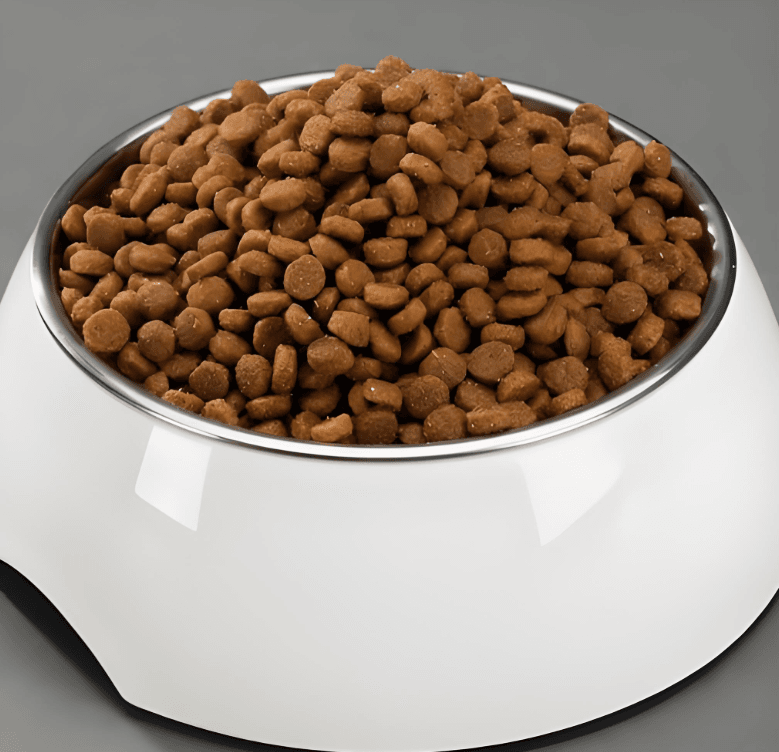
This article provides an exhaustive exploration of the entire process of producing premium cat food. We will delve into the obligate carnivore’s biology, dissect the anatomy of a perfect recipe, explore the two primary manufacturing methods (dry kibble and wet food), and examine the critical quality assurance protocols that separate superior products from the mediocre. The goal is to provide a definitive resource for understanding what truly constitutes high-quality cat food and the meticulous effort required to produce it.
Part 1: The Foundation – Understanding Feline Nutritional Biology
Before a single ingredient is sourced or a formula is written, it is imperative to understand the consumer: the domestic cat (Felis catus). Cats are obligate carnivores, a physiological classification with profound nutritional implications.
1.1 The Obligate Carnivore: A Biological Blueprint
Unlike omnivores like dogs and humans, cats have evolved to derive their essential nutrients almost exclusively from animal tissue. Their entire digestive system, from teeth to metabolism, is specialized for a meat-based diet.
- Dentition: Sharp, pointed teeth designed for tearing and shearing flesh, not grinding plant matter.
- Digestive Tract: A relatively short and simple gastrointestinal tract, optimized for the rapid digestion and absorption of protein and fat, but less efficient at fermenting and breaking down complex carbohydrates.
- Metabolic Pathways: Cats have unique metabolic pathways that necessitate specific nutrients found pre-formed in animal flesh.
1.2 The Core Nutritional Pillars of Feline Health
A high-quality cat food formula is built upon these essential pillars:
- High-Quality Protein: Protein is the cornerstone, providing essential amino acids for muscle maintenance, organ function, immune system support, and overall growth.
- Taurine: This is the most critical amino acid for cats. Unlike many other animals, cats cannot synthesize sufficient taurine and must obtain it from their diet. A deficiency can lead to irreversible conditions such as central retinal degeneration (blindness) and dilated cardiomyopathy (heart disease). High-quality meat and organs are rich natural sources.
- Arginine: Another essential amino acid, crucial for the urea cycle, which removes ammonia from the body. A single meal deficient in arginine can be fatal.
- Methionine and Cysteine: Important for skin, coat, and claw health.
- Dietary Fats: Fats are a concentrated source of energy and provide essential fatty acids.
- Arachidonic Acid: An essential fatty acid for cats, found only in animal tissues.
- Omega-3 and Omega-6 Fatty Acids: These must be present in a balanced ratio to support healthy skin and a glossy coat, reduce inflammatory responses, and promote cognitive function. Sources include fish oil (Omega-3s) and chicken fat (Omega-6s).
- Minimal and Strategic Carbohydrate Use: While cats have no strict dietary requirement for carbohydrates, they can be used in moderation in high-quality foods for specific purposes:
- Energy: Providing a cost-effective energy source.
- Kibble Structure: In dry food, certain starches are necessary for the extrusion process to create the kibble’s shape and texture.
- Fiber Source: Fermentable fibers like beet pulp or chicory root can promote healthy gut microbiota.
- The key is the type and amount. High-quality foods use highly digestible, low-glycemic carbohydrates like whole oats, barley, or sweet potato, and they keep the total percentage low to align with a cat’s natural diet.
- Vitamins and Minerals: A precise blend of vitamins and minerals is vital for countless biochemical processes. Calcium and phosphorus must be present in a specific ratio (approximately 1.2:1) for bone health. Other crucial minerals include potassium, magnesium, cat food production lineand zinc, while vitamins A, D, and E are fat-soluble vitamins that must be carefully balanced.
- Water: Often overlooked in dry food, moisture is critically important. Cats have a low thirst drive, a trait inherited from desert-dwelling ancestors who obtained most of their water from prey. Chronic low water intake is a significant risk factor for urinary tract diseases, including crystals and stones.
Part 2: The Blueprint – Formulating a High-Quality Recipe
The formulation stage is where science and sourcing intersect. A high-quality recipe is more than a list of ingredients; it is a precise, balanced, and bioavailable nutritional plan.
2.1 Ingredient Sourcing and Selection: The “What” and “Where”
The quality of the final product is inextricably linked to the quality of its inputs.
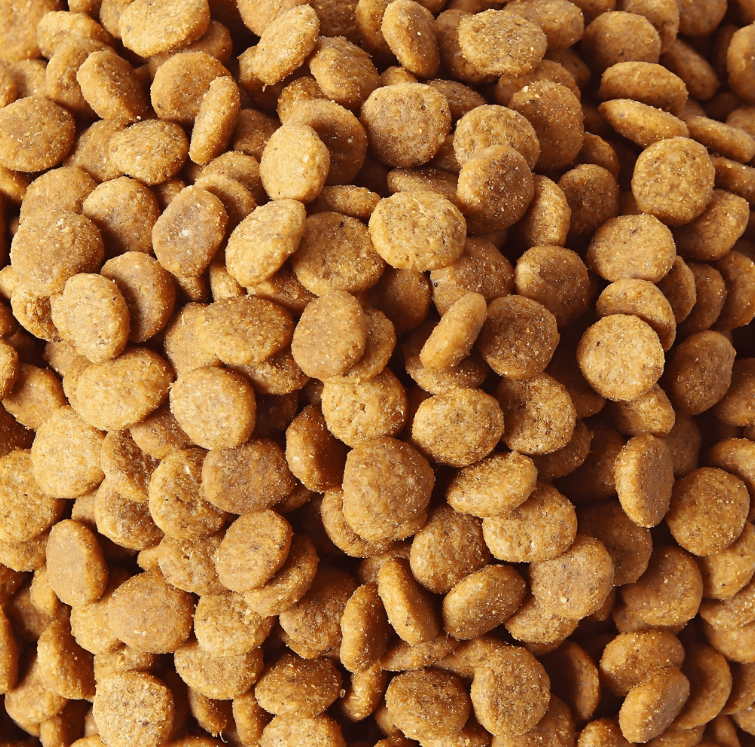
- Named Protein Sources: Premium formulas specify the animal source, e.g., “deboned chicken,” “lamb meal,” or “salmon.” Vague terms like “meat by-products” or “poultry meal” are less desirable as their quality and source can be inconsistent. High-quality by-products (e.g., liver, heart, kidney) are actually nutrient-dense and highly palatable, but they should be named (e.g., “chicken liver”).
- Whole Meats vs. Meals:
- Whole Meals: These are fresh or frozen meats with high moisture content (often around 70-80%). They are excellent for palatability and quality perception but are heavy, making transport expensive. When included at the top of the ingredient list, they weigh more, so their pre-cooked contribution to the final protein percentage is less than it appears.
- Meat Meals: These are rendered products from which water and fat have been removed, resulting in a concentrated protein powder (e.g., “chicken meal”). A high-quality named meat meal is an excellent, nutrient-dense ingredient. Because it is concentrated, a smaller amount by weight contributes a significant portion of the protein in the final product.
- Carbohydrate Sources: As discussed, quality matters. Look for whole, recognizable grains or starches like brown rice, oatmeal, or sweet potatoes rather than refined flours or generic “cereal fines.”
- Fats and Oils: These should be from specified sources, such as “chicken fat” preserved with mixed tocopherols (a natural form of Vitamin E), rather than generic “animal fat.”
- Additives:
- Probiotics and Prebiotics: These support a healthy gut microbiome. Probiotics are beneficial bacteria, while prebiotics (e.g., FOS, MOS) are fibers that feed them.
- Joint Supplements: Glucosamine and chondroitin sulfate are commonly added to support joint health, especially in formulas for senior cats.
- Natural Preservatives: High-quality foods use natural preservatives like mixed tocopherols (Vitamin E), rosemary extract, and citric acid, as opposed to synthetic preservatives like BHA, BHT, and ethoxyquin.
2.2 The Art and Science of Nutritional Balancing
A list of good ingredients is not enough; they must be combined in the right proportions to meet established nutritional profiles. Formulators rely on standards set by organizations like the Association of American Feed Control Officials (AAFCO) in the US or the European Federation of the Pet Food Industry (FEDIAF) in Europe. cat food production lineThese organizations define the minimum (and sometimes maximum) levels of nutrients for two life stages: “Growth and Reproduction” (kittens and pregnant/nursing queens) and “Adult Maintenance.”
A high-quality food will not only meet but often exceed these minimums, creating a “nutritional safety margin” to account for natural variation in ingredients and ensure the diet is complete throughout its shelf life.
2.3 Palatability: Ensuring Cats Actually Eat the Food
The most nutritious food in the world is useless if a cat refuses to eat it. Palatability is a critical factor driven primarily by the food’s aroma and taste. Fats, proteins, and certain amino acids are key drivers. High-quality foods often use “palatability enhancers” like animal digests (enzymatically broken-down tissues) or gently applied fat coatings, which are far more desirable than artificial flavors.
Part 3: The Manufacturing Process – Dry Food (Kibble) Production
The transformation of raw ingredients into uniform, shelf-stable kibble is a marvel of modern food engineering, primarily achieved through a process called extrusion.
3.1 Raw Material Reception and Storage
The process begins with the intake of ingredients. Each delivery is inspected and tested against specifications to ensure quality and safety. Ingredients are then stored in controlled environments—grains and meals in silos, fats in temperature-controlled tanks, and fresh/frozen meats in refrigerated or frozen storage.
3.2 Grinding and Pre-Conditioning
To create a consistent mixture, all solid ingredients are first ground into a fine powder or meal. This ground mixture is then transferred to a preconditioner.
- Pre-conditioning: Here, the dry blend is mixed with steam and hot water. This hydrates the powders and begins to cook the starches. This step is crucial for preparing the mixture for extrusion, making it more pliable and improving starch gelatinization, which enhances digestibility.
3.3 The Extrusion Cooker: The Heart of the Process
The pre-conditioned slurry is fed into the extruder, a large, barrel-like machine with a rotating screw inside.
- Cooking: As the mixture is forced down the barrel by the screw, it is subjected to intense heat, pressure, and mechanical shear. This cooking process gelatinizes the starches,cat food production line denatures the proteins (making them more digestible), and destroys anti-nutritional factors and many harmful microorganisms.
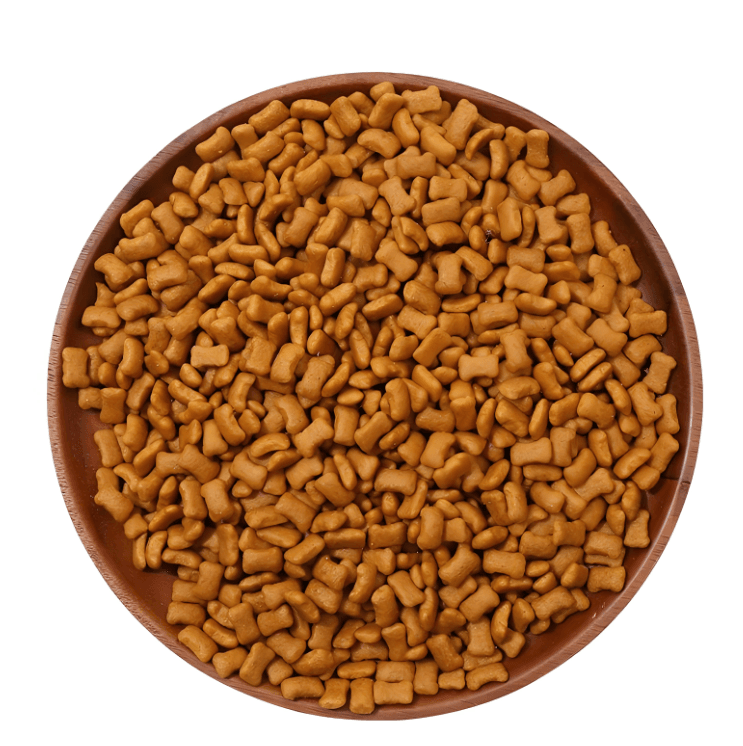
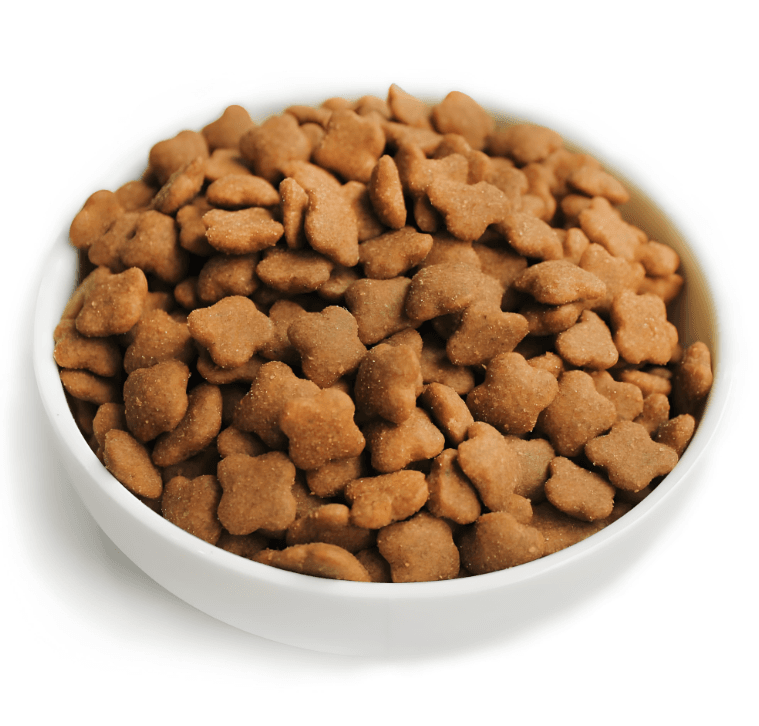
- Shaping: At the end of the barrel, the cooked dough is forced through a metal die plate. The die has precisely cut holes that give the kibble its characteristic shape (e.g., fish, stars, ovals). As the pressurized dough exits the die into the normal atmosphere, it rapidly expands, creating the porous, airy texture of kibble.
3.4 Drying and Cooling
The extruded kibble is soft and has a high moisture content (~25-30%). It must be dried to around 8-10% moisture to become shelf-stable and resistant to mold and bacterial growth. This is done in a multi-stage dryer that uses hot air. After drying, the kibble is cooled to ambient temperature using ambient or slightly cooled air to prevent condensation in the packaging.
3.5 Coating (Enrobing)
After cooling, the kibble is ready for its final coating, often called “enrobing” or “fatting.”
- Fat and Flavor Coatings: Liquid fat, oils, and palatability enhancers (like digest sprays) are applied as a fine mist in a rotating drum. This coating significantly increases the food’s palatability, adds essential fatty acids, and can seal in moisture. In premium foods, this is a critical step where high-quality, named fats are added.
3.6 Packaging
The finished kibble is transported to packaging lines where it is weighed and filled into bags. High-quality packaging is essential to protect the food from oxygen, moisture, and light, all of which can lead to rancidity and nutrient degradation. Many premium brands use multi-layer bags with foil liners and are flushed with inert gases like nitrogen to displace oxygen before sealing.
Part 4: The Manufacturing Process – Wet Food Production
Wet food, available in cans, pouches, or trays, undergoes a different process that results in a high-moisture product.
4.1 Ingredient Preparation and Batching
For wet food, ingredients are prepared differently. Fresh or frozen meats are ground, while dry ingredients are blended. A “slurry” or “emulsion” is often created by mixing ground meat with water, vitamins, minerals, and gelling agents like carrageenan or guar gum (though many premium brands are moving away from these).
4.2 Filling and Sealing
The prepared mixture is fed into a filler, which deposits a precise amount into the container (can, pouch, tray). The container is then sealed immediately. For cans, this involves creating an airtight seal under a vacuum.
4.3 Thermal Processing (Retorting)
This is the critical sterilization step that makes wet food shelf-stable.
- Retorting: The sealed containers are loaded into large, industrial pressure cookers called retorts. They are heated to very high temperatures (typically 115-125°C or 239-257°F) under pressure for a predetermined time. This process destroys all pathogenic and spoilage microorganisms, including the highly heat-resistant spores of Clostridium botulinum.
- The Result: Retorting creates a commercially sterile product that is safe and has a long shelf life without refrigeration. The high heat and moisture give wet food its characteristic texture and aroma.
4.4 Cooling and Labeling
After retorting, the containers are cooled with water sprays. Once cool and dry, labels are applied, and they are packed into cases for distribution.
Part 5: Quality Assurance and Control: The Guardian of Quality
Producing high-quality cat food is meaningless without a robust and relentless Quality Assurance (QA) system. QA is integrated at every single step of the process.
5.1 Incoming Ingredient Inspection
Every batch of raw material is subjected to rigorous testing before it enters the production facility. This may include:
- Visual Inspection: For foreign material.
- Chemical Analysis: Testing for protein, fat, moisture, and fiber to ensure they meet specifications.
- Microbiological Testing: Screening for pathogens like Salmonella and E. coli, as well as mold counts and mycotoxins (e.g., aflatoxin).
5.2 In-Process Controls
During manufacturing, parameters are constantly monitored.
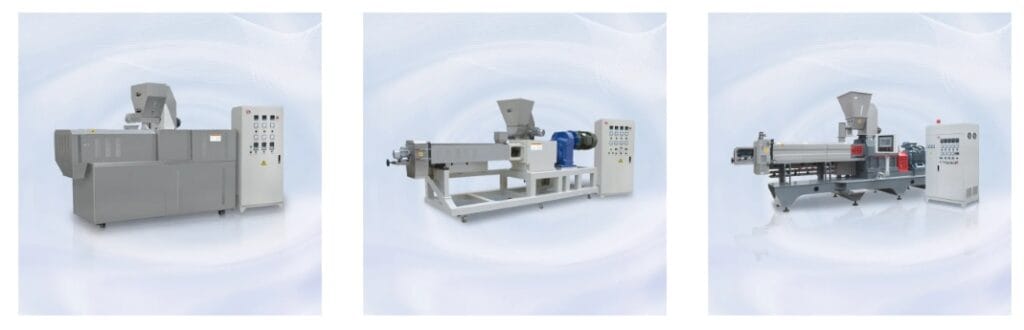
- Extrusion/Drying: Temperatures, pressures, moisture levels, and kibble density are tracked in real-time.
- Metal Detection: All product passes through metal detectors to catch any potential metallic contamination.
- Checkweighers: On packaging lines, scales ensure every bag or can contains the correct weight.
5.3 Finished Product Testing
Before release, finished products are tested to ensure they meet all nutritional and safety standards.
- Nutritional Verification: Confirmatory analysis is performed to verify the product matches the guaranteed analysis on the label.
- Shelf-Life Testing: Products are stored under controlled conditions and tested periodically to validate their stability and nutritional integrity over the declared shelf life.
- Palatability Trials: While often conducted separately, many companies perform in-home or kennel-based feeding trials to ensure cats find the food highly palatable.
5.4 Facility Sanitation and Pest Control
A clean manufacturing environment is non-negotiable. This involves:
- Master Sanitation Schedules: Detailed, frequent cleaning of all equipment using approved protocols.
- Good Manufacturing Practices (GMPs): Policies for employee hygiene, clothing, and conduct within the plant.
- Integrated Pest Management (IPM): A proactive program to prevent pest infestations without relying solely on pesticides.
Part 6: Specialized Formulations and Future Trends
The cat food industry is dynamic, continuously evolving with new research and consumer demands.
6.1 Life Stage Nutrition
High-quality producers recognize that a one-size-fits-all approach is inadequate.

- Kitten Food: Higher in protein, fat, calories, and specific minerals like calcium and phosphorus to support rapid growth and development.
- Adult Maintenance: Formulated to maintain an ideal body condition and support overall health.
- Senior/Geriatric Food: Often adjusted for lower calories to prevent obesity, with added joint support, and sometimes controlled levels of phosphorus to support renal health.
6.2 Therapeutic or Prescription Diets
In collaboration with veterinarians, companies produce specialized diets to manage medical conditions such as:
- Renal (Kidney) Disease: Reduced protein and phosphorus.
- Urinary Health: Controlled mineral levels and promoted urinary pH to prevent crystal formation.
- Food Allergies/Intolerances: Limited ingredient diets (LID) or novel protein sources (e.g., duck, venison, kangaroo).
- Gastrointestinal Sensitivity: Highly digestible formulas with prebiotics and probiotics.
6.3 Emerging Trends
- Human-Grade and Fresh/Refrigerated Foods: This category emphasizes ingredients fit for human consumption and minimal processing, often delivered fresh or frozen.
- Freeze-Dried and Dehydrated Raw: These processes remove moisture at low temperatures, preserving the nutritional profile of raw ingredients while making them shelf-stable. They are often rehydrated with water before feeding.
- Sustainable and Ethical Sourcing: Consumers are increasingly interested in the environmental and ethical footprint of their pet’s food, leading to a rise in products using responsibly sourced fish, free-range poultry, and insect-based proteins.
- Holistic and Functional Ingredients: The inclusion of ingredients like blueberries (antioxidants), turmeric (anti-inflammatory), and kelp (minerals) for their perceived functional health benefits beyond basic nutrition.
- Personalized Nutrition: The future may see diets tailored to an individual cat’s genetic makeup, microbiome, and health status, based on at-home test kits.
The production of high-quality cat food is a testament to the intersection of love and science. It begins with a deep respect for the feline as an obligate carnivore and a commitment to their physiological needs. This commitment is then executed through a meticulous process that encompasses thoughtful formulation with premium, named ingredients, advanced manufacturing techniques like extrusion and retorting, and an uncompromising system of quality assurance that safeguards every step from the supplier to the bag.
True quality is not about the most appealing marketing or the highest price; it is about transparency, scientific integrity, and a relentless focus on the health and well-being of the cat. It is found in the named chicken meal that provides dense protein, the fish oil that supplies essential Omega-3s, the precise balance of vitamins and minerals, and the sterile, safe package that delivers this nutrition to the bowl. As our understanding of feline nutrition deepens and technology advances, the standard for quality will continue to rise, pushing the industry towards ever more innovative and beneficial ways to nourish our feline companions for their entire lives. For the discerning pet owner, understanding this complex journey is the first step in making an informed and responsible choice for their cat’s most fundamental need: excellent nutrition.
Leave A Comment