
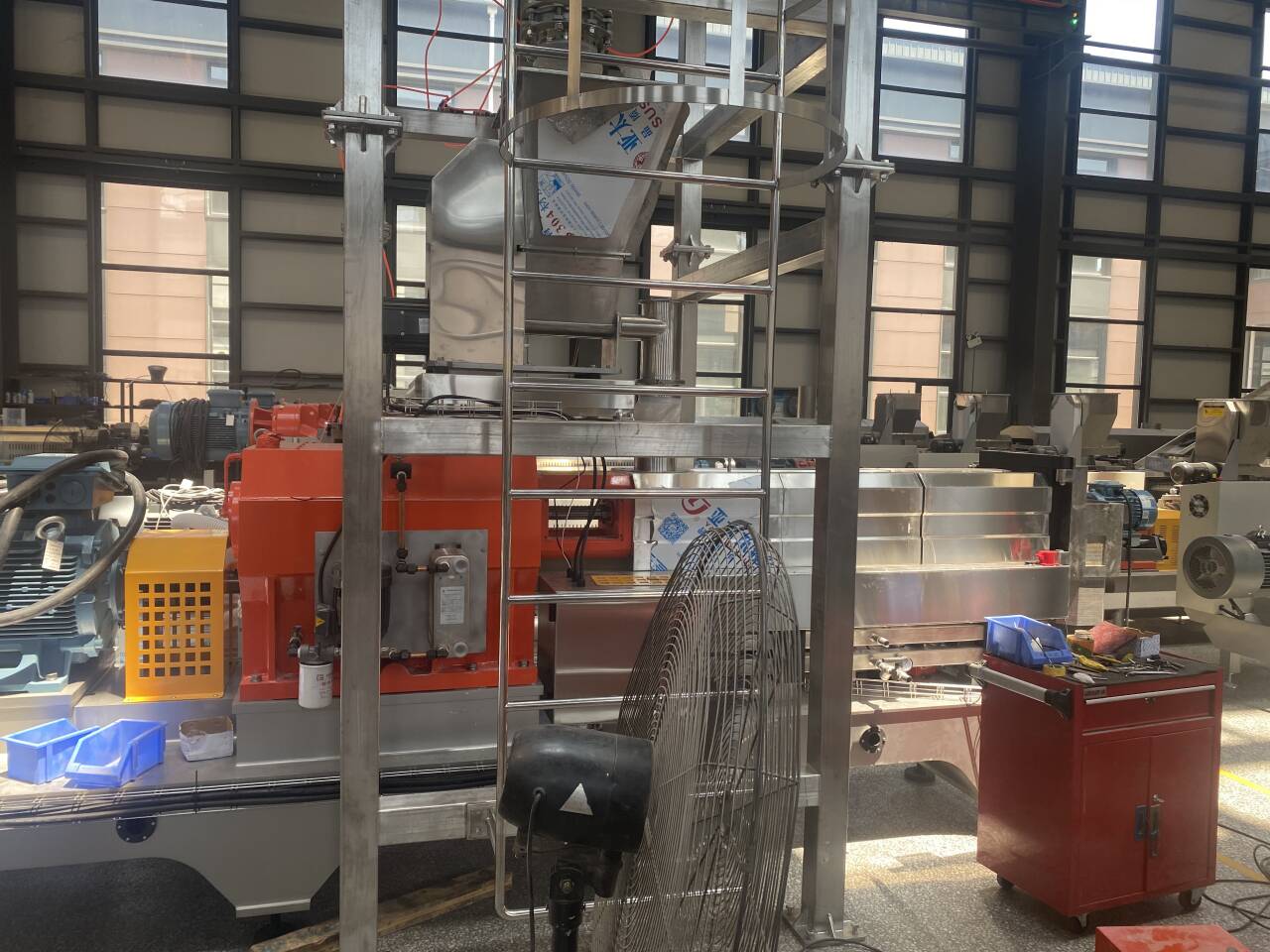
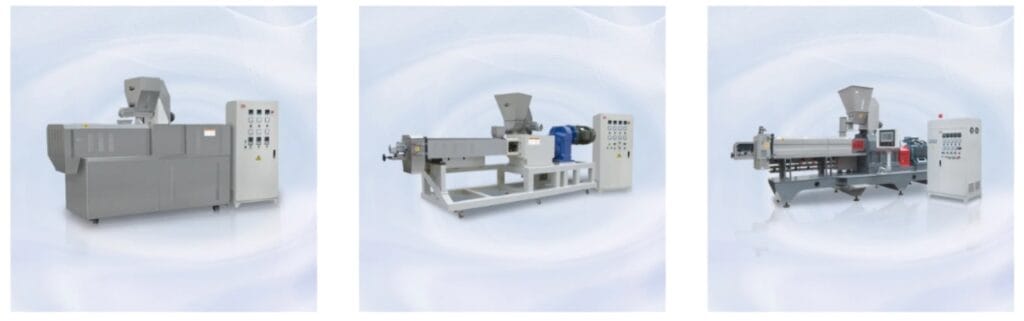
Proper lubrication is the single most critical preventive maintenance task for ensuring the longevity, efficiency, and reliability of a twin-screw extruder. food extruder machine The high mechanical loads, temperatures, and continuous operation demand a disciplined lubrication regimen. extruding machines This guide outlines the key principles, points, and procedures for effective extruder lubrication.
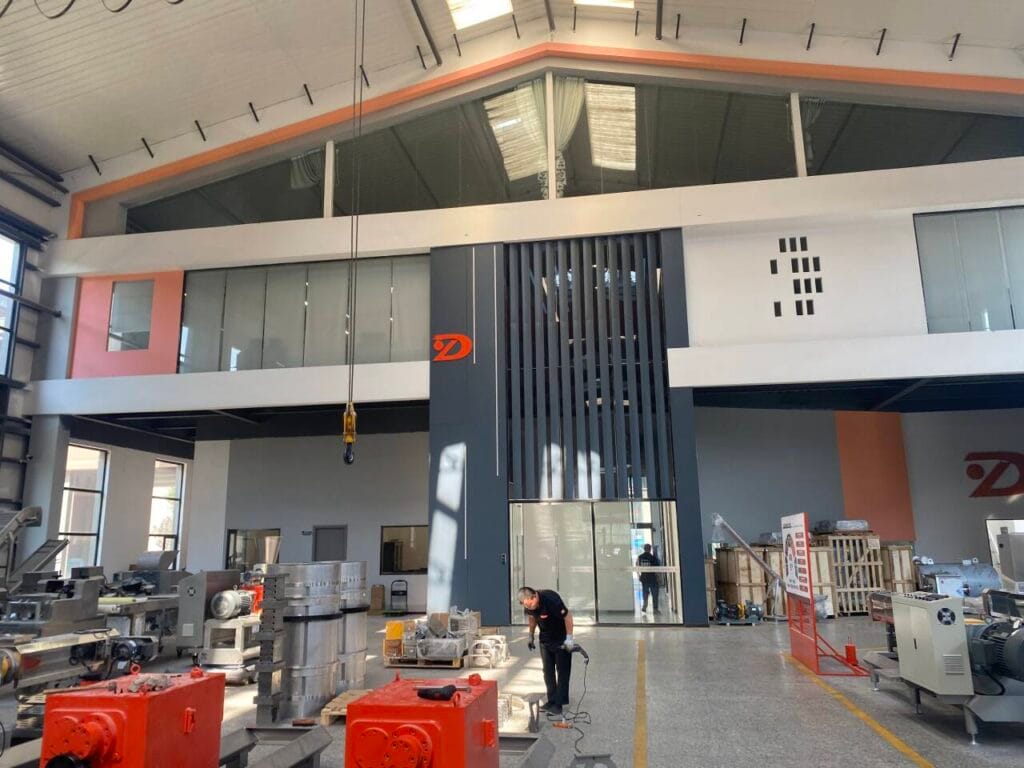
1. Understanding the Lubrication Points
A twin-screw extruder has two primary, independent lubrication systems:
- A. The Gearbox (Main Transmission): This is the heart of the drive system. food extruder machine It reduces the motor’s RPM to the required screw speed and splits torque to two output shafts.
- Lubrication Type: Circulating Oil System. A pump continuously circulates oil through the gearbox, cooling it and delivering lubricant to gears and bearings.
- Key Components Lubricated: Gears (helical/spur), all internal bearings, extruding machines and synchronization gears.
- B. The Thrust Bearing Assembly: This crucial assembly absorbs the immense axial force (thrust) generated by the pressure building up inside the barrel as material is conveyed.
- Lubrication Type: Circulating Oil System (separate from gearbox). It has its own reservoir, pump, and often a dedicated cooler.
- Key Components Lubricated: The multiple rows of tapered roller thrust bearings and housing.
- C. Secondary Grease Points (if applicable):
- Screw Shaft Seals (Stuffing Boxes): Some designs require periodic greasing of lip seals or packing to prevent product ingress and grease leakage.
- Motor Bearings: Standard greased bearings per motor manufacturer specs.
- Vent Port Mechanical Seals: On side vent stuffers.
- Feed Hanger Bearings: Where the screw shafts enter the barrel.
2. Selecting the Correct Lubricants
Never compromise on lubricant specifications. extruding machines Always use the exact grade recommended by the extruder manufacturer (OEM).
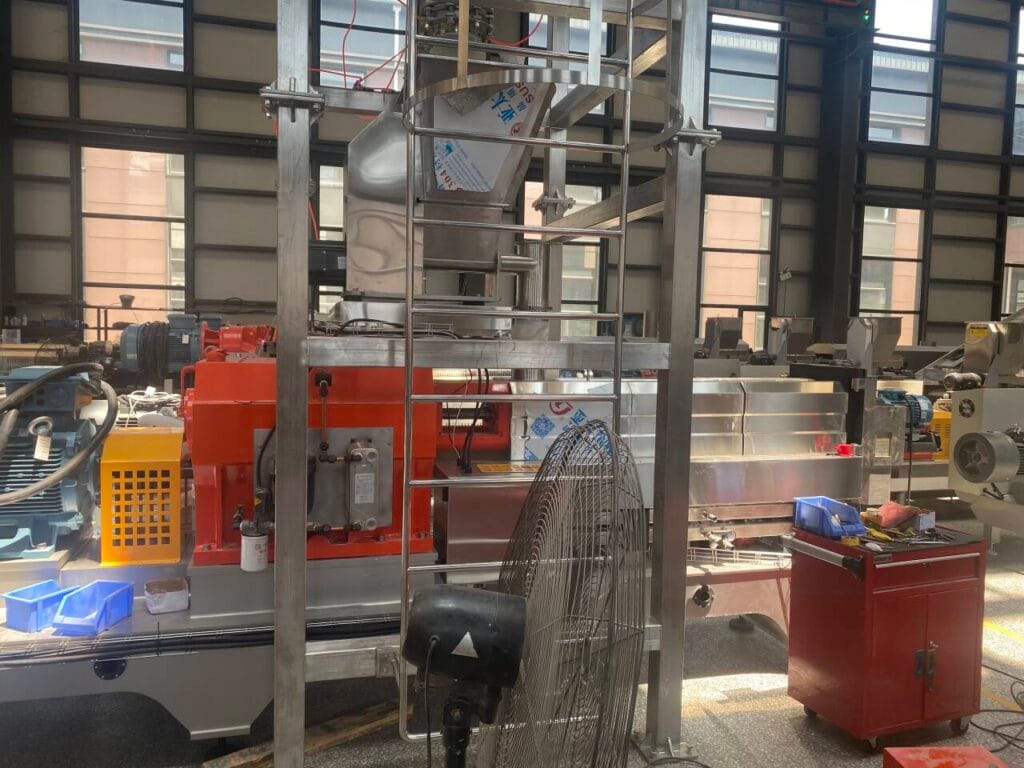
- Gearbox & Thrust Unit Oil:
- Type: High-performance, extreme pressure (EP), anti-wear (AW) hydraulic oil or specific gear oil. ISO VG 220 or 320 is common, food extruder machine but follow the manual.
- Properties: Must have excellent thermal stability, oxidation resistance, anti-foam, and demulsibility (ability to separate from water).
- Brand Consistency: Stick with one reputable brand/type once selected. Mixing different oils can cause additive precipitation and failure.
- Grease: Use high-temperature, food-grade (e.g., NSF H1) grease if there is any chance of incidental contact with product. Lithium complex or synthetic greases are common.
3. Standard Lubrication Procedures & Schedule
Follow a strict schedule based on operating hours. The below is a general guideline; ALWAYS defer to your OEM manual.
| Task | Frequency | Procedure & Key Points |
|---|---|---|
| Daily Checks | Every Shift / Startup | 1. Visual Oil Level: Check sight glasses on both gearbox and thrust unit reservoirs. Oil should be at the “COLD” mark before startup, and between “MIN/MAX” during operation. 2. Pressure & Temperature: Verify circulating oil pressure is in the normal range (typically 2-4 bar). Check oil temperature gauges. Thrust unit oil temp should typically be < 65°C (149°F). 3. Listen & Look: Listen for the oil pump. Check for leaks around lines, coolers, and filter housings. |
| Weekly Checks | Weekly | 1. Check Filters: Inspect the differential pressure gauge on oil filter housings. Change filters when the delta-P indicates they are clogged (typically yellow/red zone). 2. Top-Up if Needed: Use only the specified oil from a clean, dedicated container. |
| Oil Change – Thrust Unit | Every 2,000 – 3,000 Operating Hours (Most Critical) | 1. Drain oil while HOT (after shutdown) to suspend contaminants. 2. Flush the system with a small amount of new oil if debris is present. 3. Clean magnetic plugs and strainers meticulously. Document any metal particles found. 4. Refill to the correct level with fresh, filtered oil. 5. Check oil cooler fins for dust/debris. |
| Oil Change – Gearbox | Every 4,000 – 6,000 Operating Hours | Follow the same procedure as for the thrust unit. Gearbox oil typically lasts longer but is equally vital. |
| Grease Points | Per OEM Schedule (e.g., every 500-1000 hrs) | 1. Clean grease nipples thoroughly before applying. 2. Use a manual or powered grease gun. 3. Apply slowly until a slight purge of fresh grease is seen at the seal purge port. Do not over-grease, as this can blow out seals. 4. Wipe away excess grease. |
4. Critical Best Practices and Warnings
- Oil Analysis: Implement a routine used oil analysis program. Send samples to a lab every oil change. They will report on viscosity, wear metals (iron, copper), contamination (water, silica), and additive depletion. This is a powerful predictive maintenance tool.
- Contamination is the Enemy: Keep everything clean. Use dedicated, clean funnels and containers. Never leave reservoirs open. Ensure breather filters/vents on reservoirs are clean.
- Temperature Control: Ensure oil coolers (air or water) are functioning. High oil temperature (>75-80°C) rapidly degrades oil and damages bearings.
- Break-In Oil: After a major overhaul, the manufacturer may recommend a special “break-in” oil for the first 500 hours. Do not skip this step.
- Record Keeping: Maintain a detailed logbook of every check, top-up, filter change, and oil analysis report. Track trends.
- Safety First: Lock Out/Tag Out (LOTO) the machine before performing any maintenance. Be aware of hot surfaces.
5. Troubleshooting Common Lubrication Issues
- Rising Oil Temperature: Clogged oil cooler, low oil level, failing pump, or excessive mechanical friction (bearing failure).
- Falling Oil Pressure: Clogged suction strainer, failing pump, or severe internal leak.
- Water in Oil (Milky Appearance): Leak in oil cooler (if water-cooled), condensation from humid environment. Drain and replace oil; fix the leak.
- Excessive Metal Particles in Filter/Plug: Indicates ongoing wear (gears or bearings). Increase monitoring frequency and plan for inspection.
Lubrication is not just an add-on task; food extruder machine it is the lifeblood of your twin-screw extruder’s drivetrain.extruding machines A systematic, documented, and high-quality approach to lubrication will prevent the vast majority of catastrophic failures, ensure consistent operation, and protect your significant capital investment. When in doubt, consult your OEM manual and seek expert advice.
Leave A Comment