
6 Critical Considerations in the Dog Food Manufacturing Process
Producing high-quality dog food is a complex process that blends nutritional science with stringent safety protocols. The goal is to create a product that is not only palatable but also safe, nutritious, and consistent. dog food making machine For manufacturers, paying close attention to every stage of production is paramount. Here are six critical points to consider:
1. Ingredient Sourcing and Quality Control
The foundation of any excellent dog food is the quality of its ingredients. dog food making machineIt is crucial to source raw materials—such as meats, grains, vegetables, and vitamins—from reputable and certified suppliers.dog food making machine Each incoming shipment should be rigorously inspected for contaminants, such as heavy metals, pesticides, or harmful bacteria like Salmonella and E. coli. Implementing a robust supplier verification and ingredient testing program ensures that only safe, high-quality materials enter the production line, preventing issues before they begin.
2. Nutritional Balance and Formulation
Dogs have specific nutritional requirements that vary by life stage, breed, and health status. The formulation of the food must be precisely calculated by qualified veterinary nutritionists to meet established nutritional standards (like those from AAFCO). It’s not just about the quantity of protein or fat, but the balance of essential amino acids, fatty acids, vitamins, and minerals. Inaccurate formulations can lead to nutritional deficiencies or toxicities, impacting the long-term health of the pets consuming the food.
3. Thermal Processing and Pathogen Control
Most dog food undergoes thermal processing (cooking) to kill pathogenic bacteria, improve digestibility, and enhance shelf life. The two primary methods are baking (for kibble) and extrusion. It is vital to strictly control time and temperature during this stage. dog food making machineThe process must be hot enough and long enough to eliminate dangerous microorganisms but controlled to prevent the degradation of heat-sensitive nutrients, which often need to be added back after cooking (a process called coating or enrobing).
4. Contamination Prevention and Cross-Contact
A modern facility must have stringent protocols to prevent physical, chemical, and biological contamination. This includes using metal detectors and magnets to catch foreign objects, maintaining impeccable hygiene with regular sanitation of equipment, and controlling the production environment. Furthermore, for facilities producing different product lines (e.g., grain-free and grain-inclusive), strict measures must be in place to prevent cross-contact of allergens, which is crucial for dogs with food sensitivities.
5. Consistency and Palatability
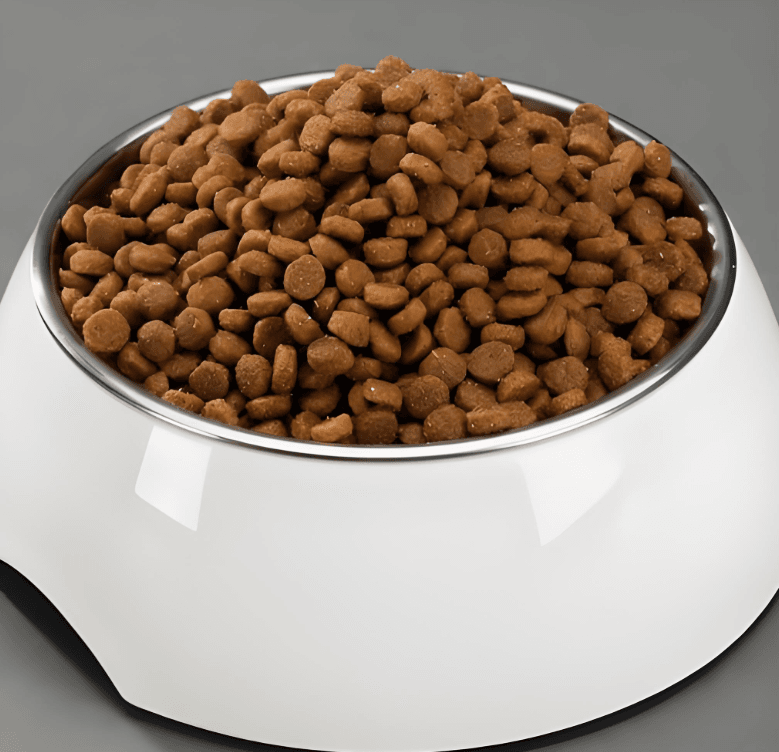
Dogs are creatures of habit, and they expect their food to look, smell, and taste the same every day. Achieving batch-to-batch consistency in size, shape, texture, and flavor is a significant challenge. This requires precise control over the grinding, mixing, and cooking processes. Similarly, palatability—how readily a dog will eat the food—is critical. The use of high-quality palatants, such as natural fats or digest sprays applied after cooking, is essential to ensure the food is appealing to its canine audience.
6. Packaging and Shelf-Life Stability
The final step, packaging, plays a crucial role in preserving the food’s quality and safety. Packaging must be durable, airtight, and light-resistant to prevent oxidation and rancidity of fats, which destroys nutrients and creates off-flavors. Proper labeling with clear ingredient lists, nutritional guarantees, and an expiration date is not only a regulatory requirement but also a vital tool for consumer trust and safety.
In conclusion, manufacturing dog food is a responsibility that demands a scientific approach and an unwavering commitment to quality and safety. By focusing on these six key areas—from sourcing to sealing the bag—producers can ensure they are delivering a product that supports the health and well-being of the pets that depend on it.

Leave A Comment