
1. Introduction
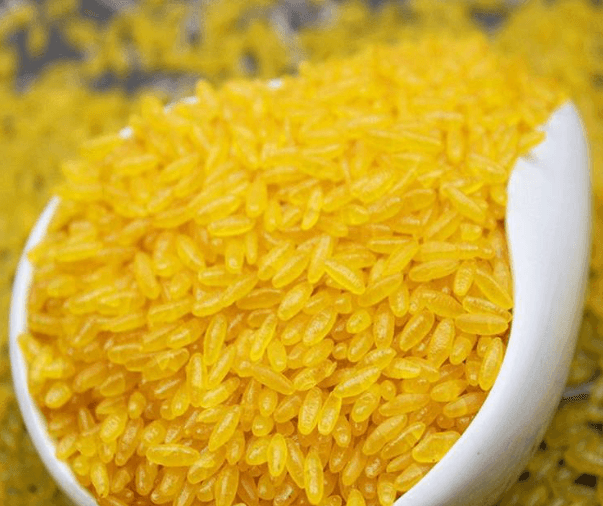
Instant rice, also known as quick-cooking or precooked rice, is a processed grain product designed to significantly reduce preparation time compared to traditional raw rice. Instant rice making machine It is widely used in food service, emergency rations, ready meals, and household cooking for its convenience and long shelf life. The core principle involves partially or fully cooking the rice, then dehydrating it in a way that allows for rapid rehydration.
2. Raw Material Selection & Preparation
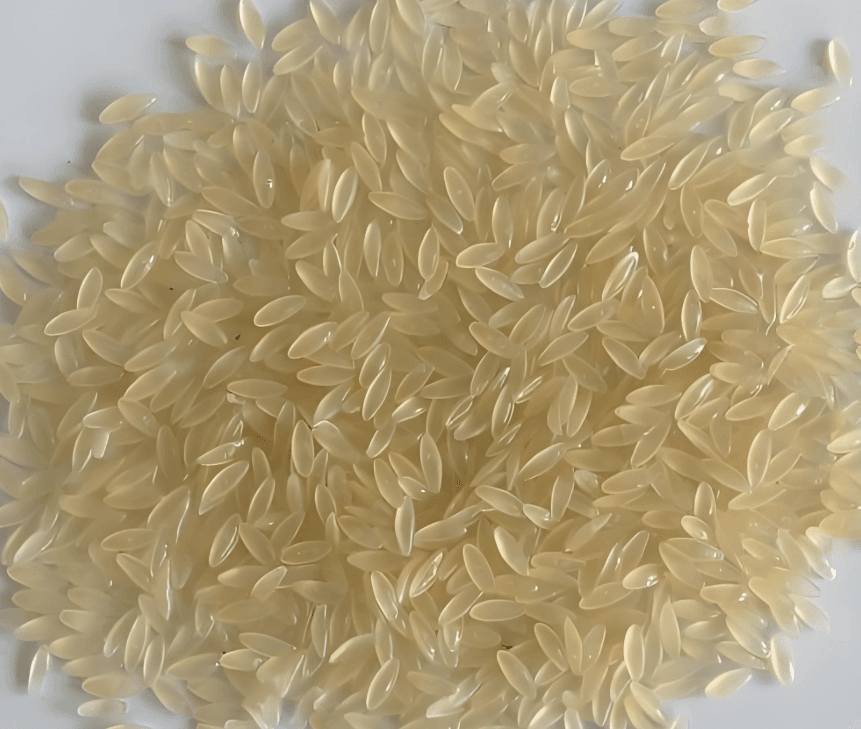
- Rice Variety: Medium or long-grain white rice is most common due to its structure and lower amylose content, which yields less sticky instant rice. Parboiled (converted) rice is often preferred for its firmer texture and higher nutrient retention.
- Cleaning & Milling: Paddy rice is cleaned to remove impurities (stones, husks) and milled to remove the husk, bran, and germ, producing white rice.
- Inspection: Rice grains are sorted by size and color to ensure uniformity.
3. Core Processing Stages
Stage 1: Pre-treatment
- Washing & Soaking: Rice is washed and soaked in water to increase its moisture content (typically to ~30-40%). This hydrates the starch granules for uniform cooking.
- (Optional) Steaming (Pre-gelatinization): The soaked rice may be lightly steamed under pressure. This begins the starch gelatinization process, Instant rice making machine ensuring complete and uniform cooking later.
Stage 2: Cooking
- Primary Cooking: The pre-treated rice is fully cooked using one of two main methods:
- Excess Water Cooking: Rice is boiled in a large volume of water until fully gelatinized (similar to home cooking).
- Saturated Steam Cooking: Rice is cooked under pressurized steam. This is more efficient for large-scale production and offers better nutrient retention.
- The cooking process fully gelatinizes the starch, transforming the hard, opaque kernel into a soft, translucent one.
Stage 3: Drying & Fixing the Structure
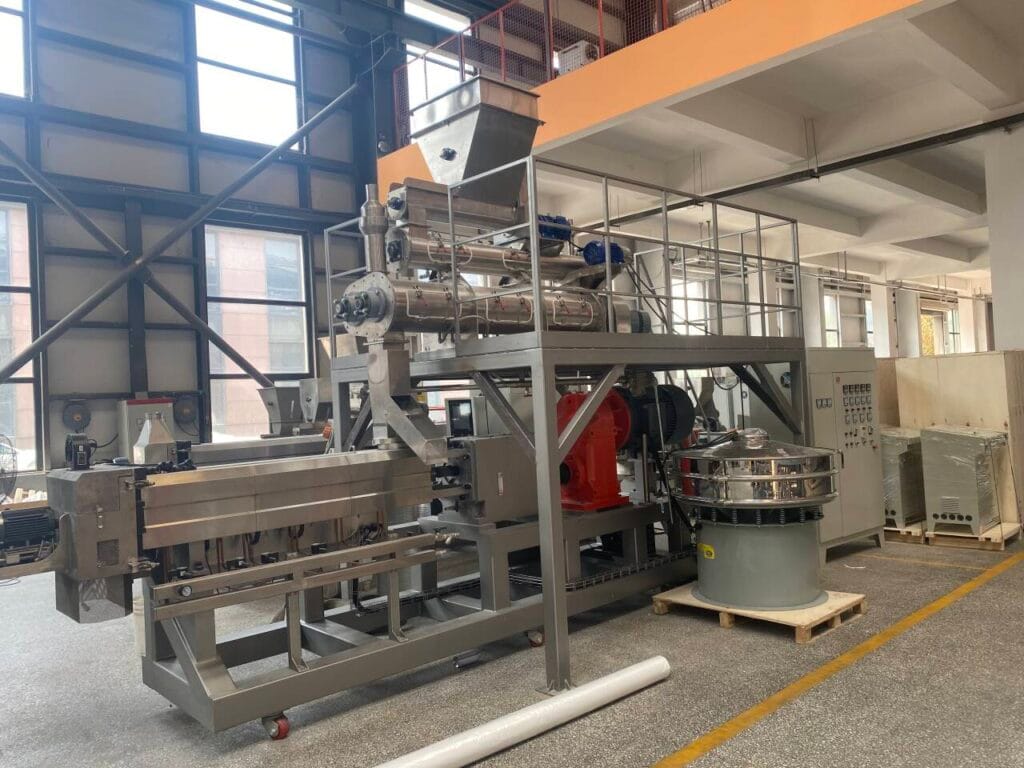
This is the most critical step, defining the final product’s texture and rehydration speed. Two primary technologies are used:
A. Multi-Stage Hot Air Drying (Most Common)
- Disintegration: The cooked, soft rice mass is broken up into individual grains using vibrating screens or air streams.
- Conditioning: Grains are held in bins to allow for moisture equilibration. Instant rice making machine
- Drying: Rice is passed through a multi-stage conveyor dryer with controlled temperature (typically 80-110°C / 176-230°F) and air flow. The process is carefully designed to rapidly remove surface moisture first, then slowly remove internal moisture.
- Result: Creates numerous microscopic voids and cracks in the grain, forming a porous, honeycomb-like internal structure. This allows water to penetrate rapidly during rehydration.
B. Gun Puffing or Explosion Puffing
- Partial Drying: The cooked rice is partially dried to a firm but pliable state.
- Pressure Chamber: Rice is placed in a sealed “gun” or chamber and subjected to high-pressure, superheated steam (e.g., 8-15 bar).
- Instant Pressure Release: The chamber is suddenly opened to atmospheric pressure. This explosive decompression causes the superheated internal moisture to flash into steam, Instant rice making machine violently expanding (puffing) the rice kernel.
- Final Drying: The puffed rice is finish-dried to a stable moisture content.
- Result: Produces a highly porous, light, and very quick-cooking product, often with a more distinct texture.
Stage 4: Cooling & Conditioning
- The dried hot rice is cooled to near ambient temperature.
- It is often conditioned in bins to allow final moisture equilibration within and between grains, ensuring stability.
Stage 5: Final Processing & Packaging
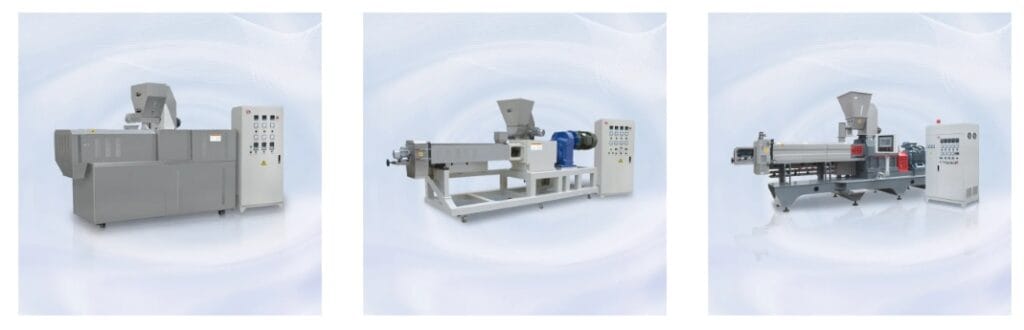
- Screening & Sorting: Grains are sieved to remove broken pieces and clumps. Optical sorters may remove discolored grains.
- (Optional) Enrichment: A nutrient slurry (containing iron, thiamine, niacin, folic acid) may be sprayed onto the grains to replace vitamins lost during milling, followed by a final drying step.
- (Optional) Coating: A thin layer of emulsifiers (e.g., lecithin) or gums may be applied to prevent clumping and improve rehydration texture.
- Packaging: The instant rice is packaged in airtight, moisture-proof bags, cartons, or cups, often under a nitrogen atmosphere to prevent oxidation and extend shelf life.
4. Key Quality Parameters
- Rehydration Time: Should typically be 5-10 minutes in boiling water or steam.
- Moisture Content: Final product usually has 6-10% moisture for stability.
- Degree of Gelatinization: Must be near 100% for proper texture.
- Wholeness: High percentage of unbroken grains is desirable.
- Texture & Taste: Should resemble conventionally cooked rice upon rehydration—tender but not mushy, with a neutral or slightly nutty flavor.
5. Advantages of the Process
- Convenience: Drastically reduces cooking time and fuel/energy use for the end consumer.
- Safety: Cooking and drying destroy microorganisms and enzymes, enhancing shelf stability.
- Versatility: Can be customized (enriched, flavored, blended with other grains) during processing.
- Reduced Waste: Consistent and predictable yield and cooking results.
The manufacturing of instant rice is a controlled, multi-stage thermal process centered around complete starch gelatinization followed by rapid, structured dehydration. Instant rice making machine By creating a porous microstructure through hot air drying or explosion puffing, the process enables the dried rice to quickly reabsorb hot water, essentially completing the final step of cooking in minutes. This technology effectively separates the time-and-energy-intensive cooking phase from the point of consumption, delivering the nutritional value and sensory attributes of rice in an ultra-convenient format.
Leave A Comment