
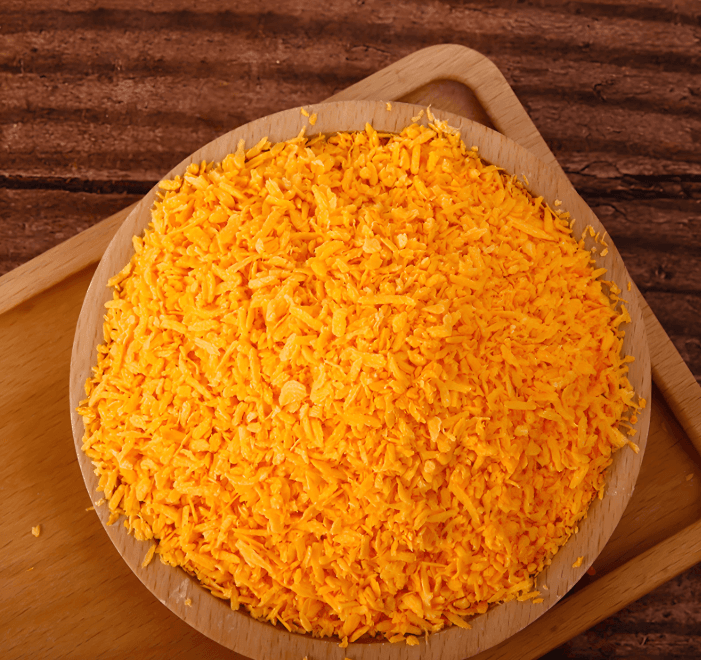
The production of extruded breadcrumbs, commonly known as “crispy crumbs” or “panko-style crumbs,” is often marketed as a modern, bread crumbs machine efficient alternative to traditional oven-baked breadcrumbs. commercial bread crumb machine However, a closer examination reveals several industrial realities that are rarely highlighted in promotional materials. This article aims to objectively disclose the common processing steps and their implications for the final product.
1. Ingredient Sourcing and Base Composition
Contrary to the image of “toasted bread,” the primary ingredient is typically low-cost wheat flour, not actual baked bread. To reduce costs, manufacturers often use:
- Industrial-grade flours with standardized gluten content.
- Starch fillers like potato or tapioca starch to alter texture and reduce protein content.
- A precise blend of water, salt, yeast extract (for flavor), and emulsifiers (like monoglycerides) to ensure dough stability and machine processability.
- The goal is to create a uniform, inexpensive dough mass optimized for machinery, not artisanal flavor.
2. The High-Temperature, High-Pressure Extrusion Process
This is the core of the industrial method. The dry mix and water are fed into a twin-screw extruder.
- The dough is subjected to intense mechanical shear and high temperatures (often 130-160°C/266-320°F) under significant pressure inside the sealed barrel.
- This process instantaneously gelatinizes the starch, bread crumbs machine destroying the native granular structure of the flour. It creates a highly plasticized, homogeneous melt.
- The “needle” or “flake” shape is not achieved by slicing bread but by forcing this hot melt through a specialized die and cutting it with high-speed blades. The shape is entirely determined by the die hole geometry and cutter speed.
3. The Drying and Browning Stage
The extruded, moist strands or flakes are then dried.
- Rapid Drying: They pass through a multi-stage hot-air dryer or oven, where moisture is rapidly reduced from ~25% to ~5-8%.
- Color Development: The golden-brown color associated with breadcrumbs is not solely from slow toasting. It is primarily achieved through controlled Maillard reactions and caramelization during this high-heat drying phase. In some cases, commercial bread crumb machine small amounts of sugar or dextrose may be added to the base mix to promote even browning.
- This stage finalizes the hard, crispy, and dry texture. The rapid processing does not allow for the development of complex fermented bread flavors.
4. The Functional Outcome vs. Traditional Breadcrumbs
The design of this process prioritizes functionality and cost-efficiency over flavor complexity.
- Pros (from a manufacturer’s perspective):
- Consistency: Perfectly uniform size, shape, and color, batch after batch.
- Low Cost & High Yield: Continuous process with minimal waste, using inexpensive raw materials.
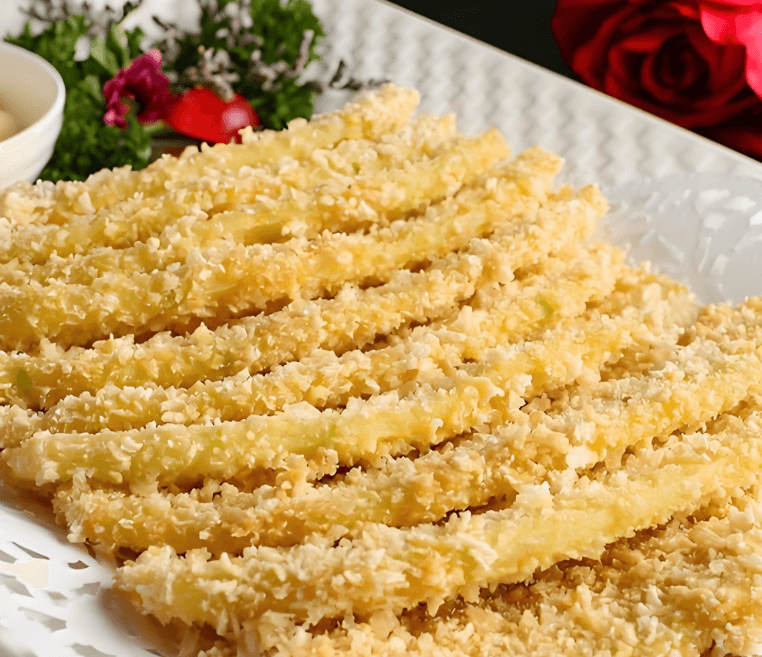
- Specific Functionality: Engineered to be extra crispy, highly absorbent (for oils), and to provide a thick, consistent coating that adheres well during frying. The hollow, elongated structure of needle crumbs creates a pronounced crunchy texture.
- Cons (from a culinary perspective):
- Neutral/Flat Flavor: Lacks the nuanced, yeasty, and wheaty notes of slowly fermented, oven-baked, and naturally dried bread.
- Processed Texture: Can have a uniform, sometimes slightly hard or “sharp” crunch, unlike the more varied, delicate shatter of real breadcrumbs.
- Additive Use: Relies on emulsifiers and processing aids to ensure smooth industrial production.
Conclusion: A Processed Food Ingredient
Describing extruded breadcrumbs as “processed bread” would be an oversimplification. commercial bread crumb machine A more accurate description is a “directly extruded, cooked wheat-starch-based product” engineered to mimic and enhance certain functional properties of traditional breadcrumbs.
For consumers and food producers, the choice depends on the priority:
- Choose traditional oven-baked breadcrumbs for superior, authentic flavor and a more delicate texture.
- Choose extruded breadcrumbs for consistent performance, intense crispiness, lower cost, and high-volume supply—qualities that make them dominant in the food service and industrial food manufacturing sectors.
The process is a testament to food engineering efficiency, but it clearly diverges from the traditional culinary craft of making breadcrumbs. Transparency about this difference allows for more informed choices in the kitchen and the factory.
Leave A Comment