
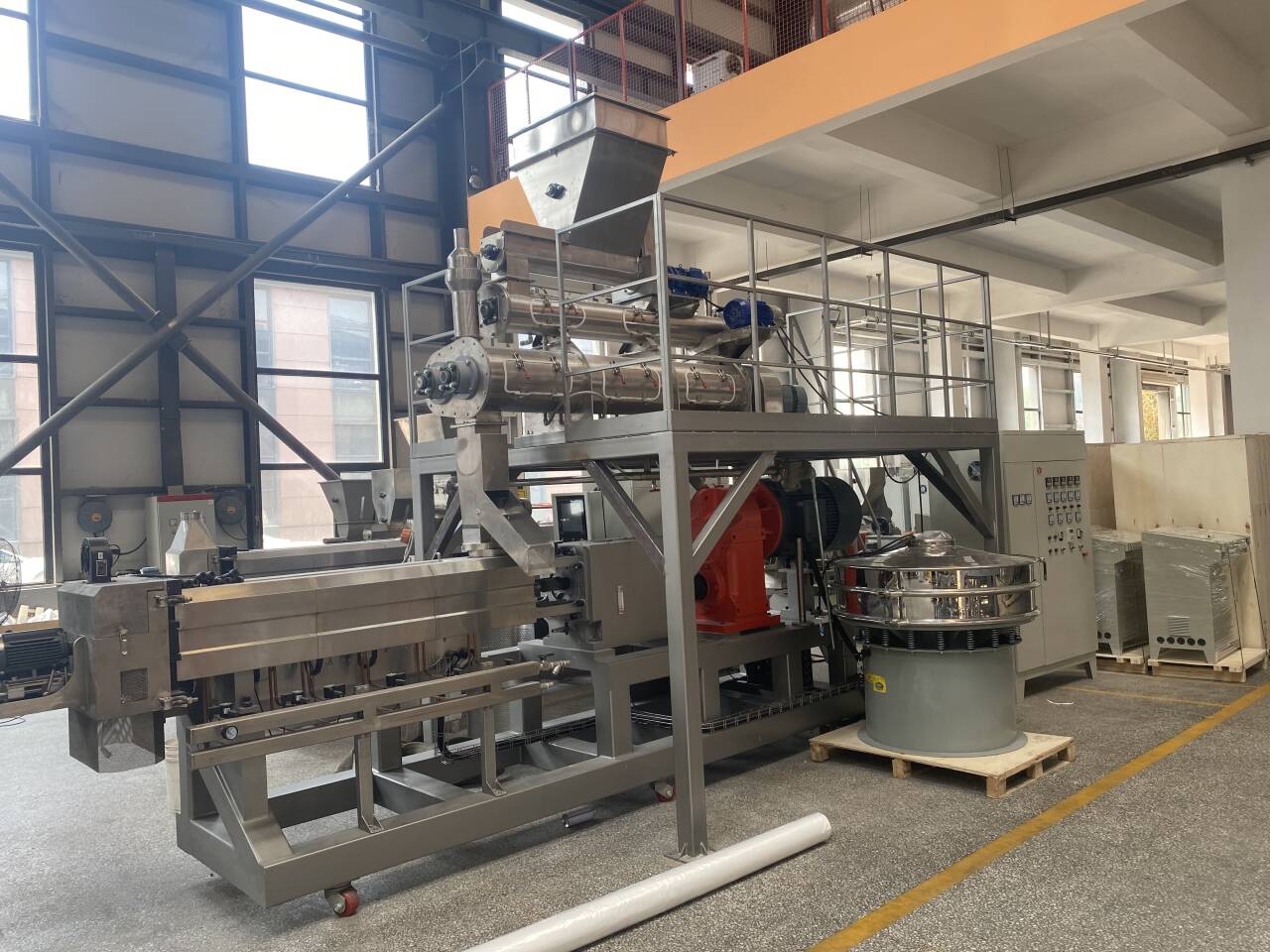
Proper extruder operation is the cornerstone of consistent product quality, optimal efficiency, and equipment longevity. food extruder machine Moving beyond basic startup and shutdown procedures, effective extruder management requires a holistic approach encompassing process parameters, ingredient science, and preventive maintenance. Here is a guide to the principles of rational extruder use.
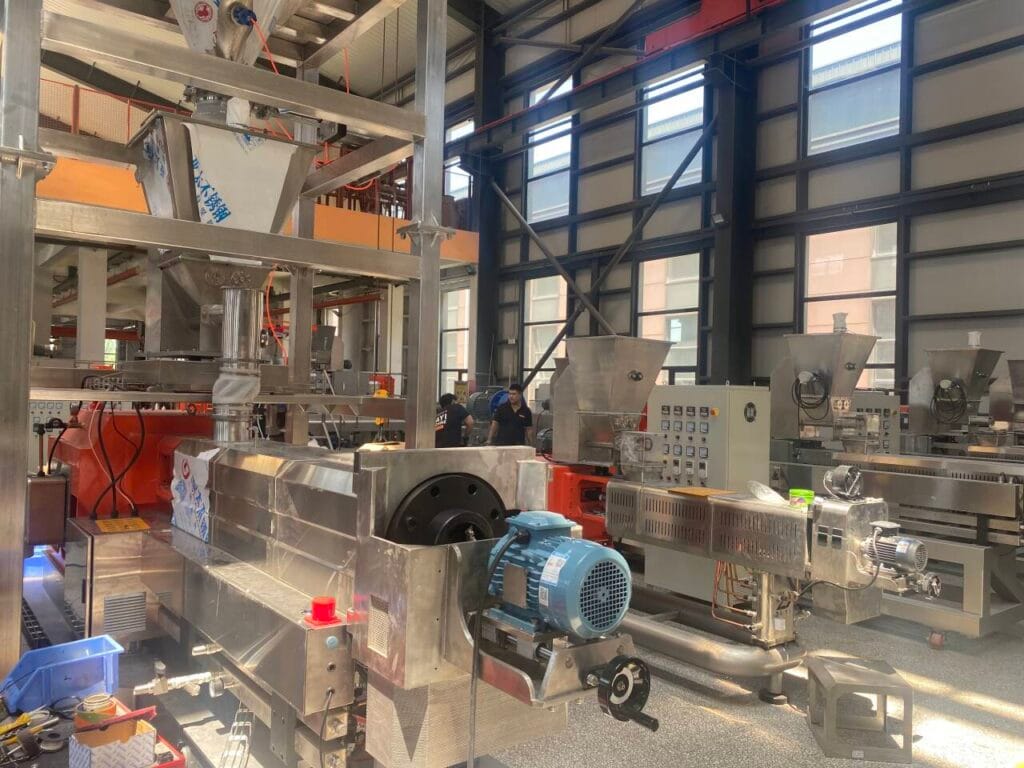
1. Foundational Principles: Understanding the Process
An extruder is not just a heater and a screw; it is a thermo-mechanical reactor. food extruder machine Effective use requires understanding the interplay between:
- Mechanical Energy Input (Shear): Controlled by screw speed and configuration.
- Thermal Energy Input (Heat): Provided by barrel heaters and the conversion of mechanical energy.
- Residence Time: How long material stays in the barrel, influenced by screw design, speed, and feed rate.
- Mass Properties: Moisture content, particle size, and composition of the raw mix.
The goal is to balance these factors to achieve the specific cooking degree, texture, and shape required for the product.
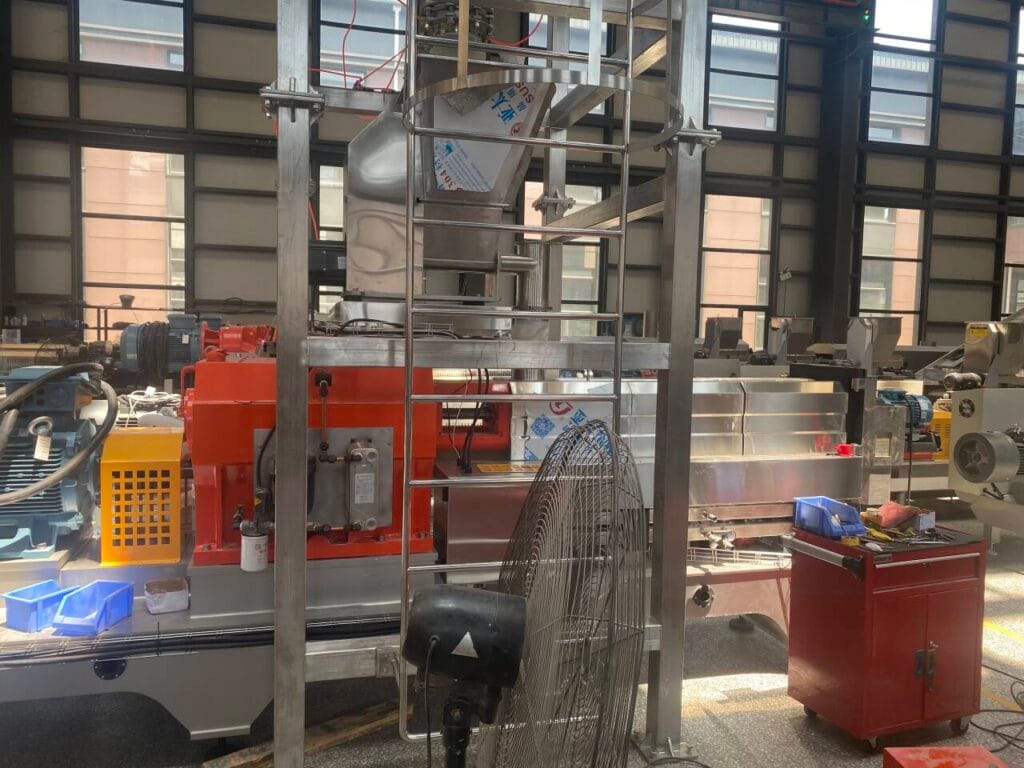
2. Pre-Operation: Preparation is Key
- Recipe Standardization: Use a precisely weighed and pre-mixed recipe. Consistent ingredient particle size and moisture are critical for stable flow and uniform cooking.
- Pre-Conditioning Optimization: If using a pre-conditioner, ensure it is properly adjusted. food extruder machine Adequate steam and moisture addition here can reduce mechanical wear in the main extruder barrel and improve cooking uniformity by up to 50%.
- Screw Configuration: For twin-screw extruders, select the correct sequence of screw elements (conveying, kneading, reverse) to achieve the desired mixing, shear, and pressure profile. Document configurations for each product.
- Die Selection: Install the correct die for the product shape. Ensure die inserts are clean and not worn.
- Machine Check: Verify all cooling water and hydraulic lines are open, thermocouples are functional, and the drive system is ready.
3. Startup & Shutdown Procedures
- Gentle Startup: Never start an extruder dry or under full load.
- Start the main drive at a very low speed (10-20% of target).
- Begin feeding the main feeder slowly, using a high-moisture, easy-flowing material (like the main recipe with extra water) or a start-up mix (e.g., coarse grain, sugar, oil).
- Gradually increase feed rate and screw speed in tandem while applying barrel heat profiles.
- Once product emerges from the die and process parameters (torque, pressure) stabilize, transition to the main recipe and adjust to final targets.
- Orderly Shutdown:
- Switch the feeder to a purge material (e.g., high-oil, high-fiber, or sugar-based mix) to push out the product recipe from the barrel. This prevents hardened material from clogging the screw or die.
- Gradually reduce feed rates, screw speeds, and finally turn off heaters.
- Allow the purge material to run until the extrudate is mostly clear of product. Stop the feeder and let the screw run empty for a minute before stopping the main drive.
- Partially disassemble the die head and, if possible, the final barrel sections while hot to clean. This is far easier than chiseling out carbonized material later.
4. Key Operational Parameters & Their Management
Mastering the “knobs” of the process is essential:
- Specific Mechanical Energy (SME): This is the most important holistic parameter. SME = (Motor Power Input) / (Mass Flow Rate). It quantifies the mechanical cooking energy. Monitor torque/amperage closely—it is the real-time indicator of SME. Adjust feed rate (mass flow) or screw speed to control it.
- Moisture Content: The primary control variable.food extruder machine Higher moisture reduces viscosity, lowers SME and product density, and generally creates a less expanded, softer texture. Lower moisture increases viscosity, shear, SME, and expansion, leading to a crispier, more brittle product.
- Barrel Temperature Profile: Typically, a gradual increase from feed zone to die. The final melt temperature (measured just before the die) is a critical result of all energy inputs (heat + shear). Use barrel cooling (solenoid valves) actively to prevent overheating from shear, not just the heaters to add heat.
- Die Pressure: A key indicator of stability. A steady pressure suggests stable flow and cooking. Erratic pressure signals feeding problems, inconsistent moisture, or a blockage forming.
5. Product Quality & Troubleshooting
- Observe the Extrudate: The product at the die tells the story.
- Over-Expansion / Puffing at Die: Moisture too low, temperature too high, or excessive SME.
- Rough, Burnt Surface: High die pressure, degraded material from excessive temperature or long residence time.
- Incomplete Expansion: Insufficient cooking (low SME or low temperature), or moisture too high.
- Keep Records: Log all parameters (speeds, temps, feeds, torque, product attributes) for every production run. This is invaluable for replication and troubleshooting.
6. Maintenance for Longevity
- Follow a PM Schedule: Regularly check screw wear (especially flight tips), barrel liners, and die inserts. Worn screws severely reduce pumping efficiency and SME input.
- Lubricate as Specified: Pay special attention to the main thrust bearing and gearbox.
- Clean Thoroughly: Post-shutdown cleaning prevents contamination and microbial growth. Use appropriate food-grade cleaning protocols.
Rational extruder use is the art of balancing opposing forces—heat vs. cooling, shear vs. lubrication (moisture/oil), and residence time vs. throughput. food extruder machine It requires an operator to be both a technician, monitoring hard data, and an artisan, interpreting the product’s visual and textural cues. By respecting the machine’s mechanics, understanding the material’s science, and implementing disciplined procedures, users can achieve peak performance, maximize output quality, and ensure the extruder’s productive life.
Leave A Comment