
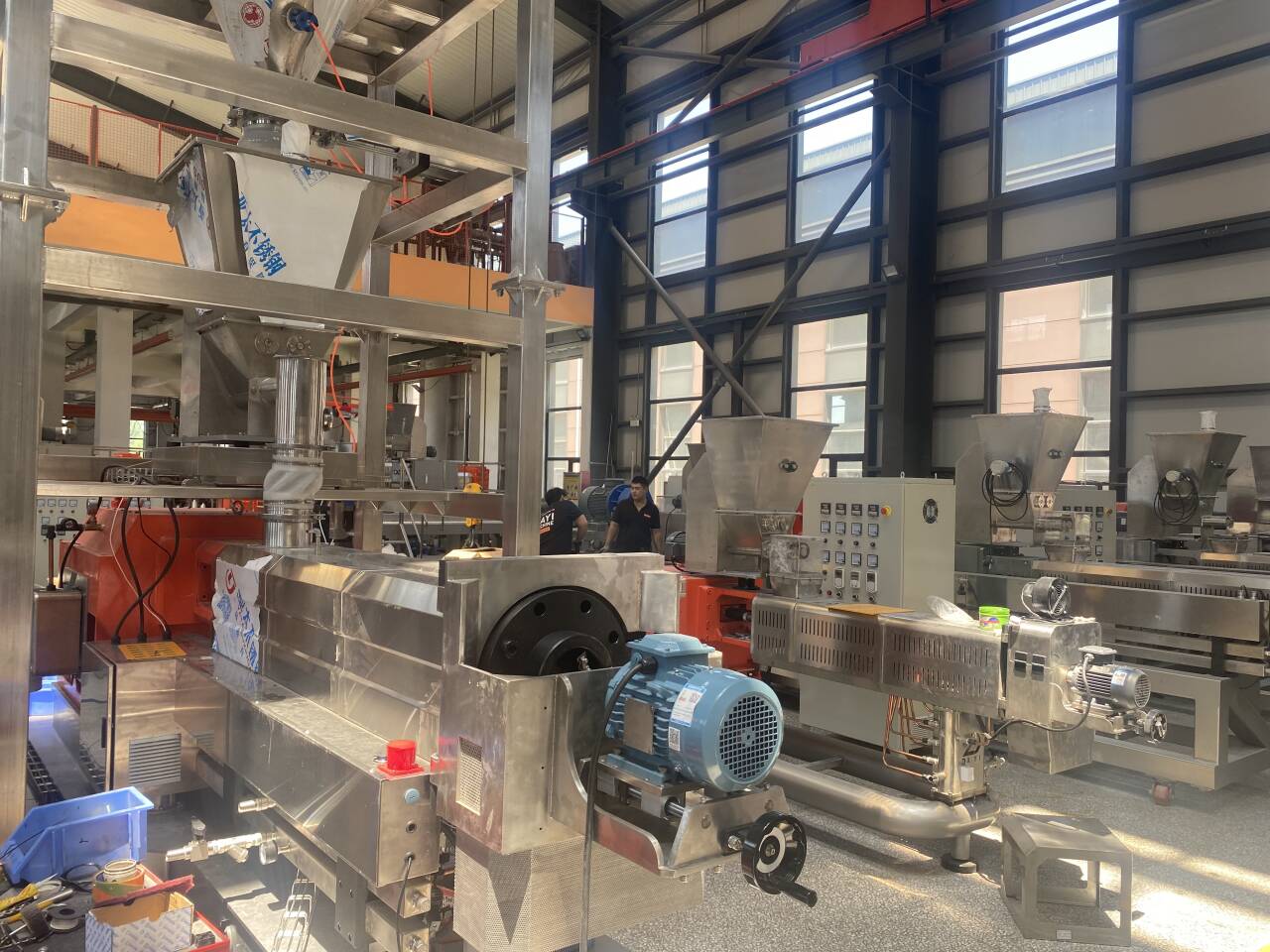
The twin-screw extruder is a complex and vital piece of equipment in many industries, from food and feed production to plastics and chemicals. extruder machine Its efficient operation directly impacts product quality, production cost, and overall profitability. Regular and proactive maintenance is not an option but a necessity. This guide outlines key practices to keep your extruder running smoothly and extend its service life.
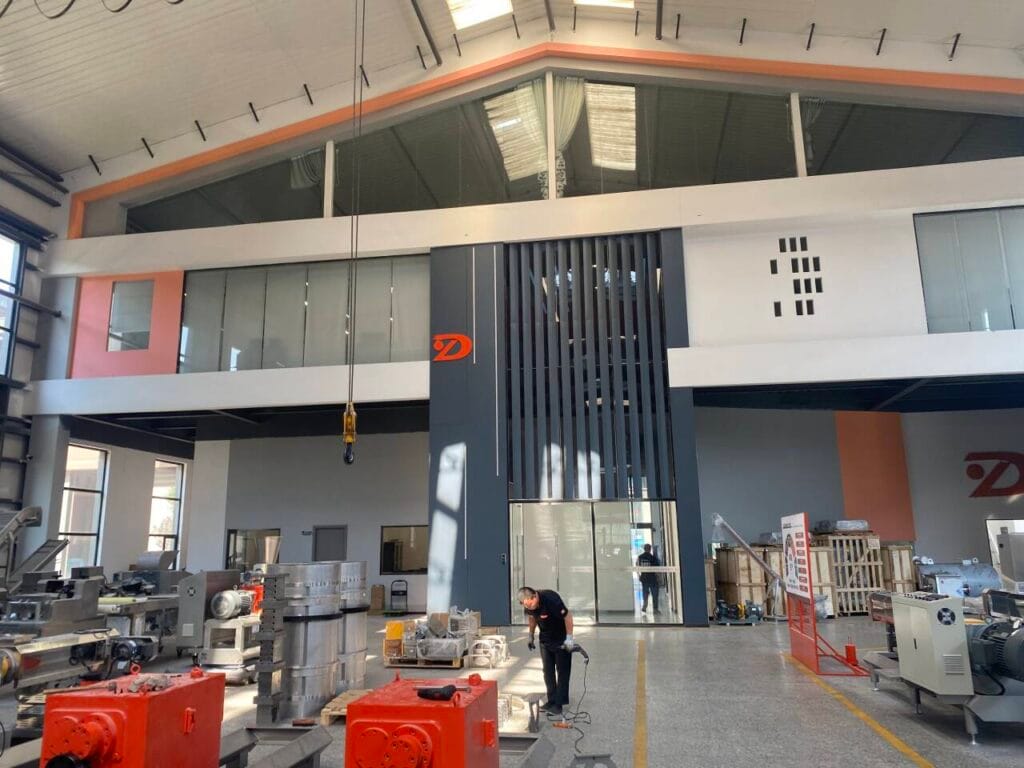
1. Daily/Pre-Startup Checks (Operator Level)
- Visual Inspection: Check for any loose bolts, oil/water leaks, or visible damage around the barrel, drive unit, and connections.
- Lubrication: Check sight glasses for oil levels in the main gearbox and thrust bearing housing. Top up only with the specified lubricants.
- Cooling/Heating Systems: Ensure cooling water lines are open and flow is adequate. Verify that all barrel and die heater bands are functioning and securely fastened.
- Cleanliness: Remove material buildup from the die face, feed hopper, and around the barrel sections. Ensure vents are not clogged.
- Control Panel: Check for any active alarm signals before startup.
2. During Operation (Monitoring)
- Listen: Pay attention to unusual noises—grinding, knocking, or excessive vibration—which may indicate wear, misalignment, or a lack of lubrication.
- Monitor Parameters: Closely watch amperage (motor load), barrel temperatures, pressure at the die, and product output quality. Sudden deviations often signal a problem.
- Feel: Periodically check for excessive heat in bearing housings or gearbox, which can indicate failing bearings or lubrication issues.
3. Weekly/Short Interval Maintenance
- Thorough Cleaning: Perform a more detailed purge and cleaning of the barrel screws and die. Use appropriate purge material recommended for your product.
- Tighten Fasteners: Check and tighten critical bolts on the die clamp, barrel tie-rods, and baseplates, following a torque sequence specification.
- Check Belts & Couplings: Inspect drive belts for tension and wear. extruder machine Look for signs of wear or misalignment in coupling elements.
4. Scheduled Preventive Maintenance (PM)
This is the cornerstone of long-term reliability. Follow the manufacturer’s manual strictly.
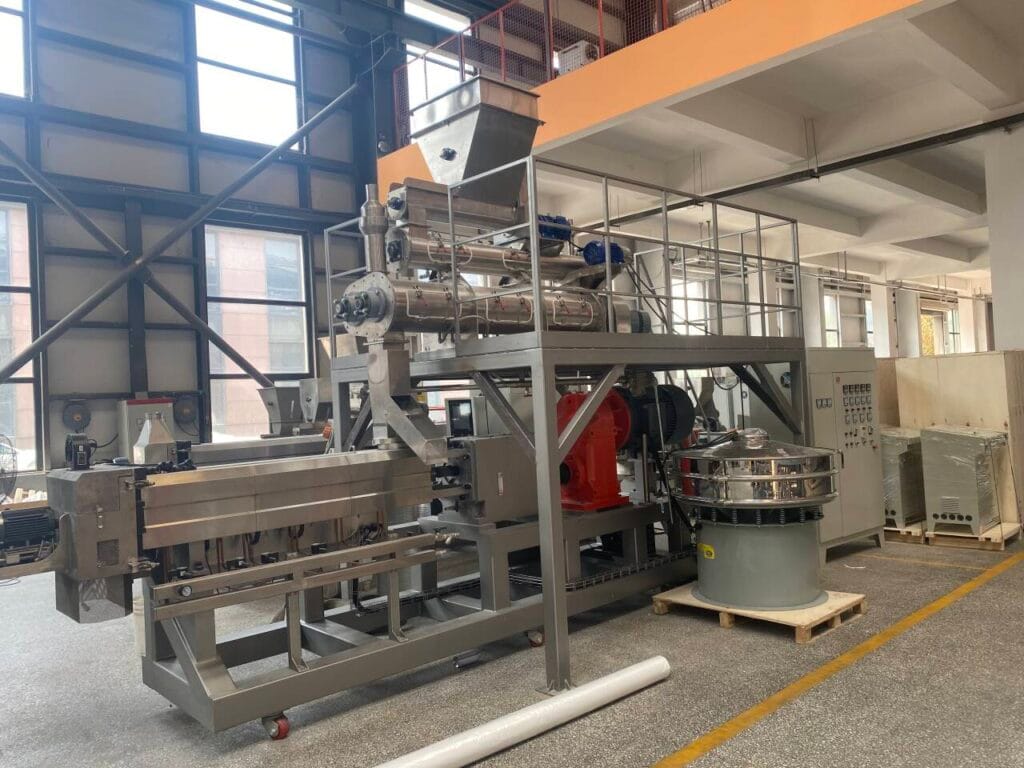
- Gearbox & Bearings: The most critical component. Change gearbox and thrust bearing oil at specified intervals (e.g., every 2,000-4,000 operating hours). Analyze used oil for metal particles or moisture. Grease external motor bearings as required.
- Screw & Barrel Inspection: During scheduled downtime, pull the screw assembly. Inspect screws and barrel liners for wear. Measure clearances. extruder machine Rotate screw profiles (reposition worn elements) or replace severely worn components. Never run a fully bottomed-out screw—it causes catastrophic damage.
- Drive Alignment: Periodically check the alignment between the motor, gearbox, and extruder shaft to prevent vibration and premature bearing failure.
- Electrical Components: Inspect terminals for tightness. Check heaters and thermocouples for proper calibration and function. Clean control panel vents and fans to prevent overheating.
5. Key Wear Parts & Replacement
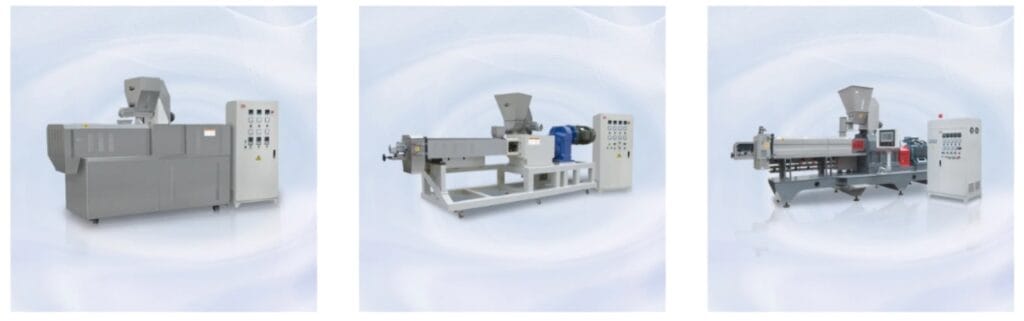
- Screw Elements & Barrel Liners: These are consumables. Their wear rate depends on the abrasiveness of the raw materials. Maintain a log of clearances and replace them in sets to ensure uniform performance.
- Seals: Regularly inspect screw shaft seals (stuffing boxes) and replace sealing elements to prevent product contamination or grease leakage.
- Die Plates & Noodles: Clean dies carefully with appropriate tools (brass/copper scrapers) to avoid scratching. Check for corrosion or clogging.
6. Best Practices & Mindset
- Follow the Manual: The OEM’s manual is your primary guide for specific intervals, lubricant types, and torque values.
- Use Proper Tools: Always use calibrated torque wrenches and alignment tools.
- Never Run Dry: Avoid rotating the screws without feed material, especially at high speeds, as it causes metal-to-metal contact and galling.
- Temperature Matters: Always start heating zones well in advance. Allow the machine to reach a stable temperature profile before feeding. Cool down gradually after stopping the feed.
- Keep Records: Maintain detailed logs of all maintenance activities, oil changes, wear measurements, and part replacements. This data is invaluable for predicting failures and planning downtime.
- Train Your Team: Ensure operators and maintenance technicians are thoroughly trained on the machine’s principles and specific maintenance procedures.
Effective twin-screw extruder maintenance is a disciplined blend of daily vigilance, scheduled proactive care, and proper operational practices. Investing in a rigorous maintenance program minimizes unplanned downtime, extruder machine ensures consistent product quality, protects your capital investment, and ultimately maximizes your return on this critical asset. Remember: Prevention is always cheaper and faster than repair
Leave A Comment