
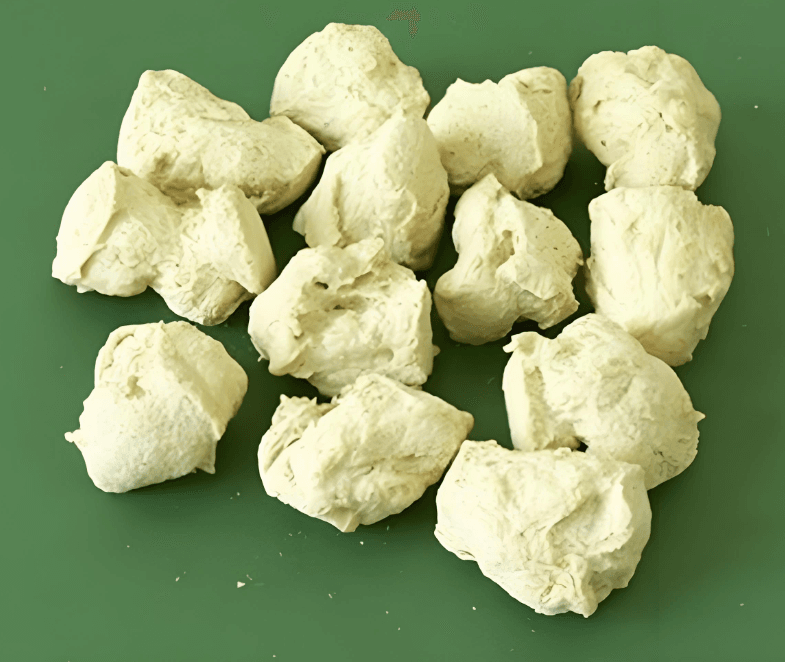
Walk down the meat-alternative aisle of any supermarket, and you’ll be met with an array of convincing burgers, savory “chicken” nuggets, soybean chunks making machine and hearty sausages—all proudly labeled “plant-based.” The star ingredient enabling this culinary transformation is often soy protein isolate (SPI) or its textured derivative, textured vegetable protein (TVP). Marketed as a clean, wholesome, and sustainable alternative to animal protein, the reality of its journey from a humble soybean to a versatile meat mimic reveals a story of intensive, multi-step industrial processing far removed from nature.
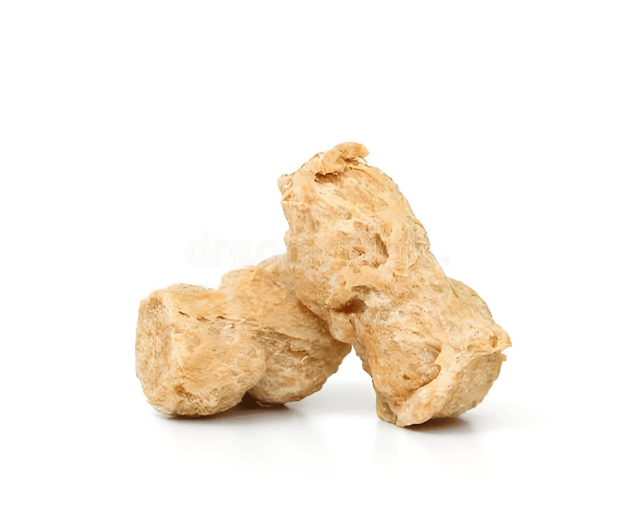
This article unveils the complex, chemical-reliant processing behind soy protein isolate, separating the nutritional promise from the industrial reality.
From Bean to Bare Protein: The Multi-Stage Extraction Process
Stage 1: Defatting and Dehulling
The process begins with genetically modified (in most non-organic cases) soybeans, prized for their high protein and oil content. They are first cleaned, dried, and cracked to remove their hulls. The flakes are then bathed in hexane, a volatile petroleum-based solvent, soybean chunks making machine to extract nearly all the soybean oil. While the final product is heated to evaporate residual hexane, trace amounts can remain, raising concerns for some consumers about this chemical exposure, however minimal regulators deem it.
Stage 2: The “Isolation” Process – A Chemical-Alkaline Bath
What remains after defatting is the defatted soy flour. To isolate the pure protein, this flour is subjected to an acid-wash (often with hydrochloric or sulfuric acid) in large industrial vats. This step dissolves carbohydrates and minerals. The mixture is then subjected to an alkaline solution (like sodium or potassium hydroxide) to neutralize the acid and precipitate the protein solids. This harsh chemical bathing effectively strips the soybean of its natural co-passengers—fiber, vitamins, minerals, and phytochemicals—leaving behind a protein concentration of 90% or higher.
Stage 3: Washing, Neutralization, and Spray-Drying
The precipitated protein curds are repeatedly washed and sprayed with water to remove the sugars (oligosaccharides like stachyose and raffinose) responsible for digestive gas. soybean chunks making machine They are then often re-neutralized. Finally, the slurry is subjected to ultra-high temperatures and spray-dried into a fine, beige powder: soy protein isolate. At this point, it is a bland, functional ingredient with no inherent meat-like texture.
Creating “Meat” from Powder: The Texturization Trick
Soy protein isolate becomes the familiar meat-like chunks or mince through a process called extrusion.
- The SPI powder is mixed with water, flavorings, binders (like gluten), and sometimes coloring to form a dough.
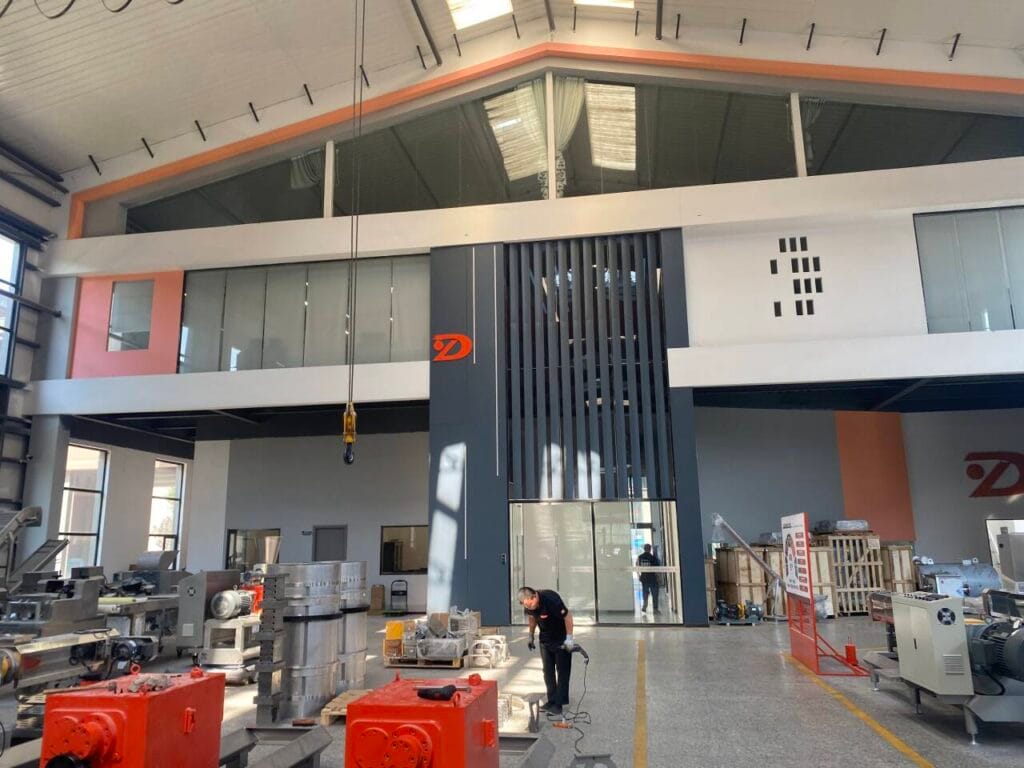
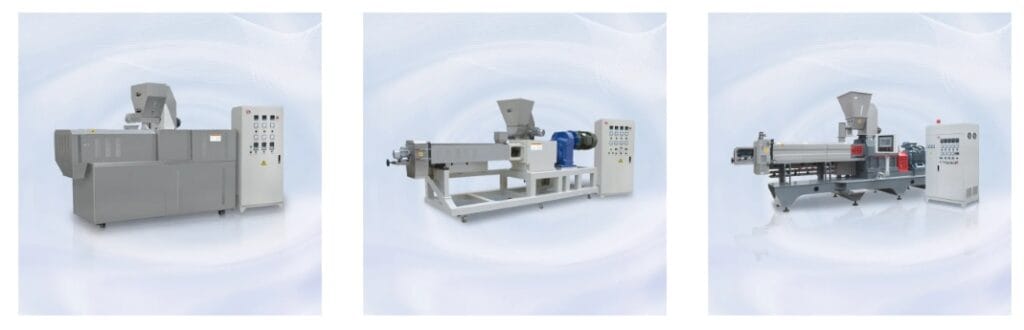
- This dough is fed into a giant extruder—a high-temperature, high-pressure screw press.
- Inside the extruder, the intense heat and shear pressure denature the proteins, causing them to realign into layered, fibrous structures that mimic the muscle fiber of animal meat.
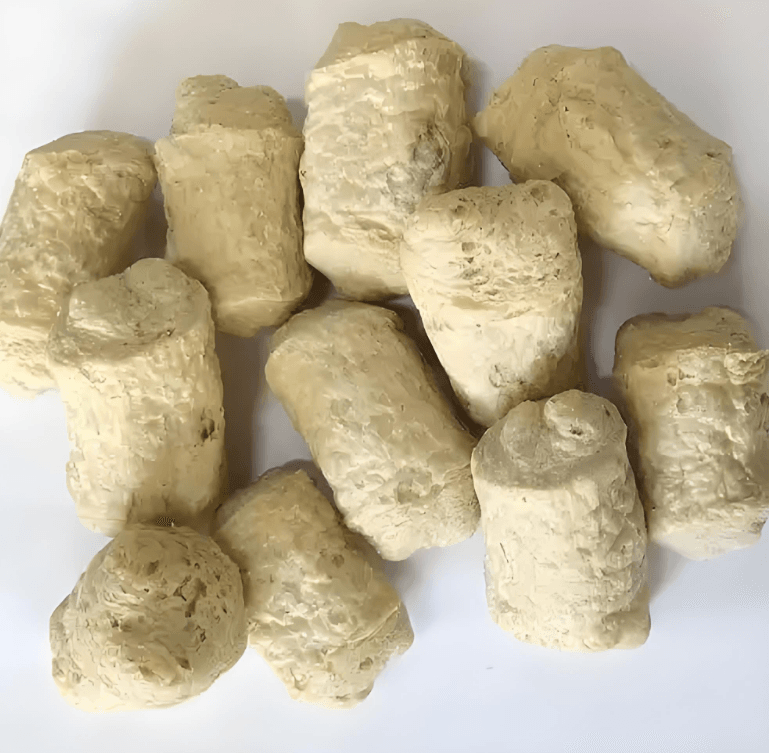
- The material is forced through a die at the end of the extruder, soybean chunks making machine and as it exits into a lower-pressure environment, it expands and solidifies into a spongy, porous mass. This can be dried to create TVP or used directly in wet mixes for final products.
The Nutritional and Health Paradox
The core selling point of SPI is its high, complete protein content. However, the processing raises critical questions:
- Nutrient Stripping: The very process that creates isolate removes the bean’s inherent fiber, heart-healthy fats, and a significant portion of its vitamins and antioxidants. What remains is a highly refined protein.
- Antinutrients and Trypsin Inhibitors: While processing significantly reduces natural antinutrients like phytates and trypsin inhibitors (which can hinder mineral absorption and protein digestion), their complete elimination is not guaranteed, especially in less rigorously processed TVP.
- Heavy Flavor Masking: The intense processing creates off-flavors—often described as “beany,” “bitter,” or “chalky”—that must be masked by significant amounts of salt, sugar, oils, and artificial flavors in the final consumer product, impacting its overall health profile.
- Allergenicity: Soy remains one of the top eight allergens. The concentrated protein can be problematic for sensitive individuals, and the processing does not eliminate this risk.
The Environmental and Ethical Considerations
While SPI production uses less land and water than industrial beef, its environmental footprint is not neutral. It is an energy-intensive process, relying on hexane, acids, alkalis, and high-heat drying and extrusion. soybean chunks making machine The hexane is a neurotoxic air pollutant, and its manufacture and disposal carry environmental risks. Furthermore, the vast majority of soybeans used are genetically modified and grown in monocultures, contributing to biodiversity loss and pesticide use—a system primarily designed to service animal feed, with SPI as a byproduct stream.
Conclusion: A Processed Food, Not a Whole Food
Soy protein isolate is a feat of food engineering. It has provided a versatile tool for the plant-based food revolution, offering a scalable protein source. However, it is crucial to understand it for what it is: the result of extensive chemical and physical processing. It is not analogous to eating whole soybeans, tofu, or tempeh.

For consumers, the key is informed choice. SPI-based products are convenient transition foods and can be part of a balanced diet. But they are processed foods. Opting for products where whole soybeans, lentils, or mushrooms appear first on the ingredient list, or choosing minimally processed soy foods like edamame or tempeh, offers a path to plant-based eating that aligns more closely with whole-food principles and transparency. soybean chunks making machine The booming “plant-based” label should not automatically equate to “natural” or “minimally processed.” As with all foods, looking beyond the marketing to the ingredient list and the processes behind it is the first step toward truly conscious consumption.
Leave A Comment