
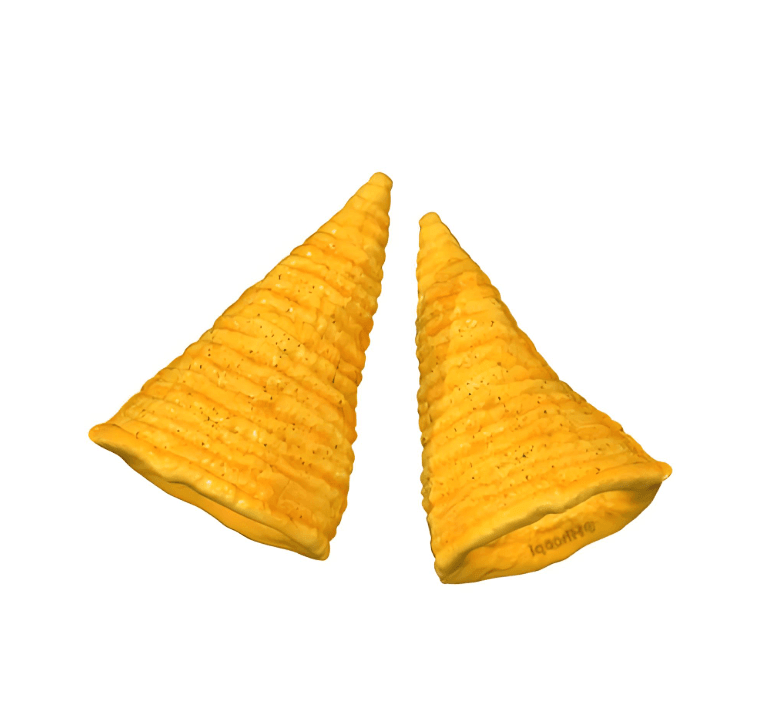
The Food Extruder: A Versatile Powerhouse in Modern Food Processing
The food extruder stands as a cornerstone of modern food manufacturing, a remarkably versatile machine that transforms basic ingredients into an astounding array of finished products. double screw extruder machine From breakfast cereals and snack foods to pet kibble, pasta, and textured vegetable protein, its functionality is central to efficiency, innovation, and scale. At its core, extrusion is a continuous process that combines several unit operations—mixing, cooking, shaping, and texturizing—into one streamlined system.
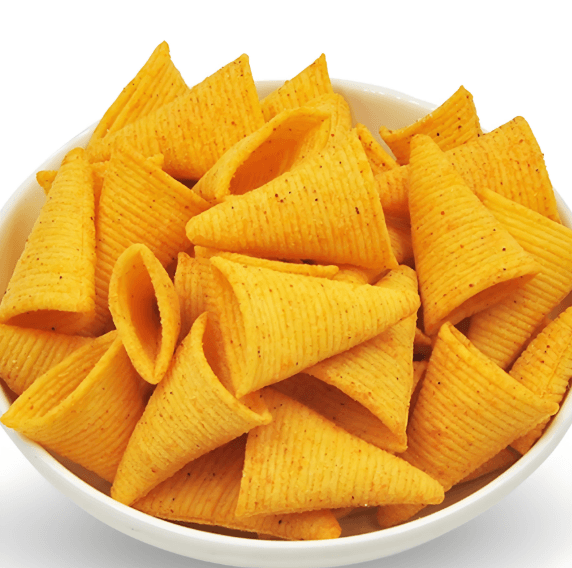
The primary functions and capabilities of a food extruder can be broken down into several key stages:
1. Mixing and Conditioning: The process begins with the feeding of raw materials—often a blend of flours, starches, proteins, water, and other ingredients—into the extruder barrel. The rotating screws thoroughly blend these components into a uniform dough or mass, ensuring consistent product quality.
2. Cooking and Gelatinization: As the material is conveyed along the barrel, it is subjected to intense mechanical shear through the action of the screws and controlled external heating. double screw extruder machine This combination of heat, pressure, and shear cooks the mixture. Starch granules gelatinize, proteins denature, and the raw mix is transformed into a molten, plasticized mass. This cooking step is crucial for digestibility, destroying anti-nutritional factors, and developing final texture and flavor.
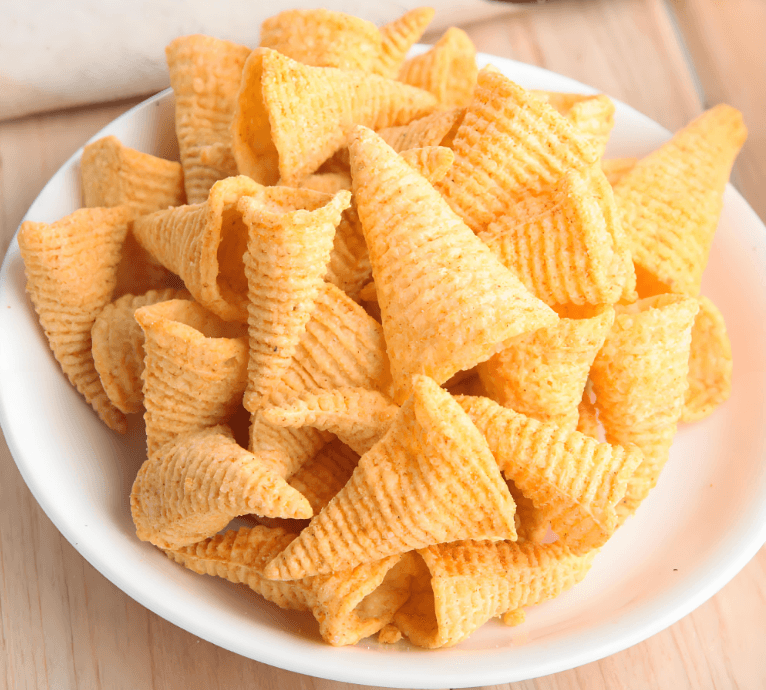
3. Texturizing and Structuring: This is where the extruder’s true magic lies. By manipulating process variables like screw speed, barrel temperature, moisture content, and die design, manufacturers can create vastly different textures. For instance:
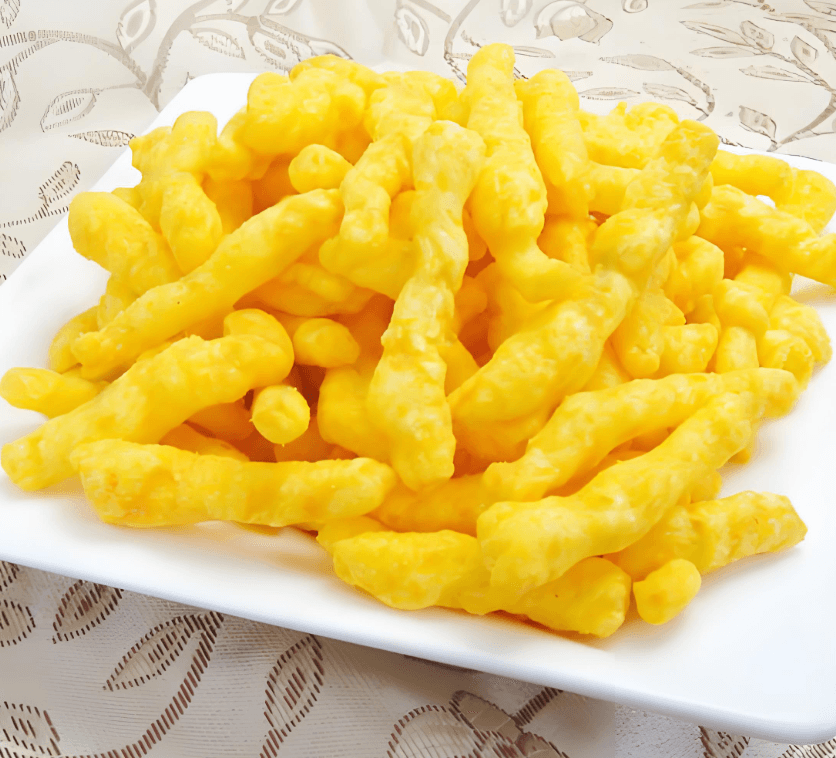
* Expansion: When the hot, pressurized mass exits the die into ambient pressure, rapid moisture flash-off creates a puffed, porous structure (e.g., cheese puffs, corn curls).
* Dense Textures: Lower temperatures and higher moisture can produce dense, fibrous textures, essential for meat analogues or certain pet foods.
* Lamination: Specific screw configurations can create layered or laminated dough structures.
4. Shaping and Forming: The final shape of the product is determined by the die plate at the end of the extruder barrel. Dies can be designed with virtually any two-dimensional cross-section, allowing for the production of intricate shapes—stars, rings, tubes, shells—with remarkable precision and consistency. A rotating knife cuts the emerging strands to the desired length.
5. Drying, Cooling, and Coating: Post-extrusion, products often undergo drying and cooling to achieve the correct final moisture content and crispiness. This is typically followed by coating or flavoring applications, where oils, powders, or liquid flavors are evenly applied.
Key Advantages of Food Extrusion Technology:
- High Efficiency & Continuous Production: It enables non-stop, automated production with high throughput and minimal labor.
- Versatility: A single machine can produce a wide range of products by simply altering the recipe, screw configuration, die, and process parameters.
- Product Innovation: It allows for the creation of novel textures and shapes that are difficult or impossible to achieve with other methods.
- Safety & Shelf-Stability: The high-temperature process ensures microbial reduction, enhancing food safety and stability.
- Resource Efficiency: It is an energy-efficient process that minimizes waste through precise control.
In summary, the food extruder is far more than just a shaping tool. double screw extruder machine It is an integrated, thermo-mechanical reactor that efficiently processes raw ingredients into safe, nutritious, and appealing finished foods. Its ability to precisely engineer texture, shape, and functionality makes it an indispensable and innovative workhorse in the global food industry, constantly evolving to meet consumer demands for new and diverse food experiences.
Leave A Comment