
Breadcrumbs: Production Process and Versatile Applications
Introduction
Breadcrumbs are a versatile, shelf-stable ingredient made from dried, ground bread. They serve as a crucial component in culinary traditions worldwide, valued for their textural and functional properties. This article explores the industrial and artisanal production processes of breadcrumbs and their diverse applications in the food industry.
1. Production Process: From Loaf to Crumbs
1.1 Raw Material Selection
The process begins with the selection of bread, which determines the final product’s characteristics.
- Bread Types: Plain white bread (for neutral taste and light color), whole wheat, rye, or seasoned breads (e.g., with herbs, garlic).
- Sources: May include unsold bakery returns (stale bread), purpose-baked loaves, or crusts/trimming from industrial sandwich production.
1.2 Key Processing Stages
Stage 1: Drying
- Bread is sliced or broken into uniform pieces.
- Dried in industrial ovens or dehydrators at controlled temperatures (≈120–150°C/250–300°F) to reduce moisture content to <10% without browning excessively.
- Alternative methods: Toasting for darker, crispier crumbs (like Panko-style).
Stage 2: Grinding and Sifting
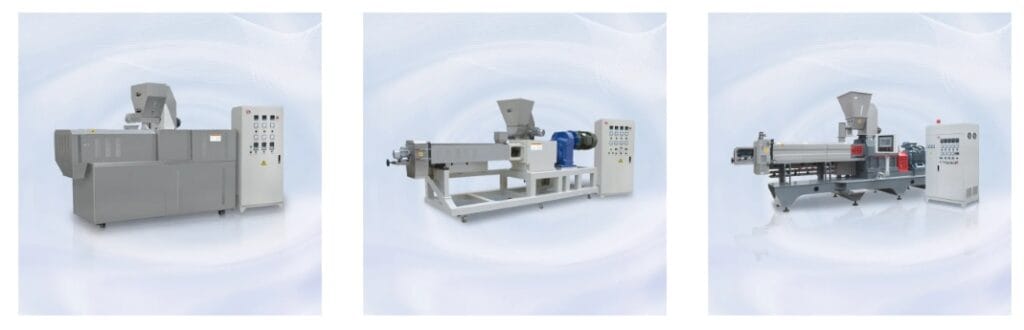
- Dried bread is crushed using hammer mills, roller mills, or grinding machines.
- Particles are sifted through vibrating screens to separate into uniform grades:
- Fine Crumbs: For coatings, binding, or thickening.
- Medium/Coarse Crumbs: For crunchy toppings or stuffing.
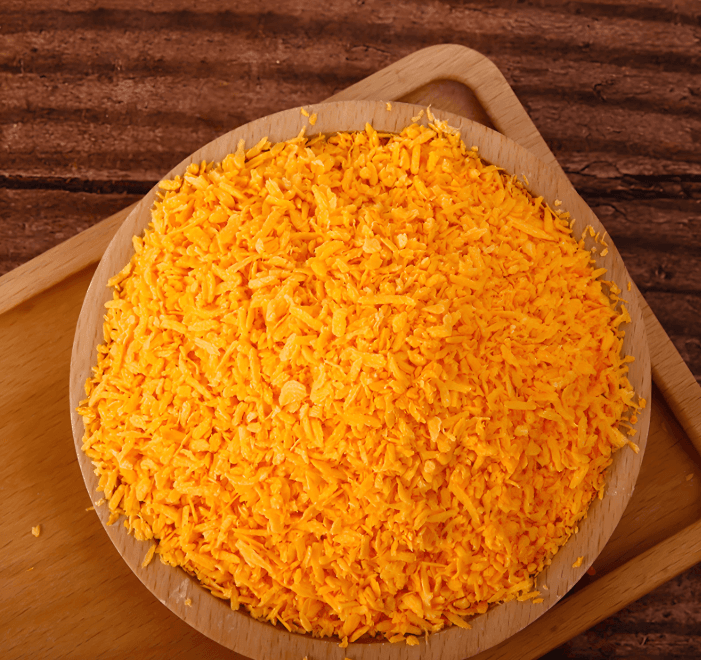
- Extra-Coarse (Panko-style): Made from bread without crusts, yielding light, flaky, airy crumbs.
Stage 3: Blending and Seasoning (Optional)
- Plain crumbs may be blended with salt, spices, dried herbs, cheese powder, or flavor enhancers.
- Oil or shortening may be added for golden browning and richness.
Stage 4: Packaging and Stabilization
- Packaged in moisture-proof bags or containers, often with nitrogen flushing to prevent oxidation and extend shelf life.
- May be pasteurized or treated for microbial safety.
2. Types of Breadcrumbs
- Plain/Dried Breadcrumbs: Neutral flavor, used for binding and coating.
- Seasoned Breadcrumbs: Pre-mixed with Italian herbs, garlic, etc., for convenience.
- Panko: Japanese-style, coarse, airy flakes made from crustless bread; fries up extra crispy.
- Fresh Breadcrumbs: Soft crumbs from fresh bread, used in stuffings and meatballs (less common industrially).
- Toasted/Gluten-Free Variants: Cater to dietary needs and flavor profiles.
3. Culinary and Industrial Applications
3.1 Primary Functions
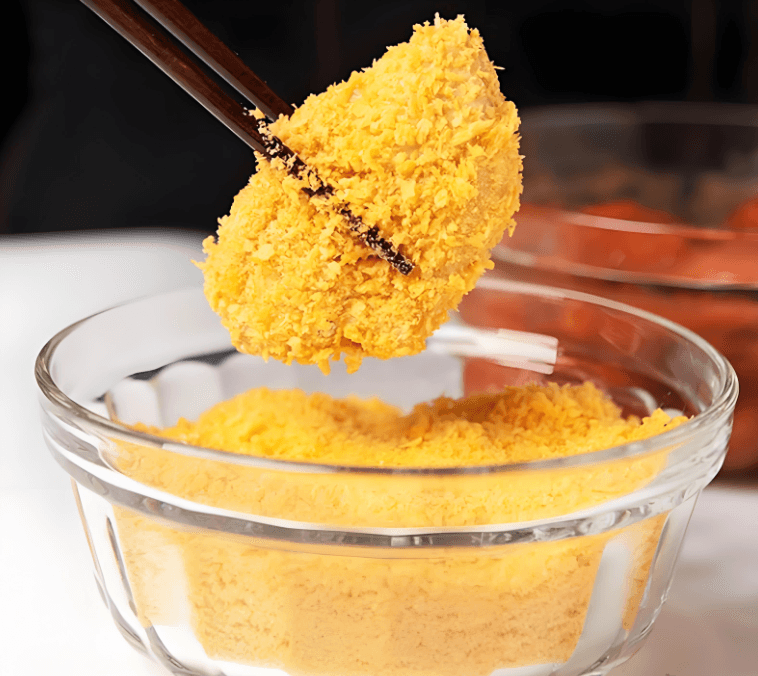
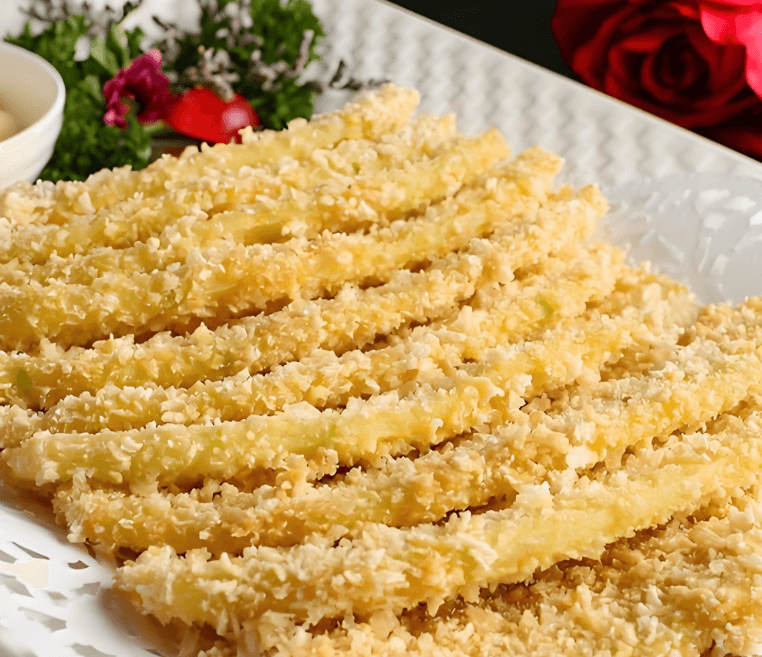
- Coating and Frying: Create a crispy, golden barrier for fried/baked foods (e.g., chicken cutlets, fish sticks, mozzarella sticks).
- Binding Agent: Absorb moisture in meatballs, meatloaf, veggie burgers, and stuffings.
- Topping: Provide texture and visual appeal on casseroles, gratins, macaroni and cheese, or baked pasta.
- Thickening and Extending: Used in sausages or as a filler to stabilize emulsions and reduce costs.
- Crisping Agent: Added to pizza crusts or coating mixes for extra crunch.
3.2 Food Industry Applications

- Fast Food and Restaurants: Pre-portioned, seasoned crumbs for consistent fried products.
- Frozen Food Manufacturing: Applied via battering and breading lines to frozen fish, poultry, vegetables, or snacks.
- Processed Meat Production: Used as binders in sausages, patties, and loaves.
- Bakery and Snack Seasoning: Adhered with oil or glue systems to crackers, chips, or snacks for flavor and texture.
- Plant-Based and Alternative Proteins: Crucial for binding and texturizing veggie burgers or nuggets.
4. Technological and Formulation Considerations
- Particle Size Control: Affects adhesion, crunch, and mouthfeel. Fine crumbs adhere better; coarse crumbs yield open, crisp textures.
- Moisture Management: Critical to prevent sogginess in coatings or microbial spoilage.
- Adhesion Systems: Crumbs often used with a multistep breading system: flour → egg wash → crumbs.
- Flavor Carrier: Can be infused with oils, seasonings, or encapsulations for targeted flavor release.
- Fortification Potential: Enriched with vitamins, fiber, or protein for nutritional enhancement.
5. Innovations and Trends
- Clean-Label Demand: Growth in crumbs from ancient grains, organic bread, or no-additive recipes.
- Sustainability: Upcycling bakery by-products (crusts, unsold bread) into value-added crumbs.
- Gluten-Free & Allergen-Free Options: Made from rice, corn, chickpea, or quinoa bread.
- Functional Crumbs: High-fiber, protein-enriched, or reduced-sodium variants for health-focused products.
- Pre-Dusted Blends: Custom pre-mixes for industrial fryers and ovens to simplify production.
Breadcrumbs are a quintessential food ingredient whose production has evolved from simple drying and grinding to a sophisticated, customizable process. Their role extends far beyond a mere coating—they are integral to texture, flavor, structure, and economics in both home kitchens and food manufacturing. Driven by culinary trends and technological advances, breadcrumb production continues to innovate, meeting demands for sustainability, health, and global taste profiles while maintaining its foundational purpose: delivering satisfying crunch and functionality to countless dishes.
Leave A Comment