+8613854121113
Add. Building 7 & 10, China-Europe Manufacture Port, Tianji Road,

Certified Company
ISO 9001:2005
The Best Machinery
Solution Provider
Soya chunk production line
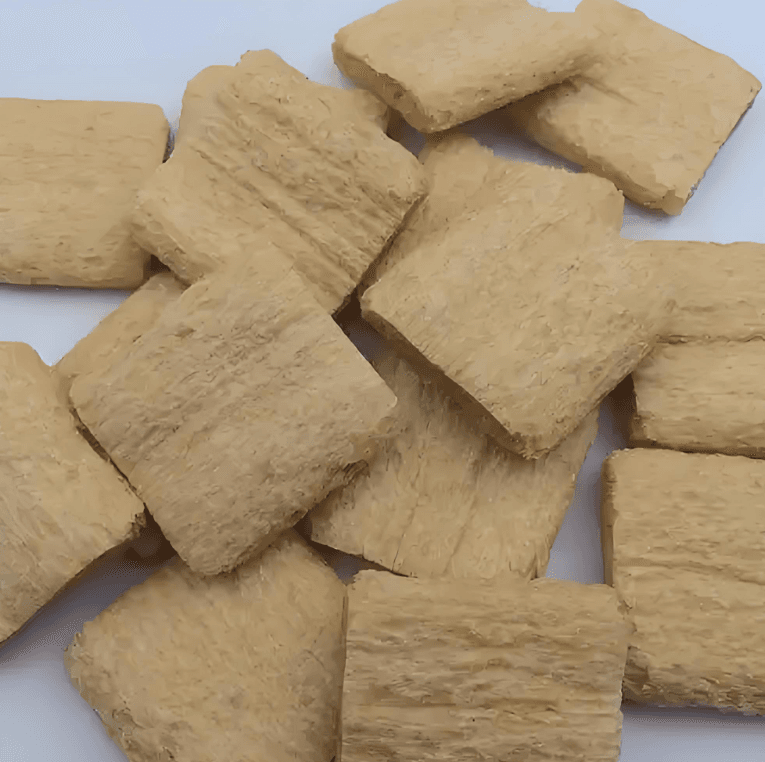
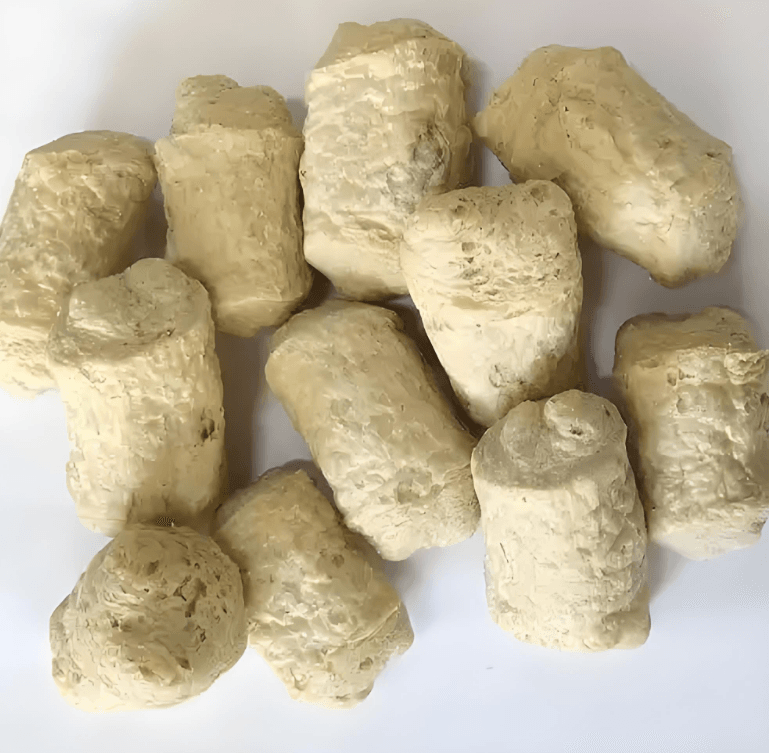
The global food landscape is undergoing a seismic shift. Driven by concerns for personal health, animal welfare, and environmental sustainability, consumers are increasingly seeking alternatives to traditional animal-based proteins. At the forefront of this revolution is Textured Vegetable Protein (TVP), a versatile and nutritious ingredient that forms the backbone of countless meat analog products. Despite its prevalence, the complex manufacturing processes that transform humble legumes—primarily soybeans—into fibrous, meat-like structures remain largely opaque to the public. This article aims to demystify TVP production. We will embark on a detailed journey from raw material selection through advanced extrusion and finishing techniques, exploring the science, engineering, and innovation that make modern plant-based meats possible. We will examine the critical role of protein chemistry, the physics of extrusion, and the future of this rapidly evolving industry.
While soy dominates, other proteins are gaining traction due to allergies, consumer preference for non-GMO sources, and a desire for variety.
Pea Protein: Isolated from yellow peas, it is hypoallergenic and non-GMO. Its functionality is different from soy, often requiring specific processing adjustments to achieve optimal texture.
Wheat Gluten: The protein component of wheat, it is highly elastic and viscous (viscoelastic), providing a chewy, cohesive texture. It is often used in blends with other proteins.
Fava Bean Protein: Similar to pea protein, it offers a strong, sustainable profile.
Mycoprotein: A unique filamentous fungal protein (e.g., from Fusarium venenatum, used in Quorn products). While not a plant protein per se, it is a key meat alternative produced via fermentation, creating a natural fibrous structure.
Blends: Most commercial TVP products use a blend of proteins (e.g., soy-pea, pea-wheat gluten) to optimize cost, nutrition, and, most importantly, the final texture and flavor.