+8613854121113
Add. Building 7 & 10, China-Europe Manufacture Port, Tianji Road,

Certified Company
ISO 9001:2005
The Best Machinery
Solution Provider
Corn flakes production line
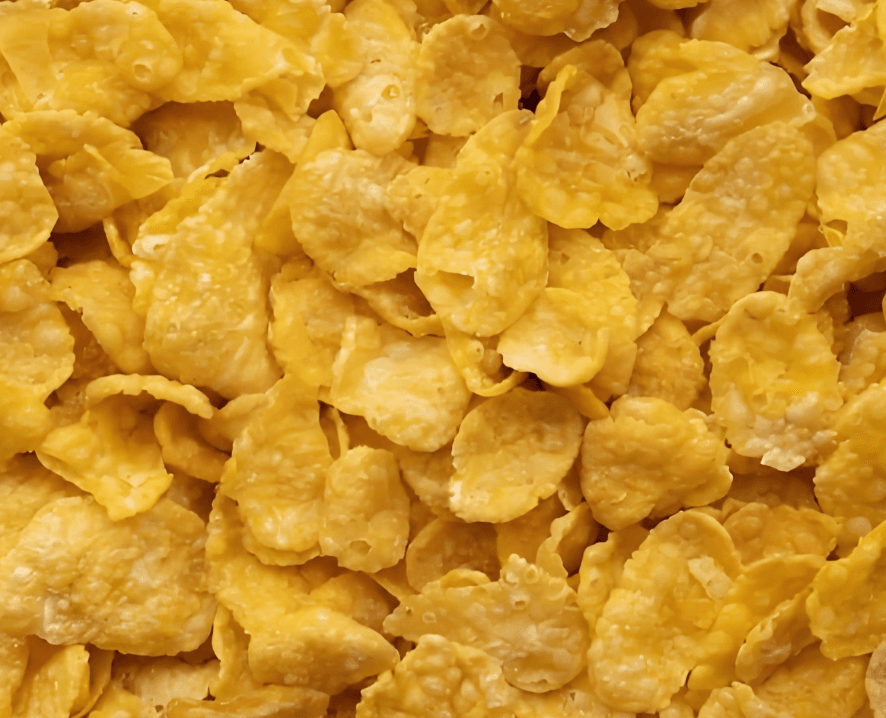
In the pantheon of breakfast foods,how are corn flakes made few are as ubiquitous, simple, and comforting as the humble corn flake. These golden, crispy shards of toasted maize have graced breakfast tables for over a century, becoming a morning ritual for millions around the globe. But their journey from a kitchen mishap to a global icon is a story as intriguing as their crisp texture.The invention of corn flakes is a tale of chance. In the late 19th century, at the Battle Creek Sanitarium in Michigan, Dr. John Harvey Kellogg and his brother, Will Keith Kellogg, were seeking a wholesome, vegetarian food aid for their patients. Their diet-focused health regimen led them to experiment with grains.The legend goes that in 1898, the brothers left some cooked wheat to sit while they attended to an urgent matter. Upon returning, they found it had gone stale. Rather than waste it, they decided to roll it anyway, expecting to get a long sheet of dough. Instead, it broke into individual flakes. They baked these flakes, and to their surprise, they became light, crispy, and delightful.how are corn flakes made The patients loved them. After experimenting with other grains, they settled on corn, and the classic corn flake was born.
The process of creating a corn flake is a precise one. It begins with whole kernels of corn, which are cleaned and then steamed. The key step is “tempering,” where the corn is soaked to achieve the perfect moisture content. cereal flaking The germ and hull are removed, and the resulting endosperm, or “grit,” is then cooked with sugar, malt flavoring, and vitamins in a large pressure cooker. This cooked mass, called “grist,” is then passed through rollers to create the familiar flake shape. These delicate flakes are then dried, toasted to a perfect golden brown, and cooled, locking in their signature crispness.Corn flakes have transcended their role as mere food. They are a piece of cultural history, representing the dawn of the packaged food industry and the modern American breakfast. They evoke nostalgia for simpler mornings and have become a staple in pantries across diverse cultures, often adapted to local tastes.In a world of increasingly complex and sugary breakfast options, the classic corn flake remains a testament to the power of a simple idea. It is a food born from accident, refined by ambition, and sustained by its unwavering, comforting presence on our tables. So the next time you hear that satisfying crunch, cereal flaking remember—you’re tasting a little piece of history.