
The New Butchery: Deconstructing and Replicating Meat through Advanced Plant Protein Production
The global culinary landscape is undergoing a profound transformation. Driven by a confluence of environmental concerns, ethical considerations, and health-conscious consumers, the demand for plant-based meat alternatives has exploded from a niche market into a multi-billion-dollar industrial sector.soya chunk making machine At the heart of this revolution lies a sophisticated scientific and engineering discipline: the production of plant-based protein that convincingly mimics the sensory experience of animal meat.
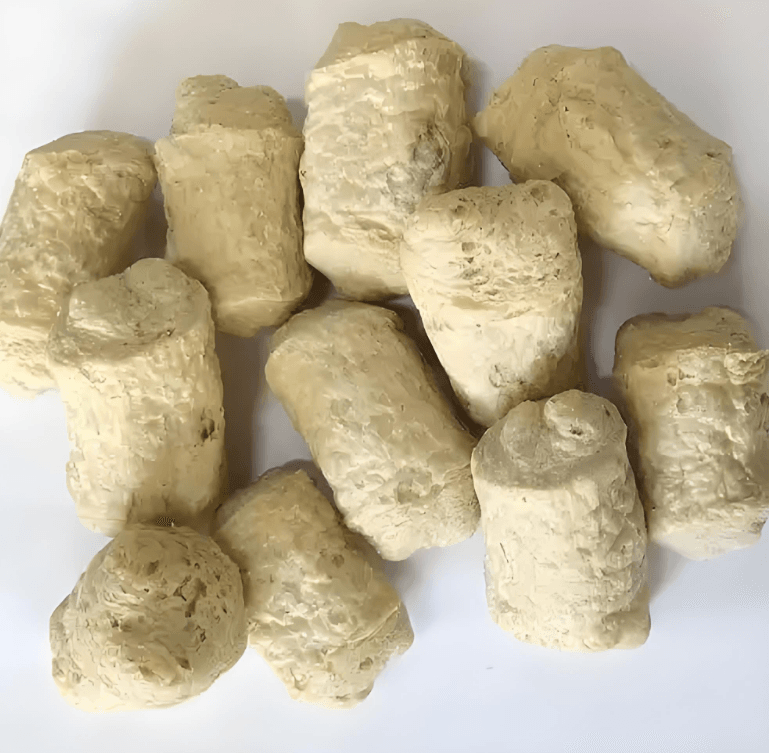
This is not merely about creating a palatable vegetarian patty. The ultimate goal is to replicate the complex architecture, texture, flavor, and culinary behavior of muscle tissue—its fibrousness, its juiciness, its Maillard reaction-induced savoriness, soya chunk making machine and its unique mouthfeel. Achieving this requires moving far beyond simple grinding and mixing. It involves a deep understanding of polymer science, colloidal chemistry, and food engineering to transform disparate plant components into a coherent, meat-like matrix.
This article will provide a comprehensive examination of the production processes for plant-based meat proteins. We will dissect the journey from raw ingredient to final product, exploring the core methodologies, the underlying science, and the technological innovations that make it possible. The process can be broken down into four fundamental, sequential stages:
- The Raw Material Foundation: Sourcing and Isolating Plant Proteins
- The Architecture of Anisotropy: Texturization Technologies
- The Flavor and Functionality Matrix: Formulation and Ingredient Integration
- The Final Assembly: Structuring, Forming, and Finishing
Stage 1: The Raw Material Foundation: Sourcing and Isolating Plant Proteins
The journey of a plant-based steak or burger begins not in a slaughterhouse, but in a field. The selection of the primary protein source is the first and most critical decision, as it dictates the functional properties, nutritional profile, flavor challenges, and cost of the final product.
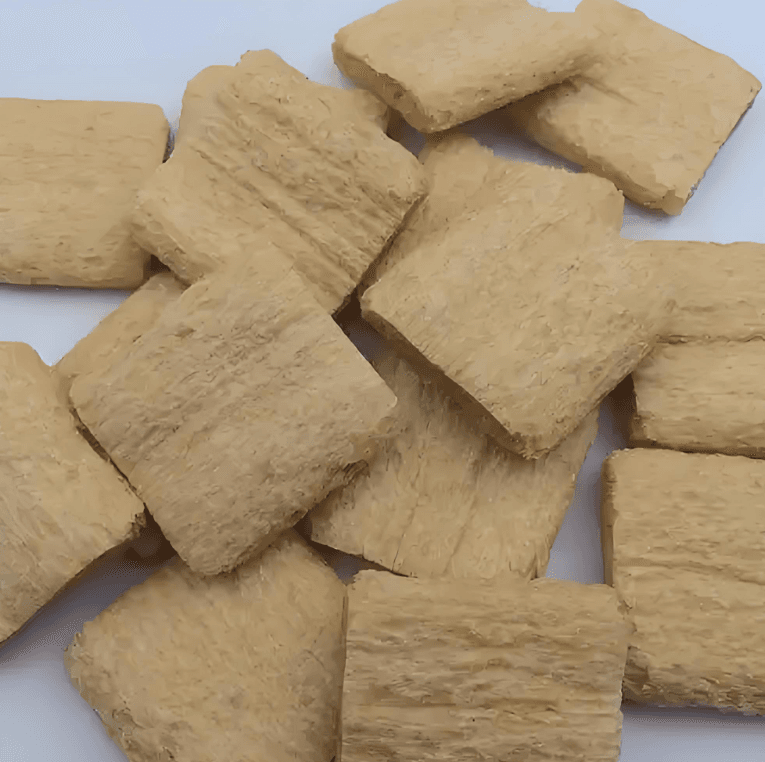
Primary Protein Sources and Their Characteristics
- Soy Protein: The historical and still dominant player in the market. Soybeans provide two primary forms:
- Soy Protein Concentrate (SPC): Produced by removing the soluble carbohydrates from defatted soy flakes, resulting in a protein content of about 65-70%. SPC retains much of the soybean’s native fiber and has good water and fat binding capacities, making it excellent for ground meat applications like burgers and crumbles.
- Soy Protein Isolate (SPI): The purest form, with a protein content of 90% or higher. It is produced by dissolving the protein from defatted flakes at an alkaline pH and then precipitating it at its isoelectric point (around pH 4.5). SPI has a neutral flavor, is highly digestible, and possesses exceptional gelling and emulsifying properties, which are crucial for creating firm, cohesive textures. Its ability to form fibrous gels under stress is the foundation of many texturization processes.
- Pea Protein: The fastest-growing alternative to soy, largely due to its non-allergenic profile and sustainability credentials. Pea protein is typically extracted as an isolate through a wet fractionation process involving milling, solubilization, and centrifugation. Its main challenge has been its distinct “beany” or “earthy” off-flavor and, historically, inferior gelling properties compared to soy. However, advanced processing techniques like enzymatic treatment and fermentation have significantly improved its functionality and flavor profile. Pea protein is now a cornerstone of many leading plant-based products.
- Wheat Protein (Gluten): Vital wheat gluten, which is about 75-80% protein, is unique for its exceptional viscoelastic properties. When hydrated and sheared, gluten proteins (glutenin and gliadin) form a strong, cohesive, and chewy network that is ideal for replicating the tear-resistant texture of chicken or the firm bite of certain meat products. It is often used in blends with other proteins to provide structural integrity.
- Mycoprotein: A novel and highly effective protein source derived from the fermentation of the filamentous fungus Fusarium venenatum. The fungus naturally grows in a microscopic, filamentous form that closely resembles the fibrous structure of muscle tissue. This innate anisotropy is mycoprotein’s greatest advantage. The biomass is harvested, heat-treated to reduce RNA content, and then formed into various products. It serves as the base for prominent brands like Quorn.
- Emerging Sources:
- Fava Bean Protein: Similar to pea protein but with a slightly different amino acid profile and a creamier color.
- Mung Bean Protein: Gaining attention for its clean flavor and good solubility.
- Lentil, Chickpea, and Rice Protein: Often used in blends to complement the amino acid profile or to cater to specific allergen-free claims.
- Potato Protein: Valued for its neutral taste and good foaming capacity, though its functionality in solid gels can be limited.
The Science of Protein Isolation: From Bean to Powder
The transformation of a whole legume into a refined protein isolate is a multi-step purification process. The most common method is alkaline solubilization and isoelectric precipitation, which we will examine in detail using soy or pea as an example.
- Dehulling and Defatting: Whole beans are first cleaned and mechanically dehulled. soya chunk making machine The beans are then flaked and subjected to hexane extraction or cold-pressing to remove the oil, resulting in defatted flakes.
- Solubilization (Extraction): The defatted flakes are mixed with water, and the pH is raised to an alkaline level (typically pH 8-9) using food-grade sodium or potassium hydroxide. At this pH, the protein molecules, which are amphoteric, become negatively charged and repel each other, dissolving into the solution. The carbohydrates (mostly insoluble fiber) remain as a solid residue.
- Solid-Liquid Separation: The alkaline slurry is pumped through a series of centrifuges. The first centrifugation separates the insoluble carbohydrate fiber (okara in the case of soy) from the protein-rich liquid supernatant.
- Precipitation: The protein-rich extract is then transferred to a precipitation tank. Here, the pH is carefully lowered to the protein’s isoelectric point (pI)—typically around pH 4.5 for soy and pea protein. At the pI, the net charge on the protein molecules is zero, eliminating the electrostatic repulsion. The proteins become insoluble and aggregate, forming a fine, white curd.
- Washing and Neutralization: The protein curd is separated from the remaining soluble carbohydrates (whey-like fraction) via a second round of centrifugation. The curd is then washed with water to remove impurities and off-flavors. Finally, the slurry is pumped through a spray dryer. Before drying, the pH is neutralized (back to around 7.0) to ensure the final powder is soluble and functional.
- Drying: The neutralized protein slurry is atomized into a hot-air chamber in a spray dryer. The tiny droplets instantly lose their moisture, forming a fine, free-flowing powder—the final protein isolate.
This process yields a highly purified, versatile protein base. However, the intense chemical and thermal processing can sometimes denature the proteins excessively or create off-flavors, which is why post-processing refinement (discussed later) is often necessary.
Stage 2: The Architecture of Anisotropy: Texturization Technologies
A simple paste of protein, water, and fat does not resemble meat. soya chunk making machine Meat’s defining characteristic is its anisotropic, or directional, fibrous structure—muscle fibers aligned in parallel bundles. Recreating this structure from an isotropic (non-directional) plant protein slurry is the single greatest technical challenge in the industry. This process is known as texturization.
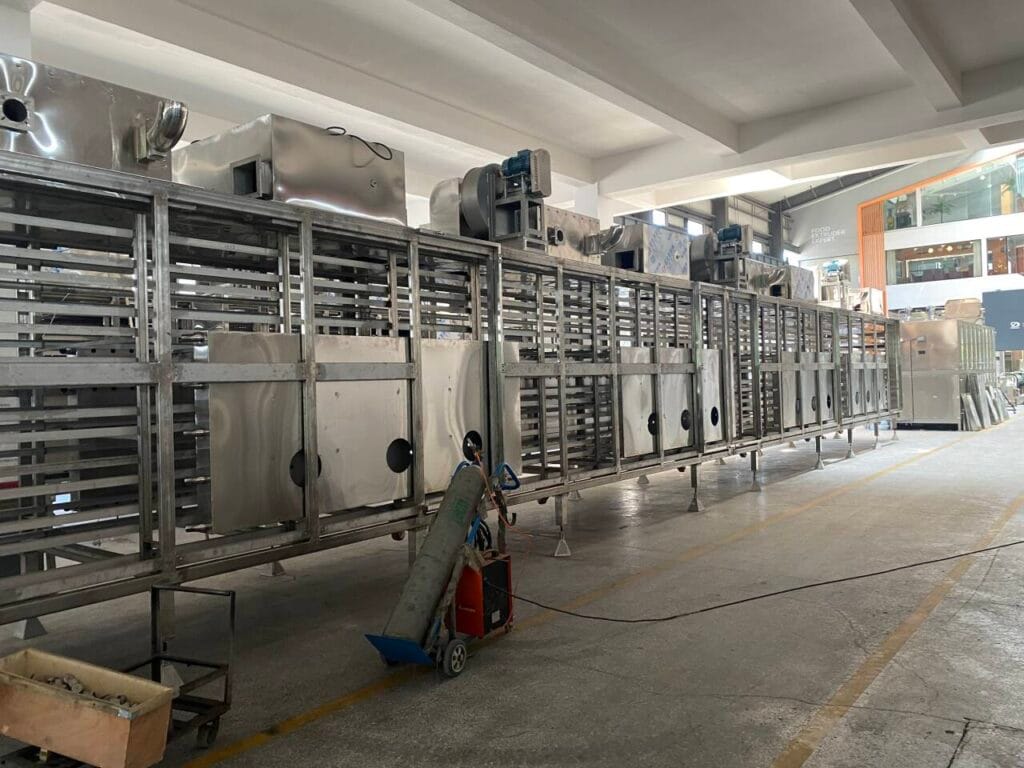
1. Thermo-Mechanical Texturization: The Extruder
High-Moisture Extrusion (HME) is the industry gold standard for creating whole-muscle analogs like chicken breasts, steak tips, and pulled pork. It is a continuous process that utilizes a combination of heat, pressure, and mechanical shear to fundamentally reorganize protein molecules.
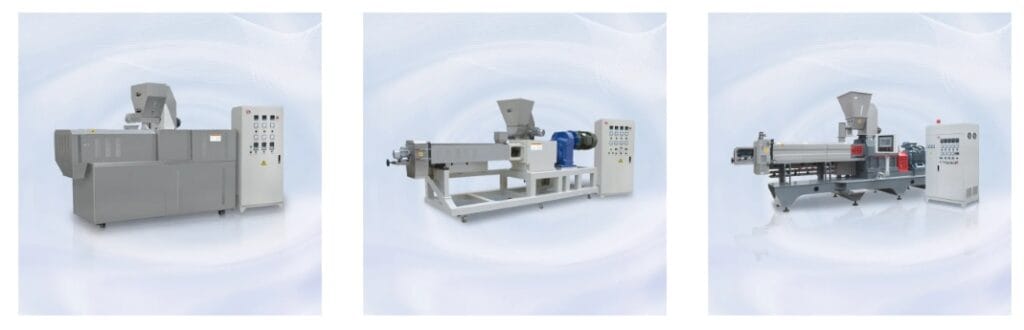
The Extruder Deconstructed: A twin-screw extruder is a complex machine consisting of a barrel housing two intermeshing, co-rotating screws. The screws are modular, composed of different elements (conveying, kneading, reverse) that perform specific functions. The process can be broken down into several zones:
- Feeding Zone: The dry protein powder (e.g., SPI, pea protein) is fed from a hopper into the beginning of the extruder. Other dry ingredients like starch, fibers, and flavors may be added here.
- Hydration and Mixing Zone: Water is injected into the barrel, and the screw elements thoroughly mix it with the dry blend, creating a homogeneous, dough-like mass. The moisture content in HME is typically between 50-70%.
- Cooking and Shearing Zone: This is where the magic happens. The dough is conveyed into a section of the barrel equipped with intense kneading blocks. The mechanical energy from the rotating screws generates immense shear force. Simultaneously, the barrel is heated, often with external steam jackets or electric heaters. The combination of high temperature (120-180°C) and intense shear causes the native, globular protein structures to unfold (denature).
- Protein Alignment and Fiber Formation: As the denatured protein melt is forced through the restrictive kneading blocks, the long polypeptide chains are stretched and aligned in the direction of the flow. The proteins begin to cross-link, primarily through disulfide bonds and hydrophobic interactions, forming a laminar, layered structure. This is a critical phase transition from a viscous paste to a viscoelastic melt.
- Cooling Die and Phase Separation: The hot, aligned protein melt is then forced through a long, cooled die. The die is a critical component. As the melt cools rapidly under pressure, a phenomenon called “phase separation” occurs. The protein phase and the water phase separate microscopically, with the protein aggregating into continuous, aligned fibers that are embedded in a water-rich matrix. This solidifies the fibrous structure, creating a product that has a chew and tear resistance remarkably similar to whole muscle meat. The product emerging from the die is a continuous, hot log that can be cut to size.
Low-Moisture Extrusion: This older technology operates at lower moisture levels (below 40%) and produces a dry, spongy, and expanded product like traditional TVP (Textured Vegetable Protein). It is less expensive but results in a product that must be rehydrated before use and lacks the sophisticated, meat-like texture of HME products.
2. Shear Cell Technology
A newer, more elegant alternative to extrusion is Shear Cell technology. While based on the same physicochemical principles of shear-induced structuring, it operates quite differently.
- Concept: Instead of a narrow, high-pressure screw system, soya chunk making machine a Shear Cell uses a device resembling a large, heated cone-and-plate viscometer. The protein slurry is placed in the gap between a stationary surface and a rotating one.
- Process: As the top cone rotates slowly, it creates a controlled, laminar Couette flow within the mixture. This gentle, uniform shear field gradually stretches and aligns the protein molecules over a period of 5-10 minutes, much like slowly pulling taffy. The application of heat during this process helps set the structure.
- Advantages over Extrusion:
- Gentler Processing: Lower shear rates and pressures cause less protein damage, potentially preserving more native functionality and delicate flavors.
- Scalability in Size: The technology is inherently scalable by increasing the size of the shear cell, allowing for the production of larger, single pieces of meat analog (e.g., a whole chicken breast or steak) without the seams that can occur in extruded logs.
- Energy Efficiency: It is reported to be less energy-intensive than high-shear extrusion.
3. Other Texturization Methods
- Electrospinning: A technique that uses a high-voltage electric field to draw ultrafine fibers from a protein polymer solution. While it can produce fibers with diameters similar to muscle myofibrils, it is a slow, batch-based process that is currently not feasible for large-scale, cost-effective food production. It remains a tool for research and high-end applications.
- Wet Spinning: An older method where a protein solution is forced through a spinneret into a coagulating bath (usually an acid or salt solution), forming continuous filaments. These filaments are then bundled together to form a “yarn” that can be woven or formed into a meat-like product. It is complex and involves the use of large amounts of chemicals.
Stage 3: The Flavor and Functionality Matrix: Formulation and Ingredient Integration
A perfectly fibrous texture is useless if the product tastes like plain peas or beans and turns gray and dry when cooked. The third stage involves creating a complex formulation that delivers the complete sensory experience of meat.
The Flavor System: Beyond the Basic Seasoning
Plant proteins often carry inherent off-notes (beany, grassy, bitter) that must be masked or removed. More importantly, they lack the complex, savory, and bloody flavors of meat.
- Flavor Masking and Carrier Systems: Yeast extracts, mushroom powder, and specific spices are used to cover undesirable notes.
- The Umami Bomb: Savory flavors are achieved through high-umami ingredients:
- Yeast Extract: Provides a fundamental, savory, brothy base note.
- Hydrolyzed Vegetable Protein (HVP): Proteins broken down into amino acids and peptides, offering a potent, meat-like savoriness.
- Soy Sauce / Tamari: Fermented products rich in glutamates.
- Miso and Fermented Ingredients: Add depth and complexity.
- The “Bloody” Heme Magic: The company Impossible Foods pioneered the use of soy leghemoglobin (SLH), a heme-containing molecule found in the root nodules of soy plants. Heme is the same iron-containing molecule found in animal hemoglobin and myoglobin. It is responsible for the metallic, bloody, savory flavor of rare meat and is a powerful catalyst for the Maillard reaction, which gives cooked meat its characteristic browned color and aroma. SLH is produced via fermentation of genetically engineered yeast (Pichia pastoris) and is a game-changer for replicating the flavor of red meat.
- Volatile Aromas: Lipids are carefully selected and sometimes oxidized in a controlled manner to replicate the specific aromatic compounds released when cooking different meats (e.g., the distinct smell of cooking chicken fat vs. beef fat).
The Color System: From Raw to Cooked
The consumer’s first interaction is visual. The product must look right.
- Raw Red Color: Beetroot juice powder, pomegranate juice powder, and annatto are commonly used to provide the red color of fresh, raw meat. Soy leghemoglobin provides a deep, bloody red that is uncannily accurate.
- Cooked Brown Color: The Maillard reaction and caramelization are responsible for the browning of cooked meat. The formulation must include reducing sugars (e.g., glucose, fructose) and amino acids to facilitate this reaction when heat is applied. The color system must be designed to transition convincingly from red to brown during cooking.
The Lipid System: The Source of Juiciness and Mouthfeel
Fat is not just a source of calories; it is essential for juiciness, soya chunk making machine flavor carry, and a rich, lubricating mouthfeel.
- Solid Fat Crystals: To mimic the marbling of animal fat (which is solid at room temperature but melts in the mouth), producers use solid plant-based fats like coconut oil, cocoa butter, and shea butter. These fats have a high melting point, so they remain as discrete solid particles within the protein matrix. Upon cooking, they melt, basting the protein fibers from the inside and creating a sensation of juiciness.
- Liquid Oils: Sunflower, canola, and rice bran oils are used for their neutral flavor and to contribute to overall fat content, but they do not provide the same structured marbling effect.
- Encapsulated Fats: Advanced techniques involve encapsulating flavor compounds within the fat particles, which are released upon heating for a more powerful and timed flavor burst.
The Binder System: Holding It All Together
A combination of ingredients is used to mimic the cohesive function of myosin and other proteins in animal tissue.
- Methylcellulose: This is the workhorse binder in most plant-based meats. It is a chemically modified cellulose derivative that is unique because it is thermo-gelling. It is soluble in cold water, providing viscosity and helping to bind the raw mix. Upon heating, it forms a strong, irreversible gel, which holds the product together during cooking, preventing it from crumbling on the grill or in the pan. Upon cooling, it returns to a fluid state, which can sometimes lead to a “mushy” mouthfeel if overused.
- Gums and Hydrocolloids: Ingredients like gellan gum, xanthan gum, and konjac gum are used in smaller quantities to control water mobility, improve stability, and contribute to a specific gel texture.
- Starches: Potato, tapioca, and modified food starches are used for water binding, thickening, and providing a softer, more cohesive texture.
Stage 4: The Final Assembly: Structuring, Forming, and Finishing
The final stage brings all the components together into a market-ready product.
For Whole-Muscle Analogs (from HME/Shear Cell):
The texturized protein “log” or “slab” is the primary ingredient. It is typically:
- Marinated/Infused: The fibrous matrix is vacuum-tumbled or injected with a marinade containing flavors, colors, and oils to ensure they penetrate deeply.
- Sliced or Shredded: It is then cut into steaks, strips, or chunks, or mechanically shredded for “pulled” products.
- Assembly: For more complex products like chicken nuggets or fish fillets, the texturized protein may be combined with binders, fats, and other ingredients in a mixer before being formed.
For Ground Meat Analogs (Burgers, Crumbles, Sausage):
This process is more straightforward but still requires precision.
- Mixing: The protein base (which could be a texturized protein crumble, protein isolate, or a blend), fat, water, flavorings, colorants, and binders are combined in a large, cold mixer. The mixing must be thorough but gentle to avoid smearing the fat or destroying any pre-existing texture.
- Forming: The mixture is then passed through a forming machine. For burgers, it is pressed into patties between plates. For sausages, it is extruded into casings (which can be plant-based cellulose or algae polysaccharide casings).
The Critical Final Step: Post-Processing for Safety and Quality
Nearly all plant-based meat products undergo a final thermal processing step to ensure food safety, set the structure, and extend shelf life.
- Steaming / Poaching: Used for sausages and some whole-muscle products to cook them gently without browning.
- Grilling / Searing: Applied to burger patties to create grill marks and a cooked appearance, activating the Maillard reaction on the surface.
- Freezing: Most products are individually quick frozen (IQF) to preserve their quality and for distribution.
The production of plant-based meat proteins is a testament to human ingenuity. It is a field that sits at the intersection of agriculture, biochemistry, mechanical engineering, and culinary science. From the alkaline extraction of proteins to the shear-induced creation of fibers in an extruder, and the sophisticated blending of heme, fats, and hydrocolloids, every step is a carefully calibrated process designed to deceive our senses in the most delightful way.
The technology is still young. The future points towards even more realistic products through the use of 3D printing to create complex marbling, precision fermentation to produce animal-identical proteins like casein and collagen, soya chunk making machine and the cultivation of scaffolding from plants or fungi to provide a more authentic biological structure. As these technologies mature and converge, the line between plant-based and animal-based meat will continue to blur, offering consumers a diverse, sustainable, and ethically sound portfolio of protein choices for the future.
Leave A Comment