
The Production Process of Breadcrumbs: From Loaf to Coating
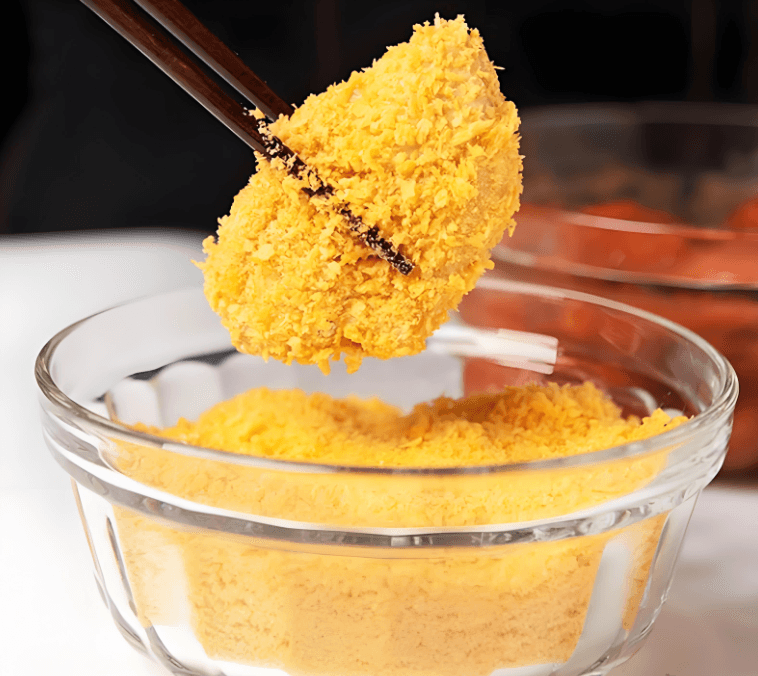
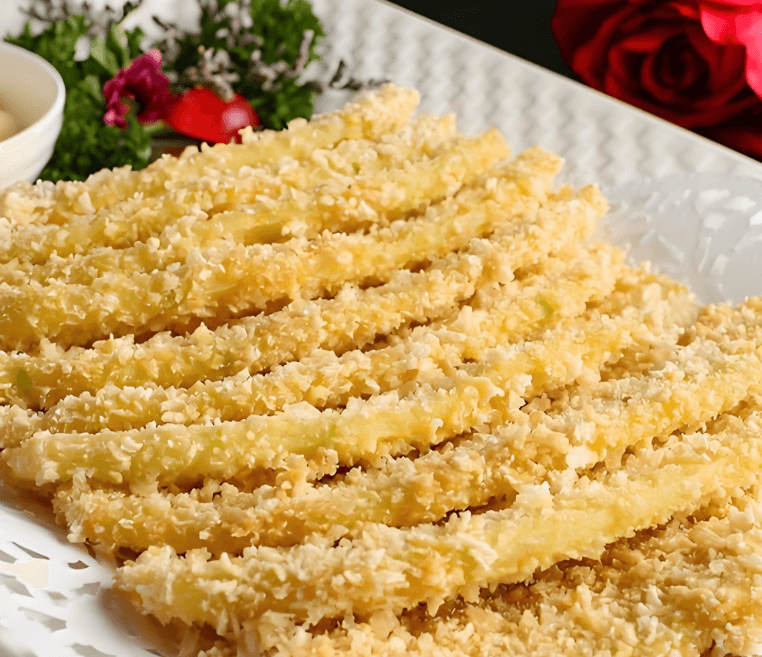
Breadcrumbs are a ubiquitous kitchen staple, essential for creating the crispy, golden coating on fried foods, as a binding agent in recipes like meatballs, and as a topping for casseroles. While they may seem simple, their industrial production is a fascinating and precise process designed for efficiency, consistency, and food safety.
The manufacturing of breadcrumbs can be broken down into several key stages:
1. Ingredient Selection and Mixing
The process begins with the selection of raw materials. The primary ingredient is, of course, flour, typically wheat flour. Other ingredients include water, yeast, salt, sugar, and sometimes shortening or additives to improve texture and shelf-life.
These ingredients are precisely weighed and mixed in large, high-speed mixers to form a uniform dough. The mixing time and speed are carefully controlled to develop the gluten network, which gives the bread its structure.
2. Fermentation and Baking
The mixed dough is then allowed to rest and ferment. During this stage, the yeast consumes the sugars and releases carbon dioxide, causing the dough to rise. This fermentation develops the characteristic flavor and airy texture of the bread.
After fermentation, the dough is molded into large, uniform loaves and baked in long, tunnel-like ovens. For breadcrumb production, the goal is often to produce a consistent, neutral-flavored, and dry crumb, so the baking process may be adjusted to achieve a paler crust and a fully cooked, firm interior compared to standard sandwich bread.
3. Cooling
Once baked, the loaves must be cooled completely. This is a critical step. Slicing or grinding warm bread would result in a gummy, mashed texture rather than separate, dry crumbs. Cooling is typically done on conveyor racks that allow air to circulate around the loaves, bringing them down to room temperature over several hours.
4. Primary Crumbing: Slicing and Coarse Grinding
The cooled loaves are first passed through machines that remove the crust. While some breadcrumbs include the crust for a darker color and richer flavor, many standard varieties are made from the crustless interior for a lighter, more consistent product.
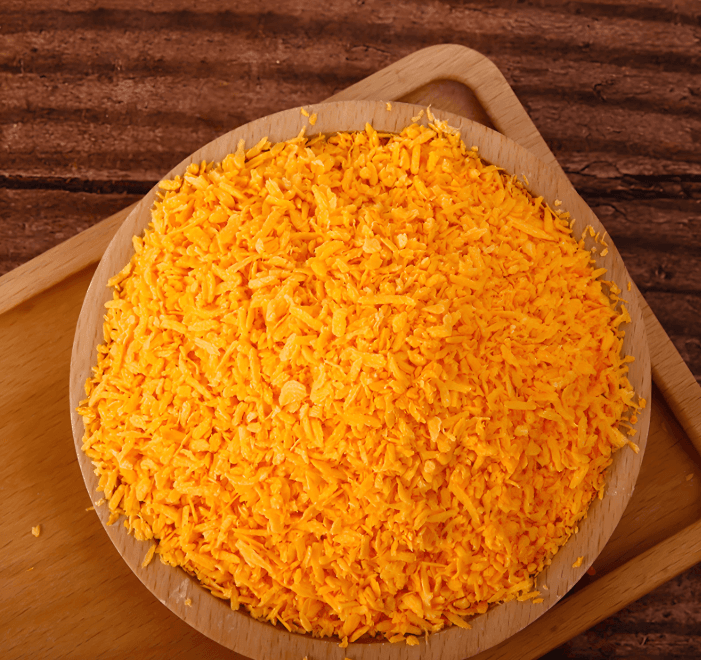
The de-crusted bread is then sliced and subjected to a coarse grinding process. This initial breakdown creates large, irregular pieces often referred to as “fresh breadcrumbs” or “bread crumb meal.” At this stage, the moisture content is still relatively high.
5. Drying
To achieve the shelf-stable, dry texture we associate with packaged breadcrumbs, the coarse crumbs must be dried. This is most commonly done using one of two methods:
- Oven Drying: The crumbs are spread thinly on baking sheets or conveyed through a low-temperature oven. This gently removes moisture without toasting or browning the crumbs excessively.
- Fluidized Bed Dryers: A more advanced method where hot air is blown upward through a perforated conveyor holding the crumbs. This suspends the crumbs in the air, ensuring each piece is dried evenly and efficiently.
The goal is to reduce the moisture content to a very low level (typically around 10% or less), which prevents mold growth and ensures a long shelf life.
6. Secondary Grinding and Sifting
The dried, coarse crumbs are now ready for their final transformation. They are passed through a series of mills and grinders equipped with screens of specific mesh sizes. This secondary grinding determines the final texture of the breadcrumb:
- Fine Crumbs: Pass through a very fine screen, resulting in a powder-like texture ideal for delicate coatings and binding.
- Medium Crumbs: The most common all-purpose variety.
- Panko-style Crumbs: To create the light, flaky, Japanese-style panko, a different process is used. Instead of being ground, the bread is baked with an electrical current, which prevents the formation of a crust and creates a unique, airy structure. It is then shredded into large, flaky pieces.
After grinding, the crumbs are sifted or screened to ensure a uniform particle size. Any crumbs that are too large are recycled back into the grinder.
7. Blending and Flavoring (For Seasoned Varieties)
This step is for producing seasoned breadcrumbs. The plain, dry crumbs are transferred to large rotating drums or mixers. Here, other ingredients are added, such as:
- Salt and spices (e.g., paprika, garlic powder, onion powder, black pepper)
- Herbs (e.g., oregano, parsley)
- Dried cheese powders (e.g., for Italian-style crumbs)
- Colorants (e.g., paprika extract for a golden hue)
The mixture is tumbled until the seasoning is evenly distributed throughout the batch.
8. Packaging and Storage
The finished breadcrumbs—whether plain or seasoned—are automatically conveyed to packaging machines. They are filled into plastic bags, cardboard canisters, or bulk boxes in a controlled environment to prevent moisture absorption. The packages are then sealed, coded, and palletized for distribution. They are stored in a cool, dry warehouse before being shipped to retailers and food service providers.

From a simple mixture of flour and water to the perfectly consistent, dry crumb in a box, the production of breadcrumbs is a testament to modern food engineering. This multi-stage process ensures that this humble ingredient meets the high standards of quality, safety, and performance demanded by both home cooks and the food industry worldwide.
Leave A Comment