
The Alchemy of a First Bite: A Comprehensive Unveiling of Instant Rice Cereal Production
Introduction: More Than Just Powdered Rice
The first semi-solid food for an infant is a monumental milestone, a quiet revolution in a baby’s world of nutrition. For generations, iron-fortified infant rice cereal has been a cornerstone of this transition in many cultures. It is a seemingly simple product: a fine, Instant rice making machine off-white powder that mixes with breast milk, formula, or water to form a smooth, bland porridge. To a parent, it is a symbol of growth and new beginnings. To a manufacturer, however, it is the result of one of the most rigorously controlled, scientifically-driven, and ethically charged processes in the entire food industry.
This is not merely a story of grinding rice into dust. The production of infant rice cereal is a sophisticated alchemy that transforms a simple grain into a nutritionally-complete, Instant rice making machine microbiologically-safe, and easily-digestible foundational food. It is a process governed by food chemistry, mechanical engineering, pediatric nutrition, and an unwavering commitment to safety. The stakes are inconceivably high; the consumer is the most vulnerable human being, with a developing digestive system, a nascent immune system, and specific nutritional needs critical for cognitive and physical development.
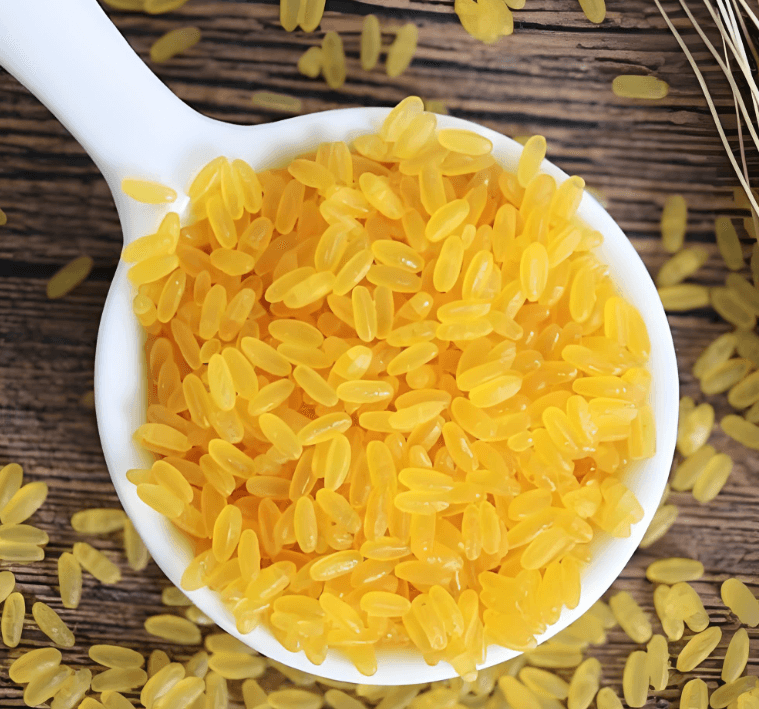
This article will take you on a detailed journey through the hidden world of infant cereal manufacturing. We will explore the meticulous selection of raw materials, the precise engineering that breaks down the rice grain, the crucial fortification process that prevents anemia, Instant rice making machine the hermetic sealing that ensures safety, and the relentless quality assurance that oversees every gram of production. We will also delve into the controversies and evolving science surrounding this ubiquitous product, providing a holistic and unbiased perspective on what truly goes into that small, unassuming box.
Chapter 1: The “Why” – The Nutritional and Physiological Rationale
Before a single grain of rice is processed, it is essential to understand why rice cereal became and remains a preferred first food. The reasons are rooted in pediatric science, practicality, and history.
1.1 The Iron Imperative
At around six months of age, an infant’s innate iron stores, built up during the final trimester of pregnancy, begin to deplete. Simultaneously, the period of rapid growth demands a robust supply of iron to produce hemoglobin for oxygen transport and to support brain development. Breast milk, while perfect in many ways, is low in iron. Formula is fortified, but as solid food intake increases, the reliance on milk alone decreases.
This creates a critical nutritional gap. Iron deficiency in infancy can lead to iron-deficiency anemia, which is associated with irreversible cognitive and psychomotor delays. Infant rice cereal is, first and foremost, a vehicle for iron. It is heavily fortified with bioavailable forms of iron, providing a concentrated and reliable source to bridge this gap. A single serving can provide a significant percentage of an infant’s daily iron requirement.
1.2 The Ideal First Food: Digestibility and Low Allergenicity
From a physiological standpoint, an infant’s digestive system is still maturing. It lacks the full suite of enzymes and the complex gut flora of an adult. Instant rice making machine Instant rice making machineRice, compared to other grains like wheat, oats, or barley, is uniquely gentle.
- Hypoallergenic: Rice protein is one of the least likely food proteins to trigger an allergic reaction. This makes it a safe choice for introducing the concept of solid foods without the high risk of an immune response.
- Ease of Digestion: Rice is primarily a source of carbohydrates in the form of starch. When properly processed (pre-cooked and hydrolyzed, as we will explore), this starch becomes very easy for an infant’s immature digestive enzymes to break down, minimizing gas, bloating, or discomfort.
- Bland Flavor and Smooth Texture: Its neutral taste is readily accepted by babies, and when prepared, it forms a smooth, semi-liquid paste that is easy for a baby who is just learning the mechanics of swallowing solids to manage, reducing the risk of choking.
1.3 The Evolution of Infant Feeding Practices
The use of cereal-based gruels for infants is ancient. However, the modern, fortified infant cereal is a product of 20th-century nutritional science. The discovery of the link between iron deficiency and developmental problems, coupled with advancements in food technology, allowed for the creation of a shelf-stable, consistent, and potent nutritional intervention. It became a convenient and trusted tool for pediatricians and parents alike, standardizing a key part of infant nutrition in a way that was previously impossible.
Chapter 2: The Foundation – Sourcing and Testing the Raw Material
The entire production process rests on the quality and safety of the raw material: the rice itself. There is no margin for error.
2.1 Rice Selection: Not All Grains Are Created Equal
Manufacturers do not use standard long-grain or jasmine rice. The preferred type is almost always white, short-grain or medium-grain rice. The reasons are specific:
- Starch Composition: Short-grain rice has a higher proportion of amylopectin, a branched-chain starch molecule, compared to the linear amylose found more in long-grain varieties. Amylopectin contributes to a softer, creamier, and less gritty texture when cooked and powdered, which is ideal for the desired smooth mouthfeel.
- Low Protein Content: While protein is generally desirable, in this context, the goal is minimal allergenicity. The low protein content of polished white rice is a feature, not a bug.
- Consistency: Manufacturers require absolute batch-to-batch consistency. Instant rice making machineThey often source from specific growers or regions and use proprietary rice varieties bred and cultivated for uniform grain size, moisture content, and starch profile.
2.2 The Supply Chain: From Paddy to Plant
The journey begins in the rice paddy, but control begins long before.
- Agricultural Partnerships: Reputable manufacturers establish strict agricultural guidelines with their suppliers. These guidelines often restrict the use of specific pesticides and fertilizers and mandate farming practices that minimize environmental contaminants.
- The Importance of Milling: The rice arrives at the cereal manufacturing plant not as paddy rice but as fully milled and polished white rice. The milling process removes the inedible hull, followed by the bran and germ. This is crucial because the bran contains oils that can become rancid during storage, compromising the cereal’s shelf life and flavor. The final product is the pure, starchy endosperm.
2.3 The Battery of Tests: A Fortress of Safety
Before the rice is even unloaded from its shipping container, it is a suspect under interrogation. A representative sample is taken and subjected to a gauntlet of analytical tests in the plant’s quality control laboratory.
- Microbiological Assays: Tests for Total Plate Count, Yeast, Mold, E. coli, Salmonella, Listeria, and Cronobacter sakazakii. The latter is an environmental pathogen of grave concern in the production of powdered infant formula and cereals, as it can cause severe, life-threatening infections in newborns. Its absence is non-negotiable.
- Chemical Contaminant Screening: Using advanced techniques like Gas Chromatography-Mass Spectrometry (GC-MS) and Inductively Coupled Plasma Mass Spectrometry (ICP-MS), the rice is screened for a wide spectrum of contaminants:
- Heavy Metals: Arsenic, lead, cadmium, and mercury are of particular concern. Rice plants are efficient at absorbing arsenic (especially the inorganic form) from soil and water. Given the low body weight of infants and their sensitivity to neurotoxins, manufacturers must source from regions with lower natural arsenic levels and employ processes to reduce it (see Chapter 3).
- Pesticide Residues: Screening for hundreds of potential pesticide residues to ensure they are far below legal tolerances.
- Mycotoxins: Toxins produced by fungi, such as aflatoxin, which can be carcinogenic.
- Physical and Quality Tests: Moisture content, broken kernel percentage, and starch content are verified to ensure the rice will behave predictably during processing.
Only after the rice has passed every single one of these stringent tests is it approved for offloading into the factory’s dedicated, sanitized silos, where it is held in a controlled environment until production begins.
Chapter 3: The Core Processing – Transforming Grain into a Digestible Base
This is where the raw rice begins its metamorphosis into an infant-safe food base. The primary goals of this stage are: Cook the Starch, Reduce Microbial Load, and Improve Digestibility.
3.1 Pre-Cleaning and Conditioning
Even though the rice is milled, one more round of cleaning occurs. It passes through magnets to remove any ferrous metals and through aspirators and sieves to remove any dust, stones, or other incidental materials.
The rice may then be “conditioned” by adding a precise amount of steam or water. This slight hydration is not for cooking but to make the kernels tougher and less likely to shatter excessively in the initial grinding phase, allowing for a more controlled particle size.
3.2 The Grinding: Creating Grist
The whole rice kernels are first passed through a milling machine, often a hammer mill or a roller mill, to break them down into a coarse flour or “grist.” This increases the surface area dramatically, making the subsequent cooking and hydrolysis steps far more efficient and uniform.
3.3 The Hydrothermal Treatment: Cooking and Decontamination
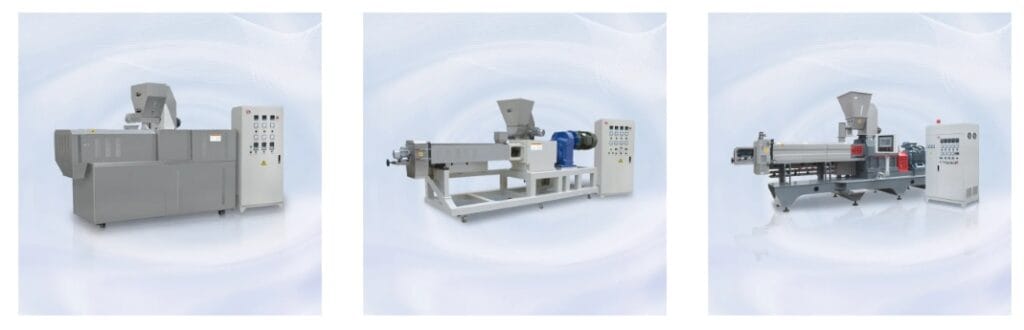
The coarse rice grist now enters the heart of the process: a hydrothermic cooker, Instant rice making machinemost commonly a double- or triple-screw extruder or a large-scale steam cooker.
- The Extruder: As described in the artificial rice article, the extruder is a thermo-mechanical reactor. The rice grist is fed into the machine, where it is mixed with water and/or steam. The combination of high temperature (typically 85°C – 120°C), high pressure, and intense mechanical shear accomplishes several critical tasks simultaneously:
- Starch Gelatinization: The heat and moisture cause the starch granules to swell, rupture, and lose their crystalline structure. This gelatinization is what makes the starch digestible. Raw starch is difficult for anyone to digest, let alone an infant.
- Microbial Reduction (Pasteurization): The high temperatures effectively pasteurize the mixture, destroying the vast majority of pathogens and spoilage microorganisms. This is a critical kill-step for safety.
- Texture Modification: The mechanical shear helps to break down the cell walls of the rice, contributing to the final smooth texture.
- Alternative: Steam Cooking & Drum Drying: In another common method, the rice grist is slurried with water and cooked with direct steam in a large tank. This hot, cooked slurry is then spread in a thin film onto the surface of a large, steam-heated rotating drum. The film is almost instantaneously cooked and dried, being scraped off as a thin, flaky sheet. This sheet is then milled into a powder. This method is also highly effective at gelatinization and pasteurization.
3.4 The Enzymatic Hydrolysis: Pre-Digesting the Starch
This is a subtle but profound step that differentiates high-quality infant cereal. After the initial cooking, the gelatinized starch slurry may be cooled to a specific, optimal temperature (e.g., 60°C) and treated with food-grade enzymes, specifically amylases.
These enzymes are biological scissors that precisely snip the long, complex starch molecules into shorter chains and simple sugars (dextrins and maltose). This process, known as saccharification or hydrolysis, serves two vital purposes:
- Enhanced Digestibility: It effectively “pre-digests” the starch, significantly reducing the work required by the infant’s own pancreatic amylase, which is not yet fully active. This further minimizes the risk of digestive discomfort.
- Sensory Profile Control: By controlling the degree of hydrolysis, manufacturers can prevent the final product from becoming too pasty or thick when mixed with liquid. It results in a smoother, more palatable consistency and can impart a slightly sweet flavor from the generated sugars, which is naturally appealing to infants.
The enzyme reaction is meticulously timed and then halted by a second, rapid heating step (flash heating), which denatures the enzymes, preventing them from further breaking down the product.
3.5 Arsenic Reduction: A Critical Modern Intervention
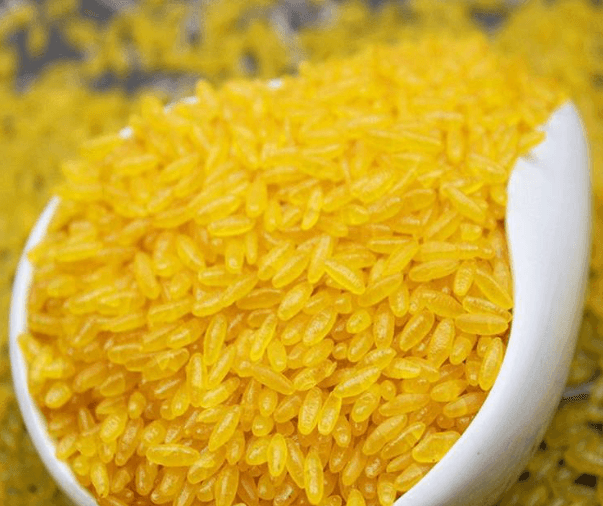
As mentioned, rice can contain inorganic arsenic. The manufacturing process itself offers a key point of intervention. The hydrothermal cooking and the use of excess water create an opportunity for the water-soluble arsenic to leach out. In some processes, the cooked slurry is passed through a filter or a centrifuge, and the liquid portion (which contains a portion of the dissolved arsenic) is separated and discarded. The remaining solid cake is then re-hydrated with clean water for the subsequent drying stage. This “wash-and-drain” technique can significantly reduce the final inorganic arsenic content of the product.
Chapter 4: Drying, Milling, and The Creation of the Base Powder
The product is now a cooked, hydrolyzed, and decontaminated wet slurry or paste. It must be transformed into a stable, dry powder.
4.1 The Drying Process
The wet mass is dried using one of two primary methods:
- Spray Drying: The slurry is first homogenized into a fine pumpable liquid. It is then pumped at high pressure through an atomizer (a nozzle or a spinning disc) at the top of a large tower, creating a fine mist of droplets. Hot, dry air is blown into the tower. As the droplets fall, they instantly lose their moisture, forming hollow, spherical powder particles. This method is fast and creates a very fine, easily dissolvable powder.
- Fluidized Bed Drying: The wet paste is extruded into small strands or granules and placed on a perforated bed. Heated air is blown upwards through the bed with enough force to suspend the particles, “fluidizing” them. This allows for extremely efficient and gentle drying, resulting in a more dense, granular powder that is less dusty.
4.2 The Final Milling and Sifting
The dried material, whether flakes from a drum dryer or granules from a fluidized bed, is now milled into its final, fine powder form using precision air-classifier mills. These mills can control the particle size distribution with incredible accuracy. The powder is then passed through fine mesh sieves (sifters) to ensure no large particles remain and to break up any soft clumps that may have formed. The result is the “base powder”: a pure, pre-cooked, highly digestible rice flour, now ready for its most important transformation—fortification.
Chapter 5: The Alchemy of Fortification – Blending in Nutrition
The base powder is nutritionally little more than carbohydrates. This stage is where it becomes a potent nutritional supplement.
5.1 The Nutrient Premix
The vitamins and minerals are not added individually. They are pre-mixed by a specialized supplier into a homogeneous “fortification premix.” This is a critical step for ensuring even distribution. A typical infant rice cereal premix includes:
- Iron: The most critical component. Common forms are Ferrous Fumarate or Electrolytic Iron. The form is chosen based on bioavailability and its potential to cause off-flavors or discoloration (lipid oxidation).
- Zinc: Essential for immune function and growth. Often added as Zinc Oxide.
- Calcium: For bone development. Commonly from Calcium Carbonate.
- B Vitamins: Thiamine (B1), Riboflavin (B2), Niacin (B3), Pyridoxine (B6), Folic Acid (B9), and Cyanocobalamin (B12).
- Vitamin C: Ascorbic Acid, which can also act as an antioxidant and, importantly, enhances the absorption of non-heme iron.
- Vitamin E: Often as dl-alpha-tocopheryl acetate, an antioxidant.
The premix is a fine powder itself, often using a small amount of a food-grade carrier like maltodextrin to ensure good flowability and prevent segregation of the tiny nutrient particles.
5.2 The Precision Blending
The base powder and the nutrient premix are combined in a large, controlled-environment blending vessel. This is not a simple drum; it is a high-shear powder blender, such as a ribbon blender or a twin-shell (V-blender). The blending process is timed precisely—too little, and the mix is uneven; too much, and the powder can become electrostatically charged and separate.
The homogeneity of this blend is paramount. To ensure that every single serving, from the first spoon to the last, contains the exact same level of nutrients,Instant rice making machine the Quality Control team takes multiple samples from the top, middle, and bottom of the blender and analyzes them using rapid screening techniques. Only when the blend passes the homogeneity test is it released for packaging.
Chapter 6: The Final Barrier – Packaging and Sealing
The finished, fortified powder is now highly susceptible to moisture and oxygen, which can degrade the vitamins and lead to spoilage. Packaging is the final, critical line of defense.
6.1 The Packaging Line Environment
The packaging area is often the most controlled environment in the factory. It is maintained under positive pressure with HEPA-filtered air to prevent dust and microbial contamination from entering. The packaging materials (laminated foil bags, cardboard boxes) are sanitized with UV light as they enter the line.
6.2 The Packaging Process
The packaging is typically a multi-layered, flexible pouch made from a laminate of plastic polymers and foil, inside a cardboard box. The foil layer is essential as it provides an absolute barrier against moisture, oxygen, and light.
The process is fully automated:
- Form-Fill-Seal: The pouch material comes on a roll. It is formed into a bag, the bottom is sealed, and a precise weight of cereal is dropped in by an automated filler.
- Gas Flushing (Optional but Common): Just before the top is sealed, the air in the pouch is evacuated and replaced with an inert gas, like nitrogen or a nitrogen-carbon dioxide mix. This “modified atmosphere” dramatically slows oxidative degradation, preserving the flavor and nutritional potency of the vitamins.
- Final Sealing and Boxing: The top of the pouch is heat-sealed, creating an hermetic barrier. The pouch is then automatically placed into its waiting cardboard box, which is sealed and coded with lot numbers and “best by” dates.
This entire process is monitored by check-weighers and metal detectors to ensure every box contains the correct amount and is free from any physical contaminants.
Chapter 7: The Unseen Guardian – Quality Assurance and Regulatory Oversight
From farm to fork, the production of infant rice cereal is shrouded in a blanket of quality assurance.
7.1 Good Manufacturing Practices (GMP) and HACCP
The factory operates under strict Good Manufacturing Practices (GMPs), which are overarching rules for sanitation, personnel hygiene, and facility maintenance. Superimposed on this is the Hazard Analysis and Critical Control Points (HACCP) system. HACCP is a proactive, preventive framework:
- Hazard Analysis: Every step of the process is analyzed for potential biological, chemical, or physical hazards.
- Critical Control Points (CCPs): Key steps where control can be applied to prevent or eliminate a hazard are identified (e.g., the cooking/extrusion step for microbial pathogens, the final metal detection).
- Critical Limits: Established for each CCP (e.g., “the cereal must be held at 90°C for a minimum of 2 minutes”).
- Monitoring: Continuous monitoring of these CCPs.
- Corrective Actions: Pre-defined actions if a limit is breached (e.g., diverting and destroying the affected product).
- Verification and Record-Keeping: Constant auditing and meticulous documentation to prove the system is working.
7.2 Finished Product Testing
Before a lot of cereal is released for sale, final samples are tested one last time. This includes a full nutritional analysis to verify fortification levels, microbial testing, and sensory evaluation.
7.3 Regulatory Landscape
In the United States, the FDA has specific regulations (e.g., 21 CFR Part 106) for Infant Formula, and while cereal is not a formula, it is held to similar standards of safety and quality. The FDA also has a guidance level for inorganic arsenic in infant rice cereal. In the European Union, regulations are even more stringent, with maximum limits for arsenic, aflatoxins, and other contaminants explicitly defined for baby food.
Chapter 8: The Evolving Discourse – Controversies and The Future
Despite its ubiquity and benefits, infant rice cereal is not without controversy, and the industry is continuously evolving in response.
8.1 The Arsenic Issue
Public awareness of arsenic in rice has led to consumer concern. As discussed, manufacturers have implemented sourcing and processing strategies to reduce levels. Furthermore, pediatric guidelines now encourage a variety of first foods, including other iron-fortified cereals like oat or barley, to diversify an infant’s diet and exposure.
8.2 The “Rice Cereal First” Dogma
The long-standing recommendation of “rice cereal first” is being challenged. Many pediatricians now advocate for a more diverse approach from the start, introducing a variety of pureed fruits, vegetables, and meats early on. The goal remains the same—providing adequate iron—but the means are expanding. This has pushed the industry to innovate with multi-grain and vegetable-based starter cereals.
8.3 The Future of Infant Cereals
The future points towards greater diversification and specialization:
- Organic and Bio-Dynamic Sourcing: Responding to consumer demand for cleaner labels and sustainable agriculture.
- Probiotics and Prebiotics: Incorporating strains of beneficial bacteria and fibers to support the development of a healthy infant gut microbiome.
- New Fortificants: Research into more bioavailable and gentler forms of iron to avoid potential constipation.
- Global Health Tool: Continued use as a vehicle for nutrition in developing countries, potentially fortified with other micronutrients like vitamin A or iodine where deficiencies are prevalent.
The journey of a grain of rice into a box of infant cereal is a profound transformation. It is a process stripped of romance, yet filled with purpose. It is a story of applied science, where chemistry and engineering are harnessed not for profit alone, Instant rice making machinebut for the solemn duty of nourishing the most vulnerable among us.
While parental choices may evolve and pediatric advice may shift, the fundamental principles behind the production of infant rice cereal—safety, digestibility, and targeted nutrition—remain unwavering. It is a testament to a hidden world of precision and control, Instant rice making machinewhere every particle is accounted for, and every nutrient is placed with intention. It is, in its finely powdered, neutrally-flavored way, a silent guardian of the next generation’s health, a carefully engineered first step on the lifelong path of eating.
Leave A Comment