
Unveiling the Grain of the Future: A Comprehensive Look at the Science and Production of Artificial Rice
Introduction: Beyond the Paddy Field
For millennia, rice has been more than just a staple food; it is a cultural touchstone, a symbol of life and prosperity, and the bedrock of food security for over half the world’s population. Its cultivation, deeply intertwined with human civilization,artificial rice making machine paints a familiar picture: vast, water-logged paddies, the bent backs of farmers, and the cyclical rhythm of planting and harvest. This image is so deeply ingrained in our collective consciousness that the very notion of “manufacturing” rice in a factory seems almost sacrilegious, a departure from nature’s order.
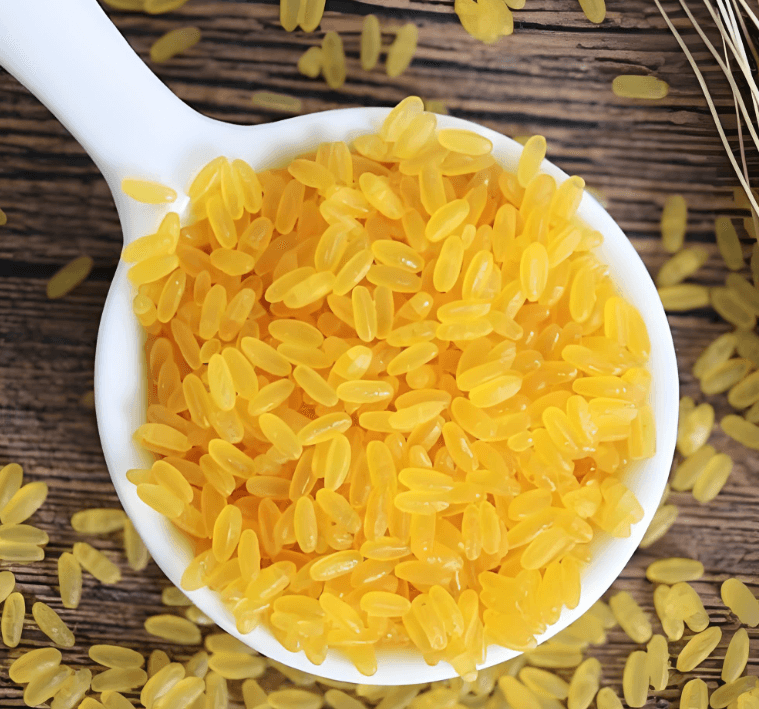
Yet, as the global population surges towards 10 billion, climate change disrupts agricultural patterns, and water scarcity becomes a critical issue, the limitations of traditional agriculture are becoming starkly apparent. The humble paddy field is a major source of methane emissions and consumes an estimated 30-40% of the world’s irrigation water. It is within this context of pressing global challenges that artificial rice emerges not as a replacement for tradition, artificial rice making machine but as a sophisticated, scientifically-driven supplement designed to address the nutritional and logistical gaps in our global food system.
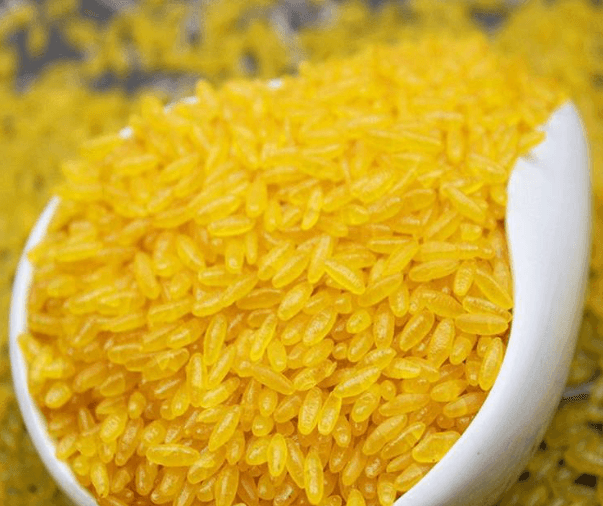
Artificial rice, also known as engineered rice, fabricated rice, or cereal-based simulated rice, is not a GMO crop but a product of food engineering. It is a manufactured grain designed to mimic the appearance, texture, and cooking properties of natural rice while offering enhanced nutritional profiles, extended shelf life, and reduced environmental footprint. artificial rice making machine This article will embark on a detailed exploration of the artificial rice production process, dissecting its raw materials, the complex physics of extrusion, the critical steps of drying and cooling, and the final fortification that makes it a potent tool in the fight against malnutrition. We will also delve into the economic, environmental, and ethical considerations that surround this innovative food technology, providing a holistic and unbiased perspective on the grain of the future.
Chapter 1: The “Why” – The Imperative for Artificial Rice
Before delving into the “how,” it is crucial to understand the “why.” The development of artificial rice is driven by a confluence of powerful global forces.
1.1 The Nutritional Deficit: The “Hidden Hunger” Crisis
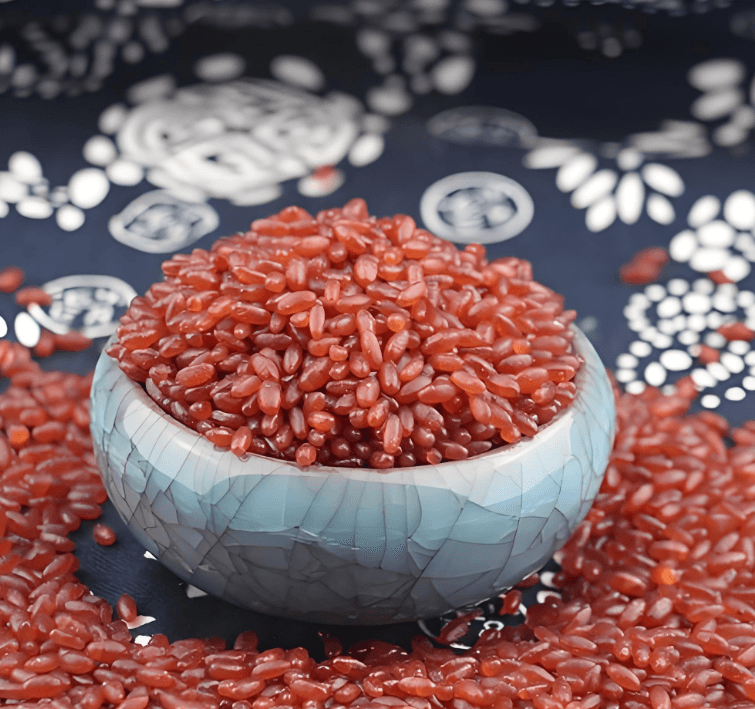
While caloric sufficiency is a challenge in many regions, a more insidious problem is “hidden hunger” or micronutrient deficiency. Millions of people consume enough calories from staples like rice and wheat but lack essential vitamins and minerals such as iron, zinc, vitamin A, and folic acid. This deficiency leads to impaired cognitive development in children, increased susceptibility to disease, maternal mortality, and reduced work capacity in adults.
Natural brown rice is nutritious, containing fiber, vitamins, and minerals. However, the most widely consumed form is white rice, which is produced by milling and polishing, artificial rice making machine a process that strips away the nutrient-rich bran and germ, leaving behind the starchy, relatively nutrient-poor endosperm. Artificial rice presents a revolutionary solution: the ability to “bake in” these lost micronutrients directly into the grain’s matrix, creating a fortified staple that can deliver a significant portion of the Recommended Dietary Allowance (RDA) with every serving.
1.2 Environmental and Resource Pressures
Traditional rice cultivation is resource-intensive.
- Water: It takes approximately 2,500 liters of water to produce one kilogram of rice. In many major rice-producing regions, like parts of India and China, groundwater levels are plummeting due to over-extraction for irrigation.
- Land: Arable land is finite and is being lost to urbanization, salinization, and desertification.
- Greenhouse Gases: Anaerobic conditions in flooded paddy fields are a significant source of methane, a potent greenhouse gas with a global warming potential many times that of carbon dioxide.
The production of artificial rice, particularly when it utilizes by-products from other industries (like broken rice fragments or non-rice flours), can be significantly more efficient in terms of water and land use per unit of nutrition produced. The factory-based process also generates negligible methane emissions.
1.3 Economic and Supply Chain Stability
Artificial rice production is not subject to the whims of weather, pests, or seasonal cycles. It can operate year-round, providing a stable and predictable supply. This can help buffer against price volatility in the global rice market, which can be triggered by droughts, floods, or export bans. Furthermore, it can be produced locally in regions that are net importers of rice, enhancing food sovereignty and reducing reliance on international supply chains.
1.4 Reducing Post-Harvest Losses and Utilizing By-Products
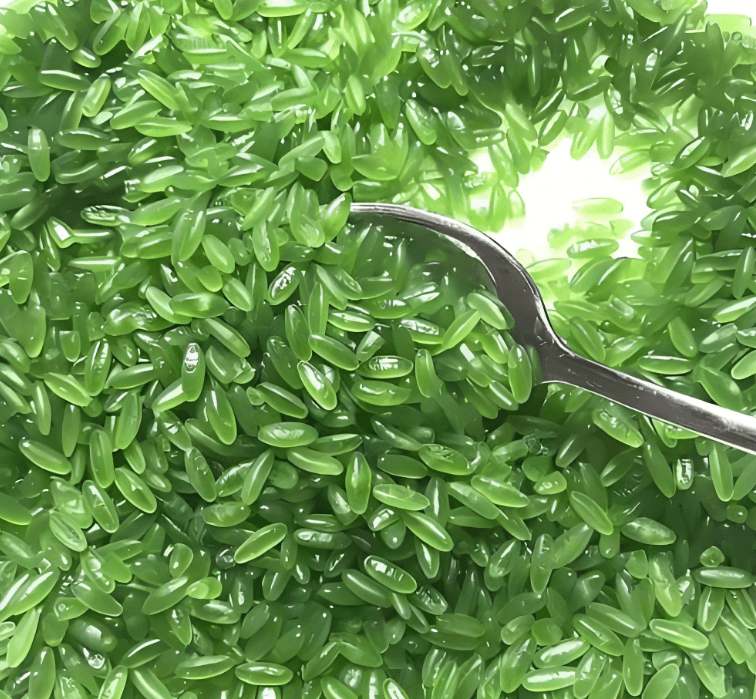
The milling of natural rice generates a significant amount of broken kernels, which are often sold at a fraction of the price of whole grains. Artificial rice production provides a high-value outlet for these broken rice fragments. Similarly, it can incorporate flours from other locally available and affordable crops like sorghum, millet, or cassava, as well as protein sources like soy or pulse flours, creating a nutritious composite product from raw materials that might otherwise be underutilized.
Chapter 2: The Building Blocks – Raw Materials and Formulation
The production of artificial rice begins not in a field, but in a laboratory and a procurement office. The selection and preparation of raw materials are the first critical steps that determine the final product’s nutritional value, sensory qualities, and structural integrity.
2.1 The Base: Flours and Starches
The primary ingredient is a starchy base that provides the carbohydrate structure and mimics the texture of natural rice.
- Rice Flour: The most common and ideal base, often sourced from broken rice. It ensures the final product has a flavor and aroma profile closest to natural rice.
- Other Cereal Flours: Wheat, corn, sorghum, and millet flours are often used, either alone or in blends. This allows for cost reduction and the creation of region-specific products.
- Tuber Flours: Cassava (tapioca) or potato flour can be used for their specific functional properties, such as providing a chewier texture or enhancing transparency.
- Pure Starches: Potato starch, corn starch, or modified food starches are frequently added in precise ratios to control the viscosity of the dough, the gelatinization behavior, and the final texture of the cooked grain. They act as binders and texture modifiers.
2.2 The Fortificants: The Nutritional Engine
This is the core differentiator of artificial rice. The choice of fortificants is based on the prevalent dietary deficiencies in the target population.
- Vitamins: A, B1 (Thiamine), B2 (Riboflavin), B3 (Niacin), B6 (Pyridoxine), B9 (Folic Acid), B12 (Cyanocobalamin), D, and E.
- Minerals: Most commonly Iron, Zinc, and Calcium. The selection of the iron compound is particularly critical, as some forms (e.g., ferrous sulfate) can cause discoloration or off-flavors but are highly bioavailable, while others (e.g., ferric pyrophosphate) are more stable but less readily absorbed.
- Amino Acids and Proteins: To address protein deficiency, especially in populations with limited access to animal protein, powdered proteins from soy, peas, or lentils can be incorporated. The amino acid Lysine, which is limiting in cereal grains, is often added to create a more complete protein profile.
2.3 Functional Additives
A small but crucial set of ingredients is used to ensure the production process runs smoothly and the final product maintains its quality.
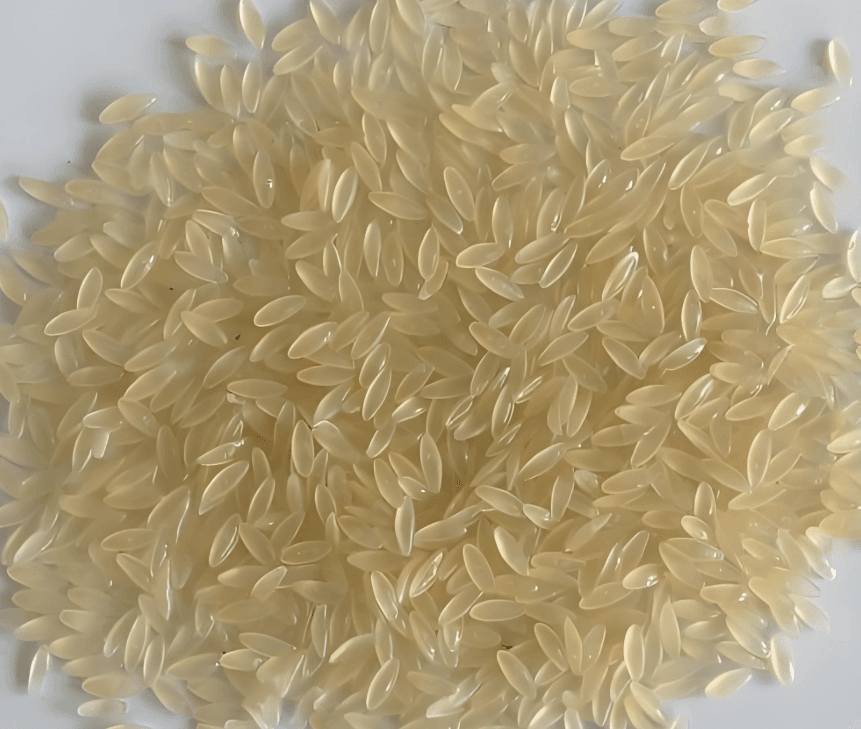
- Emulsifiers: Such as lecithin or mono- and diglycerides. These help bind the fat and water phases, improve dough homogeneity, and prevent the reconstituted grains from sticking together after cooking.
- Stabilizers and Gums: Guar gum or xanthan gum can be added to improve water retention, control viscosity, and enhance the texture.
- Antioxidants: Like mixed tocopherols (Vitamin E) or ascorbic acid (Vitamin C), are sometimes added to prevent the oxidation of fortified vitamins or any added fats, thereby extending shelf life.
2.4 The Liquid Component: Water
Water is not just a solvent; it is a fundamental plasticizer. The amount and quality of water added are meticulously controlled. It hydrates the flour particles, dissolves the fortificants, and enables the formation of a cohesive, extrudable dough. The water activity (aw) of the final mix is a key parameter that influences microbial stability and texture.
The Pre-Mixing Stage:
All dry ingredients—the base flours, starches, vitamin and mineral premixes, and additives—are precisely weighed according to a master formula. This is a highly automated process, often using computerized weighing and dosing systems to ensure batch-to-batch consistency and accurate nutrient levels. The dry mix is then transferred to a high-speed ribbon blender or paddle mixer, where it is blended for a predetermined time to achieve a perfectly homogeneous distribution. Any uneven mixing could result in “hot spots” of vitamins or minerals, leading to inconsistent nutrition and potential sensory issues.
Simultaneously, the liquid phase—water and any liquid oils or emulsifiers—is prepared. The temperature of this water is often controlled, as it can influence the dough’s temperature and, consequently, its extrusion behavior. artificial rice making machine The liquid is then gradually introduced into the dry mix in the main mixer, forming a damp, crumbly, yet uniform dough. The moisture content at this stage typically ranges from 28% to 35%, a critical window for the next, most transformative step: extrusion.
Chapter 3: The Heart of the Matter – The Extrusion Process
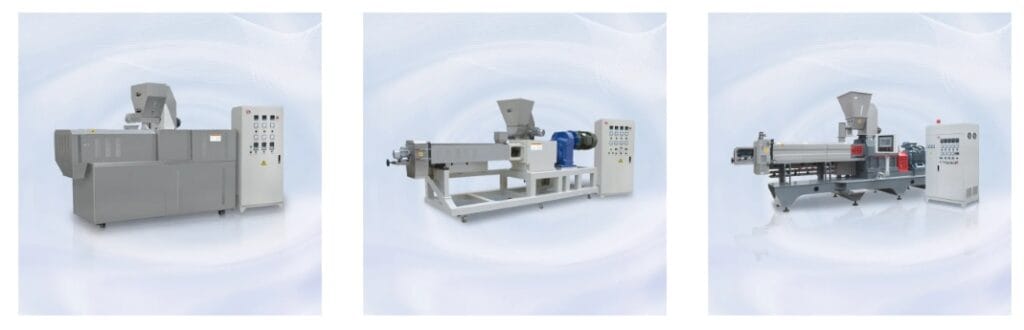
Extrusion cooking is the technological cornerstone of artificial rice production. It is a continuous, high-temperature, short-time process that transforms the prepared dough into rice-shaped grains through a combination of heat, pressure, and shear. This single unit operation accomplishes several critical tasks simultaneously: cooking the starch, denaturing the protein, shaping the grain, and pasteurizing the mixture.
3.1 The Extruder Machine: A Detailed Anatomy
A twin-screw extruder is the industry standard for this application due to its superior mixing capability, flexibility, and control. It consists of several key components arranged along a barrel:
- Feed Hopper: The prepared dough is fed into the machine via this hopper, often using a live-bottom feeder to ensure a consistent and non-pulsating flow.
- The Barrel: A long, hardened steel cylinder that houses the screws. It is typically segmented, with each segment capable of being independently heated or cooled with circulating water or oil (jacketed barrel) or via electrical heater bands.
- Twin Screws: Two intermeshing, co-rotating screws run the length of the barrel. These are not single pieces but are assembled from various screw elements on shafts. The configuration of these elements—conveying elements, kneading blocks, reverse elements—is carefully designed to manipulate the dough.
- The Die: A metal plate with precisely machined holes at the end of the barrel. The shape and size of these holes determine the final shape of the artificial rice grain.
3.2 The Physics and Chemistry Inside the Barrel
As the dough enters the extruder, it undergoes a dramatic physical and chemical transformation. The process can be conceptually divided into several zones:
- Feed Zone: The initial section, where the dough is conveyed forward from the hopper. The screws here are typically configured with wide-pitched conveying elements that gently move the material without applying significant shear.
- Compression and Kneading Zone: This is where the primary mechanical work is done. The screw configuration shifts to narrow-pitched elements and, crucially, kneading blocks. These blocks are discs offset at specific angles that create intense shear and mixing. As the material is forced through the restrictive gaps between the kneading blocks and the barrel wall, mechanical energy is converted into thermal energy (viscous dissipation), rapidly increasing the temperature of the dough. Simultaneously, the barrel jackets in this section may be heated to provide additional thermal energy.
- Melting and Cooking Zone: The combination of high shear and heat causes the starch granules to swell, rupture, and gelatinize. Gelatinization is the process where starch loses its crystalline structure, absorbs water, and forms a viscous gel. This is fundamental to creating the cohesive, plastic mass that will hold its shape. Any proteins present are denatured, unfolding and forming new matrices that contribute to the texture. The high temperatures (typically between 80°C and 140°C) and pressure (which can exceed 50 bar) also effectively pasteurize the mixture, destroying pathogens and deactivating enzymes.
- Metering Zone: Just before the die, the screw elements are again configured for conveying. This section homogenizes the cooked dough melt, ensuring a consistent temperature and viscosity, and builds up the pressure required to force the material through the die.
3.3 The Die and the Instantaneous Pressure Drop
The die is the climax of the extrusion process. artificial rice making machine The high-pressure, hot, plasticized dough is forced through the microscopic holes in the die plate. These holes are engineered to produce the desired shape—typically short, rice-grain-like cylinders. The moment the dough exits the die, it experiences an instantaneous and massive pressure drop to atmospheric pressure. This flash-off of superheated water vapor causes the product to “puff” slightly. However, for artificial rice, this expansion is minimal and tightly controlled to achieve a density and texture similar to natural rice. The rate of cutting at the die face is synchronized with the extrusion speed to produce grains of uniform length.
Chapter 4: Post-Extrusion Processing: Drying, Cooling, and Coating
The grains exiting the extruder are soft, moist, and plastic. They cannot be packaged immediately. A series of post-extrusion treatments are essential to stabilize the product and ensure its quality.
4.1 Drying: The Critical Path to Stability
The primary goal of drying is to reduce the moisture content from around 25-30% post-extrusion to a safe storage level of about 12-14%. This low water activity prevents microbial growth and undesirable chemical reactions, granting the product a shelf life of up to a year or more.
Drying is not a simple matter of applying heat; it is a delicate balancing act. If done too aggressively, the outside of the grain can form a hard, impermeable crust (case hardening), artificial rice making machine trapping moisture inside and leading to a soft, unstable core and potential spoilage. Conversely, if done too slowly, it is inefficient and can promote microbial growth.
The most common equipment used is a multi-pass conveyor dryer. The freshly extruded grains are spread in a thin, even layer on a continuous belt that passes through several drying zones. Each zone has independently controlled temperature, humidity, and airflow.
- First Zone (High Humidity, Moderate Temperature): The initial stage uses warm, humid air to gently heat the grains without causing rapid surface drying. This allows moisture from the interior to migrate to the surface at a controlled rate.
- Intermediate Zones (Progressively Lower Humidity and Higher Temperature): As the grains lose moisture, the drying conditions become more intense. The air temperature is raised, and the humidity is lowered to continue driving off water.
- Final Zone (Conditioning/Cooling): The last stage often involves cooling the grains with ambient or slightly dehumidified air to stabilize them before packaging.
The entire drying process can take anywhere from 20 to 40 minutes, and the temperature profile is carefully mapped to ensure uniform drying without compromising the heat-sensitive vitamins added during fortification.
4.2 Cooling
After drying, the grains are still warm. Packaging them immediately would cause condensation inside the package, leading to clumping and mold. Therefore, the grains are passed through a cooling conveyor, often a simple vibrating deck with ambient air blown across it, to bring them close to room temperature.
4.3 Coating (Optional but Common)
A significant challenge with fortified artificial rice is the potential for nutrient loss, especially of water-soluble B vitamins, during washing and cooking. To combat this, many producers employ a coating technology.
After drying and cooling, the grains may pass through a coating drum. A fine coating—often a thin layer of a food-grade wax (like Carnauba wax), a cellulose derivative, or a edible polymer—is applied as a mist. This coating serves two purposes:
- It forms a protective barrier that helps prevent the leaching of water-soluble vitamins when the rice is rinsed by the consumer.
- It adds a slight sheen, improving the visual appeal to more closely resemble polished natural rice.
In some advanced processes, a portion of the heat-sensitive nutrients (like certain vitamins) may be added in this coating step rather than in the initial mix, protecting them from the high temperatures of extrusion.
Chapter 5: Quality Assurance: From Laboratory to Fork
The production of artificial rice is governed by a rigorous and continuous Quality Assurance (QA) and Quality Control (QC) regime. This ensures that every batch is safe, nutritious, and meets stringent sensory standards.
5.1 In-Process Controls
- Raw Material Inspection: Every incoming lot of flour, premix, and additive is tested for compliance with specifications (moisture, protein, ash content, microbial counts).
- Dough Moisture: The moisture content of the dough is checked continuously or at frequent intervals to ensure it is within the specified range for optimal extrusion.
- Extruder Parameters: Temperatures, pressures, and motor amperage (an indicator of shear force) at various zones of the extruder are monitored and logged in real-time.
5.2 Finished Product Testing
Once the rice is packaged, samples are taken for a battery of tests:
- Physical Tests:
- Size and Shape: Using digital image analysis to ensure grain uniformity.
- Color: Measured by colorimeter against a standard.
- Bulk Density: To ensure it matches natural rice and will cook correctly.
- Cooking Test: The most critical sensory test. Samples are cooked according to a standard protocol and evaluated for:
- Water Absorption: How much water the grains absorb.
- Elongation Ratio: Whether the grains lengthen upon cooking.
- Solid Loss: The amount of starch lost to the cooking water.
- Texture: Measured by a texture analyzer for hardness, stickiness, and chewiness, and by a trained sensory panel for aroma, taste, and mouthfeel.
- Chemical and Nutritional Tests:
- Moisture Content: To confirm it is at a safe level for storage.
- Nutrient Analysis: Using High-Performance Liquid Chromatography (HPLC) for vitamins and Atomic Absorption Spectroscopy (AAS) or Inductively Coupled Plasma (ICP) for minerals to verify that the declared levels of fortificants are present. This is a legal requirement in many countries.
- Microbiological Tests: Tests for Total Plate Count, yeast, mold, E. coli, Salmonella, and other pathogens to ensure the product is safe for consumption.
Chapter 6: The Broader Context: Benefits, Controversies, and The Road Ahead
The technology to produce artificial rice is mature and proven. However, its widespread adoption is not just a technical challenge but also an economic, social, and cultural one.
6.1 The Unambiguous Benefits
- Targeted Nutrition: It is arguably the most effective vehicle for delivering micronutrients to populations that rely on a cereal-based diet. It can be custom-formulated for specific deficiencies in different regions (e.g., vitamin A in Southeast Asia, iron in South Asia).
- Resource Efficiency: It makes better use of agricultural by-products (broken rice) and can reduce the virtual water footprint of the staple food.
- Supply Chain Resilience: Insulates against crop failures and market speculation.
- Consistency and Safety: Offers a standardized, contaminant-free (e.g., free from aflatoxins, heavy metals) product.
6.2 The Challenges and Controversies
- Consumer Acceptance: This is the single greatest hurdle. The concept of “factory-made” food can be met with skepticism and a preference for “natural” products. artificial rice making machine The taste and texture, no matter how refined, can be perceived as slightly “off” by consumers accustomed to traditional rice.
- Cost: The initial capital investment for an extrusion line is high. While the raw materials might be cheap, the operational and R&D costs can make artificial rice more expensive than conventional rice on the shelf, posing a problem for the very low-income groups it aims to help. Government subsidies or large-scale procurement for food aid programs are often necessary.
- Nutrient Stability and Bioavailability: Ensuring that vitamins survive storage and cooking, and that minerals are in a form the body can absorb, remains a key R&D focus.
- The “Silver Bullet” Fallacy: Artificial rice is a supplement, not a replacement for a diverse diet. Over-reliance on it could divert attention and resources from broader agricultural and public health initiatives aimed at improving dietary diversity.
6.3 The Future of Artificial Rice
The future of this technology is bright and points towards greater sophistication:
- Next-Generation Fortification: Encapsulation of nutrients to enhance stability and bioavailability.
- Personalized Nutrition: The potential for small-batch production tailored to the needs of specific demographic groups (e.g., rice for the elderly with extra calcium and vitamin D, or for children with optimized protein and omega-3 fatty acids).
- Sustainable Sourcing: Greater integration of upcycled ingredients, such as flour made from imperfect fruits and vegetables or spent grains from brewing, enhancing both nutrition and sustainability credentials.
- Advanced Shapes and Structures: Using novel die designs and process conditions to create grains with internal structures that mimic wholegrain rice more closely or even contain multiple layers of different nutrients.
The production of artificial rice is a remarkable feat of food engineering—a symphony of material science, thermal dynamics, and nutritional science. It represents a proactive, technologically-driven response to some of the most pressing challenges of the 21st century. From the precise formulation of its raw materials to the intense thermo-mechanical transformation within the extruder and the delicate balancing act of drying, the process is a testament to human ingenuity.
While it may never fully replicate the cultural and emotional resonance of rice cultivated in a sun-drenched paddy, it does not need to. Its value lies in its utility as a powerful, targeted tool. It is a vehicle for delivering life-changing nutrition, a stabilizer for volatile food systems, and a testament to a more efficient and resilient approach to feeding the world. As with any powerful technology, its success will ultimately depend not just on the perfection of its process, but on the wisdom with which it is integrated into our global food landscape—complementing, rather than conflicting with, the timeless rhythms of traditional agriculture. The grain from the factory has earned its place alongside the grain from the field.
Leave A Comment