
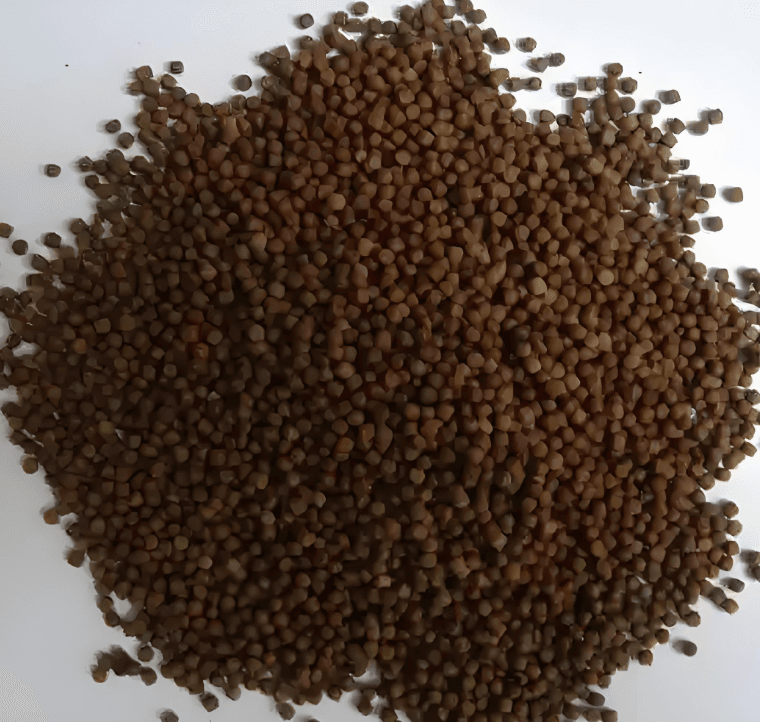
The Great Divide: A Comprehensive Analysis of Floating Versus Sinking Feeds in Modern Aquaculture
Introduction: The Surface and the Depths
Aquaculture, the farming of aquatic organisms, is the world’s fastest-growing food production sector, now supplying over half of all fish for human consumption. At the heart of this industry lies a fundamental, yet often overlooked, component: formulated fish feed. fish feed making machine Feed represents the single largest operational cost in most aquaculture enterprises, often accounting for 50-60% of total expenses. Therefore, the selection of the appropriate feed type is not merely a matter of convenience; it is a critical decision with profound implications for feed conversion ratios (FCR), growth rates, animal health, environmental sustainability, and ultimately, economic viability.
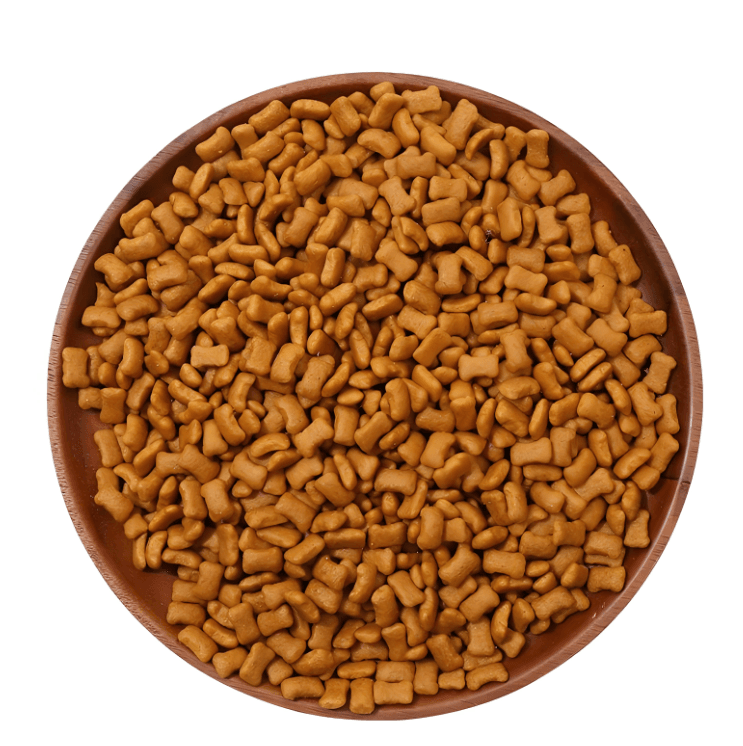
Among the most basic categorizations of fish feed is its buoyancy: floating (extruded) or sinking (pelleted). This seemingly simple physical property—whether a feed particle remains on the water’s surface or descends into the water column—dictates a cascade of biological, environmental, and managerial consequences. The choice between floating and sinking feed is not a matter of one being universally superior to the other; rather, it is a complex decision that must be aligned with the anatomical, physiological, and behavioral characteristics of the target species, fish feed making machine the farming system employed, and the goals of the producer.
This treatise will delve into an exhaustive comparison of floating and sinking fish feeds. We will explore the science behind their manufacturing processes, fish feed making machine the physics of their buoyancy, and their direct impacts on fish behavior, nutrition, and health. We will examine the management implications for the farmer, the environmental footprints of each type, and the economic considerations that guide their selection. Finally, we will provide a detailed, species-by-species analysis to illustrate how these principles are applied in real-world aquaculture. By understanding the intricate dance between the feed at the surface and the feed in the depths, we can optimize aquaculture practices for a more productive, sustainable, and profitable future.
Chapter 1: The Science of Manufacture – Engineering Buoyancy
The fundamental difference between floating and sinking feeds is engineered during the manufacturing process. The methods used—extrusion for floating feeds and steam pelleting for sinking feeds—create distinct physical and chemical structures that determine their behavior in water.
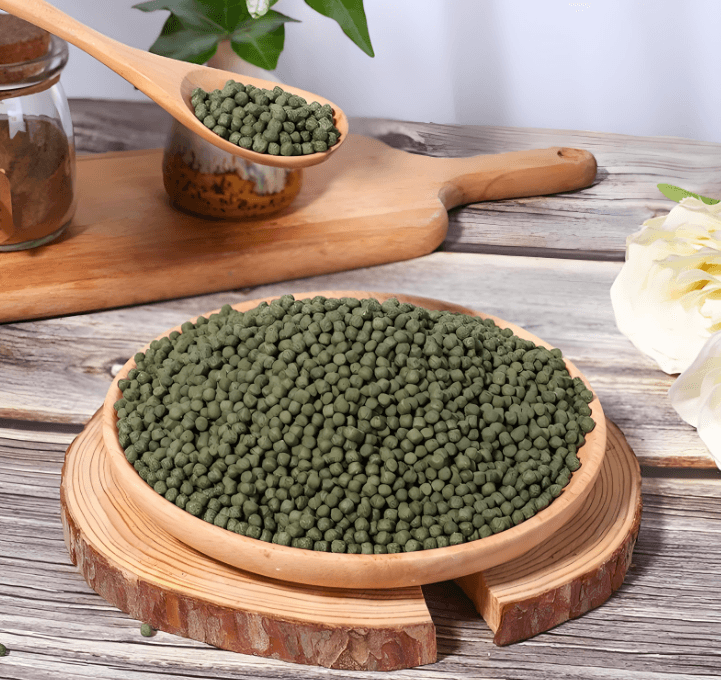
1.1 The Art of Extrusion: Creating the Floating Pellet
Floating feed is produced through a process known as cooking extrusion. This is a high-temperature, high-pressure, and short-time process that transforms a dry mixture of raw ingredients into a porous, buoyant pellet.
- Step 1: Grinding and Mixing: Like all manufactured feeds, the process begins with the selection and grinding of raw materials. Ingredients such as fishmeal, soybean meal, wheat flour, binders, vitamins, and minerals are ground into a fine powder to ensure uniformity and then precisely mixed. This mixture is often referred to as the “mash.”
- Step 2: Conditioning: The dry mash is introduced into a preconditioner, where it is blended with steam and hot water. This hydrates the mixture, begins the gelatinization of starches, and pre-cooks the ingredients, improving digestibility.
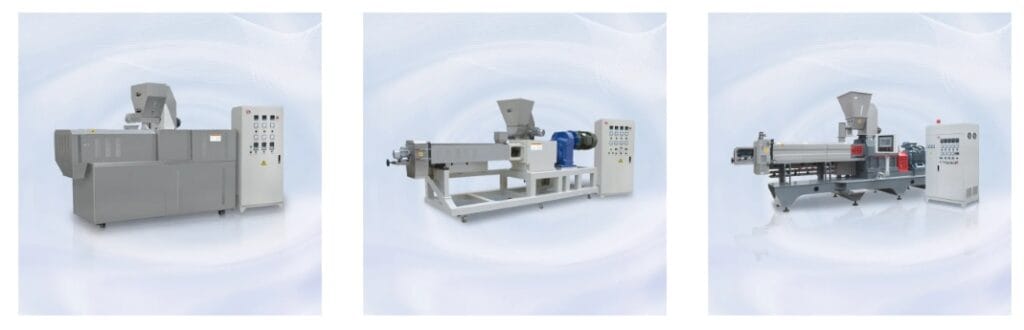
- Step 3: The Extrusion Chamber: The Heart of the Process: The conditioned mash is then fed into the barrel of the extruder. Inside, a rotating screw conveys the material forward through a tightly confined space. As it moves, fish feed making machine it is subjected to immense mechanical shear force and pressure from the constricting screw design and the final die plate. This combination of heat (from both external jacketing and internal friction), moisture, and pressure cooks the mixture thoroughly.
- Step 4: The Flash Point: Expansion and Pore Creation: The most critical moment occurs when the superheated, pressurized dough exits the small holes of the die plate at the end of the extruder barrel. It is instantly exposed to normal atmospheric pressure. This sudden pressure drop causes the trapped superheated water within the dough to vaporize explosively into steam. This “flash” expansion creates a multitude of tiny air pockets and pores throughout the pellet, drastically reducing its density.
- Step 5: Drying and Cooling: The expanded, moist pellets are then conveyed to a multi-pass dryer, where hot air circulates to remove the excess moisture, stabilizing the pellet and locking in its porous, low-density structure. After drying, the pellets are cooled to ambient temperature. The final product has a density less than that of water (typically around 0.4-0.5 g/cm³), ensuring it will float.
- Step 6: Post-Processing (Coating): After drying, the porous structure of the extruded pellet is ideal for vacuum or atmospheric coating. Liquid lipids (fats and oils), digest, vitamins, and other palatability enhancers are sprayed onto the pellets. The porous nature acts like a sponge, absorbing a significant amount of these coatings, which can increase the final fat content of the feed to 25% or higher, crucial for high-energy diets for species like salmon.
1.2 The Simplicity of Pelleting: Crafting the Sinking Feed
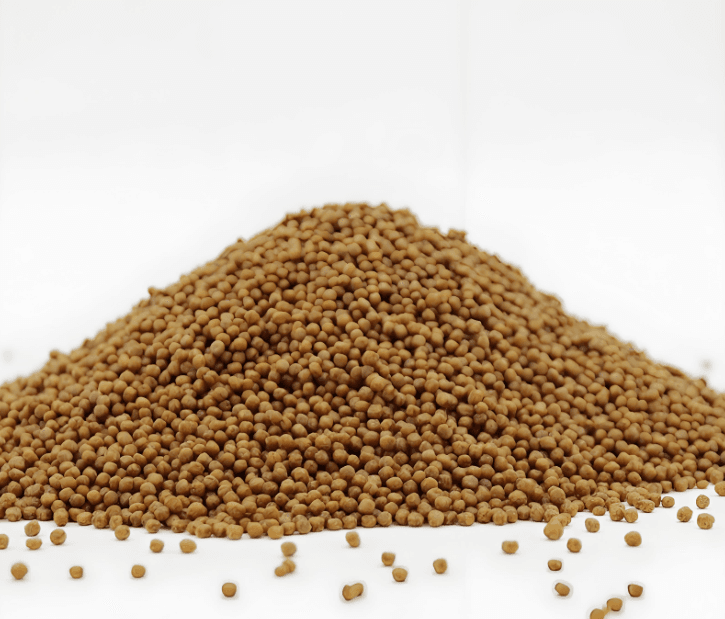
Sinking feed is manufactured through a process called steam pelleting or compression pelleting. This is a lower-temperature, lower-pressure process focused on agglomeration rather than expansion.
- Step 1: Grinding and Mixing: Identical to the extrusion process, fish feed making machine raw materials are ground and mixed into a uniform mash.
- Step 2: Conditioning: The mash is conditioned with steam. However, the amount of steam and water added is less than in extrusion. The goal is not to fully gelatinize the starch but merely to moisten and heat the mash to around 80-85°C, making the natural starches slightly sticky and pliable. This “plasticizes” the mixture, allowing it to bind together under pressure.
- Step 3: The Pelleting Die: Compression and Formation: The conditioned mash is forced through a metal die plate by a set of rollers. The die plate contains cylindrical holes. As the mash is squeezed through these holes under high mechanical pressure, it compacts into a dense, solid pellet. There is no sudden pressure release or expansion. The process is primarily one of compaction.
- Step 4: Cooling: The pellets, which are hot and soft upon exiting the die, are immediately cooled and hardened in a cooler, often using ambient or slightly cooled air. This cooling process solidifies the pellets and evaporates a small amount of surface moisture. The final product has a density greater than that of water (typically >1.0 g/cm³), causing it to sink.
Summary of Manufacturing Differences:
| Feature | Floating (Extruded) Feed | Sinking (Pelletted) Feed |
|---|---|---|
| Process | High-Temperature Short-Time (HTST) Extrusion | Steam Pelleting (Compression) |
| Pressure | Very High | High (Mechanical Compression) |
| Starch Gelatinization | High (>90%) | Moderate (Partial) |
| Pellet Structure | Porous, Expanded, Spongy | Dense, Compact, Solid |
| Density | Low (<1.0 g/cm³) | High (>1.0 g/cm³) |
| Water Stability | Generally High | Can be lower, prone to disintegration |
| Fat Absorption Capacity | Very High (via coating) | Limited (fat added pre-pelleting) |
| Energy Consumption | High | Lower |
Chapter 2: Physical Characteristics and In-Water Behavior
The manufacturing processes impart distinct physical properties that dictate how the feed behaves from the moment it hits the water, influencing everything from nutrient leaching to how a fish must interact with it.
2.1 Buoyancy and Water Stability
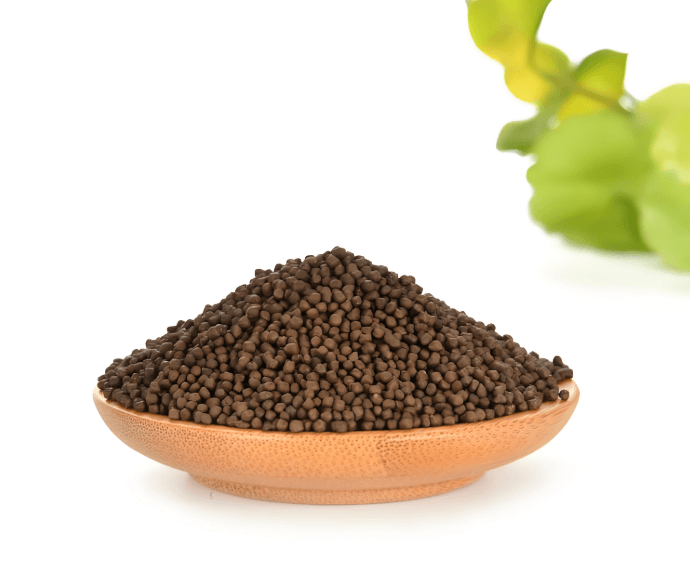
- Floating Feed: The porous, air-filled matrix of extruded feed gives it exceptional buoyancy. It can remain on the surface for many hours, even days, without waterlogging and sinking. This matrix, once dried, is also very stable. It resists breakdown in water, maintaining its physical integrity for a long time. This high water stability is crucial because it minimizes the loss of water-soluble nutrients (like vitamins and minerals) through leaching. The feed remains a cohesive, nutrient-rich unit until consumed.
- Sinking Feed: The dense structure of pelleted feed has no such air pockets. It begins to sink immediately upon contact with water. Its water stability is inherently lower. Water penetrates the pellet more readily, and it can begin to disintegrate or “fines” can break off within minutes. This leads to higher rates of nutrient leaching, where valuable water-soluble nutrients dissolve into the water column before the fish can eat the pellet. This is not only a nutritional loss but also a source of water pollution, enriching the water with nitrogen and phosphorus.
2.2 Nutrient Leaching and Environmental Impact
Nutrient leaching is a critical differentiator. The expanded, gelatinized starch matrix in floating feed acts as a barrier, slowing the diffusion of water and water-soluble compounds. In sinking feed, the compacted but not fully gelatinized structure offers less resistance.fish feed making machine Studies have consistently shown that sinking pellets lose a significantly higher percentage of their water-soluble vitamins and minerals within the first few minutes of immersion compared to extruded pellets.
This has a direct environmental impact. Leached nutrients contribute to the eutrophication of the water body, promoting algal blooms, reducing dissolved oxygen, and potentially harming the farmed fish and the surrounding ecosystem. Therefore, from a waste management perspective, floating feeds often have a lower direct nutrient pollution footprint per unit of feed offered.
2.3 Oil/Fat Retention and Energy Density
The porous structure of extruded feed is a major advantage for creating high-energy diets. After drying, the pellets can be vacuum-coated or top-dressed with oils and fats. The pores literally suck in and trap these lipids, allowing for very high fat inclusion levels (25-40% in some salmonid diets). This fat is largely protected from leaching into the water.
In sinking feeds, fat must typically be added to the mash before pelleting. High levels of fat can act as a lubricant and prevent the mash from binding properly under pressure, leading to pellet disintegration. Therefore, the fat content of sinking feeds is often limited to around 12-16%. While some fat-coated sinking feeds exist, the coating is superficial and more prone to being washed off.
Chapter 3: Biological and Behavioral Implications for Fish
The physical behavior of the feed directly influences fish behavior, feeding ecology, and ultimately, their health and growth performance.
3.1 Feeding Behavior and Natural History
- Surface-Oriented (Top-Feeding) Species: Fish such as tilapia, channel catfish, and certain carp species are natural surface or water-column feeders. For them, a floating pellet is readily accessible and aligns with their instinct to feed at the surface. It encourages them to come up to eat, which is a key behavioral trigger.
- Benthic (Bottom-Feeding) Species: Species like shrimp, prawns, bottom-dwelling catfish (e.g., Clarias), and many marine finfish (e.g., groupers, flounders) are anatomically and behaviorally adapted to feed on or near the bottom. Their mouths are often oriented downward, and they are adept at sifting through substrates. For these species, a sinking feed is essential. A floating pellet would be completely outside their natural feeding zone and likely ignored.
- Mid-Water and Pelagic Species: Salmonids like trout and salmon are classic examples. In cages or raceways, they will readily adapt to feed from the surface, but their natural feeding zone is in the water column. Both feed types can be used, but the choice then hinges on other factors like management and health.
3.2 Feed Observation and Management
This is one of the most significant practical advantages of floating feed. Because it remains on the surface, the farmer can directly observe the feeding activity.
- Visual Monitoring: The farmer can see how eagerly the fish are feeding, how long it takes them to consume the ration, and when they appear satiated and stop feeding.
- Preventing Overfeeding: This allows for “responsive feeding,” where the farmer stops offering feed once consumption slows. This direct feedback loop is incredibly effective at minimizing waste and optimizing FCR. It also allows for the immediate detection of changes in appetite, which can be an early warning sign of stress or disease.
With sinking feed, the moment the pellet sinks below the surface, it is lost to direct observation. The farmer cannot see if the fish are eating it, if it is settling uneaten on the bottom, or if it is being outcompeted by more aggressive individuals. Feeding is often done on a timer or based on estimated biomass, which almost invariably leads to some degree of overfeeding or underfeeding.
3.3 Digestibility and Gastrointestinal Health
The high-temperature, high-shear extrusion process results in a high degree of starch gelatinization. Gelatinized starch is far more digestible for fish than raw starch. While fish are not efficient carbohydrate digesters, the energy from well-cooked starch can be utilized, and the gelatinized matrix also improves the digestibility of proteins.
The expansion and cooking also destroy anti-nutritional factors (ANFs) present in plant-based ingredients (like soybeans) more effectively than the milder steam pelleting. fish feed making machine This can lead to better nutrient availability and reduced gut inflammation.
Furthermore, the low density of floating feed may have implications for buoyancy inside the fish. There is anecdotal evidence and some emerging research suggesting that for certain species prone to swim bladder disorders, a diet of exclusively floating feed might contribute to issues, as the air-filled pellets could introduce more gas into the digestive tract. Sinking feed, which is ingested and begins to hydrate immediately, may be preferable for such sensitive species.
3.4 Social Hierarchy and Stock Assessment
The concentration of feed at the surface can intensify competition. Dominant, larger fish will often monopolize the feeding area, pushing smaller, subordinate individuals to the periphery. This can lead to uneven growth rates and size disparity within a population.
Sinking feed, as it disperses through the water column, can sometimes offer more feeding opportunities for subordinate fish, as the feed is not concentrated in one easily defended location. However, this is highly system-dependent.
The use of floating feed forces fish to the surface, providing the farmer with a regular, excellent opportunity to visually assess the entire stock. They can check for signs of disease, injuries, body condition, and overall activity levels. With sinking feed, the fish may remain deeper and be harder to observe consistently.
Chapter 4: Management, Economic, and Environmental Considerations
The choice between feed types ripples outwards from the fish themselves to impact the entire operation and its surroundings.
4.1 Feed Conversion Ratio (FCR) and Economic Efficiency
The Feed Conversion Ratio (FCR) is a key metric of efficiency, calculated as the weight of feed fed divided by the weight gain of the fish. A lower FCR is better, meaning less feed is required to produce a unit of fish weight.
Floating feeds generally enable a better (lower) FCR for species that will consume them. The primary reason is the reduction in waste through visual feeding management. The farmer can stop feeding the moment the fish stop eating, preventing uneaten feed from sinking and being lost. The superior water stability and lower nutrient leaching also ensure that a higher proportion of the intended nutrients are actually consumed by the fish.
While sinking feed may be cheaper per ton to manufacture due to lower energy costs, this initial saving can be completely erased by a higher FCR resulting from unobserved overfeeding, leaching, and disintegration.
4.2 Storage and Handling
The porous nature of extruded feed makes it less dense. This means it will take up more volume (bulk) for the same weight compared to sinking feed. It can also be slightly more fragile and prone to generating fines (small particles) if handled roughly,fish feed making machine though modern binders have mitigated this significantly.
Sinking feed, being dense, is more compact for storage and transport. However, the fines generated from sinking feed are a complete loss, as they sink immediately and are rarely consumed.
4.3 Environmental Impact: A Deeper Dive
As previously mentioned, the superior water stability of floating feed directly translates to less nutrient pollution from uneaten feed. Furthermore, the ability to manage feeding precisely means less organic waste (whole uneaten pellets) settling on the pond or cage bottom.
In pond culture, this is critical. Accumulated waste on the bottom decomposes, consuming oxygen and producing toxic metabolites like ammonia and hydrogen sulfide, which can stress the fish and lead to disease outbreaks. The use of floating feed, coupled with good feeding practices, is a cornerstone of sustainable pond management.
For sinking feeds, especially in pond systems, it is often necessary to install a central drain or employ other management strategies to remove accumulated sludge from the bottom.
Chapter 5: Species-Specific Applications and Hybrid Feeds
The “float vs. sink” debate is ultimately decided by the fish being cultured. Here are some practical applications:
- Tilapia: A classic candidate for floating feeds. They are aggressive surface feeders, and farmers rely heavily on visual feeding to optimize FCR. The use of floating feed is standard in commercial tilapia operations.
- Shrimp and Prawns: Obligate bottom feeders. Sinking feeds are mandatory. Great effort is put into improving the water stability of shrimp feeds to prevent disintegration before the slow-feeding shrimp can find them.
- Channel Catfish: In the US pond culture industry, floating feed is the universal standard for the same reasons as tilapia: visual management and waste reduction.
- Salmon and Trout: In cage culture, both are used. However, high-energy extruded floating feeds dominate the industry. The ability to incorporate very high levels of fat is essential for these cold-water species, and the monitoring benefits in cages are significant. Modern feeding systems for salmon often use a combination of air and water to propel the pellets, allowing for some control over the depth of release, effectively creating a “slow-sinking” feed if desired.
- Koi and Ornamental Fish: Hobbyists almost exclusively use floating feeds. The primary reason is the spectacle of feeding; watching koi come to the surface is a key part of the experience. It also allows for direct observation of the fish’s health.
- Slow-Moving Demersal Species (e.g., Grouper, Halibut): These fish are reluctant to come to the surface. Sinking feeds are essential. Specialized, high-stability sinking pellets are developed for these high-value species.
Hybrid and Specialized Feeds:
The dichotomy is not absolute. Technology has created intermediate options:
- Slow-Sinking Feeds: By carefully controlling the density during extrusion, manufacturers can create feeds that sink very slowly. This is useful for species that feed in the water column, allowing more time for fish to locate and consume the pellet before it reaches the bottom.
- Submersible Feeder Pellets: In some high-tech systems, floating pellets are used in automatic feeders that submerge the feed and release it at a specific depth, combining the nutritional benefits of extrusion with the delivery method needed for certain species.
Conclusion: An Informed Choice for a Sustainable Future
The decision between floating and sinking fish feed is a foundational one in aquaculture. It is a choice between two different manufacturing philosophies, two different management strategies, and two different relationships with the cultured animal.
Floating (Extruded) Feed offers the advantages of superior water stability, reduced nutrient leaching, the potential for higher energy density, and, most importantly, fish feed making machine the capacity for direct visual feeding management. This leads to better FCRs, reduced environmental impact, and easier stock assessment. Its drawbacks include higher manufacturing cost and unsuitability for bottom-feeding species.
Sinking (Pelletted) Feed is essential for the culture of benthic species. It is often cheaper to produce initially but carries the risks of higher nutrient leaching, poorer water stability, and a near-total inability to monitor consumption, which often results in higher FCR and greater waste.
There is no universal “best” feed. The optimal choice is the one that is species-appropriate, system-specific, and management-friendly. fish feed making machine For the top-feeding tilapia farmer, floating feed is an indispensable tool for efficiency. For the shrimp farmer, a high-quality, stable sinking pellet is the only option. The modern aquaculturist must understand the science behind the sink, the engineering of the float, and the biology of their fish to make the informed choice that ensures the health of their stock, the productivity of their farm, and the sustainability of their practice. In the dynamic world of aquaculture, the feed that bridges the gap between the surface and the depths is the feed that will drive the industry forward.
Leave A Comment