The Eight Pillars of Premium Production: A Comprehensive Guide to Critical Considerations in Cat Food Processing
The journey from a conceptual recipe to a bag of kibble or a can of pâté on a store shelf is a complex symphony of food science, mechanical engineering, and rigorous quality control. cat food production line For cat owners, the choice of food is one of the most significant decisions they make for their pet’s health and longevity. However, this decision is often based on marketing claims and ingredient lists, with little understanding of the processing methods that ultimately determine the food’s safety, nutritional value, and palatability.
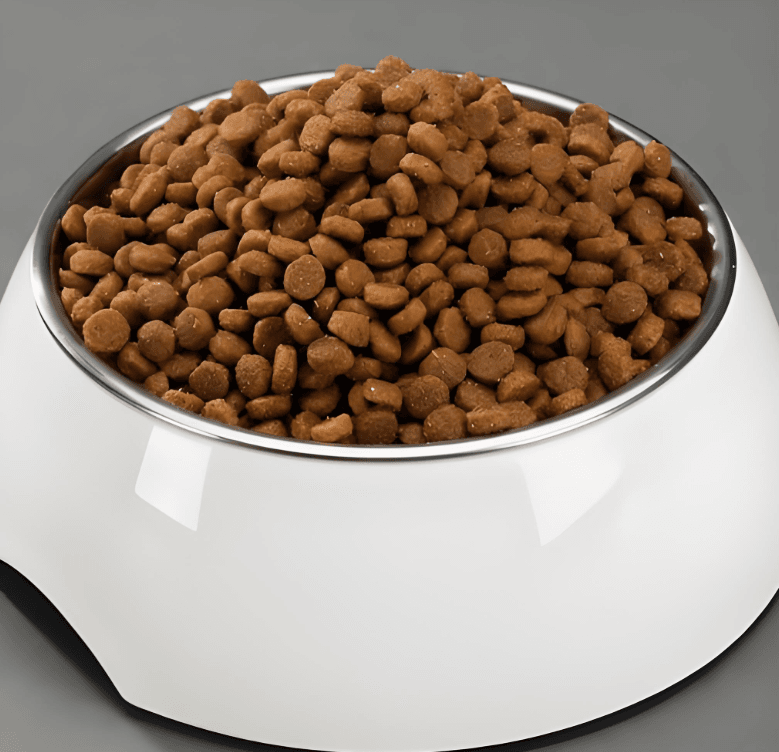
The processing of cat food is not merely a means of preservation; it is a transformative process that can enhance or destroy nutrients, create textures that cats find appealing or reject, and introduce risks or guarantees of safety. cat food production lineA brilliant formulation on paper can be rendered mediocre or even harmful by suboptimal processing. Conversely, superior processing techniques can elevate good ingredients into an exceptional, highly bioavailable, and safe final product.
This article delves deep into the industrial manufacturing of cat food, dissecting eight critical considerations that separate exemplary production from merely adequate or dangerously deficient practices. cat food production lineWe will move beyond the surface-level discussion of ingredients and explore the core technical and philosophical pillars that every manufacturer must master to produce a truly high-quality cat food. From the initial receipt of raw materials to the final sealing of the package, each step holds profound implications for the well-being of the feline consumer.
Pillar 1: Ingredient Sourcing and Pre-Processing Integrity: The Foundation of Quality
The axiom “garbage in, garbage out” is never more true than in food manufacturing. The highest standards of processing cannot compensate for inherently poor or inconsistent raw materials. Therefore, the first and most fundamental pillar is the establishment of an uncompromising protocol for ingredient sourcing and their initial preparation for the production line.
1.1. The Criticality of Supplier Verification and Specification Sheets
A premium pet food company does not simply purchase commodities; it partners with verified suppliers. This involves:
- Audits: Regular on-site audits of suppliers’ facilities to assess their Good Manufacturing Practices (GMPs), sanitation protocols, and traceability systems.
- Specification Sheets: Every single ingredient, from a major component like chicken meal to a minor one like a vitamin premix, must have a detailed specification sheet. This document legally defines the required parameters, including:
- Nutritional Analysis: Guaranteed levels of protein, fat, moisture, and ash.
- Microbiological Standards: Maximum allowable counts for pathogens like Salmonella and E. coli, as well as total plate count and molds.
- Physical Specifications: Particle size, color, and density.
- Purity and Contaminant Limits: Defining acceptable levels for heavy metals, mycotoxins (e.g., aflatoxin in grains), and pesticides.
- Certificate of Analysis (COA): With each shipment, the supplier must provide a COA, a document proving that the specific batch meets the agreed-upon specifications. The receiving company’s quality control lab should then perform its own incoming inspection to verify the COA’s claims.
1.2. The Pre-Processing of Key Ingredients
Before ingredients even enter the main production stream,cat food production line they often undergo crucial pre-processing steps.
- Meat and Meals:
- Fresh/Frozen Meats: These must be kept at controlled temperatures from the slaughterhouse to the processing plant. Upon arrival, they are typically ground through large industrial grinders. This grinding serves two purposes: it creates a uniform consistency for mixing, and it increases the surface area, which aids in subsequent cooking and fat separation. The grinding process must be monitored for metal contamination (from bone or machinery) via metal detectors.
- Meat Meals: While already a rendered, dry product, meals may need to be sieved or passed through a magnet to remove any foreign material that may have been introduced during transport or storage. They are often stored in silos and pneumatically conveyed to the mixer, which requires controlled humidity to prevent clumping.
- Grains and Carbohydrates:
- Grinding/Milling: Whole grains like corn, barley, or rice are milled into a fine flour or meal. The particle size is critical. If it’s too coarse, it may not cook uniformly during extrusion, leading to hard, undercooked centers in the kibble. If it’s too fine, it can disrupt the extrusion process, create dust, and negatively impact the kibble’s structural integrity. Modern mills use screens of specific sizes to achieve a consistent granulation.
- Fats and Oils:
- Stability and Preservation: Fats are highly susceptible to rancidity, which not only produces off-putting odors and flavors but also generates free radicals that can be harmful to cats. High-quality manufacturers will specify fats preserved with natural antioxidants like mixed tocopherols (Vitamin E). Upon receipt, fats are often stored in temperature-controlled tanks under inert gas (like nitrogen) to minimize exposure to oxygen, which accelerates oxidation.
The Consequence of Neglect: Failure at this first pillar can lead to catastrophic downstream effects. A batch of grain contaminated with a high level of aflatoxin can cause acute liver failure. Meat with a high bacterial load can overwhelm the cooking and sterilization steps, leading to a recalled product. Inconsistent particle size can result in an uneven mix, cat food production linecausing nutrient variances from one kibble to the next.
Pillar 2: The Precision of the Mixing and Batching Phase
Once individual ingredients have been verified and pre-processed, they must be combined into a homogeneous blend. This batching stage seems simple but is deceptively critical, as it determines the uniform distribution of every nutrient in the final product.
2.1. The Science of Sequential Mixing
A industrial ribbon mixer or paddle mixer does not simply have all ingredients dumped into it at once. The order of addition is a science.
- Major Components First: The bulk ingredients—the ground grains, the meat meal, the protein concentrates—are loaded first.
- Minor Components with Carriers: The most critical ingredients are often the ones used in the smallest quantities: vitamins, minerals, amino acids (like taurine and methionine). These are never added alone. They are first pre-mixed with a “carrier,” such as rice hulls or wheat middlings, in a smaller batch mixer to create a uniform premix. This premix is then added to the major components. This step is vital to prevent “vitamin hotspots,” where one kibble gets a dangerous concentration of a vitamin like Vitamin D, while another gets none.
- Liquid Addition: As the dry ingredients mix, liquid components like water, animal digests, and molten fat may be sprayed into the mixture. This helps to coat the dry particles and begin the hydration process crucial for the next stage.
2.2. Mixing Time and Homogeneity Validation
The mixer must run for a predetermined, validated amount of time. Too short a time results in a non-uniform batch. Too long can lead to over-mixing, cat food production line where ingredients may begin to separate based on density (a phenomenon called “de-mixing”).
- Validation: To ensure mixing is effective, the quality control team will periodically take multiple samples from different locations within a finished batch (top, middle, bottom, sides) and analyze them for a key tracer nutrient, such as salt or a specific mineral. The coefficient of variation between these samples must be within a strict statistical limit (e.g., < 10%) to prove the batch is homogeneous.
The Consequence of Neglect: An improper mix is a direct failure of the product’s nutritional promise. It can lead to taurine deficiency in some cats consuming the food, while others may experience toxicity from an excess of a mineral like selenium. This lack of uniformity makes the guaranteed analysis on the bag a meaningless average, not a promise for every bite.
Pillar 3: The Thermodynamic Control of the Cooking Process: Extrusion and Retorting
This is the heart of cat food processing, where the raw blend is transformed into its final form. The method and control of cooking are paramount for nutrition, safety, and texture. We will focus on the two primary methods: extrusion for kibble and retorting for wet food.
3.1. Dry Food: The Complex Alchemy of Extrusion
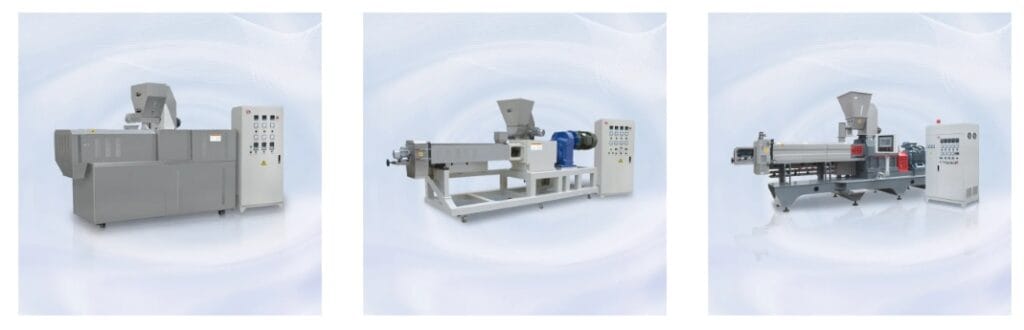
Extrusion is a high-temperature, short-time (HTST) cooking process that uses heat, pressure, and mechanical shear.
- Pre-Conditioning: The dry blend is fed into a pre-conditioner, where it is mixed with steam and hot water. This is the first stage of cooking, hydrating the starches and proteins. The residence time (typically 1-3 minutes) and temperature (often 80-95°C / 176-203°F) in the preconditioner are critical control points. Proper preconditioning gelatinizes the starches, which is essential for binding the kibble and making it digestible.
- The Extruder Barrel: The preconditioned dough enters the extruder itself, a barrel with a rotating screw. The screw conveys the material forward while subjecting it to increasing pressure and temperature (often reaching 120-150°C / 248-302°F) through a combination of direct steam injection and the immense frictional heat generated by the screw’s mechanical energy.
- Starch Gelatinization: Completes here, making the carbohydrates digestible.
- Protein Denaturation: Unfolds the complex protein structures, destroying anti-nutritional factors and making the amino acids more bioavailable.
- Pathogen Destruction: The combination of time, temperature, and pressure is lethal to virtually all vegetative pathogens, including Salmonella and E. coli.
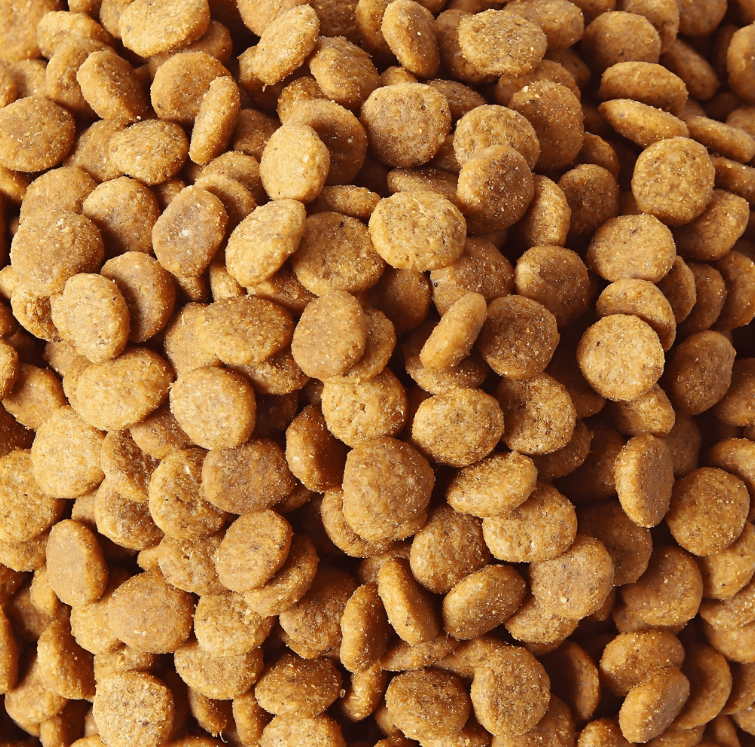
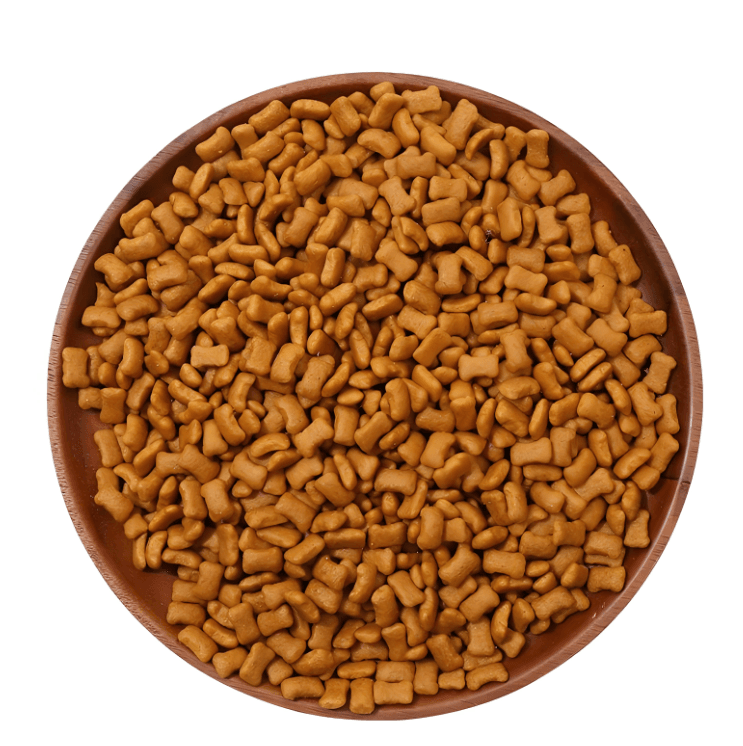
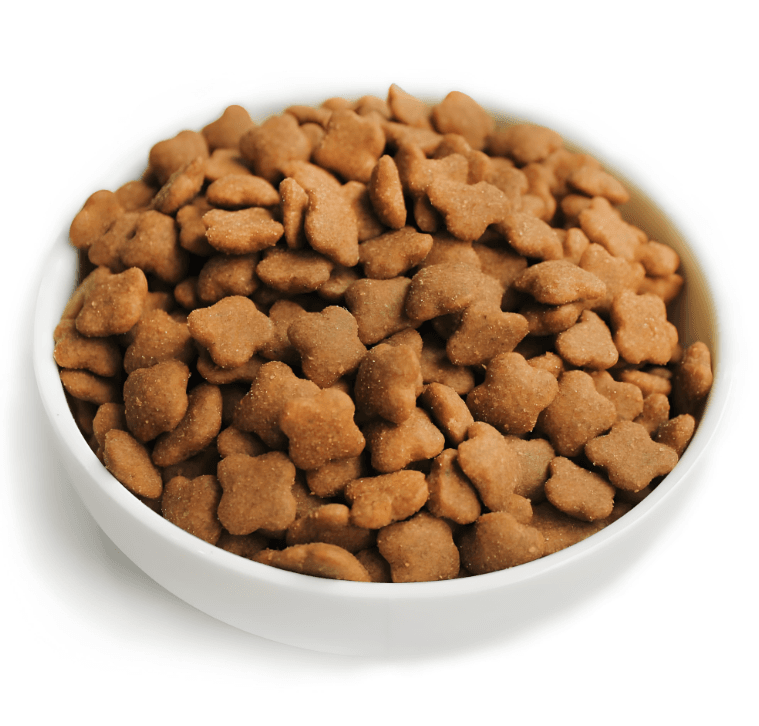
- The Die and Expansion: The cooked, plasticized dough is forced through a die plate at the end of the barrel. The specific shape of the die holes creates the kibble shape (stars, fish, etc.). As the superheated material exits the die into ambient atmospheric pressure, it undergoes instantaneous expansion, like popcorn. The rapid flash-off of steam creates the porous, airy texture of kibble. The degree of expansion is controlled by the recipe, moisture content, and die design.
3.2. Wet Food: The Sterilizing Power of Retorting
Wet food processing involves filling the containers before the final cook.
- Filling and Sealing: The prepared meat slurry or chunks-in-gravy are filled into cans, pouches, or trays. The container is then hermetically sealed under a vacuum. Removing the air is crucial as it prevents oxidation during storage and allows for efficient heat transfer during retorting.
- The Retort Process: The sealed containers are loaded into large, industrial pressure cookers called retorts. The process is defined by a strict “retort schedule,” which dictates the come-up time, holding time, holding temperature, and cooling time.
- The Goal: Commercial Sterility. The temperature (typically 115-125°C / 239-257°F) and pressure must be high enough, and the hold time long enough, to destroy the most heat-resistant pathogen of concern: the spores of Clostridium botulinum, which cause botulism. This ensures the product is shelf-stable for years.
- The Challenge: This intense thermal process can be more damaging to heat-sensitive nutrients than extrusion. It can also alter the color and texture of the food, leading to the “cooked” flavor and appearance. Premium manufacturers carefully calculate the “cook value” to ensure safety while minimizing nutrient degradation, often by adding heat-sensitive vitamins after the retorting process is complete (in the case of aseptic filling) or by over-fortifying the mix to account for losses.
The Consequence of Neglect: In extrusion, incorrect temperatures can lead to undercooked starch (reducing digestibility) or overcooked protein (destroying amino acids like lysine and reducing palatability). In retorting, a deviation from the validated schedule—a temperature that is too low or a time that is too short—can result in a non-sterile product, creating a breeding ground for deadly bacteria and leading to a massive, life-threatening recall.
Pillar 4: The Critical Post-Cooking Protocols: Drying, Cooling, and Coating
The food’s journey is not over once it is cooked. cat food production lineThe steps immediately following cooking are essential for achieving shelf-stability, preventing contamination, and ensuring palatability.
4.1. For Kibble: The Delicate Balance of Drying and Cooling
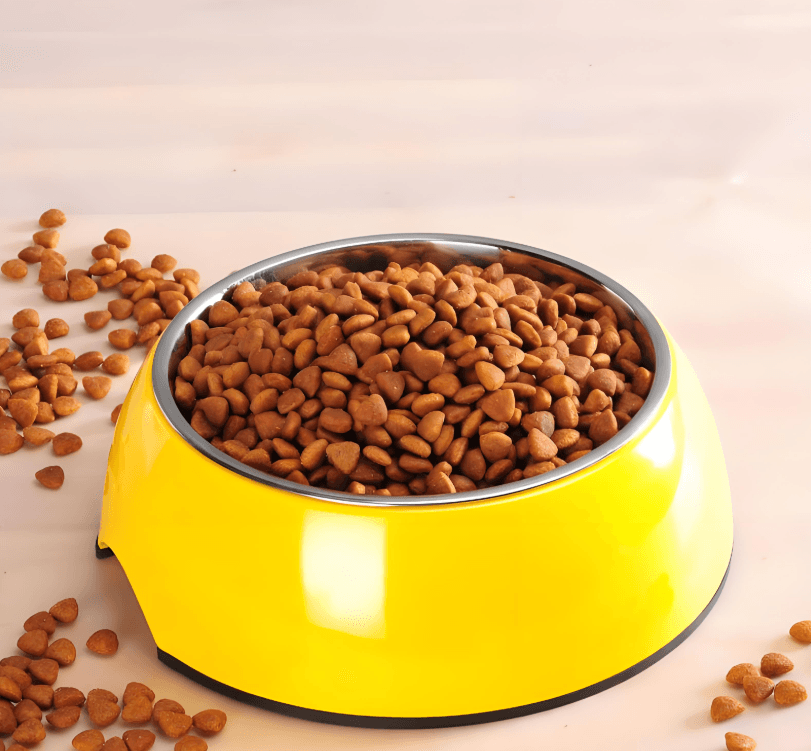
- Drying: Freshly extruded kibble has a moisture content of ~25-30%. To be shelf-stable and resistant to mold, this must be reduced to 8-12%. This is achieved in a multi-pass dryer, where the kibble is conveyed on belts through a series of chambers with controlled temperature and humidity. The drying profile must be gradual. Too fast, and a hard, impermeable “case” will form on the outside, trapping moisture inside, which leads to spoilage (a phenomenon known as “checking”). Too slow, and the process becomes inefficient and can promote microbial growth.
- Cooling: The hot, dry kibble must be cooled to near ambient temperature before packaging. If packaged hot, residual heat and moisture would create condensation inside the bag, leading to mold and caking. Cooling is typically done with ambient or slightly cooled air in a cooling conveyor. The cooling step is another critical control point for preventing microbial growth, as it brings the product through the “danger zone” (4-60°C / 40-140°F) where bacteria multiply rapidly.
4.2. The Palatability Enhancement of Fat Coating (Enrobing)
After cooling, the dry, porous kibble is ready for its flavor coating. This is done in a rotating drum, often called a “fat coater” or “flavor drum.”
- The Process: Liquid fat, along with other palatability enhancers like powdered animal digests or yeast extracts, is sprayed as a fine mist onto the tumbling kibble. The porous structure acts like a sponge, absorbing the fat and flavors.
- Quality Considerations: The quality of the fat used here is paramount. It should be a named source (e.g., chicken fat, salmon oil) preserved with natural antioxidants. The temperature of the fat must be controlled to ensure it remains liquid and is evenly distributed without clumping. This coating typically adds 2-5% of the kibble’s final weight and is a primary driver of a cat’s acceptance of the food.
The Consequence of Neglect: Improper drying and cooling is a direct invitation to microbial proliferation, particularly molds and mycotoxin-producing fungi. Inadequate cooling can also cause the destruction of heat-sensitive nutrients added post-extrusion, such as certain vitamins and probiotics. A poorly applied fat coat will result in a dusty, unappetizing product that cats will refuse to eat, rendering all previous processing efforts worthless.
Pillar 5: The Rigors of Quality Assurance and Hazard Analysis
A proactive, science-based quality assurance (QA) system is the nervous system of a modern pet food plant. It is not a separate department that tests finished products, but an integrated philosophy that monitors and controls every aspect of production.
5.1. Implementing a HACCP Plan
The cornerstone of modern food safety is the Hazard Analysis and Critical Control Point (HACCP) system. It is a proactive, preventive framework that involves:
- Conducting a Hazard Analysis: Identifying all potential biological, chemical, and physical hazards that could occur at every step of the process.
- Identifying Critical Control Points (CCPs): Determining the points in the process where a hazard can be prevented, eliminated, or reduced to an acceptable level. For cat food, typical CCPs include the thermal processing steps (extrusion/retorting) for biological hazards and metal detection for physical hazards.
- Establishing Critical Limits: Setting the measurable boundaries for each CCP. For example, the minimum temperature and time for the extruder or retort.
- Monitoring Procedures: Defining how and when the CCPs will be monitored. This is often done in real-time by automated systems with data loggers.
- Corrective Actions: Pre-determining the actions to be taken if a critical limit is not met (e.g., diverting and destroying the product produced during the deviation).
- Verification and Record-Keeping: Periodically validating that the HACCP plan is working and maintaining meticulous records of all monitoring activities.
5.2. Ongoing Verification and Testing
Beyond HACCP, a comprehensive QA program includes:
- In-Process Testing: Regularly testing product at various stages for moisture, pH, and density.
- Finished Product Testing: Every production run (lot) of finished product should be tested before release to ensure it meets all nutritional, microbiological, and physical specifications. This includes verifying the guaranteed analysis and screening for pathogens.
- Shelf-Life Studies: Periodically storing products under controlled conditions and testing them over time to validate the “best by” date and monitor nutrient stability and the potential for rancidity.
The Consequence of Neglect: Operating without a rigorous HACCP plan and QA system is akin to flying blind. It relies on luck rather than science to produce safe food. The results can be disastrous, including nationwide recalls, legal liability, loss of consumer trust, and, most tragically, illness or death in pets.
Pillar 6: The Final Safeguard: Packaging and Shelf-Life Stability
The package is the final barrier between the carefully processed food and the external environment. Its role in preserving quality is often underestimated.
6.1. The Battle Against Oxygen and Light
The two greatest enemies of finished cat food are oxygen and light, which catalyze the oxidation of fats (rancidity).
- Dry Food Packaging: High-quality kibble is packaged in multi-layer plastic bags with a foil liner. This foil layer is imperative as it is an excellent barrier against oxygen and moisture vapor. During packaging, many premium manufacturers use “gas flushing,” where the air in the bag is displaced with an inert gas like nitrogen before sealing. This dramatically reduces the amount of oxygen in the headspace, drastically slowing down the oxidation process.
- Wet Food Packaging: Cans, by their nature, provide a nearly perfect oxygen and light barrier once sealed and retorted. Pouches and trays must be made of high-barrier laminates to prevent oxygen ingress over time.
6.2. Ensuring Package Integrity
The best barrier materials are useless if the package is not sealed properly. Seal integrity is a critical control point.
- For Bags: The heat seal must be strong and consistent across the entire width of the bag. Seal strength tests are routinely performed.
- For Cans: The double-seam on a can must be meticulously formed and regularly dissected and measured by quality control technicians to ensure it is within specification and free from defects.
The Consequence of Neglect: Poor packaging leads to rapid quality degradation. Fat oxidation produces rancid odors and flavors, reduces the nutritional value of fats, and generates free radicals that can have negative health effects. Moisture ingress in dry food can lead to mold growth. A broken seal on a can or pouch renders the sterile interior vulnerable to microbial contamination.

Pillar 7: Managing Contamination and Cross-Contact
In a plant that processes multiple formulas, the prevention of cross-contact is a significant challenge, especially for cats with food allergies or sensitivities.
7.1. Allergen Management
Common allergens in cat food include proteins from beef, dairy, fish, and chicken. A plant must have a clear, validated plan to prevent the unintended transfer of these allergens into a product that is marketed as “free” from them.
- Scheduling: Production is scheduled to run “allergen-free” or novel protein formulas (e.g., rabbit) before formulas containing common allergens (e.g., chicken).
- Physical Segregation and Sanitation: This is the most critical step. After running a batch containing an allergen, the entire production line must undergo a validated “wet clean.” This involves disassembling equipment where possible, flushing with water, and using detergents and sanitizers to remove all protein residue. The efficacy of the clean must be verified, often using rapid protein swab tests (ATP tests). Using dedicated equipment for specific allergen lines is the gold standard but is often not feasible for smaller manufacturers.
7.2. Foreign Material Control
A comprehensive program is needed to prevent physical contaminants from entering the food.
- Metal Detection: All product should pass through a metal detector at the end of the line, which can find ferrous and non-ferrous metals.
- Magnets and Sieves: Placing magnets at various stages (e.g., after grinding) and using sieves or sifters can catch metallic and other physical contaminants.
- X-ray Inspection: Increasingly common, X-ray machines can detect not only metals but also glass, stone, and certain types of plastic and bone.
The Consequence of Neglect: Inadequate allergen control can cause severe allergic reactions in sensitive cats, undermining the purpose of a limited-ingredient diet. Failure in foreign material control can lead to broken teeth, internal injuries, or choking hazards, and inevitably results in consumer complaints and regulatory action.
Pillar 8: The Human Factor: Training and a Culture of Quality
The most advanced equipment and meticulously written procedures are useless without a well-trained, empowered, and conscientious workforce. The human element is the thread that ties all the other pillars together.
8.1. Comprehensive and Ongoing Training
Employees at every level, from the receiving dock to the packaging line, must understand not just what they are doing, but why it is important.
- GMP Training: All personnel must be trained in basic Good Manufacturing Practices: proper hygiene, handwashing, wearing hairnets and uniforms, and policies against wearing jewelry in production areas.
- Technical Training: Machine operators must understand the critical control points of their equipment. They must be able to recognize out-of-spec conditions and know the immediate corrective actions to take.
- Empowerment: A world-class organization fosters a culture where every employee is empowered to stop the production line if they see something that compromises safety or quality. This requires trust and a non-punitive management approach to problem identification.
8.2. Fostering a Quality-First Culture
Quality cannot be the sole responsibility of the QA department. It must be a core value embraced by the entire organization, from the CEO to the sanitation crew. This is fostered through clear communication, celebrating quality achievements, and transparently addressing failures as learning opportunities.
The Consequence of Neglect: An untrained, disengaged workforce will cut corners. They will ignore subtle signs of equipment malfunction, skip sanitation steps to save time, and fail to report potential problems. This creates a brittle system where quality is inconsistent and safety is perpetually at risk, no matter how impressive the physical plant may appear.
The production of high-quality cat food is a demanding, multi-faceted discipline that extends far beyond a simple recipe. It is a continuous process of vigilance, science, and commitment. The eight pillars outlined here—Ingredient Integrity, Precision Mixing, Controlled Cooking, Meticulous Post-Processing, Rigorous Quality Assurance, Protective Packaging, cat food production line Contamination Management, and a Trained Workforce—are not isolated steps but interconnected components of a holistic system.
A failure in any single pillar can compromise the entire enterprise, potentially harming the very animals the food is designed to nourish. For manufacturers, the pursuit of excellence in these areas is a moral and commercial imperative. For consumers, understanding these complexities provides a powerful lens through which to evaluate pet food brands, looking past marketing claims to the underlying manufacturing philosophy and practices that truly define quality and safety. In the end, the goal is universal: to deliver safe, nutritious, and palatable food that supports the health and happiness of our feline companions for all of their nine lives.
Leave A Comment