
Strategies for Enhancing the Quality and Efficacy of Fortified Rice: A Multifaceted Approach from Production to Plate
Rice is a staple food for over half the world’s population, serving as a primary source of calories and energy. However, its nutritional profile is inherently limited, being deficient in essential micronutrients such as iron, zinc, vitamin A, and B-vitamins. fortified rice making machine This nutritional gap contributes significantly to the “hidden hunger” phenomenon, affecting billions, particularly in low- and middle-income countries where dietary diversity is low. Fortification—the practice of deliberately increasing the content of essential micronutrients in food—has emerged as a powerful, cost-effective, and scalable public health intervention. Rice fortification, specifically, holds immense promise due to the grain’s ubiquitous consumption.

However, the journey of fortified rice from the production facility to the consumer’s bowl is fraught with challenges that can compromise its quality and, consequently, its public health impact. The quality of fortified rice is a multi-dimensional attribute, encompassing nutrient stability, sensory properties, physical integrity, and bioavailability. fortified rice making machine This article provides an exhaustive examination of the strategies required to enhance the quality of fortified rice across its entire value chain. We will delve into the scientific and technological advancements in kernel engineering, the critical selection of nutrient compounds, the intricacies of the production process, the development of robust quality assurance protocols, the importance of packaging and storage, and the pivotal role of consumer acceptance and regulatory frameworks. By adopting a holistic and integrated approach, stakeholders can ensure that fortified rice fulfills its potential as a potent tool in the global fight against micronutrient malnutrition.
1. Introduction: The Imperative for Quality in Rice Fortification
Micronutrient deficiencies represent one of the most pervasive yet addressable global health challenges. The World Health Organization (WHO) estimates that over two billion people suffer from deficiencies in key vitamins and minerals, leading to impaired cognitive development, increased susceptibility to infectious diseases, reduced work capacity, and, in severe cases, death. Iron deficiency anemia alone affects nearly 33% of the world’s women and 42% of children under five, fortified rice making machine contributing to maternal mortality and impaired neurodevelopment in children.
While the long-term solution to hidden hunger lies in promoting diverse, nutrient-rich diets, this remains an aspirational goal for many populations constrained by economic, geographic, and cultural factors. In this context, food fortification has been validated as one of the most successful and sustainable nutrition interventions. The fortification of salt with iodine, wheat flour with iron and folic acid, and edible oils with vitamin A has demonstrated significant public health successes.
Rice, however, presents a unique set of challenges and opportunities. Unlike milled wheat, which is typically processed in centralized facilities, rice often undergoes a less centralized supply chain. Furthermore, the traditional milling process to produce white rice strips away the nutrient-rich bran and germ layers, leaving behind the starchy endosperm, which is poor in micronutrients. Simply adding nutrient powder to raw rice is ineffective, as the nutrients are lost during washing and cooking.
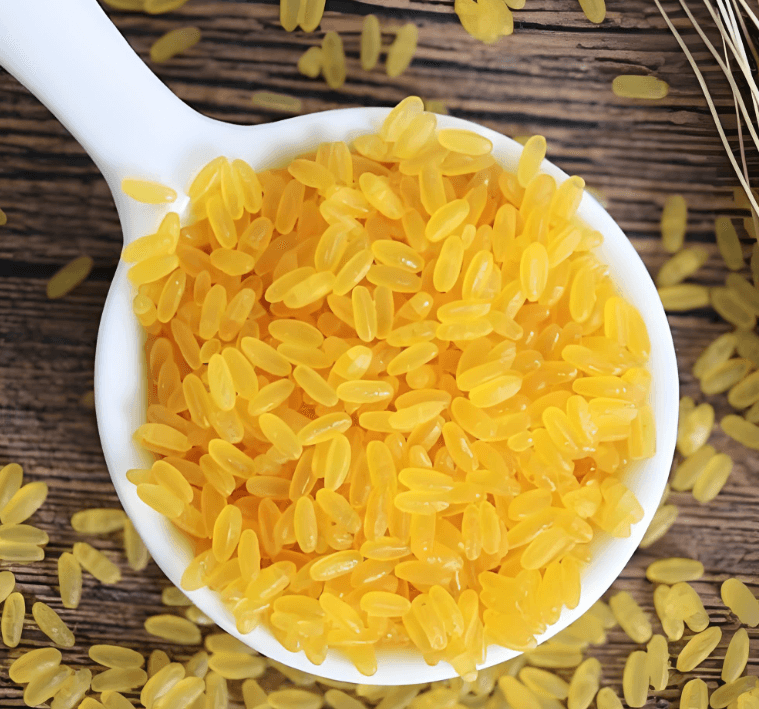
To overcome this, the most successful technology for rice fortification involves the production of simulated rice kernels, often called “hot extrusion.” This process involves creating a rice-like grain from a mixture of rice flour, nutrients, and a binder. These fortified kernels (typically at a ratio of 0.5% to 2%) are then blended with regular, non-fortified rice. The goal is for these kernels to be nearly indistinguishable from natural rice in appearance, taste, and cooking behavior,fortified rice making machine while carrying a potent payload of essential micronutrients.
The “quality” of this final blended product is not a single metric but a composite of several factors:
- Nutrient Content and Stability: The product must contain the declared levels of micronutrients not just at production, but throughout its shelf life and after cooking.
- Physical Properties: The fortified kernels must match the size, shape, density, and transparency of the local regular rice to prevent segregation and sorting by consumers.
- Sensory Characteristics: The fortified rice must be identical in color, aroma, taste, and texture to regular rice. Any detectable difference can lead to consumer rejection.
- Bioavailability: The nutrients must be in a form that the human body can absorb and utilize effectively.
- Safety: The product must be free from contaminants and adhere to food safety standards.
Enhancing quality, therefore, requires a systematic and multi-pronged strategy targeting every link in the value chain.
2. The Foundation: Engineering the Perfect Fortified Kernel
The heart of high-quality fortified rice lies in the design and production of the fortified kernel itself. This is where the greatest technological innovation occurs.
2.1. Raw Material Selection: The Rice Flour Base
The base material for the kernel is typically rice flour. The quality of this flour is paramount.
- Granulation and Purity: The particle size of the flour affects the extrusion process and the final texture of the kernel. A consistent, fine granulation is preferred. The flour must be free from impurities, pests, and mycotoxins.
- Starch Characteristics: The amylose and amylopectin content of the rice flour influences the kernel’s behavior during cooking. Flours with higher amylose content tend to produce firmer, less sticky kernels, which may be desirable for certain rice varieties (like Basmati). Matching the starch profile of the flour to that of the target regular rice is crucial for achieving similar cooking properties.
2.2. The Extrusion Process: Hot vs. Cold
Extrusion is the dominant technology for producing fortified kernels. It involves forcing the dough mixture (rice flour, nutrients, water) through a die under high pressure and temperature.
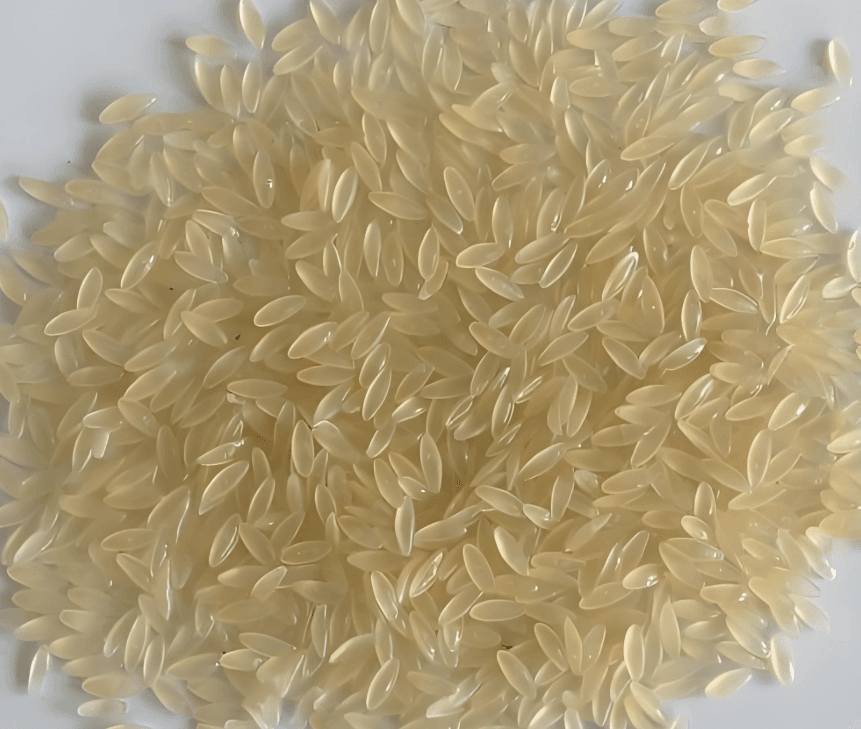
- Hot Extrusion: This is the most common method. The process involves cooking the dough (typically at temperatures between 70°C and 110°C) before it exits the die. The resulting kernels are partially or fully gelatinized, making them more durable and less susceptible to nutrient loss during washing. They have a translucent appearance that can be engineered to mimic various local rice types. The process allows for a high degree of control over kernel shape and density.
- Cold Extrusion: This process operates at lower temperatures (below 70°C) and does not gelatinize the starch. The resulting kernels are opaque and white, which may be preferable for fortifying parboiled rice. However, cold-extruded kernels are generally less robust and may be more prone to nutrient loss and physical breakdown during handling and washing.
The choice between hot and cold extrusion is primarily driven by the visual and culinary characteristics of the local rice to be fortified. fortified rice making machine Advanced extrusion systems now allow for precise control over screw speed, temperature profiles, and die design, enabling manufacturers to produce kernels that are virtually identical to their natural counterparts.
2.3. Achieving Physical Equivalence: Size, Shape, and Density
For the fortification to be effective, the fortified kernels must remain blended with the regular rice and not separate during transportation, storage, or handling by the consumer.
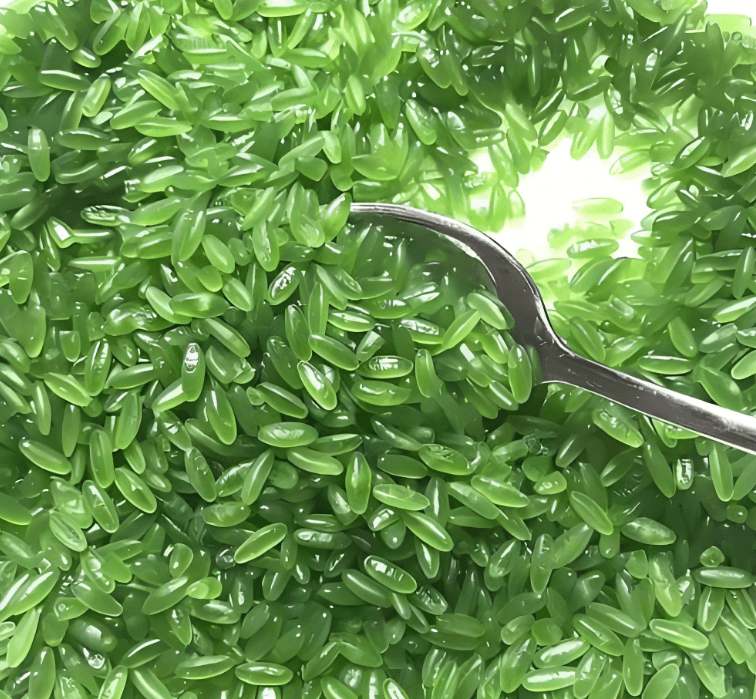
- Size and Shape: Using advanced dies, manufacturers can produce kernels that match the length, width, and shape of local rice varieties—whether long and slender, short and round, or anything in between.
- Density/Buoyancy: This is a critical parameter. If the fortified kernels are denser than regular rice, they will sink to the bottom of the bag or container. If they are lighter, they will float to the top. Sophisticated manufacturing processes carefully control the density by adjusting the composition and extrusion parameters to ensure that the fortified kernels have the same specific gravity as the regular rice. This ensures a homogeneous mix that resists segregation.
3. The Core: Selection and Stabilization of Micronutrients
The choice of which micronutrients to add and, just as importantly, the chemical form of those nutrients, is a scientific discipline in itself. This decision directly impacts stability, bioavailability, and cost.
3.1. Key Micronutrients and Their Compounds
A typical rice fortification blend includes:
- Iron: This is the most challenging nutrient to fortify due to its propensity to cause off-colors and off-flavors (rancidity) and its interactions with other nutrients.
- Electrolytic Iron Powders: Inexpensive but have poor bioavailability. Their use is becoming less recommended.
- Ferrous Fumarate: A better balance of cost and bioavailability, though it can still cause some discoloration.
- Sodium Iron EDTA: This is a chelated form of iron where the iron is bound to EDTA. It is highly stable and bioavailable, even in the presence of phytates (common in plant-based diets). It is more expensive but is considered the gold standard for effectiveness in high-phytate populations.
- Microencapsulated Ferrous Fumarate or Sulfate: The nutrient is coated with a lipid or food-grade polymer to physically separate it from the food matrix, preventing adverse reactions. This technology significantly improves stability and sensory outcomes.
- Zinc: Often added as Zinc Oxide (cost-effective, stable) or Zinc Sulfate (higher bioavailability but more reactive).
- Vitamin A: Typically added as Retinyl Palmitate or Retinyl Acetate. It is highly sensitive to heat, light, and oxygen. Robust stabilization through antioxidants and microencapsulation is essential.
- B-Vitamins: Folic Acid, Vitamin B12 (Cyanocobalamin), Thiamine (Vitamin B1), and others are commonly added. Some, like Thiamine, are heat-sensitive, requiring overages in the formulation to account for processing and storage losses.
- Other Nutrients: Depending on regional deficiencies, vitamins like D and E, and other minerals like selenium, may also be included.
3.2. The Science of Nutrient Stability and Interactions
Once mixed, nutrients can interact with each other and the environment, leading to degradation.
- Oxidation: Iron can catalyze the oxidation of Vitamin A and fats, leading to rancidity and loss of vitamin potency. The use of stabilized iron compounds (like NaFeEDTA or microencapsulated forms) and the addition of antioxidants like BHT (Butylated Hydroxytoluene) or Tocopherols (Vitamin E) are critical countermeasures.
- Moisture: Water is a medium for many degradation reactions. Controlling the water activity in the final kernel and ensuring proper packaging are vital.
- Heat and Light: As mentioned, several vitamins are sensitive to heat and UV light. Processing conditions must be optimized to minimize thermal degradation, and opaque packaging is often necessary.
3.3. The Role of Overages
To guarantee that the rice contains the declared amount of nutrients at the point of consumption, manufacturers add an “overage”—an extra amount of each nutrient beyond the target level to compensate for losses during storage, transportation, and cooking. Calculating the correct overage is a complex task that requires deep understanding of the stability of each nutrient compound under expected storage conditions and the culinary habits of the target population.
4. The Production Process: Precision, Blending, and Quality Control
A perfect kernel design and nutrient mix can be undone by a substandard production process.
4.1. Precision in Kernel Manufacturing
Consistency is key. Modern extrusion lines are highly automated, with computer-controlled feeders for flour, nutrients, and water. This ensures that every kernel produced has the same nutrient concentration and physical properties. Regular calibration of these equipment is a non-negotiable part of quality assurance.
4.2. The Blending Process
Blending the fortified kernels (usually 1 part) with regular rice (99 parts) must be done with extreme precision. A homogeneous blend is critical for delivering a consistent dose of nutrients in every serving.
- Blending Equipment: Ribbon blenders are commonly used. The design, speed, and blending time must be optimized for the specific rice and kernel types to achieve a perfect mix without damaging the kernels.
- Segregation Prevention: After blending, the rice must be handled gently to prevent the different particles from separating due to differences in size, shape, or density (a phenomenon known as “demixing”). Pneumatic conveyors can cause more segregation than belt conveyors. Packaging the blended rice immediately after mixing is the best practice.
4.3. Integrated Quality Assurance and Control (QA/QC)
A robust QA/QC system is the backbone of quality fortified rice production. It must be integrated at every stage.
- Incoming Raw Material Inspection: Testing rice flour for moisture, purity, and mycotoxins; verifying the potency and quality of premixes from suppliers.
- In-Process Controls:
- Monitoring the physical properties of kernels during extrusion (size, shape, color, density).
- Checking the blend uniformity by taking samples from different parts of the blender and analyzing them for kernel-to-rice ratio.
- Finished Product Testing:
- Physical Tests: Sieve analysis to check for broken kernels, measurement of kernel concentration.
- Chemical/Nutritional Tests: Using High-Performance Liquid Chromatography (HPLC) for vitamins and Atomic Absorption Spectrometry (AAS) or Inductively Coupled Plasma (ICP) for minerals to verify nutrient levels. These tests, while accurate, can be time-consuming and expensive.
- Rapid Test Kits: The development of simple, rapid test kits is a game-changer for quality monitoring, especially at distribution points or by regulatory bodies. These kits can qualitatively or semi-quantitatively detect the presence of specific nutrients (e.g., iron) on-site, providing immediate feedback.
5. Post-Production: Packaging, Storage, and Distribution
The quality of fortified rice can degrade significantly after it leaves the factory if not properly protected.
5.1. Protective Packaging
The primary enemies of nutrient stability are moisture, oxygen, and light.fortified rice making machine Packaging is the first line of defense.
- High-Barrier Materials: Multi-layer polypropylene (PP) or polyethylene terephthalate (PET) bags with aluminum foil or metallized film liners offer excellent barriers against moisture and oxygen.
- Modified Atmosphere Packaging (MAP): Replacing the air inside the bag with an inert gas like nitrogen can dramatically slow down oxidation reactions, extending the shelf life of sensitive nutrients like Vitamin A and preventing rancidity.
- Vacuum Packaging: Removing air altogether is another effective, though sometimes more costly, method.
- Durability: The packaging must be strong enough to withstand the rigors of transportation and handling without tearing, which would compromise the barrier.
5.2. Optimal Storage Conditions
Even with good packaging, storage conditions matter. Warehouses should be cool, dry, and well-ventilated. Pallets should be used to keep bags off the floor and away from walls to prevent moisture uptake and pest infestation. Direct sunlight should be avoided.
5.3. Managing the Distribution Chain
The “last-mile” distribution, especially in hot and humid climates, is a critical vulnerability. Educating distributors and retailers on the importance of proper storage is essential. Stock rotation using the “First-In, First-Out” (FIFO) principle must be enforced to prevent old stock from accumulating and degrading.
6. The Consumer Interface: Culinary Performance and Acceptance
A technically perfect product is useless if it is rejected by the consumer. The fortified rice must perform identically to regular rice in the kitchen and on the plate.
6.1. Cooking and Washing Tests
Different cultures have different rice preparation methods. Some rinse rice thoroughly before cooking, some soak it, and others cook it directly.
- Nutrient Retention: Studies must be conducted to measure the percentage of nutrients retained after the local cooking method. For populations that wash rice, the use of hot-extruded kernels with fully gelatinized starch is crucial, as they hold nutrients much more effectively than cold-extruded or powdered forms.
- Cooking Quality: The fortified rice must have the same water absorption, cooking time, texture (stickiness, firmness), and aroma as the regular rice. Any significant deviation will be noticed and likely rejected.
6.2. Sensory Evaluation
Formal sensory evaluation is a mandatory step in product development. Using trained panels and consumer test groups, the fortified rice should be evaluated against regular rice in blind tests for:
- Appearance: Color and gloss.
- Aroma: Both raw and cooked.
- Taste: The absence of any metallic or off-tastes is critical, particularly related to iron.
- Texture: Mouthfeel, hardness, and stickiness.
Only when the fortified rice is statistically indistinguishable from the control in these tests can it be considered ready for the market.
6.3. Social and Behavior Change Communication (SBCC)
Consumer acceptance is not just about sensory properties; it’s also about trust and perception.
- Transparent Messaging: Clearly communicating the what, why, and how of fortification is essential. Messages should emphasize the health benefits, assure consumers of its safety, and confirm that the taste and cooking experience are unchanged.
- Addressing Myths and Concerns: Proactively addressing potential concerns (e.g., “Is this genetically modified?” “Will it change our traditional food?”) through trusted community channels, including healthcare workers, community leaders, and media, is vital for building public trust.
7. The Enabling Environment: Standards, Regulations, and Monitoring
A strong regulatory framework is essential to build trust among consumers, manufacturers, and governments.
7.1. National Standards and Regulations
Countries must establish clear, science-based standards for rice fortification. These should specify:
- Mandatory Nutrients: Which nutrients must be added.
- Fortification Levels: The minimum and maximum levels for each nutrient per unit of rice.
- Permitted Compounds: A positive list of safe and effective nutrient forms.
- Labeling Requirements: Mandatory labeling to identify the product as fortified and list the nutrients added.
- Quality Control Protocols: Requirements for manufacturers’ internal QC systems.
7.2. Enforcement and Regulatory Monitoring
Standards on paper are ineffective without enforcement. Governments need to invest in the capacity of their food regulatory bodies to:
- Conduct Inspections: Regular inspections of production facilities and retail outlets.
- Perform Independent Testing: Laboratories should be equipped to test market samples for compliance with nutrient standards.
- Take Enforcement Action: Have a clear system of penalties for non-compliant products.
7.3. Impact Assessment and Surveillance
Finally, the ultimate measure of quality is public health impact. Governments and partners should invest in:
- Baseline and Endline Surveys: Measuring micronutrient status in the target population before and after the introduction of fortified rice.
- Consumption Monitoring: Tracking the purchase and consumption of fortified rice to ensure it is reaching the intended beneficiaries.
- Biomarker Studies: Periodically measuring biomarkers (e.g., serum ferritin for iron, serum retinol for Vitamin A) in specific population groups to directly assess the biological impact.
8. Future Frontiers and Innovations
The field of rice fortification is dynamic, with ongoing research pushing the boundaries of quality and efficacy.

- Novel Nutrient Forms: Research into more stable and bioavailable forms of nutrients, such as nano-encapsulated minerals and vitamins, promises even better stability and absorption.
- Biofortification Synergy: Combining conventional fortification with biofortified rice (e.g., high-zinc or high-iron rice varieties developed through breeding) could provide a multi-layered nutritional boost.
- Smart Packaging: Incorporating time-temperature indicators or freshness sensors on packaging could provide visual cues about product quality to consumers and retailers.
- Digital Traceability: Using blockchain or other digital systems to track batches from the factory to the consumer can enhance supply chain accountability and speed up recalls if necessary.
- Expanding the Nutrient Portfolio: Investigating the feasibility of adding other bioactive compounds, such as prebiotics or omega-3 fatty acids, to address a wider range of health issues.
Improving the quality of fortified rice is not a single-action event but a continuous, integrated process that spans the entire value chain—from the laboratory where nutrient compounds are selected, to the factory floor where kernels are engineered, to the supply chain where the product is protected, and finally, to the household where it is cooked and consumed. It requires a synergistic partnership between food scientists, engineers, nutritionists, regulators, manufacturers, and communicators.
Each step presents an opportunity to enhance quality or a risk of compromising it. By investing in advanced technologies like microencapsulation and high-precision extrusion, implementing rigorous and continuous quality control, adopting protective packaging, fostering consumer acceptance through sensory science and strategic communication, and establishing a strong regulatory environment, we can collectively ensure that every grain of fortified rice delivers on its promise. In doing so, this humble staple can be transformed into a powerful vehicle for health, fortified rice making machine helping to build a future where hidden hunger is no longer a shadow over billions of lives. The goal is clear: to make high-quality, efficacious, and acceptable fortified rice not an exception, but a norm, contributing significantly to the achievement of global nutrition security.
References (Illustrative List):
- Allen, L., de Benoist, B., Dary, O., & Hurrell, R. (Eds.). (2006). Guidelines on food fortification with micronutrients. World Health Organization.
- Hurrell, R., Ranum, P., de Pee, S., Biebinger, R., Hulthen, L., Johnson, Q., & Lynch, S. (2010). Revised recommendations for iron fortification of wheat flour and an evaluation of the expected impact of a national program. Food and Nutrition Bulletin, 31(1_suppl1), S7-S21.
- Lowe, N. M. (2016). The challenge of improving zinc bioavailability in rice fortification programs. Frontiers in Nutrition, 3, 39.
- Peña-Rosas, J. P., Mithra, P., Unnikrishnan, B., Kumar, N., De-Regil, L. M., Nair, N. S., … & Garcia-Casal, M. N. (2019). Fortification of rice with vitamins and minerals for addressing micronutrient malnutrition. Cochrane Database of Systematic Reviews, (10).
- Salgueiro, M. J., Zubillaga, M. B., Lysionek, A. E., Caro, R. A., Weill, R., & Boccio, J. R. (2002). Fortification strategies to combat zinc deficiency. Food and Nutrition Bulletin, 23(4), 401-406.
- The Food Fortification Initiative. (2023). Global Progress in Rice Fortification.
- Wegmüller, R., Tay, F., Zeder, C., Brnić, M., & Hurrell, R. F. (2014). Zinc absorption from low-phytate rice fortified with zinc sulfate or zinc oxide. The American Journal of Clinical Nutrition, 100(6), 1699-1705.
- World Health Organization. (2018). Fortification of rice with vitamins and minerals as a public health strategy: guideline.
Leave A Comment