The Six Pillars of Premium Fish Feed Production: A Comprehensive Guide to Excellence in Aquafeed Processing
The global aquaculture industry stands as one of the fastest-growing food production sectors, tasked with the monumental challenge of feeding a burgeoning population.fish feed extruder The success and sustainability of this industry are inextricably linked to the quality of the feed provided to cultivated aquatic species. Unlike terrestrial livestock, fish and shrimp are polkilothermic (cold-blooded) animals living in a water medium, a environment that imposes unique physiological and metabolic demands. Consequently, the production of high-quality fish feed is not merely a matter of mixing ingredients; it is a sophisticated, multi-disciplinary science requiring precision, expertise, and unwavering commitment to excellence.
Poor-quality feed leads to a cascade of negative outcomes: reduced growth rates, increased feed conversion ratios (FCR), heightened susceptibility to disease, water quality deterioration, and ultimately, economic losses for the farmer and a greater environmental footprint. fish feed extruderIn contrast, premium aquafeed optimizes animal health and growth, enhances nutrient utilization, minimizes waste, and supports the long-term viability of aquaculture operations.
The journey to producing such superior feed is built upon six fundamental pillars. These elements are interconnected, each one critical to the final product’s performance. Neglecting any single pillar compromises the entire endeavor. This guide will explore these six elements in exhaustive detail:
- The Foundation: Superior Raw Material Selection and Sourcing
- The Blueprint: Precision in Formulation and Nutritional Science
- The Transformation: Advanced Grinding and Micro-Ingredient Incorporation
- The Alchemy: The Extrusion and Drying Processes
- The Protective Shield: Post-Extrusion Vacuum Coating and Stabilization
- The Guarantee: Rigorous Quality Control and Packaging
Pillar 1: The Foundation: Superior Raw Material Selection and Sourcing
The quality of the final fish feed is fundamentally constrained by the quality of its constituent raw materials. It is a universal principle in manufacturing: “Garbage in, garbage out.” No amount of advanced processing can compensate for inherently poor, unstable, or contaminated ingredients. fish feed extruderTherefore, the selection and sourcing of raw materials constitute the most critical first step in the production of high-quality aquafeed.
1.1. The Core Macro-Ingredients: A Detailed Examination
A. Fishmeal: The Gold Standard of Aquatic Protein
Fishmeal has traditionally been the cornerstone of aquafeed for carnivorous and omnivorous species due to its excellent amino acid profile, high palatability, fish feed extruder and rich content of essential fatty acids, minerals, and vitamins.
- Source and Species: The quality of fishmeal is not monolithic. It varies significantly based on the source.
- Whole Fish vs. By-Products: Fishmeal produced from whole, dedicated-catch fish (e.g., anchoveta, menhaden, capelin) is generally superior to that produced from processing by-products (frames, offal). Whole-fish meal typically has a higher protein content (68-72%) and a better-balanced amino acid profile.
- Species-Specificity: The species of fish used matters. For instance, feed for marine fish often performs better with marine-based fishmeal, while freshwater species may be more adaptable.
- Freshness and Processing: The raw material’s freshness is paramount. Fish destined for fishmeal must be processed rapidly to avoid enzymatic and bacterial degradation, which leads to the formation of biogenic amines (e.g., histamine, cadaverine). High levels of these amines are indicators of poor raw material quality and are toxic to fish.
- Histamine Levels: Premium fishmeal suppliers provide certificates of analysis showing histamine levels, often stipulated to be below a certain threshold (e.g., < 500 ppm, with premium grades < 100 ppm).
- Processing Method: The manufacturing process of the fishmeal itself (cooking, pressing, drying, grinding) must be carefully controlled. Low-temperature drying is preferred to avoid damaging heat-labile nutrients, a process that produces so-called “LT” (Low Temperature) fishmeal.
B. Alternative Protein Sources: The Drive for Sustainability
With finite marine resources, the industry is aggressively pursuing sustainable alternatives. Their integration requires meticulous quality assessment.
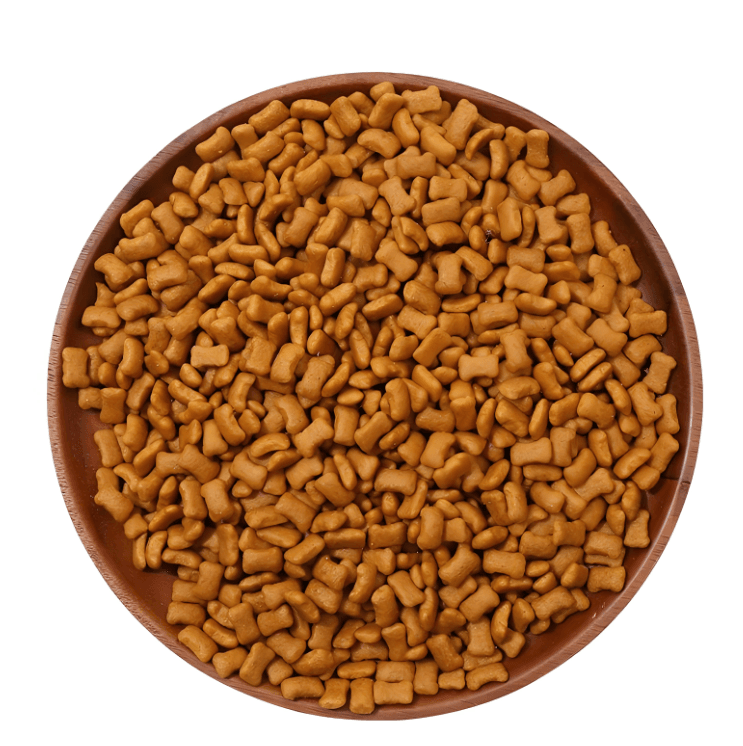
- Plant Proteins: Soybean meal, corn gluten meal, rapeseed meal, and sunflower meal are widely used.
- Anti-Nutritional Factors (ANFs): These are the primary challenge. Soybean meal contains trypsin inhibitors, lectins, and antigenic proteins that can damage the fish’s intestinal mucosa. Rapeseed meal contains glucosinolates and erucic acid. High-quality processing of these plant materials, such as toasting for soybeans, is essential to deactivate these ANFs.
- Amino Acid Balancing: Plant proteins are often deficient in essential amino acids like methionine and lysine. Their use necessitates precise formulation with synthetic amino acids to meet the dietary requirements.
- Single-Cell Proteins: Microbial ingredients like yeast, bacteria, and microalgae are promising sources.
- Nutritional Profile: They can be rich in protein, nucleotides, and beta-glucans, which may act as immunostimulants.
- Consistency and Safety: The production process must be sterile and controlled to ensure a consistent product free from contaminating microbes or toxins.
C. Lipids and Oils: The Engine of Energy and Health
Lipids are the most concentrated source of energy and provide essential fatty acids (EFAs) critical for cell membrane integrity, hormone production, and health.
- Fish Oil: The traditional source of long-chain polyunsaturated fatty acids (LC-PUFAs), specifically EPA (Eicosapentaenoic acid) and DHA (Docosahexaenoic acid), which are essential for marine fish and the health value of the final product for human consumption.
- Vegetable Oils: Soybean, rapeseed, and palm oil are common, cost-effective energy sources. However, they lack EPA and DHA and are high in C18 PUFAs (like Linoleic acid), which are not efficiently elongated to EPA and DHA by many fish species. Formulations often use a blend.
- Quality Indices: The quality of oils is assessed by:
- Peroxide Value (PV): Measures primary oxidation products. A low PV indicates fresh oil.
- Anisidine Value (AV): Measures secondary oxidation products (aldehydes, ketones), which are responsible for rancid odors and flavors and are toxic to fish.
- TOTOX Value: A combined index (2PV + AV) that gives a comprehensive picture of oxidative status.
D. Carbohydrates: Binders and Energy Modulators
While fish have a limited ability to digest carbohydrates, they are included in feeds as a cost-effective energy source and for their functional properties during processing.
- Starch Sources: Wheat, corn, and tapioca are common. fish feed extruder Their functionality is key.
- Gelatinization: During extrusion, starch granules swell and gelatinize, which is crucial for binding the pellet and making it water-stable. The degree of gelatinization is a critical quality parameter.
- Fiber: Generally low digestibility, but some fiber sources can aid in gut health and pellet integrity.
1.2. The Micro-Ingredients: Precision in Minute Quantities
This category includes vitamins, minerals, pigments, and attractants. While they constitute a small percentage of the formula, their impact is profound.
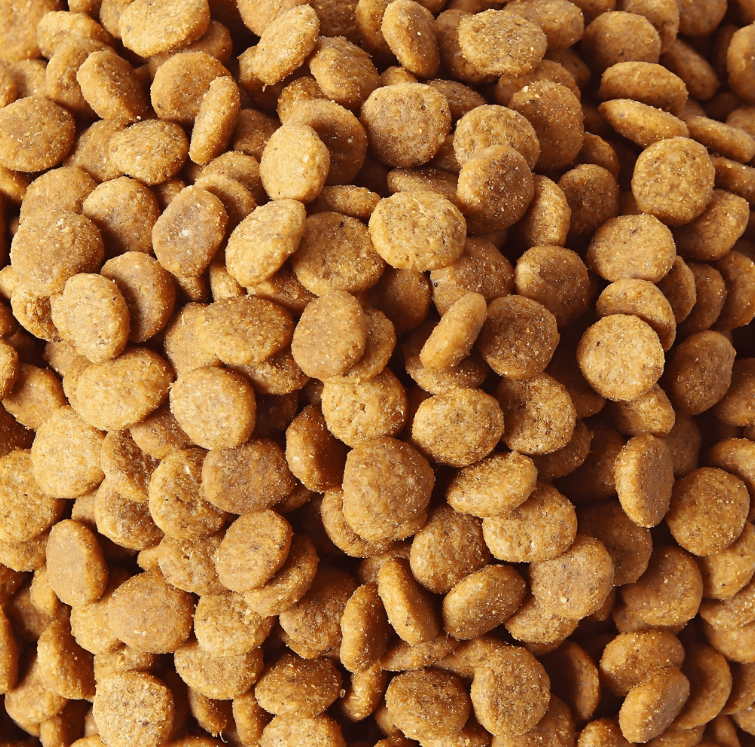
- Stability: Vitamins are highly susceptible to degradation by heat, moisture, and oxidation during processing and storage. The use of stabilized forms (e.g., ethyl cellulose-coated Vitamin C, encapsulated vitamins) is non-negotiable for high-quality feed.
- Bioavailability: The chemical form of minerals matters. For example, organic chelates (e.g., selenium yeast, zinc methionine) are often more bioavailable than inorganic salts (e.g., zinc sulfate), leading to better absorption and lower mineral leaching into the water.
1.3. Supplier Qualification and Ingredient Testing
A premium feed manufacturer does not simply purchase ingredients; they partner with qualified suppliers.
- Audits: Regular audits of supplier facilities to assess their Quality Management Systems, HACCP plans, and hygiene standards.
- Incoming Inspection: Every batch of raw material must be subjected to rigorous testing before being unloaded into the silo. This includes:
- Proximate Analysis: Moisture, protein, fat, ash, fiber.
- Specific Tests: For fishmeal: protein, fat, ash, salt, histamine, and sometimes a protein solubility test. For oils: PV, AV, FFA (Free Fatty Acids). For soybean meal: urease activity (to check for proper toasting).
- Contaminant Screening: For mycotoxins (in grains), pesticides, heavy metals (e.g., cadmium, mercury), and dioxins/PCBs.
In summary, the foundation of premium feed is laid by a fanatical focus on raw material quality, which is ensured through strategic sourcing, fish feed extruder deep scientific understanding of each ingredient’s properties and limitations, and an uncompromising testing regime.
Pillar 2: The Blueprint: Precision in Formulation and Nutritional Science
The formulation is the intellectual blueprint of the feed. It is the precise recipe that dictates which ingredients, and in what proportions, are combined to meet the specific nutritional requirements of the target species at a particular life stage. fish feed extruder This is where nutritional science is translated into a practical manufacturing guide.
2.1. Species-Specific and Life-Stage Specific Requirements
There is no “one-size-fits-all” fish feed. The nutritional needs of a carnivorous marine finfish like a salmon are vastly different from those of an omnivorous freshwater species like tilapia or a filter-feeding shrimp.
- Protein and Amino Acids:
- Requirement: Carnivorous species require high protein levels (40-55%), while omnivores require less (28-35%).
- Ideal Protein Concept: This is a state-of-the-art approach. Rather than just meeting total crude protein requirements, the formulation aims to provide a perfectly balanced profile of the ten essential amino acids (EAA) in the exact proportions that the animal needs for protein synthesis, with minimal excess. Any single limiting EAA will cap the utilization of all others, leading to wasted nitrogen excretion.
- Lipids and Fatty Acids:
- EPA and DHA: Marine fish have an absolute dietary requirement for these long-chain Omega-3 fatty acids, as they cannot synthesize them efficiently from shorter-chain precursors. Freshwater fish have a higher capacity for this conversion fish feed extruder but still benefit from direct inclusion.
- Omega-3 to Omega-6 Ratio: The balance is critical. An overabundance of Omega-6 (common when high levels of vegetable oils are used) can promote inflammatory pathways, whereas a balanced ratio supports immune function.
- Carbohydrates: As discussed, the inclusion level and type of carbohydrate are carefully chosen based on the species’ digestive physiology (amylase activity) and the need for pellet binding.
- Micronutrients:
- Vitamins: Requirements shift with life stage. Larvae require higher levels for rapid development, while broodstock feeds are fortified with specific vitamins (e.g., Vitamin E, C) for gamete quality.
- Minerals: The source and level of phosphorus are critical, as it is a key water pollutant. The use of highly available phosphate sources (e.g., mono-calcium phosphate) and the concept of “digestible phosphorus” are employed to minimize waste.
2.2. The Formulation Process: From Requirement to Recipe
The formulator uses sophisticated least-cost formulation software, but the process is guided by deep biological knowledge.
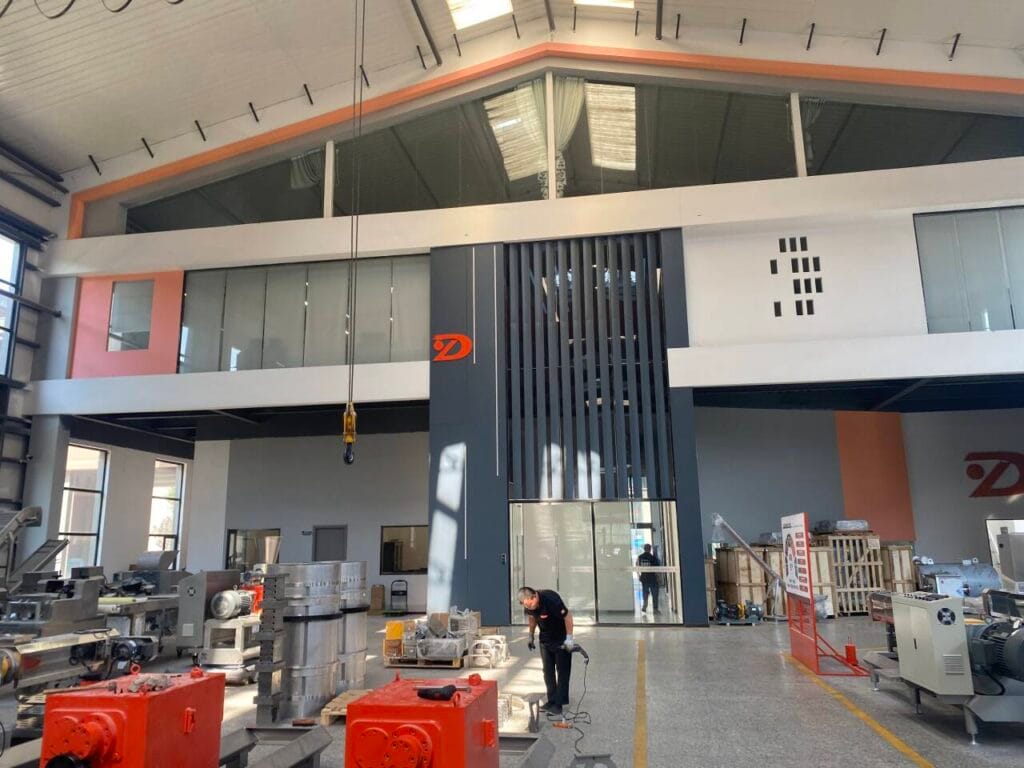
- Database: The software contains a detailed database of all available raw materials, including their nutritional composition (proximate analysis, amino acids, minerals) and their cost.
- Constraints: The formulator sets “constraints” – the minimum and maximum levels for dozens of nutritional parameters (e.g., min. 45% crude protein, min. 1.5% lysine, max. 10% ash, min. 1.0% EPA+DHA, max. 2.5% fiber).
- The “Least-Cost” Algorithm: The software then calculates the combination of ingredients that meets all these nutritional constraints at the lowest possible cost. However, a premium feed manufacturer often prioritizes “least-cost” with a “quality-first” mindset, sometimes opting for a marginally more expensive but superior ingredient to ensure performance.
2.3. Advanced Formulation Concepts
- Digestibility-Based Formulation: This is a hallmark of high-quality feed. Instead of formulating based on the total content of a nutrient in the diet, the formulation is based on the digestible content.
- Method: This requires extensive research using feeding trials where the digestibility of each ingredient is determined for the target species, typically by using an inert marker like chromic oxide.
- Benefit: This approach eliminates guesswork and ensures that the animal can actually absorb the nutrients provided, leading to more precise feeding, reduced FCR, and less waste.
- Nutrient Sparing and Sustainability: Modern formulations aim to reduce the reliance on marine resources without compromising performance. This involves:
- Replacing Fishmeal: Using blends of plant proteins, single-cell proteins, and insect meal.
- Optimizing Phosphorus: Using phytase enzymes to break down phytic acid in plant ingredients, releasing bound phosphorus for the fish and reducing the need for supplemental inorganic phosphate.
In essence, the formulation is a dynamic, scientific document that balances biological needs, ingredient functionality, cost, and sustainability. It is the critical link between nutritional theory and the physical pellet.
Pillar 3: The Transformation: Advanced Grinding and Micro-Ingredient Incorporation
Before mixing can occur, the physical and chemical state of the raw materials must be standardized. This stage is about creating a homogeneous and functional powder from disparate ingredients, a prerequisite for producing a consistent and high-integrity pellet.
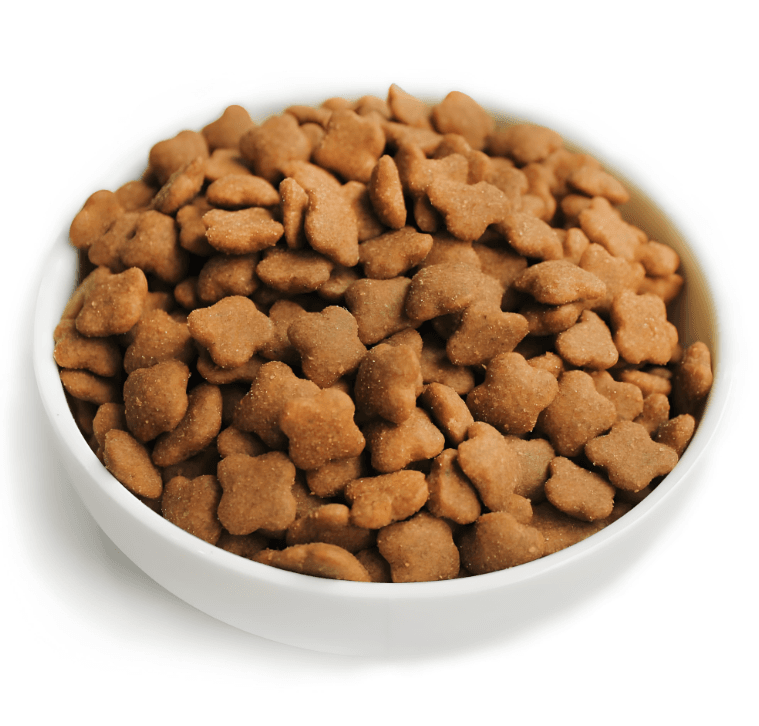
3.1. The Science and Art of Grinding
The primary goal of grinding is to reduce the particle size of the raw materials.
- Why Particle Size Matters:
- Increased Surface Area: Smaller particles have a vastly larger total surface area. This dramatically improves the access of digestive enzymes in the fish’s gut, leading to higher nutrient digestibility and bioavailability.
- Homogeneous Mixing: It is impossible to achieve a uniform distribution of micro-ingredients if they are mixed with large, coarse particles of soybean meal or wheat. A consistent, fine particle size is the foundation of a homogeneous mix.
- Pellet Quality: The particle size distribution directly affects the pellet’s structural integrity. A mix that is too coarse will not bind well during extrusion, leading to friable pellets that break apart easily, causing nutrient loss and water pollution. A very fine grind promotes starch gelatinization and protein cross-linking, resulting in a stable, water-durable pellet.
- Grinding Equipment: Hammer Mills vs. Roller Mills
- Hammer Mills: These are the most common in aquafeed production. They use high-speed rotating hammers to pulverize material against a screen. The screen size determines the maximum particle size of the ground product.
- Advantages: Versatile, can handle a wide variety of ingredients, high capacity.
- Disadvantages: Can generate significant heat, which may damage heat-sensitive nutrients; can create a wide particle size distribution; higher energy consumption.
- Roller Mills: These crush the material between two counter-rotating rollers.
- Advantages: More energy-efficient, generate less heat, produce a more uniform particle size with less “fines” (dust).
- Disadvantages: Less effective for oily or fibrous materials.
- Hammer Mills: These are the most common in aquafeed production. They use high-speed rotating hammers to pulverize material against a screen. The screen size determines the maximum particle size of the ground product.
- Optimal Particle Size: The target is typically a mean particle size of 200-400 microns (µm), with a narrow distribution. For smaller fish or larval feeds (which are micro-extruded), the particle size must be even finer (e.g., < 150 µm). This is monitored using laser diffraction particle size analyzers.
3.2. The Precision of Weighing and Micro-Ingredient Premixing
Accuracy at this stage is non-negotiable. An error of a few kilograms in a macro-ingredient is one thing; an error of a few grams in a vitamin or trace mineral can be catastrophic.
- Weighing Systems: The entire batching process is automated. Macro-ingredients are weighed by large scales on the intake to mixers, while micro-ingredients are weighed in a dedicated, dust-controlled room using high-precision analytical balances.
- The Premix Concept: To ensure the uniform distribution of micro-ingredients that may constitute less than 0.1% of the final diet, they are first pre-diluted in a “carrier” substance (often rice bran, corn gluten, or a similar inert material) to create a premix. fish feed extruder This premix might constitute 0.5-1% of the final batch. This two-stage mixing process (premix creation, then addition to the main batch) is the only reliable way to achieve homogeneity for such minor components.
3.3. The Mixing Process
The goal of mixing is to achieve a perfectly homogeneous blend where any sample taken from the batch has an identical nutritional composition.
- Mixer Types: Horizontal ribbon mixers are the industry standard for aquafeed. They consist of a horizontal trough with a central shaft fitted with internal and external helical ribbons. As the shaft rotates, the ribbons move material in opposing directions, creating a highly efficient folding and shearing action.
- Mixing Time: There is an optimal mixing time. Under-mixing results in segregation and non-uniformity. Over-mixing can cause the separation of particles due to differences in density and size (a phenomenon called “de-mixing” or “segregation”). The optimal time is determined through validation studies using a tracer (e.g., salt or a colored dye) and measuring its concentration in multiple samples over time.
- Liquid Addition: During mixing, liquid ingredients like oil or phospholipids can be sprayed into the batch. However, adding too much liquid at this stage can cause the powder to “ball up” and compromise mix uniformity. The primary liquid addition point is usually after extrusion (see Pillar 5).
In conclusion, the grinding and mixing stages are where precision engineering meets nutritional science. They transform a list of ingredients into a uniform, functional mash, setting the stage for the transformative process of extrusion.
Pillar 4: The Alchemy: The Extrusion and Drying Processes
Extrusion cooking is the heart of modern aquafeed production. It is a high-temperature, short-time (HTST) process that transforms the dry powder mix (“mash”) into a cooked, textured, and shaped pellet. This single step is responsible for determining many of the final pellet’s key physical and nutritional properties.
4.1. The Extruder: A Complex Reactor
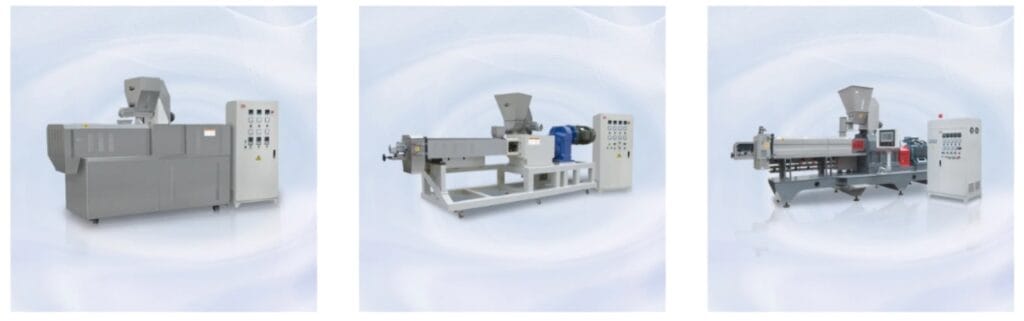
A twin-screw extruder is the preferred machine for high-quality aquafeed. It consists of two intermeshing, co-rotating screws housed inside a barrel, divided into several sections with controllable temperature.
- The Process Zones:
- Feeding Zone: The dry mash is introduced and conveyed forward.
- Kneading Zone: Water and steam are injected, hydrating the powder and forming a dough. The screws, with their specific kneading elements, work the dough, generating mechanical shear and heat.
- Cooking Zone: This is where the alchemy happens. The combination of heat (from steam injection and mechanical shear), moisture, and pressure causes profound physical and chemical changes:
- Starch Gelatinization: Starch granules swell, lose their crystalline structure, and burst, releasing amylose and amylopectin chains. This gelatinized starch acts as a glue that binds the pellet together, providing water stability.
- Protein Denaturation: Protein molecules unfold, exposing hydrophobic and hydrophilic groups. This improves digestibility and allows for protein-starch and protein-protein interactions that further enhance pellet binding.
- Destruction of Anti-Nutritional Factors: The heat and shear effectively destroy heat-labile ANFs, such as trypsin inhibitors in soybean meal.
- Metring Zone: The cooked dough is pushed under high pressure towards the die.
- Die Zone: The dough is forced through a die plate with holes of specific shape and size. This determines the pellet’s diameter and shape (sinking or floating).
4.2. Sinking vs. Floating Feeds: The Physics of Density
The density of the final pellet is a critical functional property, determined during extrusion.
- Floating Feed: Achieved by inducing expansion as the superheated dough exits the die. The sudden pressure drop causes the water to flash into steam, creating air bubbles within the pellet, thus lowering its density. This is controlled by:
- Recipe: Higher starch content promotes expansion.
- Process Parameters: High shear, high temperature, and low moisture in the dough.
- Sinking Feed: Required for most shrimp and bottom-feeding fish. It is produced by minimizing expansion.
- Methods: Using a recipe with lower starch and higher protein/fat; increasing the moisture content of the dough; reducing mechanical shear; using a vacuum chamber in the die region to remove entrapped air before the dough is extruded.
4.3. The Drying Process: Achieving Shelf-Stability
The extruded pellets have a high moisture content (20-25%) and are soft and pliable. They must be dried to a safe storage moisture of 8-10% to prevent mold growth and nutrient degradation.

- Dryer Types: Continuous, multi-pass belt dryers or fluidized bed dryers are common.
- Gentle and Controlled Drying: This is a delicate stage. Applying too much heat too quickly can cause “case hardening,” where the outer surface of the pellet forms a hard crust, trapping moisture inside. This leads to spoilage during storage. It can also destroy heat-sensitive nutrients on the pellet’s surface.
- Temperature and Humidity Profiling: Modern dryers have multiple zones where temperature, air flow, and humidity are precisely controlled. The process starts with lower temperatures and higher humidity to allow moisture to migrate from the center to the surface, followed by higher temperatures and lower humidity to evaporate the surface moisture.
- Cooling: After drying, the hot pellets must be cooled to near ambient temperature using ambient or slightly cooled air before they can be stored or coated. This prevents condensation in storage bins and bags.
The extrusion and drying processes are a complex interplay of thermodynamics, rheology, and biochemistry. Mastering them is essential for producing a pellet that is not only nutritious but also physically robust and stable.
Pillar 5: The Protective Shield: Post-Extrusion Vacuum Coating and Stabilization
After drying, the pellet is a porous, dry matrix. This is the ideal stage to add components that would have been damaged by the extrusion process or to enhance the pellet’s nutritional value and stability.
5.1. Vacuum Coating: The Technology of Infusion
Liquid additives, primarily lipids (oils) and fat-soluble vitamins, are applied post-extrusion. Simply spraying oil onto the surface of dry pellets results in poor adhesion and a greasy, dusty product. Vacuum coating is the sophisticated solution.
- The Process:
- Loading and Vacuum: The dried, cooled pellets are placed in a horizontal drum coater. The air is evacuated, creating a strong vacuum inside the drum.
- Infusion: Under vacuum, the air trapped within the porous structure of the pellets is removed.
- Liquid Application: The liquid coating (e.g., a blend of fish oil, phospholipids, and vitamins A, D, E, and K) is introduced into the drum.
- Pressure Release: When the vacuum is released, the atmospheric pressure forces the liquid deep into the pores of the pellets, much like a sponge soaking up water.
- Advantages of Vacuum Coating:
- High Inclusion Levels: Allows for very high fat levels (up to 35% or more in high-energy salmon feeds) without surface oil leakage.
- Uniform Distribution: The oil is distributed throughout the pellet, not just on the surface.
- Protection of Nutrients: Fat-soluble vitamins are shielded from direct exposure to oxygen and light.
- Dust Reduction: Completely eliminates dust by binding fine particles.
- Improved Palatability: The internal distribution of oil and attractants enhances flavor release in the water.
5.2. Stabilization: Guarding Against Rancidity
The high levels of unsaturated fats, especially Omega-3s in fish oil, make the feed highly susceptible to oxidative rancidity. Oxidation produces free radicals and aldehydes that destroy vitamins, reduce palatability, and cause health issues like liver damage, jaundice, and reduced growth in fish.
- Antioxidants: These are compounds that delay or prevent oxidation.
- Synthetic Antioxidants: Ethoxyquin (EQ), BHA (Butylated Hydroxyanisole), and BHT (Butylated Hydroxytoluene) have been widely used due to their efficacy. However, the use of EQ is increasingly restricted due to safety concerns.
- Natural Antioxidants: There is a strong trend towards natural alternatives. These include:
- Tocopherols (Vitamin E): A potent chain-breaking antioxidant.
- Ascorbic Acid (Vitamin C) and its esters.
- Plant Extracts: Rosemary extract, clove extract, and green tea extract are rich in natural phenolic compounds with powerful antioxidant properties.
- Application: Antioxidants are typically added to the oil blend before vacuum coating to protect the oil itself and, by extension, the entire pellet.
This post-extrusion stage is where the feed is “finished.” fish feed extruder It turns a basic, cooked pellet into a nutrient-dense, energy-rich, and stable product that maximizes its value to the farmer and the fish.
Pillar 6: The Guarantee: Rigorous Quality Control and Packaging
The final pillar ensures that the quality built into the feed through the first five pillars is preserved until it reaches the farm. Quality Control (QC) is not a single department’s responsibility; it is an integrated philosophy that permeates every step of the production process.
6.1. A Multi-Tiered QC System
- Incoming QC: As described in Pillar 1, the gatekeeper function.
- In-Process QC: Monitoring critical control points during production.
- Grinding: Regular checks of particle size distribution.
- Mixing: “Mixer efficiency” tests to verify homogeneity using salt or tracer analysis.
- Extrusion: Monitoring and recording key parameters: dough moisture, temperature in each barrel zone, die pressure, and motor load.
- Drying: Monitoring inlet and outlet air temperatures and final pellet moisture.
- Finished Product QC: The final validation before release.
6.2. Finished Product Analysis: Beyond Proximate Composition
A premium feed manufacturer conducts a battery of tests on the finished pellet.
- Physical Quality Tests:
- Pellet Durability Index (PDI): Measured using a standardized tumbling box (e.g., Holmen tester). A high PDI (>95%) indicates a hard, durable pellet that can withstand handling and transport without breaking into fines.
- Water Stability: For shrimp and some fish feeds, pellets are submerged in water for a specified time (e.g., 2 hours), then assessed for physical disintegration and nutrient leaching. Premium feeds maintain integrity for the required feeding period.
- Bulk Density: Important for volumetric feeding systems and packaging.
- Nutritional and Safety Tests:
- Proximate Analysis: To verify it matches the formulation.
- Amino Acid Profile: To ensure the extrusion process has not damaged critical amino acids like lysine.
- Vitamin Assays: Especially for critical, labile vitamins like Vitamin C and some B vitamins.
- Oxidation Status: Measuring PV and AV of the extracted oil from the finished feed to confirm it is still fresh.
- Microbiological Tests: Total plate count, molds, yeasts, and screening for pathogens like Salmonella.
6.3. Packaging: The Final Barrier
The packaging is the last line of defense against the environment.
- Multi-Layer Bags: High-quality feeds are packed in sacks made from multiple layers of plastic (e.g., polyethylene) and often with a foil layer. This provides an excellent barrier against moisture, oxygen, and light – the three main accelerators of nutrient degradation and rancidity.
- Storage Conditions: Even the best-packaged feed must be stored in a cool, dry, and dark warehouse. Pallets should be kept off the floor and away from walls to allow for air circulation.
Traceability is the thread that ties the entire QC system together. Every batch of finished feed must be traceable back to the batches of raw materials used in its production, and forward to the customers who received it. This is essential for managing any potential recall and for continuous improvement.
The production of high-quality fish feed is not a simple linear process but a complex, interconnected symphony. Each of the six pillars – Superior Sourcing, Scientific Formulation, Precision Grinding and Mixing, Advanced Extrusion, Post-Process Coating, and Uncompromising Quality Control – must be executed with excellence and in harmony with the others.
A failure in raw material quality cannot be rectified by perfect extrusion. A brilliant formulation is worthless if the mix is not homogeneous. The most nutritious pellet is a failure if it disintegrates upon contact with water. It is this holistic, integrated, and scientifically-grounded approach that defines the world’s leading aquafeed producers. fish feed extruder As the aquaculture industry continues to evolve towards greater sustainability and efficiency, the innovation and rigor embedded in these six pillars will be the driving force behind its success, ensuring that we can meet the global demand for aquatic protein in a responsible and effective manner. The journey of a single pellet, from a selection of raw ingredients to a life-sustaining food for farmed fish, is a testament to modern food engineering and nutritional science, all dedicated to the singular goal of cultivating a healthy and productive future.
Leave A Comment