
Critical Considerations in the Production of French Fries: A Comprehensive Analysis of Six Key Process Challenges
The French fry, a globally ubiquitous and beloved food item, embodies a deceptive simplicity. Its perfect combination of a crispy, golden exterior and a fluffy, tender interior is the result of a complex and precisely controlled industrial process. While enjoyed by millions daily, the journey from a raw potato to a consistently high-quality frozen or fresh fry is fraught with potential pitfalls. french fries machine A minor deviation at any stage can lead to significant defects in color, texture, flavor, and yield, resulting in substantial economic loss and consumer dissatisfaction. This extensive treatise delves into six of the most critical areas demanding vigilant attention in a French fry production facility: 1) Raw Potato Selection and Biochemistry; 2) The Cutting and Defect Removal Process; 3) The Science of Thermal Processing: Blanching; 4) The Dynamics of Drying and Pre-Frying; 5) The Freezing and Cold Chain Imperative; and 6) Oil Management and Quality. Each section explores the underlying scientific principles, identifies common operational failures, details the consequences of process deviation, and outlines best practices for control and optimization. Mastering these interconnected aspects is not merely a matter of following a recipe; it is an exercise in applied food science, french fries machine mechanical engineering, and supply chain logistics, all aimed at delivering the perfect fry.
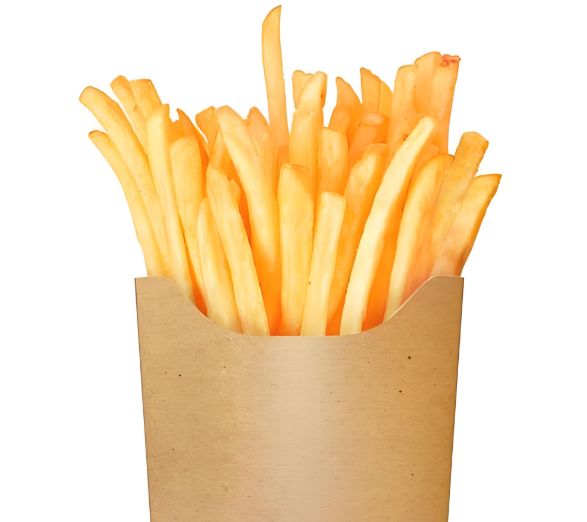
1. Raw Potato Selection and Biochemistry: The Foundation of Quality
The quality of the final French fry is irrevocably determined long before the potato enters the processing plant. The selection of the appropriate potato cultivar and the management of its biochemical state are the most fundamental factors in the entire production chain. Unlike many other crops, french fries machine potatoes are living, breathing organisms that continue to undergo metabolic processes after harvest, directly impacting their suitability for processing.
1.1. Cultivar Selection: The Genetic Blueprint
Not all potatoes are created equal for frying. The ideal processing potato is bred for specific functional characteristics that are genetically determined.
- High Solids (Specific Gravity): This is the single most important quality. Solids are primarily starch. A potato with high specific gravity (typically above 1.080-1.090) will have a higher starch-to-water ratio. Upon frying, this results in:
- Lower Oil Absorption: Less water means less moisture to be replaced by oil during frying.
- Crispier Texture: The higher starch content forms a more rigid, porous structure upon gelatinization.
- Fluffier Interior: The cooked interior is mealy and fluffy rather than wet and soggy.
- Higher Yield: More solid matter per tonne of raw potatoes translates directly to greater output of finished product.
- Common high-solids cultivars include Russet Burbank, Ranger Russet, and Shepody, which are the industry standards in many parts of the world.
- Shape and Size: The potato must be long and oblong to maximize the yield of long, aesthetically pleasing fries. Irregularly shaped or small tubers produce excessive slivers and nubbins, which are often sold as lower-value by-products.
- Sugar Content: The reducing sugars, glucose and fructose, are critical determinants of fry color. Through the Maillard reaction, these sugars react with amino acids during frying to produce the desirable golden-brown color. However, an excess of reducing sugars leads to unacceptably dark, bitter-tasting fries.
1.2. Post-Harvest Physiology and Storage Management
The potato’s biochemistry is dynamic, and improper storage can ruin a perfect crop. The primary goal of storage is to suppress metabolism and maintain the potato in a processing-ideal state.
- The Respiration-Sugar Balance: After harvest, potatoes are often placed into a wound-healing period at high temperatures and humidity to suberize the skin. Following this, they are moved to long-term storage at low temperatures (e.g., 8-10°C or 46-50°F) to suppress sprouting and disease. However, this cold stress triggers a critical biochemical response: the conversion of starch into reducing sugars (sucrose, glucose, fructose), a phenomenon known as Low-Temperature Sweetening. This accumulation of sugars makes the potatoes unfit for frying, as they will produce excessively dark products.
- The Reconditioning Process: To reverse low-temperature sweetening, potatoes must be “reconditioned” by warming them to 15-20°C (59-68°F) for several weeks before processing. This allows the metabolic enzymes to reconvert the sugars back into starch, restoring the proper sugar balance for optimal fry color.
- Controlled Atmosphere Storage (CAS): Modern facilities use sophisticated CAS, regulating not only temperature and humidity but also oxygen and carbon dioxide levels. Low O₂ and high CO₂ can further suppress respiration and sprouting, allowing for longer storage with better quality retention and reduced need for chemical sprout inhibitors.
1.3. Consequences of Poor Raw Material Control
- Low Solids: Results in soggy, oily, and limp fries with low yield.
- High Sugar Content: Produces fries that are dark brown or black, french fries machine with a burnt, bitter flavor, leading to high rejection rates.
- Internal Defects: Hollow heart, internal bruising, and vascular discoloration may not be visible externally but will manifest as defects in the final fry, compromising quality and leading to consumer complaints.
1.4. Best Practices for Raw Material Management:
- Cultivar Contracts: Establish contracts with growers for specific processing varieties with guaranteed specific gravity ranges.
- Rigorous Incoming Inspection: Implement specific gravity testing (using brine tanks or air comparison pycnometers) and fry tests on incoming loads to assess color and texture.
- Sophisticated Storage Management: Utilize computer-controlled storage environments with continuous monitoring of temperature, humidity, and gas composition. Regularly sample and test potatoes from storage to monitor sugar levels and determine the optimal reconditioning schedule.
- First-In-First-Out (FIFO) Inventory: Manage potato inventory to ensure stored tubers are processed before quality degrades beyond recoverable levels.
2. The Cutting and Defect Removal Process: Shaping the Product
The transformation of a whole tuber into uniformly shaped strips is a high-speed, mechanical operation that directly influences the fry’s appearance, texture, and efficiency of subsequent processing steps. Precision and thorough inspection at this stage are paramount.
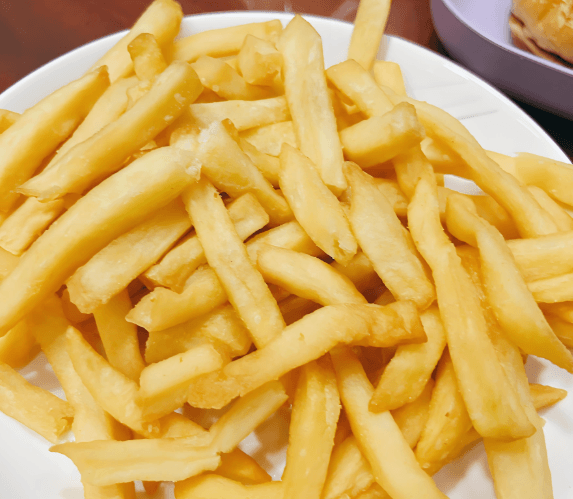
2.1. The Cutting Mechanics
Industrial fry cutters use a hydraulic piston to force potatoes at high pressure through a grid of sharp blades. The quality of this cut is critical.
- Blade Sharpness: Dull blades do not slice; they crush and tear the potato cells. This results in:
- Ragged Surfaces: A rough, uneven surface area leads to uneven blanching and drying, and excessive oil absorption during frying as the damaged cells release free starch.
- Starch Release: The ruptured cells leach amylose and amylopectin, which gelatinize in the water and on the fry surface. This creates a sticky, gelatinous layer that can cause fries to clump together and results in a tacky, undesirable exterior texture after frying.
- Cross-Sectional Geometry: The shape of the blade determines the fry’s profile. Different shapes (e.g., straight cut, crinkle-cut, shoestring) have different surface-area-to-volume ratios, which affects heat transfer, oil uptake, and the final crispy-to-fluffy ratio.
2.2. Defect Removal: The Electronic Eye
After cutting, the fries are conveyed through a series of inspection and removal systems.
- Peel and Blemish Removal: Despite peeling, some peel and dark spots may remain. High-pressure water knives or abrasive rollers are used to scour the surfaces.
- Electronic Sorting: This is a critical quality control checkpoint. Advanced optical sorters use high-resolution cameras and sophisticated software to analyze every piece.
- Color Recognition: The system identifies and rejects fries with defects like black spots, green patches (indicating toxic solanine), or discolored ends (sugar ends).
- Geometric Analysis: The system can be programmed to reject slivers (undersized strips), nubbins (small pieces), and misshapen fries that do not meet the specified length or width criteria.
- Laser and NIR Technology: Some advanced sorters use laser triangulation to detect and remove hollow fries or those with internal defects, french fries machine and Near-Infrared (NIR) spectroscopy to identify foreign material.
2.3. Consequences of Poor Cutting and Sorting
- Ragged Fries: Increased breakage, uneven cooking, oily and dark-colored final product.
- Starch Gelatinization and Clumping: Fries stick together in the fryer, creating un-sellable clumps and disrupting the flow of the processing line.
- Defective Product in the Stream: Allowing defective fries to proceed contaminates the entire batch, leading to a lower-grade final product, consumer complaints, and brand damage.
2.4. Best Practices for Cutting and Defect Removal:
- Preventive Blade Maintenance: Implement a strict schedule for inspecting, sharpening, and replacing cutting blades. Monitor hydraulic pressure for signs of blade dullness.
- Optimize Water Flumes: Use ample water in the flumes post-cutting to wash away free surface starch, reducing stickiness and clumping.
- Calibrate and Maintain Sorters: Regularly calibrate optical sorters using standardized test samples. Keep cameras and lenses clean and ensure lighting is consistent. Continuously update the rejection criteria based on the quality of the incoming raw material.
- Quality Audits: Manually sample the product stream after the sorters to verify their efficiency and adjust sensitivity as needed.
3. The Science of Thermal Processing: Blanching
Blanching—the process of briefly immersing the cut fries in hot water—is arguably the most complex and scientifically nuanced step in French fry production. french fries machine It is not a cooking step per se, but a biochemical conditioning step that is absolutely essential for achieving the desired color and texture.
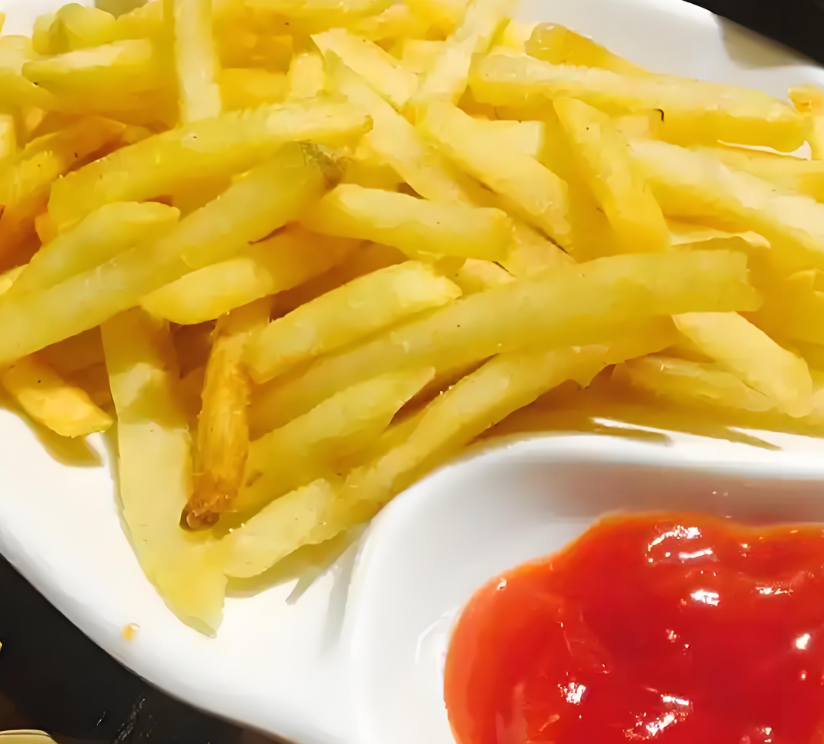
3.1. The Multifaceted Objectives of Blanching
- Enzyme Inactivation: Potatoes contain enzymes like polyphenol oxidase (PPO) and peroxidase. If not deactivated, PPO causes enzymatic browning, leading to gray or black discoloration in the raw and finished product. Blanching destroys these enzymes, preserving the fry’s light, creamy color.
- Sugar Leaching (The Critical Color Control): As discussed, excess reducing sugars cause dark frying. Blanching in hot water (typically 70-85°C / 158-185°F) selectively leaches these sugars from the outer layers of the fry. The starches in the core remain largely intact. This creates a sugar gradient: a low-sugar exterior that will fry to a golden brown, and a higher-sugar interior that provides flavor and contributes to internal browning. The precise time and temperature of the blanch directly control the final fry color.
- Texture Modification (Pre-Gelatinization): The heat and moisture of the blanch cause partial gelatinization of the starch near the fry’s surface. This begins to set the cell wall structure, providing mechanical strength that helps the fry maintain its shape during frying. french fries machine It also creates a flexible, moist interior that steams during frying, yielding the characteristic fluffy texture.
- Removal of Surface Starch: The final wash of the blanching process removes the gelatinized starch from the surface, which is crucial for preventing the fries from sticking together during frying and freezing.
3.2. The Blanching Process and Its Variables
Blanching is often a multi-stage process, sometimes involving different temperature zones or even a blanching-cooling-blanching sequence.
- Time-Temperature Profile: This is the master variable. A long, low-temperature blanch leaches more sugar but can make the fry too soft and fragile. A short, high-temperature blanch sets the structure quickly but may not leach enough sugar, risking dark color. The profile must be meticulously tailored to the sugar content of the incoming potatoes.
- Additives in the Blanch Water: To further enhance quality, additives are commonly used:
- Dextrose: Paradoxically, if potatoes are too low in sugar and would fry too pale, french fries machine dextrose can be added to the blanch water to uniformly darken the color.
- Sodium Acid Pyrophosphate (SAPP): This is a critical additive. It chelates (binds) metal ions that can catalyze discoloration, and it acidifies the surface of the fry, which inhibits the Maillard reaction. This allows for a longer fry time to achieve crispiness without the exterior becoming too dark.
3.3. Consequences of Improper Blanching
- Under-Blanching: Fries will be dark due to high surface sugar and active enzymes. They may also have a raw, off-flavor.
- Over-Blanching: Fries become too soft, losing structural integrity. They can become mushy, suffer high breakage, and have a waterlogged interior that leads to a soggy, steam-filled fry with poor crispiness. Excessive sugar leaching can also result in a pale, unappealing color.
3.4. Best Practices for Blanching Control:
- Real-Time Sugar Monitoring: Use refractometers to frequently test the sugar content of the blanch water effluent, which indicates the level of leaching.
- Precise Thermal Control: Maintain tight control over blanch water temperature and conveyor speed (which determines time).
- Fry Color Testing: Conduct small-scale fry tests on blanched product throughout the production run to proactively predict final color and adjust blanch parameters accordingly.
- Manage SAPP Concentration: Regularly titrate the blanch water to ensure the SAPP concentration is within the target range for optimal color control.
4. The Dynamics of Drying and Pre-Frying
After blanching, the fries have a wet, sticky surface. Proceeding directly to frying would be catastrophic. The steps of drying and pre-frying are designed to prepare the fry’s surface for the final transformation.
4.1. The Critical Role of Surface Drying
The fries are conveyed through a high-velocity hot air dryer.
- Objective: To remove the thin film of surface moisture left from blanching and cooling.
- The Science: Surface water and hot oil are a dangerous combination. french fries machine If wet fries are added to the fryer:
- Violent Boiling: The water instantly flashes to steam, causing violent splattering and foaming, which is a safety hazard and accelerates oil degradation.
- Poor Crust Formation: The presence of water prevents the immediate formation of a dry, sealed crust. This allows oil to penetrate deeply into the fry, resulting in a greasy, soggy texture.
- Pale, Blotchy Color: Steam at the surface inhibits the Maillard reaction, leading to uneven, pale coloring.
A perfectly dry surface ensures that upon contact with oil, a crisp barrier forms instantly, limiting oil migration and allowing for proper browning.
4.2. Pre-Frying (Par-Frying): Setting the Structure
Pre-frying is a partial cooking step that sets the fry’s internal and external structure, making it suitable for freezing and later finish-frying.
- Process: The dried fries pass through a long, french fries machine continuous fryer containing hot oil (typically 170-190°C / 338-374°F) for 1-3 minutes.
- Key Outcomes:
- Crust Formation: The surface dehydrates completely and undergoes starch gelatinization and protein denaturation, forming a rigid, micro-porous crust that is the foundation of crispiness.
- Internal Cooking: The heat conducts inward, fully gelatinizing the central starch. The internal moisture turns to steam, creating the light, airy, fluffy texture. The fry is cooked about 80-90% through.
- Flavor and Color Development: The Maillard reaction and caramelization proceed, developing the initial golden color and the characteristic fried potato flavor.
- Moisture Reduction: The overall moisture content is reduced from ~80% to ~60%, which is critical for the stability and texture of the frozen product.
4.3. Consequences of Inadequate Drying and Pre-Frying
- Wet Surface Entering Fryer: Greasy, oily fries; foaming oil; poor color; safety hazards.
- Insufficient Pre-Fry: The fry will have a raw, starchy interior after finish-frying. The structure will not be set, leading to collapse and a soggy texture. It may also develop “cold soak,” where the frozen fry becomes mushy when thawed.
- Excessive Pre-Fry: The fry will be too dark and may become too rigid, leading to a hard, tough exterior upon finish-frying instead of a crisp one.
4.4. Best Practices for Drying and Pre-Frying:
- Monitor Dryer Efficiency: Ensure the air velocity, temperature, and dwell time in the dryer are sufficient to produce a uniformly matte, dry surface on every fry.
- Zonal Frying Control: Use a multi-zone fryer where the temperature can be adjusted. A higher temperature at the entrance sets the crust quickly, french fries machine while a slightly lower temperature in the middle allows the heat to penetrate to the core without burning the exterior.
- Moisture Content Monitoring: Use in-line NIR sensors to monitor the moisture content of the fries exiting the pre-fryer to ensure it is within the specified range.
5. The Freezing and Cold Chain Imperative
For the vast global market, French fries are a frozen product. The freezing process and the subsequent maintenance of the cold chain are not merely logistical steps; they are active quality preservation stages that determine the product’s performance at the point of consumption.
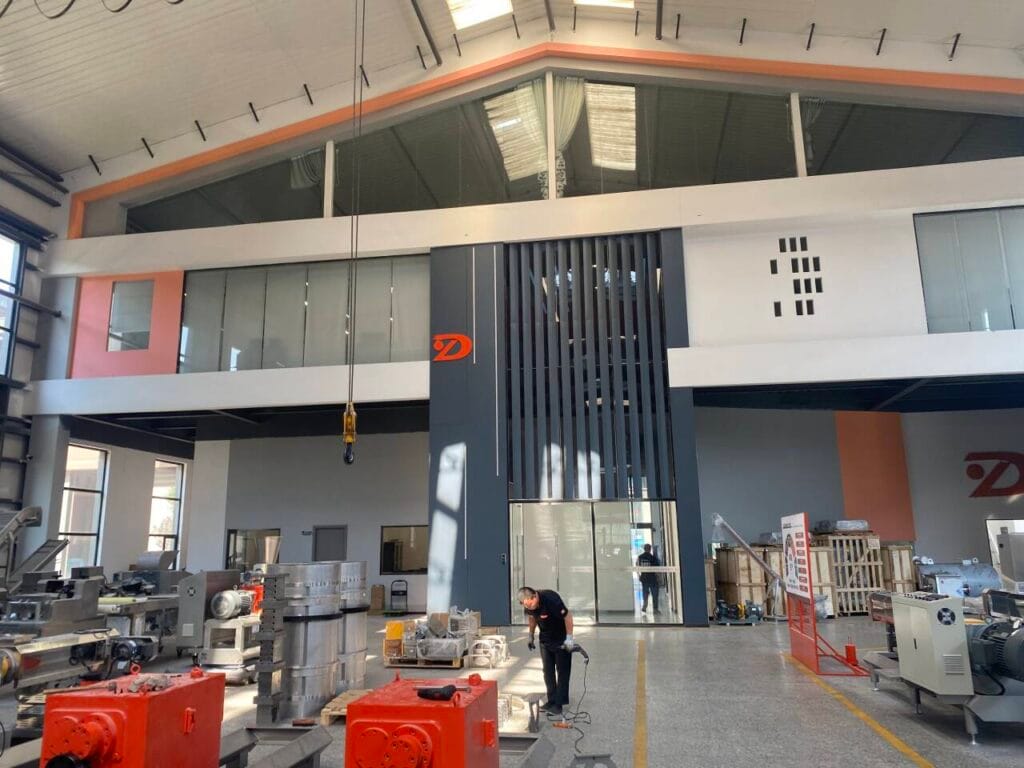
5.1. The Science of Freezing: IQF vs. Slow Freezing
The goal of freezing is to transition the product’s water into ice crystals. The size and location of these crystals determine the final texture.
- Individual Quick Freezing (IQF): This is the industry standard. Fries are conveyed through a blast freezer (spiral or tunnel) where they are exposed to very cold air (-30°C to -40°C / -22°F to -40°F) at high velocities.
- Result: Rapid heat extraction leads to the formation of numerous, tiny ice crystals within the plant cells. This causes minimal physical damage to the cell walls and the delicate porous structure created during pre-frying.
- Slow Freezing: If freezing occurs slowly, ice crystals form primarily in the spaces between the cells. These crystals grow large, puncturing and rupturing the cell walls.
- Result: Upon thawing and frying, the cellular contents leak out, the structure collapses, and the fry becomes mushy, wet, and limp—a phenomenon known as “drip loss” upon cooking.
5.2. The Criticality of the Cold Chain
The quality preserved by IQF can be utterly destroyed by a single break in the cold chain.
- Temperature Fluctuations: If the product’s temperature rises above its glass transition temperature (the point at which it becomes rubbery rather than glassy), even for a short period, partial thawing occurs.
- Recrystallization: When the product refreezes, the small, stable ice crystals melt and reform into larger, more damaging crystals. Each temperature fluctuation causes this process to repeat, progressively degrading the product’s texture.
- Freezer Burn: Sublimation of ice from the fry’s surface occurs if packaging is inadequate or storage times are excessively long, leading to dry, tough, and discolored patches.
5.3. Consequences of Freezing and Cold Chain Failures
- Mushy, Soggy Texture: Caused by slow freezing or temperature abuse, leading to cell rupture.
- Excessive Breakage: A structurally compromised fry will shatter during transport or dumping into the fryer.
- Freezer Burn: Unappealing appearance and leathery texture.
- Clumping: Fries frozen together create uneven cooking and are difficult for the end-user to handle.
5.4. Best Practices for Freezing and Cold Chain Management:
- Invest in Efficient IQF Systems: Ensure freezers are properly maintained and operating at designed capacity.
- Monitor Product Core Temperature: Verify that the product center reaches -18°C (0°F) before packaging and palletizing.
- Uninterrupted Cold Chain: Use insulated and refrigerated trucks. Implement continuous temperature monitoring with data loggers during transportation to ensure no breaches occur.
- Proper Warehouse Management: Maintain storage facilities at a steady -18°C with good air circulation. Practice FIFO inventory management.
6. Oil Management and Quality
The frying oil is not just a heating medium; it is an ingredient that is integral to the fry’s flavor, texture, appearance, and nutritional profile. Managing oil quality is a continuous battle against chemical degradation, and its importance cannot be overstated.
6.1. Oil Selection
The choice of frying medium is fundamental.
- Stability: The oil must resist breakdown under high temperatures, moisture, and oxygen. High-oleic sunflower or canola oils are popular due to their high monounsaturated fat content, which confers greater oxidative stability compared to polyunsaturated oils.
- Flavor Profile: The oil should have a neutral flavor to not overpower the natural potato taste. Palm olein is widely used for its stability and neutrality, though sustainability concerns are driving a shift to alternatives.
- Nutritional Profile: There is increasing pressure to reduce saturated and trans fats. The industry has largely eliminated partially hydrogenated oils, but the choice of replacement is critical for maintaining product shelf life.
6.2. The Chemistry of Oil Degradation
Frying oil is subjected to three primary forms of degradation:
- Hydrolysis: The reaction of triglycerides with water (released from the fries), breaking them down into free fatty acids (FFA), mono-, and diglycerides.
- Causes: High-moisture product, steam, poor turnover.
- Effects: Increased FFA causes smoking, foaming, and off-flavors.
- Oxidation: The reaction of unsaturated fats with atmospheric oxygen, forming peroxides and aldehydes.
- Causes: Exposure to air, high temperatures, pro-oxidant metals.
- Effects: Rancidity—characterized by off-flavors and odors described as painty, grassy, or cardboard-like.
- Polymerization: The formation of large, complex molecules through the linking of fatty acid chains.
- Causes: Extreme heat and the presence of polar compounds.
- Effects: Oil becomes viscous, dark, and foamy. french fries machine These polymers coat the fry, making it greasy and are also considered unhealthy.
6.3. Oil Management Practices
- Filtration: Continuous or batch filtration is essential to remove carbonized food particles (fines). These fines act as catalysts, dramatically accelerating oil degradation.
- Turnover Rate: This is the rate at which fresh oil is added to replenish what is absorbed by the product. A high turnover rate is ideal, as it means degraded oil is constantly being diluted with fresh, stable oil. A slow turnover allows degradation products to accumulate.
- Monitoring: Regular analytical testing is mandatory.
- Free Fatty Acids (FFA): A key indicator of hydrolysis.
- Polar Compounds: This is the most comprehensive measure of overall oil degradation. In many countries, the legal limit for discarding oil is 24-27% polar compounds.
- Peroxide Value (PV): Measures primary oxidation products (less reliable for used oil as they break down).
6.4. Consequences of Poor Oil Management

- Off-Flavors: Rancid or acrid tastes in the fries.
- Poor Appearance: Dark, greasy-looking fries.
- Health Concerns: Consumption of degradation products like polar compounds is undesirable.
- Operational Issues: Excessive smoking, foaming, and gumming of equipment.
6.5. Best Practices for Oil Management:
- Implement Robust Filtration: Use a filter aid (e.g., diatomaceous earth) and filter at least daily, or continuously.
- Maximize Turnover: Optimize production scheduling to ensure a healthy oil turnover rate.
- Rigorous Testing Regime: Implement a daily schedule for FFA and periodic tests for polar compounds. Do not rely on visual or olfactory cues alone.
- Minimize Oxygen Exposure: Design fryers to minimize the oil’s surface area exposed to air and avoid unnecessary agitation.
The production of a high-quality French fry is a testament to the integration of agriculture, food science, and precision engineering. The six areas detailed—Raw Material Selection, Cutting, Blanching, Drying/Pre-frying, Freezing, and Oil Management—are not isolated steps but interconnected links in a chain. A failure in any one link compromises the entire product. Success demands a holistic, data-driven approach where critical control points are continuously monitored and optimized. french fries machine From the genetic selection of the potato cultivar to the final blast of freezing air, every decision is guided by the pursuit of that perfect, consistent sensory experience: a crispy, golden shell giving way to a light, fluffy, and flavorful interior. It is this relentless attention to detail across all six domains that transforms a simple tuber into a global food phenomenon.
Leave A Comment