
The Engineering of a Staple: A Comprehensive Guide to the Processing Technology of Composite French Fries
Composite French fries represent a significant innovation within the global potato products industry, offering a solution to the challenges of supply chain volatility, raw material waste, and product inconsistency inherent to traditional, whole-cut fries. Unlike their natural counterparts, which are sliced directly from potatoes, composite fries are engineered products fabricated from a dough comprising dehydrated potato compounds, binding agents, and functional ingredients. This process allows for unprecedented control over the final product’s size, shape, texture, nutritional profile, and yield. This article provides an exhaustive, step-by-step analysis of the complete manufacturing process for composite French fries. It begins with an exploration of the raw materials, delving into the science of potato flakes, granules, starches, and other constituents. The core processing stages—from dry blending and dough mixing to forming, pre-frying, and freezing—are meticulously detailed, with emphasis on the critical parameters governing each operation. Furthermore, the article addresses quality control protocols, the science behind the desired texture and color, and the comparative advantages of composite fries in the modern food service and retail landscapes. Finally, french fries making machine it explores future trends, including automation, health-centric formulations, and sustainability initiatives, positioning composite technology as a cornerstone of the future of frozen potato products.
1. Introduction: The Rationale for an Engineered Fry
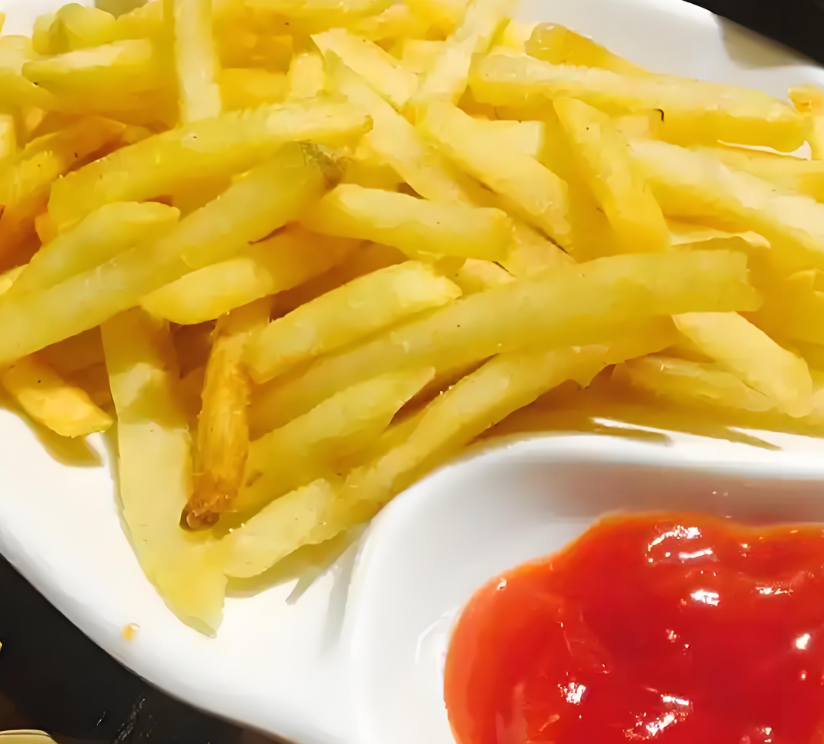
The French fry is a global culinary icon, a staple of fast-food chains, casual dining, and home kitchens alike. The traditional production of French fries involves washing, peeling, cutting, blanching, and freezing whole potatoes. While this method produces a beloved product, french fries making machine it faces several systemic challenges:
- Raw Material Inconsistency: Potatoes are agricultural products subject to natural variations in size, shape, sugar content, and solid levels. This leads to inconsistent fry dimensions, color, and oil absorption.
- Seasonality and Storage: Dependence on seasonal harvests requires massive, energy-intensive controlled-atmosphere storage facilities to prevent sprouting and sugar accumulation, which can cause undesirable darkening during frying.
- Significant Waste: The mechanical peeling and cutting of irregularly shaped tubers can result in up to 20-30% waste in the form of peels and off-cuts, which must be repurposed or discarded.
- Limited Shape Versatility: Creating consistent, complex shapes (e.g., waffle cuts, zig-zags, or specific dimensions for branding) is difficult and wasteful from a whole potato.
Composite French fry technology emerged as a direct response to these limitations. By deconstructing the potato into its core components and then reconstructing it into a predetermined form, manufacturers gain unparalleled control. The primary advantages include:
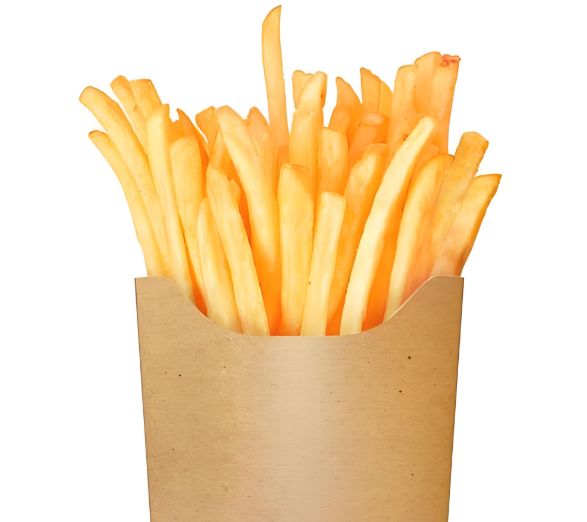
- Absolute Consistency: Every fry is identical in size, shape, and weight.
- Supply Chain Stability: Dehydrated potato ingredients (flakes, granules) have a long shelf life and are less susceptible to seasonal fluctuations.
- Near-Zero Waste: Virtually 100% of the dry raw materials are utilized in the final product.
- Customization: Ability to easily create any shape and to tailor nutritional content (e.g., reduced fat, added fiber).
- Optimized Performance: Engineered for specific cooking properties, such as consistent fry time and superior crispness retention.
This article dissects the sophisticated technology that transforms a blend of powders and water into the familiar, golden-brown composite French fry.
2. Raw Material Selection and Functionality: The Building Blocks
The quality of a composite fry is entirely dependent on the functional properties of its raw materials. Each ingredient is chosen for a specific scientific purpose.
2.1. Potato-Based Components: The Foundation of Flavor and Texture
The soul of the fry comes from dehydrated potato products. french fries making machineThe selection between types is a fundamental formulation decision.
- Potato Flakes: Produced by cooking and mashing potatoes, which are then applied as a thin layer to a heated drum dryer. The dried sheet is subsequently scraped off and broken into flakes.
- Functional Properties: The drum-drying process creates a product with a high degree of pre-gelatinized starch. This means the starch granules have already absorbed water and swelled, giving potato flakes a very high Water Absorption Index (WAI). This results in a light, fluffy texture in the final product, as the flakes can form a matrix that traps steam during cooking. They contribute to a texture that is often described as closer to that of a mashed potato interior.
- Potato Granules: Manufactured using an “add-back” process where cooked potatoes are mixed with previously dried, free-flowing granules. This minimizes cell rupture and starch gelatinization during drying.
- Functional Properties: Granules have a lower WAI than flakes and are more granular. They yield a denser, more granular, and less cohesive texture in the final fry, which some formulations use to mimic the “mealy” quality of certain potato varieties. french fries making machineThey are often used in blends with flakes to achieve a specific mouthfeel.
- Native and Modified Potato Starch: This is a non-negotiable ingredient, even when flakes or granules form the base.
- Native Starch: Provides basic binding and viscosity.
- Modified Potato Starch: The true workhorse of the composite structure. Starch is chemically or physically modified to withstand the rigors of processing. Key modifications include:
- Cross-linking: Strengthens the starch granule by introducing chemical bonds between molecules. This enables the starch to resist high shear during mixing, high temperatures during frying, and the mechanical stress of freezing and reheating. It prevents the product from becoming sticky or gummy.
- Stabilization: Introduces chemical groups (e.g., acetyl) that prevent retrogradation—the recrystallization of starch molecules over time which causes staling and a loss of softness in the frozen and reheated product.
- Substitution: Can enhance cold-water swelling properties, which is vital for rapid and uniform dough formation.
2.2. Binders and Structural Agents
While potato provides flavor and bulk, other ingredients are necessary to build a coherent, robust structure that can survive freezing, transportation, and final cooking.
- Cereal Flours:
- Wheat Flour: Provides gluten, a protein network that adds strength and elasticity to the dough. This is crucial for preventing the fries from breaking apart during processing. However, the amount must be carefully controlled; too much gluten can make the fry tough and chewy.
- Rice Flour/Corn Flour: These gluten-free alternatives provide crispness and a clean flavor. Rice flour, in particular, is known for producing a very crisp exterior upon frying.
- Gums and Hydrocolloids: Ingredients such as xanthan gum, guar gum, and methylcellulose are used in small quantities (typically 0.1%-0.5%).
- Function: They are powerful water binders that significantly increase the viscosity and cohesiveness of the dough. They improve freeze-thaw stability, preventing the product from becoming spongy or weeping after freezing. They also enhance the product’s ability to retain its shape and reduce oil absorption during frying by forming a protective barrier.
2.3. Leavening Agents
Chemical leavening systems, such as a combination of sodium acid pyrophosphate (SAPP) and sodium bicarbonate (baking soda), are critical.
- Function: Upon heating during the par-frying stage, these agents react to produce carbon dioxide (CO₂) gas. This gas creates tiny bubbles within the potato matrix, leading to a lighter, less dense, and more porous internal texture. This porosity is essential for achieving a soft, fluffy interior that contrasts with a crispy exterior. SAPP is often chosen for its slow reaction rate, which provides leavening throughout the frying process rather than all at once.
2.4. Flavorings, Colorants, and Preservatives
- Flavor Enhancers: Salt is essential. Monosodium glutamate (MSG) or yeast extracts may be added to boost the savory “umami” potato flavor.
- Color Control: Dehydrated potatoes can undergo non-enzymatic browning. To maintain a consistent, light yellow color in the final cooked product, reducing agents like sodium acid pyrophosphate (which serves a dual purpose as a leavening agent) are added. SAPP chelates metal ions that catalyze browning reactions and lowers the pH, inhibiting color formation.
- Preservatives: Antioxidants such as TBHQ (tert-Butylhydroquinone) may be added to the dough or the frying oil to prevent oxidative rancidity in the fats, thereby extending shelf life.
2.5. Water
Water is not merely a solvent; it is a critical structural component. The quality (pH, hardness), temperature, and precise quantity of water used are among the most vital process parameters. It acts as the plasticizer, allowing the starch and protein molecules to mobilize and form a continuous, workable dough.
3. The Core Manufacturing Process: A Sequential Breakdown
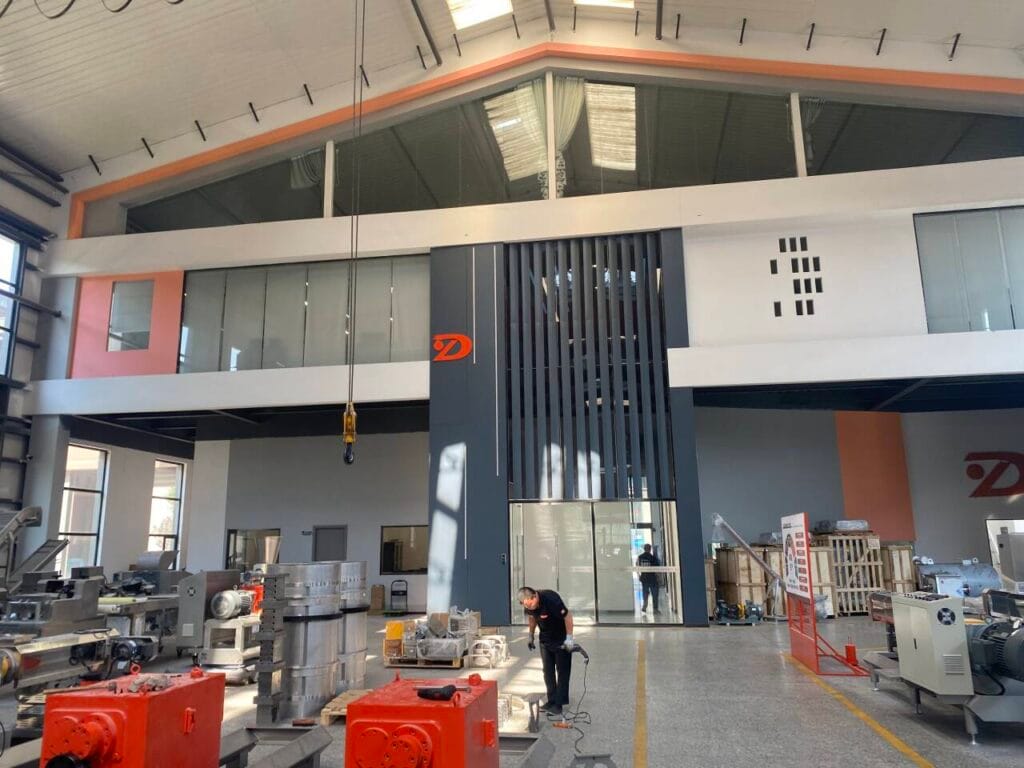
The transformation of raw materials into a frozen, par-fried composite fry is a continuous, highly automated process. The following sections detail each stage.
3.1. Dry Ingredient Handling and Pre-Blending
The process begins with the precise weighing and homogenization of all dry components.
- Objective: To achieve a perfectly uniform distribution of all minor ingredients (starches, flours, leavening agents, salt, gums) throughout the major potato components. This is the foundation of batch-to-batch consistency.
- Process: Ingredients are typically delivered via bulk bags or silos. They are conveyed pneumatically or mechanically to weigh hoppers. A computer-controlled recipe system dispenses the exact quantities into a large ribbon blender or paddle mixer. The blend is mixed for a predetermined time to ensure homogeneity. Any inconsistency at this stage will manifest as textural or flavor defects in the final product.
3.2. Dough Mixing: Creating the Composite Matrix
This is the heart of the process, where the dry blend is transformed into a cohesive, plastic dough. This step is governed by the science of rheology.
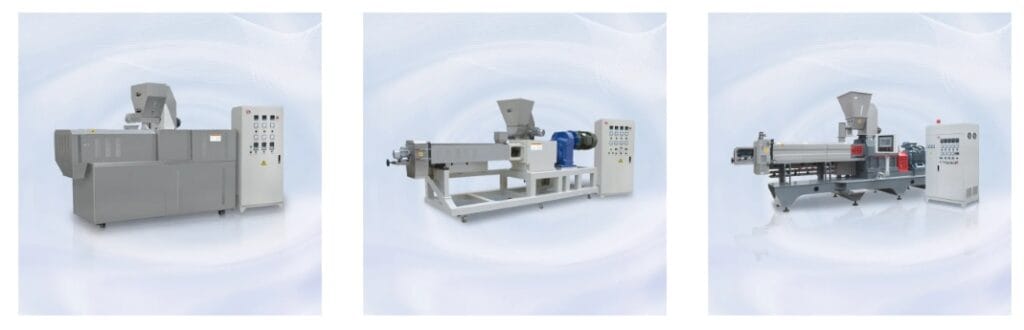
- Mixer Type: Continuous mixers are standard for large-scale production. These often consist of a twin-screw mechanism that conveys the dry blend while simultaneously injecting a metered stream of water.
- Critical Parameters:
- Water-to-Dry-Mix Ratio: This is the master variable. The ratio must be precisely controlled, often within ±0.5%. Too little water results in a dry, crumbly dough that will not sheet properly and will produce fries that are hard and lack cohesion. Too much water creates a sticky, viscous dough that will adhere to machinery and result in a gummy, dense final texture.
- Water Temperature: Cold water (below 15°C / 59°F) is generally preferred. It slows down starch gelatinization and prevents the dough from becoming prematurely sticky, which aids in machinability.
- Mixing Time and Shear Energy: The goal is to achieve complete hydration without over-developing the structure. Over-mixing can break down the starch granules and over-develop gluten (if wheat flour is used), leading to a tough, rubbery dough that is difficult to sheet and results in a chewy fry. The ideal dough should be uniform, pliable, and have a putty-like consistency, with no dry lumps or visible free water.
3.3. Dough Sheeting and Forming: Shaping the Fry
The amorphous dough mass must now be given the iconic French fry shape.
- Sheeting: The dough is fed into a series of sheeting rolls. It first enters a pair of rollers that form a rough sheet. This sheet then passes through several subsequent pairs of rollers, each set with a progressively narrower gap. This gradual reduction in thickness prevents the dough from being over-stressed and tearing. The final sheet thickness determines the final thickness of the fry and is tightly controlled.
- Forming/Cutting: There are two primary methods for forming the fries from the continuous dough sheet:
- Die Cutting: A rotary die, which contains sharp-edged, fry-shaped cavities, stamps out the individual fries from the dough sheet. This is similar to a cookie cutter. The remaining scrap dough (the “web” or “regrind”) is lifted away by a conveyor system.
- Extrusion: For more complex shapes or a denser texture, the dough can be forced through a die plate under high pressure. The die plate has openings shaped like the desired fry profile. As the continuous strands of dough are extruded, french fries making machinea synchronized knife cuts them to the desired length.
- Regrind Management: The scrap dough from the die-cutting process is continuously fed back into the mixer or the sheeting head. Its temperature and moisture content differ from the virgin dough, so the proportion of regrind in the total mix must be controlled (typically capped at 15-20%) to prevent destabilizing the dough’s rheology.
3.4. Pre-Frying (Par-Frying): Setting the Structure
The formed, raw fries are now ready for their first encounter with hot oil. Pre-frying is a partial cooking and dehydration step, not intended to make the fries edible directly.

- Fryer Design: A continuous, multi-zone fryer is used. The fries are conveyed through a bath of hot oil on a mesh belt.
- Objectives of Pre-Frying:
- Gelatinize the Starch: The heat causes the starch granules to fully gelatinize, swelling and setting into a rigid, porous structure. This defines the final texture of the fry.
- Form a Crust: The surface of the fry rapidly dehydrates, forming a thin, dry crust. This crust is critical for several reasons: it provides mechanical strength to the frozen fry, reduces oil pickup during the final frying by the end-user, and is the foundation for the final crispiness.
- Develop Flavor and Color: The Maillard reaction and caramelization begin at this stage, developing the initial golden color and toasted, savory flavors.
- Leavening: The chemical leavening agents are activated, creating the internal air pockets that give the fry a light, fluffy interior.
- Reduce Moisture: The moisture content is reduced from ~40-45% in the raw dough to ~25-30% after par-frying. This reduction is crucial for freezing stability and final texture.
- Process Parameters: Oil temperature typically ranges from 160-180°C (320-356°F), and the frying time is relatively short, usually between 30 to 60 seconds. The exact parameters are a closely guarded secret of each manufacturer, french fries making machine as they directly control the fry’s core sensory attributes.
3.5. Cooling and Freezing
After par-frying, the fries are not stable at ambient temperature and must be frozen.
- Cooling: The hot fries are first conveyed through a cooling tunnel where ambient or refrigerated air cools them to near room temperature. This step is essential to prevent condensation and ice crystal formation during freezing, which can damage the cell structure and make the fry soggy upon reheating.
- Freezing: The cooled fries enter a spiral freezer or a fluidized bed freezer. The goal is to rapidly reduce the product’s core temperature to -18°C (0°F) or below. Rapid freezing (IQF – Individually Quick Frozen) is critical. It creates numerous small ice crystals, which cause minimal damage to the delicate, porous internal structure. Slow freezing creates large, jagged ice crystals that puncture the cell walls, leading to a loss of integrity and a mushy, watery texture upon final preparation.
3.6. Packaging and Cold Chain Logistics
The frozen fries are weighed and packaged into bags or boxes, typically made from multi-layered, wax-coated cardboard or thick polyethylene plastic to prevent freezer burn.
- Modified Atmosphere Packaging (MAP): In some cases, the air in the package is replaced with nitrogen (N₂) to prevent oxidative rancidity during storage.
- Cold Chain: The packaged fries must be stored and transported at a consistent -18°C from the factory door to the distribution center and finally to the restaurant or retail store. Any break in the cold chain, resulting in partial thawing and refreezing, will severely degrade the product’s quality.
4. Quality Assurance and Control: Ensuring Excellence
A robust Quality Assurance (QA) system is integrated throughout the entire process.
- Raw Material Inspection: Incoming ingredients are tested for key functional properties like WAI, WSI, particle size, and microbiological safety.
- In-line Process Control:
- Dough: Moisture content, temperature, and viscosity are monitored.
- Frying Oil: Free Fatty Acid (FFA) content, polar compounds, and polymer levels are tested daily to ensure oil quality and food safety.
- Frying Process: Fry color is continuously monitored by optical sensors; moisture content of par-fried product is checked.
- Laboratory Analysis of Final Product:
- Texture Analysis: A texture analyzer measures the force required to shear or compress a fry, quantifying crispiness and mealiness.
- Color Measurement: A colorimeter is used to ensure the fry meets the specified Lab* color values.
- Fat Content: Analyzed via solvent extraction or Near-Infrared (NIR) spectroscopy.
- Sensory Evaluation: Trained panels assess the product for flavor, aroma, texture, and mouthfeel against a gold standard.
5. The Final Preparation and Future Trends
For the end-user, the final preparation is simple: deep-frying, oven-baking, or air-frying. The composite fry’s engineered structure is designed to perform consistently across these methods,french fries making machine delivering a crispy exterior and a fluffy interior with minimal soakage of oil.
Future Trends:
- Health and Wellness: Development of baked-only composite fries, formulations with reduced sodium, added fiber (e.g., from resistant starch), or fortified with protein.
- Sustainability: Efforts to reduce water and energy consumption in processing, and the exploration of upcycled ingredients.
- Clean Label: Reformulating to remove synthetic additives, relying more on native starches and natural flavor systems.
- Automation and AI: Using machine learning for predictive maintenance and real-time optimization of mixing and frying parameters.
The production of composite French fries is a testament to the application of food science and engineering. It is a process that transforms the inherent variability of a natural agricultural product into a standardized, reliable, and versatile food ingredient.french fries making machine By mastering the interplay of raw material functionality, dough rheology, thermal dynamics, and cryogenic preservation, manufacturers can produce a fry that meets the exacting demands of global food service and retail markets. While it may lack the romanticism of a hand-cut fry, the composite version offers a level of consistency, efficiency, and customization that is essential for feeding the modern world. As technology advances, we can expect this already sophisticated process to become even more precise, efficient, and aligned with evolving consumer preferences.
Leave A Comment