
The Six Critical Elements of Nutritional Rice Drying
The drying process is arguably the most critical and delicate stage in the production of nutritional rice, particularly when utilizing extrusion technology. Following extrusion, the newly formed rice kernels possess a high moisture content, typically between 25% and 35%. This state is highly unstable, rendering the product susceptible to microbial spoilage, physical deformation, and rapid nutrient degradation. The primary objective of drying is to safely and efficiently reduce this moisture content to a safe storage level of approximately 10-12%, while simultaneously preserving the kernel’s structural integrity, ensuring the stability of the fortified micronutrients, and maintaining cooking characteristics identical to natural rice. Achieving this multifaceted goal is not a matter of simple dehydration; it is a complex interplay of thermodynamics, mass transfer, and material science. This paper identifies and exhaustively examines the six fundamental elements that govern a successful nutritional rice drying operation: 1. Moisture Gradient and Diffusion, 2. Temperature Profile and Thermal Energy Management, 3. Airflow and Humidity Control, 4. Drying Kinetics and Time, 5. The Principle of Uniformity, and 6. The Final Product Equilibrium. A deep understanding of each element, and more importantly, their intricate synergies, is essential for optimizing the process,nutrition rice making machine maximizing product quality, ensuring nutrient retention, and achieving operational efficiency.
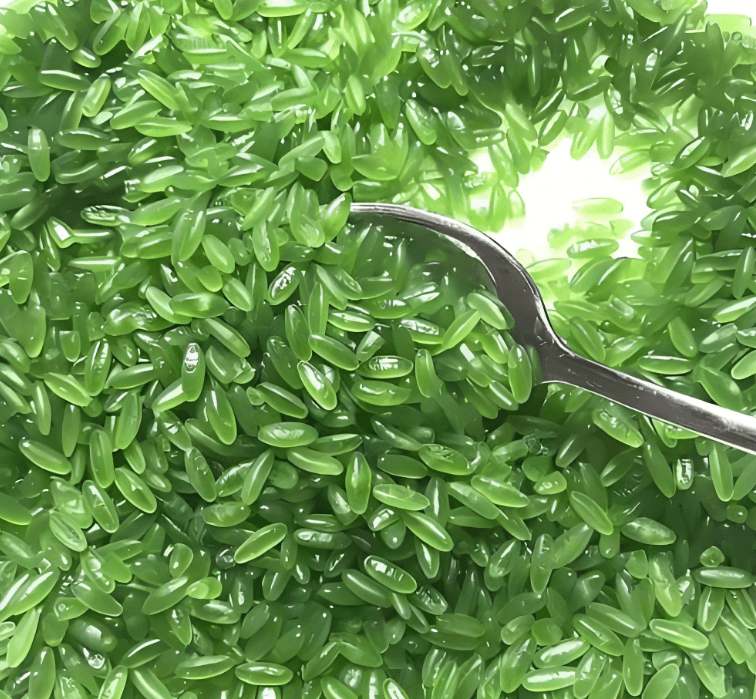
Nutritional rice, produced via extrusion, begins as a soft, plastic-like dough. The extrusion process gelatinizes the starch, creating a matrix that encapsulates the vital vitamin and mineral premix. However, this freshly extruded kernel is fragile and perishable. Without proper drying, the following consequences are inevitable:
- Microbiological Growth: The high water activity (aw) provides an ideal environment for mold, yeast, and bacterial proliferation, leading to spoilage and potential food safety hazards.
- Physical Collapse: The soft kernels would clump together, lose their defined rice-like shape, and become an unusable mass.
- Nutrient Degradation: Many vitamins, especially water-soluble ones like Vitamin C and B vitamins, are highly susceptible to degradation in a moist, oxygen-rich environment.
- Enzymatic and Oxidative Reactions: Residual enzymes and exposure to oxygen can lead to rancidity and off-flavors.
Therefore, drying is not optional; it is a preservation imperative. However, an improperly executed drying process can be just as detrimental. Excessive heat can cause “case hardening,” where a hard, impermeable shell forms on the kernel’s surface, trapping moisture inside and leading to cracking, checking (internal fractures), and poor shelf-life. High temperatures can also destroy heat-labile nutrients. Conversely, insufficient drying or improper cooling can lead to caking and spoilage during storage. The following six elements provide a systematic framework for navigating these challenges and mastering the drying art.
At its core, drying is a process of simultaneous heat and mass transfer. The removal of moisture from a solid like a nutritional rice kernel is governed by the principles of internal and external mass transfer, driven by a moisture gradient.
1.1 The Science of Moisture Movement
Inside the wet kernel, moisture exists in two primary forms:
- Free Water: This is moisture held in the intergranular spaces and large capillaries within the starch matrix. It is relatively easy to remove.nutrition rice making machine
- Bound Water: This is moisture that is physically or chemically adsorbed to the starch and protein molecules. Removing bound water requires more energy as it involves breaking the bonds between water molecules and the solid matrix.
The drying process initiates when the kernel’s surface is exposed to a drying medium (hot, dry air). Moisture from the surface evaporates. This creates a difference in moisture concentration between the wet interior and the drier surface of the kernel. This difference is the moisture gradient. Nature always seeks equilibrium, so internal moisture begins to migrate from the core towards the surface to equalize this gradient. This movement occurs primarily through two mechanisms:
- Liquid Diffusion: The flow of liquid water through the porous structure of the kernel, driven by capillary forces.
- Vapor Diffusion: Once the temperature inside the kernel rises, moisture can vaporize and move as a gas through the pores.
1.2 The Two Falling Rate Periods
The understanding of moisture diffusion leads to the classic drying rate curve, which is characterized by two distinct falling rate periods:
- Constant Rate Period (Initial Phase): Immediately after entering the dryer, the kernel surface is saturated with free water. The rate of evaporation from the surface is constant and is limited only by the rate at which the drying air can absorb moisture (heat and mass transfer from the air to the surface). During this period, the surface temperature of the kernel remains close to the wet-bulb temperature of the air.nutrition rice making machine
- First Falling Rate Period: Once the surface free water is depleted, the rate of drying begins to fall. The evaporation front recedes into the kernel. The drying rate is now controlled by the rate at which internal moisture can diffuse to the surface. The resistance to this internal flow becomes the limiting factor.
- Second Falling Rate Period: In this final stage, the moisture being removed is primarily bound water. The diffusion path becomes longer, and the forces holding the water are stronger, leading to a further decrease in the drying rate. This period is critical for achieving the final target moisture content.
1.3 Practical Implications for Nutritional Rice Drying
- Avoiding Case Hardening: If the initial drying conditions are too severe (excessively high temperature and low humidity), the surface can dry and form a hard, glassy layer. This shell drastically reduces the permeability of the kernel, trapping internal moisture. As the internal moisture heats up and expands, it can cause the kernel to crack or “check.” These internal fractures are not always visible but become apparent during cooking, causing the kernel to disintegrate. For nutritional rice, this can also lead to the leaching of water-soluble vitamins during cooking.
- Optimizing the Gradient: The key is to maintain a moisture gradient that is steep enough to drive efficient drying but not so steep that it causes structural damage. This is achieved by carefully controlling the temperature and humidity of the drying air throughout the process, starting with milder conditions and gradually increasing the driving force as the kernel’s moisture content decreases.
Element 2: Temperature Profile and Thermal Energy Management
Temperature is the primary source of thermal energy required for the phase change of water from liquid to vapor. However, its application is not a simple “set-it-and-forget-it” parameter. It must be profiled and managed with precision.nutrition rice making machine
2.1 The Role of Temperature
- Increasing Vapor Pressure: Heating the kernel increases the vapor pressure of the water within it. A higher vapor pressure inside the kernel compared to the partial pressure of water vapor in the drying air creates a stronger driving force for evaporation.
- Reducing Viscosity: Heat reduces the viscosity of the internal moisture, making it easier for it to flow through the porous matrix towards the surface.
- Gelatinization Setback: In the context of extruded rice, the drying temperature plays a role in the “setback” or retrogradation of the gelatinized starch. This process realigns the starch molecules, contributing to the kernel’s final hardness and cooking properties.
2.2 The Critical Balance: Efficiency vs. Nutrient Degradation
This is the central challenge in drying nutritional rice. While higher temperatures accelerate drying, they pose a severe threat to the stability of the fortified micronutrients.
- Heat-Labile Nutrients: Vitamins such as Vitamin A, Vitamin C, Thiamine (B1), and Folic Acid (B9) are highly sensitive to heat. Prolonged exposure to high temperatures, especially in a moist environment, can lead to significant degradation, rendering the fortification ineffective.
- The Maillard Reaction: High temperatures can induce Maillard reactions between reducing sugars and amino acids in the rice matrix. This leads to undesirable browning (the kernels will not match the white natural rice) and the development of off-flavors.
2.3 Implementing a Zoned Temperature Profile
A single, high temperature throughout the dryer is a recipe for failure. Modern multi-stage or multi-zone dryers are essential. A typical profile might be:
- Zone 1 (Pre-Drying): Lower temperature (e.g., 40-50°C / 104-122°F). The goal here is to gently remove surface moisture without causing case hardening. The high initial moisture content provides a cooling effect (evaporative cooling), protecting the kernel and the nutrients.
- Zone 2 (Main Drying): Moderate temperature (e.g., 50-65°C / 122-149°F). Once the surface is stable, the temperature can be raised to drive moisture from the kernel’s interior. This is where the bulk of the moisture removal occurs.
- Zone 3 (Final Drying/Tempering): Lower temperature again (e.g., 45-55°C / 113-131°F). As the kernel approaches the target moisture, the drying rate slows. High heat here is inefficient and unnecessarily harsh. Some dryers incorporate tempering zones, where the product is held for a period without airflow to allow internal moisture gradients to equalize, reducing stress and improving final quality.
2.4 Monitoring and Control
Temperature sensors (thermocouples or RTDs) must be strategically placed at the inlet and outlet of each drying zone, as well as within the product bed. These must be regularly calibrated. The control system should automatically modulate heating elements or steam valves to maintain the setpoints within a tight tolerance.
Element 3: Airflow and Humidity Control – The Mass Transfer Engine
If temperature provides the energy for evaporation, then airflow is the vehicle that removes the evaporated moisture. The humidity of that air determines its capacity to carry more moisture away.
3.1 Airflow: Volume, Velocity, and Distribution
- Function: The primary function of the drying air is to continuously supply heat to the product and to carry away the evaporated water vapor.
- Air Volume (CFM/CMM): A sufficient volume of air is required to absorb the moisture being liberated from the product. An undersized fan will lead to a rapid saturation of the air, slowing the drying rate to a crawl.nutrition rice making machine
- Air Velocity: The velocity of the air passing over the kernels affects the boundary layer thickness. A higher velocity thins this layer, improving the heat and mass transfer coefficients and thus increasing the drying rate. However, excessive velocity can lead to product entrainment (blowing small kernels off the belt) or increased energy consumption without a proportional benefit.
- Uniform Distribution: This is paramount. If airflow is uneven across the dryer belt or bed, some kernels will be over-dried while others remain wet. This results in a non-uniform final product with variable cooking performance and nutrient stability. Perforated plates, ducts, and plenums must be designed and maintained to ensure consistent airflow over the entire cross-section of the product bed.
3.2 Humidity: The Often-Neglected Master Variable
The humidity of the drying air, specifically its wet-bulb temperature, is arguably as important as its dry-bulb temperature.
- Psychrometrics: The drying potential of air is determined by the difference between its dry-bulb temperature (the actual temperature) and its wet-bulb temperature (the temperature achieved when water evaporates into the air until it’s saturated). A larger difference indicates a greater capacity for the air to absorb moisture.
- Absolute Humidity (Dew Point): This is the actual mass of water vapor in a given mass of dry air. The goal of the dryer is to raise the absolute humidity of the air as it passes over the product.
- Controlling Humidity: In a simple single-pass dryer, fresh ambient air with low humidity is heated and passed over the product, then exhausted. This is effective but energetically inefficient, as a great deal of heat is thrown away with the exhaust.
- Energy Recovery and Humidity Management: Advanced dryers employ recirculation. A portion of the warm, moist exhaust air is mixed with fresh, dry air before being reheated and sent back through the product. This saves significant energy. However, it requires precise control. If the recirculated air becomes too humid, the drying potential plummets. Therefore, automated dampers control the ratio of fresh to exhaust air to maintain the optimal humidity level in each drying zone. For the initial zone, a slightly higher humidity can be beneficial to prevent case hardening.
Element 4: Drying Kinetics and Time – The Path to Completion
Drying kinetics refers to the rate at which moisture is removed over time. Understanding this relationship is crucial for sizing dryers, setting production rates, and predicting final quality.
4.1 The Drying Curve in Practice
As described in Element 1, the drying rate is not linear. For process design, the total drying time is the sum of the time spent in the constant rate period (if applicable) and the first and second falling rate periods. For extruded products like nutritional rice, the constant rate period is often very short or non-existent, meaning the process is dominated by falling rate kinetics from the start.
4.2 Factors Influencing Drying Time
- Initial and Final Moisture Content: A higher initial moisture content or a lower target final moisture content will naturally require a longer drying time.
- Kernel Size and Geometry: Smaller, thinner kernels dry faster than larger, thicker ones due to shorter internal diffusion paths. The shape of the simulated rice kernel is a key design parameter.
- Porosity and Density: The structure of the extruded kernel, determined by the extrusion screw configuration and die design, affects its porosity. A more porous structure allows for faster moisture migration.nutrition rice making machine
- Drying Conditions: Higher temperatures, lower humidities, and higher airflow velocities will all reduce the total drying time, but within the constraints of product quality.
4.3 The Danger of Rushing: Quality vs. Throughput
There is an inherent tension between production throughput (shorter drying times) and product quality. Attempting to drastically reduce drying time by using extreme temperatures and low humidity will inevitably lead to:
- Case Hardening and Checking
- Nutrient Loss
- Surface Browning
Therefore, the “optimal” drying time is the minimum time required to safely achieve the target moisture content without compromising the structural, sensory, and nutritional properties of the kernel. This must be determined empirically for each specific product formulation and dryer design.
Element 5: The Principle of Uniformity – The Key to Consistent Quality
In industrial processing, consistency is king. A dryer that produces a non-uniform product is a source of constant waste, customer complaints, and potential nutrient delivery failure.
5.1 The Manifestations of Non-Uniformity
- Moisture Variation: Kernels exiting the dryer have a range of moisture contents. Some may be at 9%, others at 13%. The overdried kernels may be brittle and prone to breakage, while the under-dried kernels are at risk of molding in the bag.
- Nutrient Variation: Since moisture content affects the mass of each kernel, a non-uniform blend of fortified and natural rice will have varying nutrient levels per serving, violating regulatory and nutritional claims.
- Cooking Performance Variation: Kernels with different moisture contents and internal structures will cook at different rates. A mix of mushy and hard kernels in the same pot is unacceptable to consumers.
5.2 Causes of Non-Uniform Drying
- Uneven Airflow: The most common cause. This can be due to clogged filters, improperly adjusted dampers, poor plenum design, or an uneven product bed depth.
- Uneven Product Bed: If the extruded kernels are not distributed evenly on the dryer belt, areas with a deeper bed will experience higher resistance to airflow, leading to poorer drying.
- Variation in Feedstock: Inconsistent extrudate from the extruder (variations in initial moisture, size, or density) will dry at different rates.
- Heat Losses: Poor insulation of the dryer cabinet can create cold spots along the edges, leading to uneven drying across the belt width.nutrition rice making machine
5.3 Achieving and Maintaining Uniformity
- Equipment Design: Invest in a well-designed dryer with computational fluid dynamics (CFD)-optimized airflow systems.
- Regular Maintenance: Clean air filters, intake screens, and dryer perforations daily. Check and calibrate airflow meters and dampers regularly.
- Process Control: Use a uniform spreader at the dryer inlet to ensure a consistent bed depth. Monitor the product load on the belt.
- Quality Control (QC): Implement rigorous QC testing where multiple samples are taken from different locations across the belt at the dryer discharge and tested for moisture content. Statistical Process Control (SPC) charts can be used to monitor process stability and uniformity over time.
Element 6: The Final Product Equilibrium – Stability and Shelf-Life
The drying process is not truly complete when the kernels leave the dryer. The final state of the product and its subsequent handling are critical for long-term stability.
6.1 The Concept of Equilibrium Moisture Content (EMC)
Every hygroscopic material, like rice, has an Equilibrium Moisture Content (EMC). This is the moisture content at which the product neither gains nor loses moisture when exposed to air at a specific relative humidity and temperature. The goal of drying is to bring the product to an EMC that is safe for storage, which is typically at or below the EMC corresponding to 60-65% relative humidity at room temperature (around 12-13% for rice). Drying to a lower moisture content (e.g., 10%) provides a safety margin.
6.2 The Imperative of Cooling
Hot kernels exiting the final drying zone are soft and pliable. If they are packaged immediately, two detrimental events will occur:
- Condensation: The hot kernels will cool inside the bag, causing the moisture in the air trapped in the headspace to condense on the cooler inner surface of the packaging and on the kernels themselves. This creates localized wet spots that can initiate mold growth.
- Stack Burning: The residual heat, trapped in a pallet of bags, can continue to “cook” the product, leading to further nutrient loss, discoloration, and off-flavors.
Therefore, a cooling stage is mandatory. Fluidized bed coolers or ambient air conveyor coolers are used to bring the product down to within 2-3°C of the ambient temperature before packaging. This stabilizes the kernels, hardens the starch, and prevents condensation.
6.3 Packaging and Storage
The final safeguard is appropriate packaging. The packaging material must provide a barrier against moisture vapor and oxygen to prevent the dried kernels from re-absorbing moisture from the atmosphere and to protect the sensitive micronutrients from oxidative degradation. Storage must be in a cool, dry, and dark warehouse to maximize the shelf-life of the nutritional rice.
Conclusion: The Symphony of Drying
The successful drying of nutritional rice is not governed by a single factor but by the harmonious integration of all six elements. They form an interdependent system:nutrition rice making machine
- The Moisture Gradient is the driving force, which is created and managed by the application of Temperature and the removal of vapor by controlled Airflow and Humidity.
- This interplay unfolds over a specific Time (kinetics), and its effectiveness is measured by the Uniformity of the final product.
- The process culminates in achieving a stable Equilibrium through proper cooling and packaging.
Neglecting any one element can compromise the entire operation. A deep, scientific understanding of these principles empowers engineers and operators to move beyond mere operation to true optimization. It allows for the fine-tuning of the process to accommodate different formulations, to maximize nutrient retention, nutrition rice making machine to minimize energy consumption, and to consistently produce a high-quality nutritional rice that fulfills its vital role in combating global malnutrition. The dryer, therefore, is not just a machine that removes water; it is the critical gateway to a stable, effective, and high-quality final product.
Leave A Comment