The Eight Pillars of High-Performance Aquafeed Production: A Guide to Nutritional Excellence and Sustainability
Introduction: The Critical Role of Feed in Modern Aquaculture
Aquaculture, the farming of aquatic organisms, is the fastest-growing food production sector in the world, now supplying over half of all fish for human consumption. As wild fish stocks face increasing pressure from overfishing and environmental changes, the responsibility to meet global protein demand falls increasingly on this industry. At the very heart of sustainable and profitable aquaculture lies a single, crucial element: the feed.Fish feed making machine
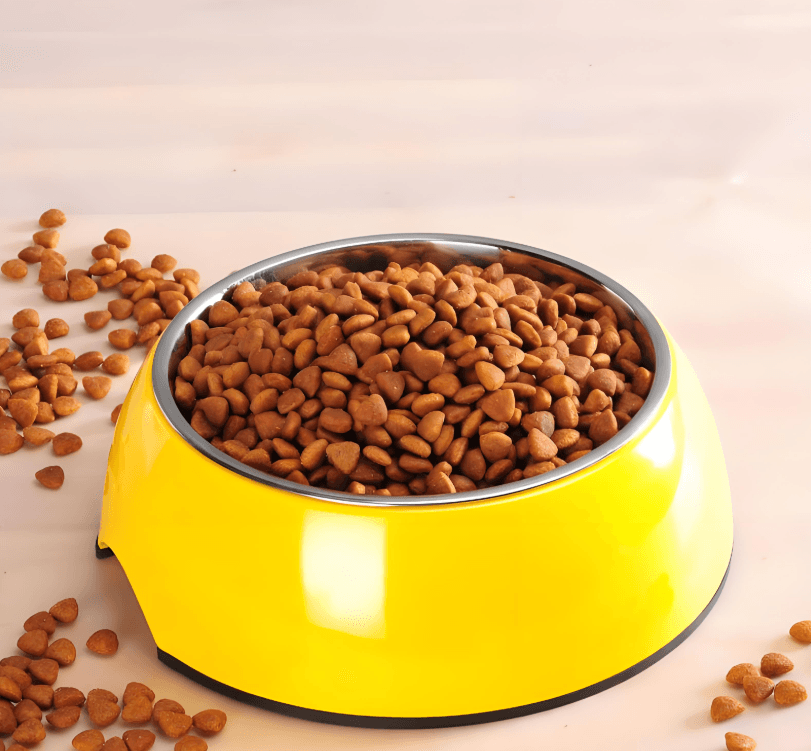
Fish feed is not merely a cost; it is the engine of production. It represents the largest operational expense for most aquaculture operations, often accounting for 50-70% of total production costs. More importantly, its quality directly dictates the health, growth rate, feed conversion ratio (FCR), and final product quality of the farmed fish. A poorly formulated or manufactured feed can lead to slow growth, increased disease susceptibility, poor flesh quality, and significant environmental pollution from undigested waste.Fish feed making machine
The production of high-performance fish feed is a sophisticated, multidisciplinary science. It merges aquatic nutrition, feed chemistry, process engineering, and quality control. It requires a deep understanding of the specific biological needs of dozens of farmed species, from carnivorous salmon and shrimp to herbivorous tilapia and carp. This article provides an exhaustive examination of the eight fundamental pillars that underpin the successful production of superior aquafeed. These pillars are: 1) Species-Specific Nutritional Formulation; 2) Strategic Ingredient Selection and Sourcing; 3) Advanced Grinding and Micro-Ingredient Dispersion; 4) The Art and Science of Extrusion; 5) Precision Post-Extrusion Processing: Drying, Coating, and Cooling; 6) Uncompromising Quality Assurance and Safety Protocols; 7) The Imperative of Sustainability and Alternative Ingredients; and 8) Practical Feed Management and End-User Support.
Pillar 1: Species-Specific Nutritional Formulation
The foundation of excellent fish feed is a scientifically sound formula tailored to the precise physiological needs of the target species. Unlike terrestrial livestock, fish are poikilothermic (cold-blooded), live in a buoyant environment, and have a vast diversity of natural feeding habits. A “one-size-fits-all” approach is a recipe for failure.Fish feed making machine
1.1 Understanding Nutrient Requirements by Species
The nutritional blueprint for a feed must be built upon species-specific requirement data, established through years of scientific research.
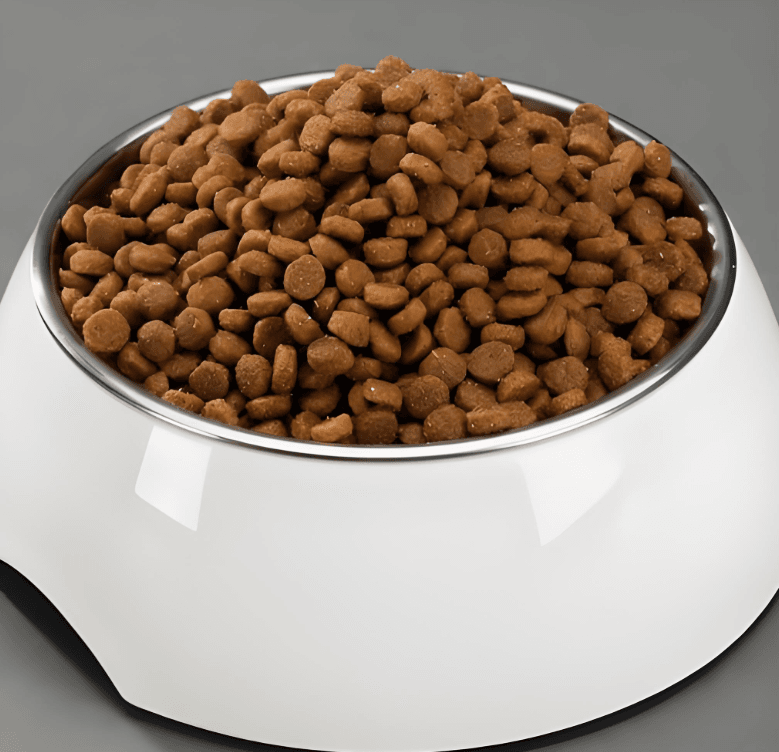
- Carnivores vs. Herbivores/Omnivores: This is the most fundamental distinction.
- Carnivorous Fish (e.g., Salmon, Trout, Seabass, Seabream, Shrimp): Require high levels of dietary protein (35-50%) and energy, with a significant portion coming from lipids (fats). They have a limited ability to utilize carbohydrates effectively. Their amino acid profile must closely mimic that of their natural prey (other fish and crustaceans).
- Herbivorous/Omnivorous Fish (e.g., Tilapia, Carp, Catfish): Can thrive on lower protein levels (25-35%) and are more efficient at utilizing carbohydrates as an energy source. Their formulations can incorporate higher levels of plant-based ingredients.
- Protein and Amino Acids: Protein is the most expensive macronutrient. The goal is not just to meet the crude protein percentage but to ensure a balanced amino acid profile. The ten essential amino acids (e.g., lysine, methionine, threonine) must be present in the correct proportions. Lysine is often the first limiting amino acid in plant-based diets. Crystalline amino acids are frequently added to correct deficiencies.
- Lipids and Fatty Acids: Fats are a dense energy source and carriers for fat-soluble vitamins. More critically, they provide essential fatty acids (EFAs). For marine fish, this includes long-chain polyunsaturated fatty acids (LC-PUFAs) like EPA (eicosapentaenoic acid) and DHA (docosahexaenoic acid), which are crucial for growth, neural development, and stress resistance. While marine fish oil is a rich source, sustainability concerns are driving the use of alternative oils, which must be carefully balanced to maintain EFA levels.
- Carbohydrates: Fish have a limited ability to digest complex carbohydrates. However, a small amount of digestible starch is beneficial in extruded feeds as it aids in the gelatinization process, which binds the pellet and improves water stability. Excessive levels can lead to reduced feed efficiency and liver problems.
- Vitamins and Minerals: Pre-mixed vitamin and mineral packages are essential to prevent deficiency diseases. Vitamin C is particularly critical for collagen formation and immune function, but it is highly unstable; therefore, stable forms like phosphorylated or encapsulated Vitamin C are used. Phosphorus availability is a major concern, as much of the phosphorus in plant ingredients is in the form of phytate, which is poorly utilized by fish. The enzyme phytase is often added to release this bound phosphorus, improving nutrition and reducing aquatic pollution.
1.2 Life Stage and Environmental Formulation
- Larval Feeds (Starter Feeds): These are the most challenging to produce. Larvae have tiny digestive systems and require feeds that are highly digestible, palatable, and water-stable. They often involve live feeds (e.g., rotifers, artemia) or complex micro-diets with particle sizes measured in microns.
- Grow-Out Feeds: Formulated for maximum growth and feed efficiency. Energy and protein levels are optimized for the specific farming conditions (e.g., water temperature).
- Broodstock Feeds: Specially designed to enhance reproductive performance, gamete quality, and larval viability. These feeds are often enriched with higher levels of specific nutrients like Vitamin E, selenium, and LC-PUFAs.
Pillar 2: Strategic Ingredient Selection and Sourcing
The nutritional formula is only as good as the ingredients used to create it. The quality, digestibility, and sustainability of raw materials are paramount.Fish feed making machine
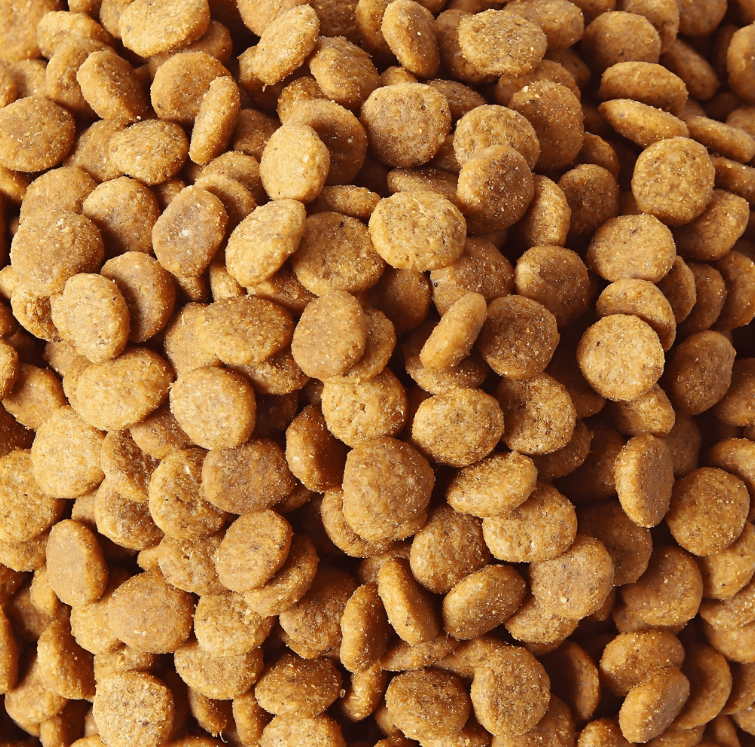
2.1 The Fish Meal and Fish Oil Dilemma
For decades, the cornerstone of aquafeeds for carnivorous species has been fish meal and fish oil, derived from small, wild-caught pelagic fish (e.g., anchovy, sardine, menhaden). They provide an excellent, balanced source of protein, energy, and essential fatty acids.
- The Sustainability Challenge: The reliance on these finite marine resources is the primary environmental criticism of aquaculture. Overfishing of these reduction fisheries is a major concern.
- Strategic Use: Best practices now dictate using fish meal and fish oil as strategic, limited ingredients—a “condiment” rather than the main component—to supply critical EAAs and EFAs, while the bulk of the diet comes from alternative ingredients.
2.2 The Rise of Alternative Proteins and Oils
A significant focus of modern aquafeed development is finding sustainable alternatives.
- Plant-Based Ingredients: Soybean meal, corn gluten meal, rapeseed meal, and wheat gluten are now staples. However, they present challenges:
- Amino Acid Imbalance: They are deficient in key essential amino acids like methionine and lysine.
- Antinutritional Factors (ANFs): Compounds like phytate, trypsin inhibitors, and saponins can interfere with digestion and nutrient absorption. Processing (e.g., toasting) and enzyme supplementation (e.g., phytase) are used to mitigate these effects.
- Palatability: Some plant ingredients can be less palatable to carnivorous fish.
- Novel Ingredients: The search for sustainable proteins has led to innovative sources:
- Single-Cell Proteins: Derived from bacteria, yeast, or microalgae. They offer a high-protein, low-land-use alternative.
- Insect Meal: Produced from black soldier fly larvae or mealworms, it is a promising protein source with a good amino acid profile. Regulatory approval is expanding.
- Algal Oils: Oil extracted from specific marine microalgae is now a commercially viable, sustainable source of DHA and EPA, allowing for the creation of feeds with zero marine ingredients.
- Binders: Ingredients like wheat gluten, guar gum, and lignin sulfonate are crucial for creating water-stable pellets that do not disintegrate quickly, minimizing nutrient leaching and water pollution.
2.3 Ingredient Quality Control
Rigorous testing of incoming ingredients is non-negotiable. This includes:
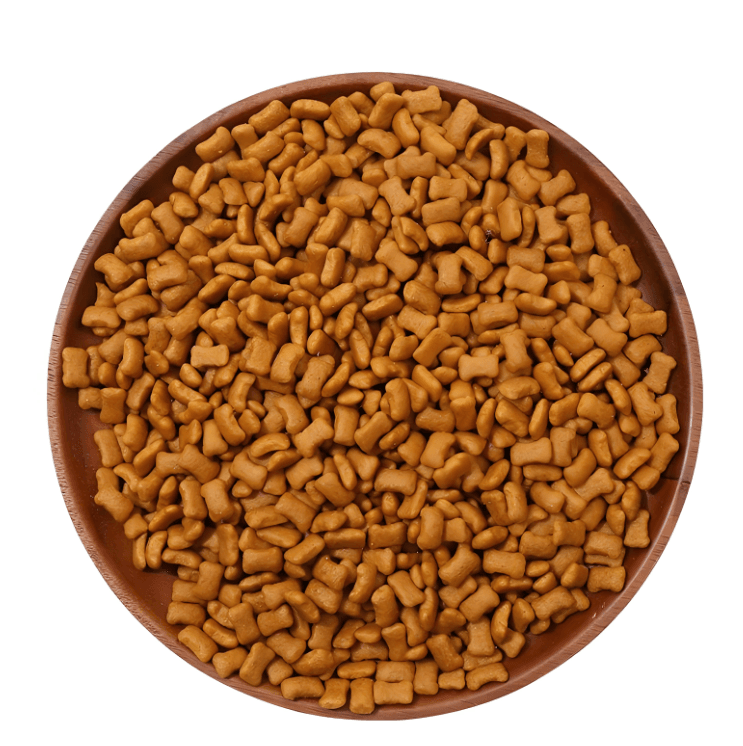
- Proximate Analysis: Testing for protein, lipid, moisture, and ash content.
- Freshness and Rancidity: Measuring peroxide value and anisidine value to ensure oils are not oxidized (rancid).
- Contaminant Screening: Testing for mycotoxins (from moldy grains), heavy metals, and pesticides.
Pillar 3: Advanced Grinding and Micro-Ingredient Dispersion
The physical properties of the ingredient mix are critical for the subsequent extrusion process. The goal is to create a perfectly homogeneous powder with a consistent and fine particle size.Fish feed making machine
3.1 The Importance of Particle Size Reduction
Ingredients are ground using a hammer mill or roller mill.
- Why Grind?
- Homogeneous Mixing: Ensures even distribution of tiny but critical micro-ingredients (vitamins, minerals, amino acids) throughout the batch. A vitamin premix might constitute less than 0.5% of the total formula; without fine grinding, it would be impossible to mix evenly.
- Improved Water Absorption: A finer particle size creates a larger surface area, allowing for more efficient and uniform water and steam penetration during conditioning. This is essential for complete starch gelatinization.
- Extruder Performance: A consistent, fine grind prevents clogging in the extruder and ensures a smooth, consistent flow of material, which is vital for producing pellets of uniform size, density, and texture.
3.2 Precision Mixing
The grinding process is followed by high-speed, precision mixing in large ribbon blenders or paddle mixers. The micro-ingredients are first pre-mixed with a carrier substance (like rice bran) to create a larger, more manageable volume before being added to the major ingredients (meals, grains). Mixing time is critical: under-mixing leads to nutrient hotspots, while over-mixing can cause the separation of ingredients by density.
Pillar 4: The Art and Science of Extrusion
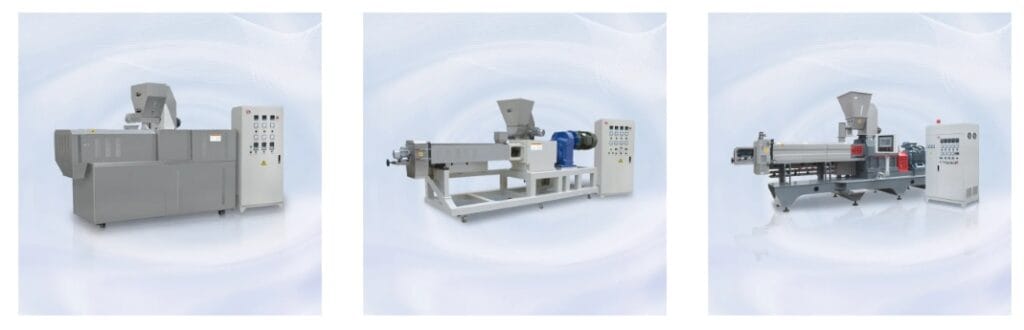
Extrusion is the core technological process that transforms the dry powder mix into a stable, water-resistant pellet. It is a high-temperature, short-time (HTST) cooking process that uses a combination of heat, moisture, pressure, and mechanical shear.Fish feed making machine
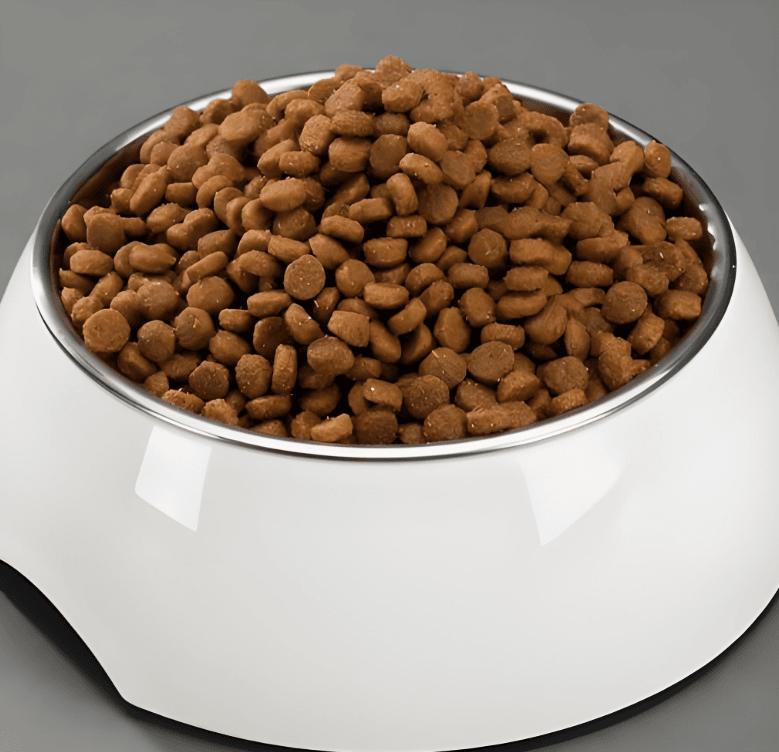
4.1 The Extruder: A Complex Reactor
A twin-screw extruder is the industry standard for high-quality aquafeed. The mixed powder is fed into the barrel, where it is conveyed by intermeshing screws.
- Conditioning: Steam and water are injected into the powder, hydrating it and beginning the cooking process.
- The Cooking Process: As the material moves through the barrel, it is subjected to intense mechanical energy from the rotating screws and external heating. This combination generates high pressure and temperature (typically 120-150°C or 248-302°F).
- Starch Gelatinization: The heat, moisture, and shear cause the starch granules in the recipe to swell, rupture, and lose their crystalline structure. The starch molecules gelatinize, forming a viscous, plasticized dough that acts as a binder.
4.2 The Die and Expansion
The cooked dough is forced under high pressure through a die plate at the end of the extruder barrel. The die has holes that are precision-machined to the desired pellet shape and size (e.g., 2mm, 4mm, 8mm). As the dense, pressurized dough exits the die into the ambient air, the superheated water within it instantly flashes into steam. This rapid expansion “puffs” the pellet, creating a porous, floating, or sinking pellet depending on the density.
- Controlling Density (Sinkability): This is a critical feature. The density of the pellet is controlled by:
- Recipe: The amount of starch (for expansion) and oil (which inhibits expansion).
- Extrusion Parameters: Screw speed, water/steam injection rates, and die pressure. Increasing mechanical energy and steam generally creates more expansion and a lighter, floating pellet. Reducing expansion creates a denser, sinking pellet required for species like shrimp and marine finfish that feed on the bottom.
4.3 Cutting
Immediately outside the die face, a rotating knife cuts the extruded strands into pellets of precise length.
Pillar 5: Precision Post-Extrusion Processing: Drying, Coating, and Cooling
The pellets exiting the extruder are cooked but soft, moist, and fragile. They must undergo several finishing steps to become shelf-stable.
5.1 Drying
The expanded pellets, with a moisture content of around 20-25%, are conveyed through a multi-stage, continuous dryer. Hot, dry air circulates over the pellets, reducing the moisture content to typically 8-10%.
- Purpose: This low moisture level is essential for shelf stability, preventing mold growth and chemical degradation. It also creates the hard, durable texture of the final pellet.
- Precision Control: The temperature and drying time must be carefully controlled. Over-drying can make pellets brittle and damage heat-sensitive nutrients, while under-drying risks spoilage.
5.2 Fat Coating (Vacuum or Atmospheric)
After drying, the porous structure of the pellet is ideal for absorbing liquids. This is the stage where most of the dietary oil is added.
- Vacuum Coating (The Gold Standard): The dried, hot pellets are transferred to a sealed vessel where a vacuum is drawn. This vacuum pulls the air out of the pores of the pellets. The liquid oil (and often fat-soluble vitamins and pigments) is then introduced. When the vacuum is released, the pressure differential forces the oil deep into the pellet’s core.
- Advantages of Vacuum Coating:
- Reduced Leaching: Oil locked inside the pellet is less likely to leach into the water.
- Higher Oil Retention: Allows for a higher fat content in the final feed (often >25%).
- Better Stability: Protects the oil from rapid oxidation.
- Atmospheric Coating: A simpler process where oil is sprayed onto tumbling pellets in an open drum. It is less effective at high oil levels and leads to more leaching.
5.3 Cooling
The pellets are warm after drying and coating. They must be cooled to near ambient temperature using a cooler with ambient air flow. Cooling prevents condensation inside the storage bags, which would lead to mold growth and caking.
Pillar 6: Uncompromising Quality Assurance and Safety Protocols
Quality must be built into every step of the process, from raw material to finished product. A robust Quality Assurance/Quality Control (QA/QC) system is essential.
6.1 In-Process Controls
Critical control points are monitored continuously:
- Grinding: Particle size analysis.
- Mixing: Homogeneity checks.
- Extrusion: Monitoring temperature, pressure, and motor load.
- Drying: Monitoring moisture content and temperature.
6.2 Finished Product Testing
Every batch of feed is tested before release. Key tests include:
- Physical Quality:
- Pellet Durability Index (PDI): Measures the resistance of pellets to breakage during handling and transport. A high PDI (>95%) is crucial to minimize fines (dust), which are wasted and pollute the water.
- Water Stability: Measures how long a pellet maintains its integrity in water. This is especially critical for slow-feeding species like shrimp.
- Nutritional Analysis: Verifying that the feed meets the guaranteed analysis for protein, fat, fiber, and moisture.
- Microbiological Safety: Testing for pathogens like Salmonella.
- Shelf-Life Stability: Monitoring for oxidative rancidity over time.
6.3 HACCP (Hazard Analysis Critical Control Point)
A formal HACCP plan is implemented to identify, evaluate, and control food safety hazards. This systematic approach is vital for preventing contamination and ensuring a safe product.
Pillar 7: The Imperative of Sustainability and Alternative Ingredients
The future of aquaculture depends on reducing its environmental footprint, and feed is the primary lever.
7.1 Key Metrics: Fish In: Fish Out (FIFO) Ratio
The FIFO ratio measures the amount of wild fish used in the feed to produce a unit of farmed fish. Through the strategic use of alternative ingredients, the FIFO ratios for species like salmon have dropped dramatically, from over 4:1 in the 1990s to below 1:1 today, meaning it now takes less than a kilogram of wild fish to produce a kilogram of farmed salmon.
7.2 Life Cycle Assessment (LCA)
Forward-thinking feed companies use LCA to quantify the full environmental impact of their products, including carbon footprint, water usage, and land use, driving continuous improvement.
7.3 Traceability and Certification
Consumers and retailers increasingly demand sustainably produced seafood. Certifications like the Aquaculture Stewardship Council (ASC) and Best Aquaculture Practices (BAP) include strict standards for feed ingredients, pushing the industry toward greater transparency and responsibility.

Pillar 8: Practical Feed Management and End-User Support
The best feed can perform poorly if not used correctly. Leading feed manufacturers provide farmers with critical support.
8.1 Feeding Guides and FCR Optimization
Providing detailed feeding tables based on fish size and water temperature helps farmers avoid under-feeding (reducing growth) or over-feeding (increasing costs and pollution).
8.2 Storage Advice
Educating farmers on proper storage conditions—cool, dry, ventilated, and pest-free—is essential to maintain feed quality until use.Fish feed making machine
The production of high-quality fish feed is a complex but masterable symphony of science, engineering, and ethics. It requires a holistic approach that integrates precise species-specific nutrition, strategic sourcing of sustainable ingredients, state-of-the-art extrusion technology, and unwavering quality control. By excelling in these eight pillars, the aquafeed industry does more than just produce a commodity; it becomes the cornerstone of a sustainable Blue Revolution, enabling the world to meet its growing demand for healthy protein while protecting the health of our oceans and planet. The continuous innovation in this field promises even more efficient and environmentally friendly feeds in the years to come.
Leave A Comment