
Panko vs. American Breadcrumbs: A Deep Dive into the Science, Culture, and Culinary Art of Crumb
Abstract
In the culinary world, few ingredients appear as superficially similar yet are as fundamentally different as Japanese Panko and American-style breadcrumbs. Both are derived from bread, both are used to create crispy coatings, and both occupy space on supermarket shelves worldwide. However, to conflate them is to overlook a vast chasm of difference in origin, production, physical structure, culinary function, and philosophical approach to food. This article provides an exhaustive, multi-faceted comparison of these two pantry staples. We will explore their unique historical and cultural origins, deconstruct the science behind their manufacturing processes, and analyze how these processes dictate their textural and behavioral characteristics. Bread crumbs making machine A thorough examination of their applications in frying, baking, and binding will be presented, supported by practical culinary guidance and empirical evidence. Furthermore, we will investigate the economic and industrial contexts of their production, their nutritional profiles, and their evolving roles in global fusion cuisine. By the end of this analysis, it will be unequivocally clear that Panko and American breadcrumbs are not interchangeable ingredients but specialized tools, each designed for a specific culinary purpose and aesthetic.
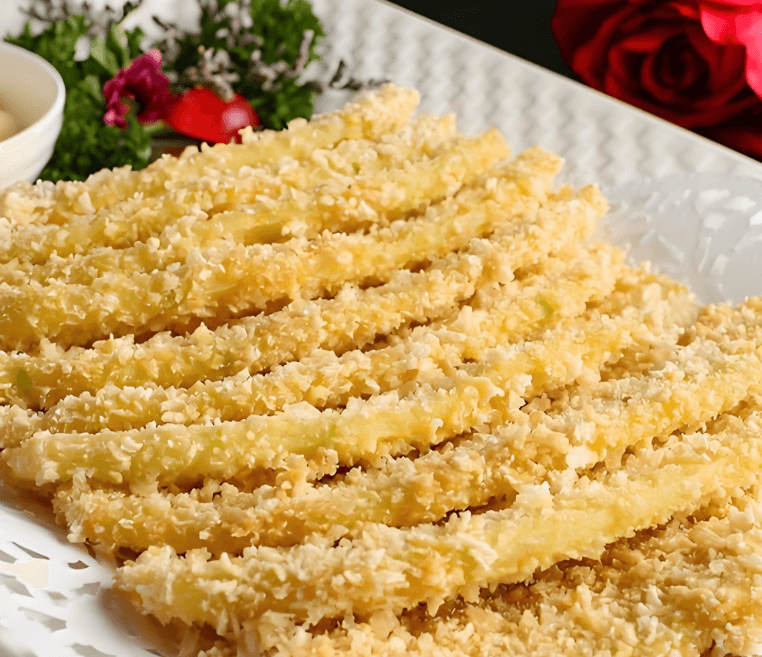
Table of Contents
- Introduction: Beyond the Crumb – Two Philosophies of Crispness
- Historical and Cultural Roots: A Tale of Two Bread Histories
- 2.1. The American Story: Thrift, Industry, and Standardization
- 2.2. The Japanese Story: Adaptation, Precision, and Umami
- The Science of Production: How Manufacturing Defines Character
- 3.1. The American Method: Baking, Drying, and Grinding
- 3.2. The Panko Method: Electrolysis, Crustlessness, and Shredding
- Anatomy of a Crumb: A Structural and Sensory Analysis
- 4.1. Physical Morphology: Flakes vs. Granules
- 4.2. The Frying Experiment: Oil Absorption and Crispness Retention
- 4.3. Sensory Profile: Mouthfeel, Color, and Flavor
- The Culinary Divide: Application-Based Comparative Analysis
- 5.1. The Frying Domain: Tonkatsu vs. Chicken Tender
- 5.2. The Baking Domain: Casserole Toppings and Gratins
- 5.3. The Binding Domain: Meatballs, Meatloaf, and Stuffing
- Nutritional and Economic Considerations
- Globalization and Fusion: The Cross-Pollination of Crumb
- Practical Guide: Selection, Substitution, and Storage
- Conclusion: Embracing the Difference – Choosing the Right Tool for the Job
1. Introduction: Beyond the Crumb – Two Philosophies of Crispness
At first glance, a container of Panko and a canister of American breadcrumbs serve the same purpose: to add a crispy, browned exterior to food. Yet, any chef or discerning home cook who has used both knows that the experience and the result are worlds apart. The choice between them is not merely a matter of preference; it is a conscious decision about the desired textural outcome, the culinary tradition being honored, and the very eating experience one wishes to create.Bread crumbs making machine
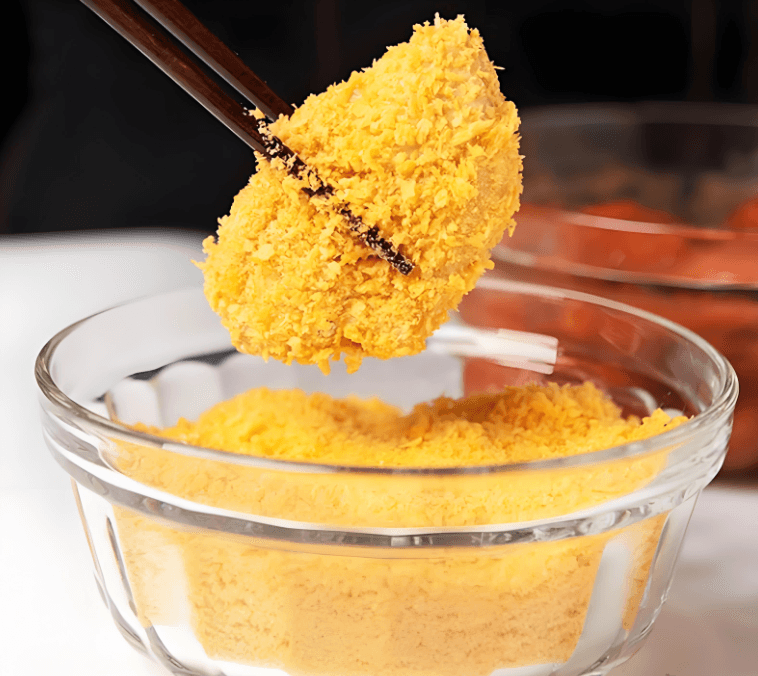
American breadcrumbs, typically fine, uniform, and sandy, represent a philosophy of utility and uniformity. They are a product of industrial efficiency, designed to provide a consistent, all-purpose coating that is sturdy, familiar, and reliable. Bread crumbs making machine Their history is rooted in frugality and the need to preserve food, evolving into a standardized kitchen staple.
Japanese Panko, with its iconic shard-like, snow-white flakes, embodies a philosophy of precision and textural artistry. It is the result of a specific technological innovation aimed at achieving a particular aesthetic and sensory ideal: a coating that is exceptionally light, airy, and crisp, with a dramatic visual appeal and a delicate mouthfeel that does not overwhelm the main ingredient. Its development is tied to Japan’s unique culinary history with bread and its world-renowned pursuit of perfection in frying techniques.Bread crumbs making machine
This article will dissect these two ingredients from every conceivable angle, demonstrating that their differences are not accidental but are baked into their very DNA.
2. Historical and Cultural Roots: A Tale of Two Bread Histories
2.1. The American Story: Thrift, Industry, and Standardization
The story of American breadcrumbs is inextricably linked to the history of bread itself in the Western world. For centuries, across Europe and later America, wasting food was anathema. Stale bread was never thrown away; it was repurposed. It was grated or ground into “raspings” or “gratings” to be used as a thickener for soups and sauces, a binder for stuffings and forcemeats, and a simple coating for fried foods.
The industrial revolution and the rise of commercial baking in the late 19th and early 20th centuries formalized this practice. Large bakeries, producing millions of loaves of standardized white bread, found themselves with a byproduct: bread heels, misshapen loaves, and unsold stock. Rather than discard it, they began systematically drying and grinding this bread into a uniform product. This was the birth of the modern American breadcrumb industry—a story of thrift scaled up to an industrial level.Bread crumbs making machine
Brands like Progresso and Gillian’s emerged, selling fine, dry breadcrumbs in cardboard canisters. They became a pantry staple, a symbol of mid-century American convenience cooking. Their purpose was utilitarian: to preserve food, to extend meat, and to provide a simple, crispy coating. The flavor was neutral, the texture consistent, and the application broad. This history explains the American breadcrumb’s fundamental nature: it is a generalist, a tool for everyday use.
2.2. The Japanese Story: Adaptation, Precision, and Umami
Japan’s relationship with bread (pan) is surprisingly long, beginning with the arrival of Portuguese missionaries and traders in the 16th century. However, it was not a dietary staple until the post-World War II era, when American influence and wheat imports made it more common. Yet, Japan did not simply adopt Western foodways; it adapted and refined them through its own culinary lens, a process known as yōshoku.Bread crumbs making machine
The development of Panko is a prime example of this. While Western-style breadcrumbs were known in Japan, they were not ideal for the delicate frying techniques perfected in dishes like tonkatsu (breaded pork cutlet) and ebi furai (fried prawn). Japanese chefs sought a coating that was lighter, crispier, and less oily than the dense, sometimes greasy crust provided by traditional breadcrumbs.

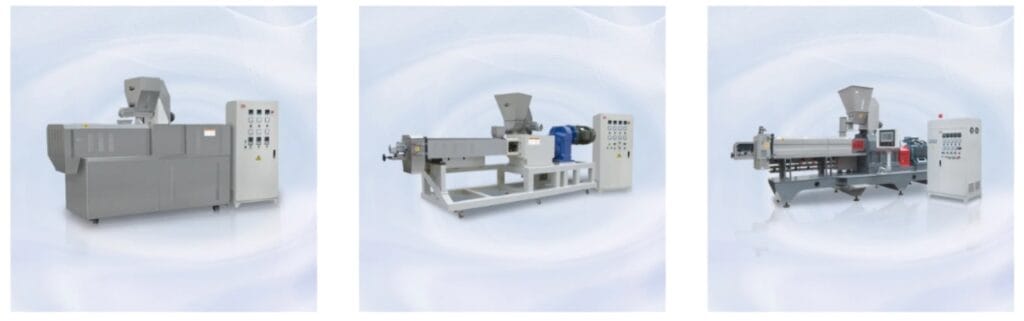
The key innovation came in the manufacturing process. Instead of baking bread in an oven, Japanese producers began using a method called electrical resistance baking. The bread dough is placed between two metal electrodes, and an electric current is passed through it. This cooks the bread from the inside out, resulting in a loaf with an exceptionally soft, airy, and uniform texture—and, crucially, no crust.
This crustless, airy bread is then processed not by grinding or milling, but by shredding it on large graters. This technique tears the soft bread into large, flaky, shard-like pieces, preserving its open cellular structure. The result was a revolution in fried food: a coating that was dramatically lighter, crispier, and more absorbent of sauces without becoming soggy. Panko wasn’t born from thrift; it was born from a deliberate pursuit of a superior textural experience, aligning with the Japanese culinary values of highlighting quality ingredients and achieving perfect technique.
3. The Science of Production: How Manufacturing Defines Character
The core differences between these two breadcrumbs are dictated entirely by their production methods.
3.1. The American Method: Baking, Drying, and Grinding
- Baking: Standard American bread is baked in a conventional oven. Heat is applied externally, causing the outside (the crust) to bake, harden, and brown first (via the Maillard reaction) while the inside catches up. This creates a loaf with a distinct, dense, flavorful crust and a softer, but still relatively dense, crumb.
- Inclusion of Crust: For most commercial American breadcrumbs, the entire loaf is used—crumb and crust together. The crust, being already hardened and caramelized, grinds into darker, denser particles.
- Drying: The baked bread is then thoroughly dried in large ovens until all moisture is removed and it is rock-hard.
- Grinding/Milling: The desiccated bread is then fed through industrial mills or grinders that crush it into fine, granular particles. It is often sifted to achieve a uniform, sandy consistency.
Result: A fine, dense, fairly homogeneous powder with particles of varying darkness (from the crumb and crust) and a compact structure.
3.2. The Panko Method: Electrolysis, Crustlessness, and Shredding
- Electrical Resistance Baking: This is the most critical differentiator. The dough is cooked by an electrical current, causing it to rise rapidly and evenly without the intense, direct heat of an oven. This results in a loaf that is:
- Crustless: There is no hardened, browned outer layer.
- Uniformly White: The lack of external heat means minimal Maillard browning occurs.
- Exceptionally Airy: The rapid rise creates a very open, fluffy cell structure with thin cell walls.
- Shredding: While still slightly soft, the loaf is passed over sharp, rotating blades that tear and shred the bread into flakes and slivers. This process preserves the airy architecture of the bread.
- Drying: The shreds are then dried. Because they are fine and have a high surface area, they dry quickly, locking in their flaky, light structure.
Result: Large, flaky, irregular pieces with a sharp, jagged geometry and a bright white color. Their structure is open and porous, yet their thin walls are rigid.
4. Anatomy of a Crumb: A Structural and Sensory Analysis
4.1. Physical Morphology: Flakes vs. Granules
- American Breadcrumbs: Imagine a pile of sand or fine gravel. The particles are small, rounded, and dense. They pack together tightly, forming a continuous, solid layer when pressed onto food. This structure has few air pockets.
- Panko: Imagine a pile of shattered glass or delicate snowflakes. The particles are large, flat, and jagged. They stack on top of each other loosely, creating a layer filled with air gaps and irregular surfaces.
4.2. The Frying Experiment: Oil Absorption and Crispness Retention
This structural difference dictates their behavior in hot oil, which is governed by the principles of surface area and porosity.
- American Breadcrumbs: Their small, granular shape gives them a high surface-area-to-volume ratio. Think of a single, fine grain—it has a lot of external surface area relative to its tiny internal volume. When fried, this vast surface area eagerly absorbs oil. Furthermore, their dense structure allows oil to penetrate deeply. The result is a coating that can become quite greasy if not careful. The coating is hard and very crunchy, but can also be heavy.
- Panko: Their large, flaky shape gives them a low surface-area-to-volume ratio. Each flake has less external surface area relative to its larger internal volume. More importantly, their rigid, porous structure creates tiny “air pockets.” During frying, oil crisps the outside of the flakes and enters the pores, but the overall oil absorption is significantly lower. The result is a remarkably light, dry, and non-greasy crispness. The jagged edges also create more surface for browning, leading to a delicate, shattering crispness rather than a hard crunch.
4.3. Sensory Profile: Mouthfeel, Color, and Flavor
- Mouthfeel: American breadcrumbs provide a hard, dense, crunchy sensation. You feel a solid resistance when you bite into it. Panko provides a light, airy, crispy sensation. It offers initial resistance but then almost dissolves into a delicate crunch with no heaviness.
- Color: American breadcrumbs fry to a uniform, deep golden brown due to the pre-existing caramelization in the crust particles. Panko fries to a lighter, paler gold with dramatic light and dark highlights due to its irregular shape.
- Flavor: American breadcrumbs have a neutral, toasty, wheaty flavor. Panko is even more neutral, acting almost as a pure textural vehicle, allowing the flavor of the coated ingredient and the sauce to shine without adding its own pronounced toastiness.
5. The Culinary Divide: Application-Based Comparative Analysis
5.1. The Frying Domain: Tonkatsu vs. Chicken Tender
- Panko is the undisputed champion for deep-frying. Its low oil absorption and airy structure are ideal for foods that require a long cooking time or where a non-greasy, dramatic crunch is desired. It is the only choice for:
- Tonkatsu: The coating stays crisp even under a rich, savory sauce.
- Ebi Furai (Fried Prawn): The light coating doesn’t overwhelm the delicate seafood.
- Karaage: While often potato-starch based, some versions use Panko for an extra-crispy variant.
- Modern Fusion: Used by chefs worldwide for frying everything from avocado to mozzarella sticks for a superior, lighter result.
- American Breadcrumbs excel for shallow-frying and pan-frying where a sturdier, more protective coating is needed. They form a solid, continuous barrier that can withstand being moved in a pan. They are ideal for:
- Chicken Cutlets/Parmesan: The dense coating adheres well and stands up to being baked with cheese and sauce.
- Breaded Fish Fillets: Provides a familiar, hearty crunch.
- Crab Cakes: Their finer texture helps bind the delicate meat together while providing a classic pan-fried crispness.
5.2. The Baking Domain: Casserole Toppings and Gratins
- Panko creates a light, flaky, and delicate topping that adds textural contrast without forming a heavy seal. It’s perfect for topping macaroni and cheese, seafood gratins, or baked vegetables where you want a crisp accent, not a thick crust.
- American Breadcrumbs create a dense, crunchy, and uniform topping that can form a solid, savory crust. They are traditional for baked pasta dishes and casseroles where a more substantial, browned topping is desired. Tossing them with melted butter before baking is crucial to prevent a dry, powdery result.
5.3. The Binding Domain: Meatballs, Meatloaf, and Stuffing
- American Breadcrumbs are the classic choice for binding. Their fine, absorbent particles act as a “sponge,” soaking up moisture and fat from the meat, which prevents the final product from becoming tough. They create a dense, cohesive texture.
- Panko can be used as a binder, but it will yield a lighter, more tender, and slightly looser texture. The larger flakes don’t absorb moisture as uniformly, which can be desirable for a more delicate meatball or stuffin
6. Nutritional and Economic Considerations
Due to its significantly lower oil absorption during frying, food coated in Panko is generally lower in fat and calories than the same food coated in American breadcrumbs and deep-fried. This is its primary nutritional advantage.
Economically, Panko is often more expensive due to its specialized production process. American breadcrumbs benefit from the economies of scale of the massive commercial bread industry.
7. Globalization and Fusion: The Cross-Pollination of Crumb
The global availability of Panko has revolutionized Western cooking. Chefs and home cooks now have a choice. It is no longer uncommon to see Panko used on everything from fried green tomatoes to onion rings in American restaurants, elevating them with its lighter texture. Conversely, American breadcrumbs remain a comfort food staple, their familiar crunch deeply embedded in culinary tradition.
8. Practical Guide: Selection, Substitution, and Storage
- Selection: Choose based on your desired outcome. Want light, airy, and ultra-crispy? Choose Panko. Want a hearty, dense, and familiar crunch? Choose American-style.
- Substitution: They are not perfect substitutes. If you must substitute, use the same volume (e.g., 1 cup Panko = 1 cup American crumbs), but be aware the texture will be different. For a closer approximation of Panko’s texture, crush unsweetened cornflakes.
- Storage: Both should be stored in a cool, dry place in an airtight container. Their low moisture content makes them shelf-stable, but they can eventually go rancid. Panko’s larger surface area can make it more susceptible to absorbing ambient odors.
9. Conclusion: Embracing the Difference – Choosing the Right Tool for the Job
The difference between Japanese Panko and American breadcrumbs is a profound lesson in how ingredient design dictates culinary outcome. One is not inherently “better” than the other; they are masterfully designed for different purposes.
American breadcrumbs are the reliable workhorse: sturdy, familiar, and utilitarian. They are the tool for creating a solid, hearty crunch, for binding meatloaf, and for topping a casserole with a satisfying, toasted crust. They are the taste of home and tradition.
Japanese Panko is the precision instrument: engineered, specialized, and transformative. It is the tool for achieving an ethereal, delicate crispness that highlights rather than hides the ingredient within. It is the taste of technical mastery and textural artistry.
Understanding this distinction empowers the cook to move beyond recipe指令 and into the realm of culinary intention. The choice of crumb becomes a conscious decision in crafting the final eating experience. By respecting their unique identities and applications, we can honor both the comfort of tradition and the pursuit of perfection on the plate.
Leave A Comment