
Breadcrumbs: A Comprehensive Guide to the Culinary Cornerstone of Crispness
Abstract
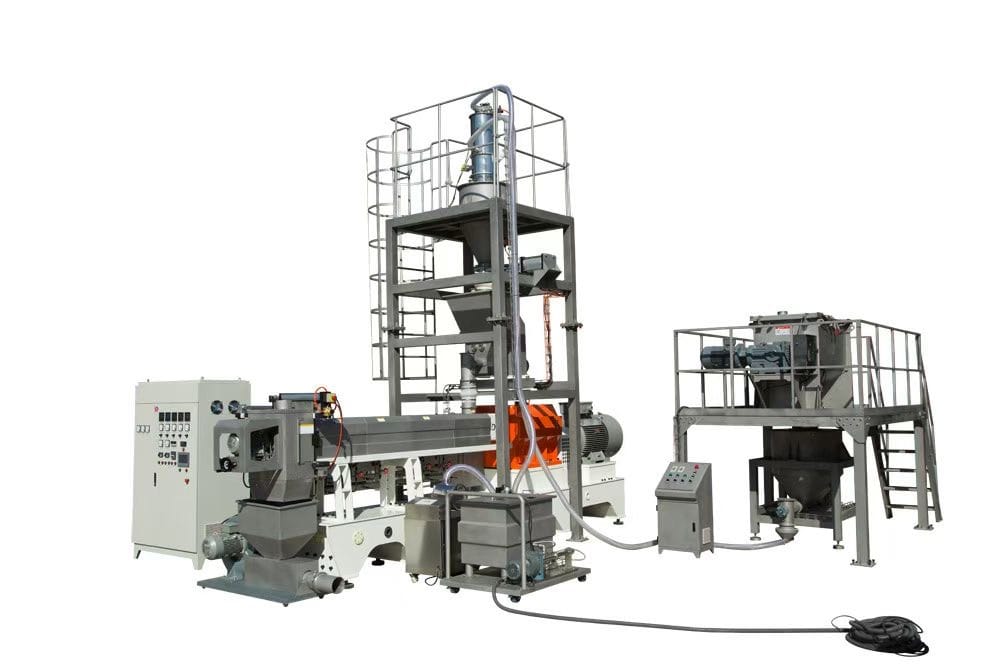
Breadcrumbs, an seemingly humble and oft-overlooked pantry staple, represent one of the most fundamental and transformative ingredients in the global culinary repertoire. Far more than just a means to utilize stale bread, breadcrumbs have evolved into a diverse category of products, each with unique properties, origins, and applications. This article provides an exhaustive examination of breadcrumbs, delving into their historical origins, the science behind their culinary function, and a detailed taxonomy of their varieties—from the ethereal Panko of Japan to the seasoned Italian Pangrattato. We will explore their production methods, their critical role in creating texture through techniques like frying and baking, and their surprising versatility as a binder, topping, and thickener. Furthermore, this guide will cover selection criteria, storage best practices, and innovative uses in modern cuisine, positioning the breadcrumb not as a mere afterthought, but as an essential, dynamic component in the art and science of cooking.bread crumbs making machine
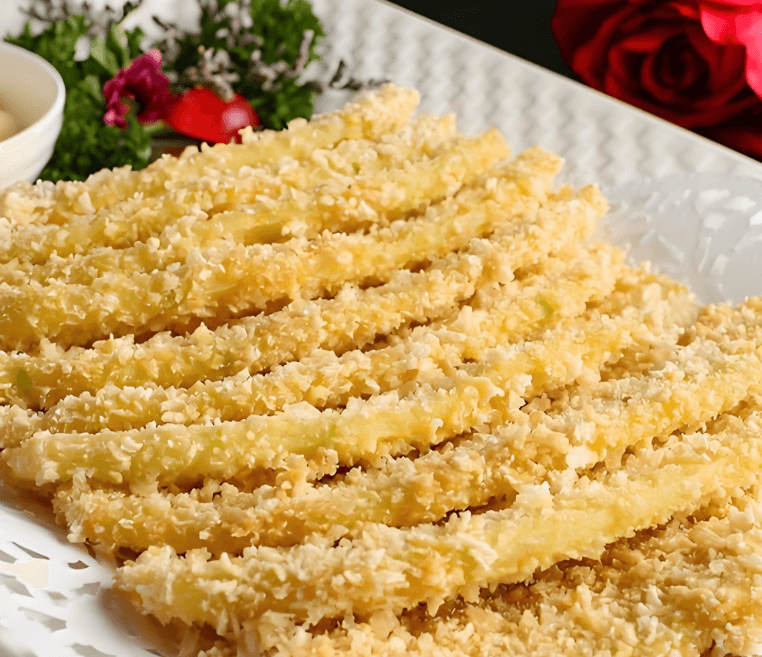
Table of Contents
- Introduction: Beyond the Crumb – Defining a Culinary Workhorse
- A Brief History of Breadcrumbs: From Ancient Preservation to Modern Kitchen
- The Science of Crispness: How Breadcrumbs Work Their Magic
- The Breadcrumb Taxonomy: A Detailed Classification of Types
4.1. Standard / Traditional Breadcrumbs
4.2. Panko (Japanese Breadcrumbs)
4.3. Fresh Breadcrumbs
4.4. Dry Breadcrumbs
4.5. Homemade vs. Industrial Production
4.6. Seasoned & Flavored Breadcrumbs
4.7. Regional & Cultural Variations
4.8. Alternative & Special Diet Breadcrumbs - The Anatomy of Application: Techniques for Using Breadcrumbs
5.1. The Breading Procedure: Flour, Egg, Crumb
5.2. Baking and Air Frying with Breadcrumbs
5.3. Breadcrumbs as a Binding Agent
5.4. Breadcrumbs as a Topping: The Gratin Effect
5.5. Breadcrumbs as a Thickener and Extender - Selecting, Storing, and Substituting Breadcrumbs
- Conclusion: The Enduring Utility of the Breadcrumb
1. Introduction: Beyond the Crumb – Defining a Culinary Workhorse
At its most fundamental level, a breadcrumb is a particle of bread. Yet, this simple definition belies an immense culinary significance. Breadcrumbs are a textural paradox: they are a soft, dry powder that, when subjected to heat and fat, undergo a dramatic metamorphosis into a golden, shatteringly crisp crust. They are the unsung heroes behind the iconic crunch of a perfectly fried chicken cutlet, the irresistible top layer of a baked macaroni and cheese, and the delicate shell of a tender crab cake.bread crumbs making machine
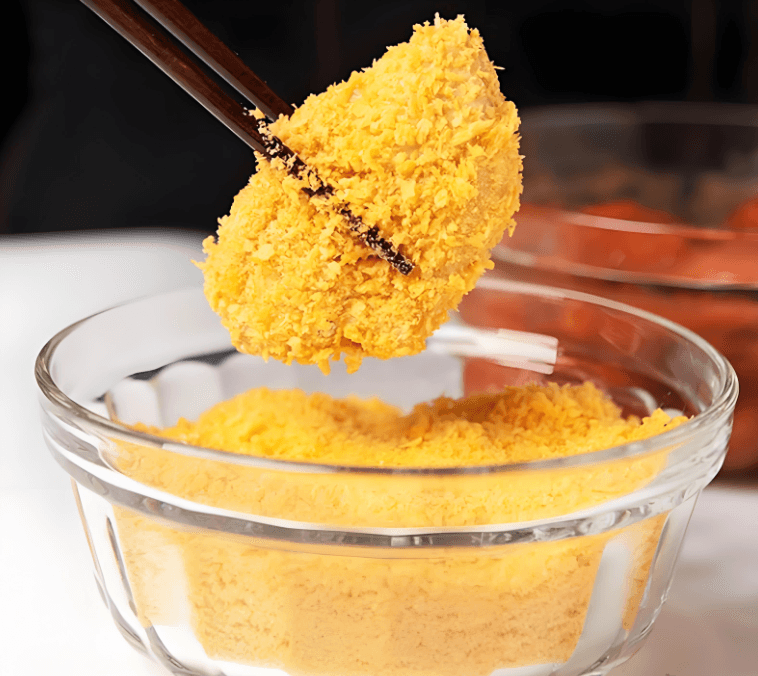
Their utility extends far beyond providing a crispy coating. Breadcrumbs act as a structural agent, absorbing moisture and binding ingredients together in dishes like meatballs, meatloaf, and stuffings. They serve as a flavorful topping, adding texture and visual appeal to casseroles and pasta bakes. They can even be used as a thickener for soups and stews or as a clever topping for pastas instead of cheese.
This article aims to deconstruct the world of breadcrumbs, moving beyond the generic container found on supermarket shelves to explore the vast array of types, each with its own history, characteristics, and ideal uses. Understanding these differences is key to elevating one’s cooking from good to exceptional, allowing the cook to choose the right tool for the right job in the pursuit of perfect texture and flavor.
2. A Brief History of Breadcrumbs: From Ancient Preservation to Modern Kitchen
The invention of breadcrumbs is inextricably linked to the history of bread itself, one of the oldest prepared foods. For millennia, bread has been a dietary staple, but its perishability, particularly before the advent of modern preservatives, posed a constant challenge. Wasting precious food, especially something as fundamental as bread, was unthinkable. Thus, the practice of repurposing stale, dry bread was born.
It is not difficult to imagine ancient cooks grinding or grating hardened loaves into a coarse meal. This product would have been used to thicken pottages and stews, to stretch out more expensive ingredients like meat in stuffings and forcemeats, and perhaps even as a primitive coating for foods cooked over open fires.bread crumbs making machine
In medieval European cuisine, breadcrumbs, often referred to as “gratins” or “raspings,” were a common ingredient. They were used to thicken sauces, create savory puddings, and form a crust on roasted meats. The term “gratin” itself originates from the French verb gratter, meaning “to scrape” or “to grate,” a direct reference to the scrapings of dry bread.
The industrial revolution of the 19th and 20th centuries formalized the production of breadcrumbs. Bakeries began systematically collecting and processing bread heels and unsold loaves, drying and grinding them into a standardized product for sale. This marked the transition of breadcrumbs from a resourceful kitchen-byproduct to a commercially manufactured pantry ingredient. The latter half of the 20th century saw further innovation with the introduction of pre-seasoned varieties, the popularization of Japanese Panko in Western markets, and the recent development of specialized breadcrumbs for gluten-free, low-carb, and other contemporary diets.bread crumbs making machine
3. The Science of Crispness: How Breadcrumbs Work Their Magic
The primary function of breadcrumbs in many applications is to provide a crisp texture. This process is a fascinating interplay of chemistry and physics.
1. The Maillard Reaction and Caramelization: When breadcrumbs are applied to food and cooked, particularly in oil (frying) or in a hot oven with fat (baking), two key chemical reactions occur:
- The Maillard Reaction: This is a reaction between amino acids (from proteins) and reducing sugars present in the breadcrumbs. It produces hundreds of different flavor compounds and is responsible for the complex, savory, roasted flavors and the beautiful brown color of the crust.
- Caramelization: This is the pyrolysis (thermal decomposition) of sugars. It adds sweet, nutty flavors and further contributes to browning.
2. Moisture Removal and Structural Formation: The crispness itself is a result of dehydration. The heat of cooking drives off the residual moisture within the breadcrumbs. The starches and proteins in the bread form a rigid, porous, and dry matrix. This brittle structure is what shatters when we bite into it, creating the sensation of crispness. The type of bread and the size of the crumb affect this structure dramatically. Larger, airier crumbs like Panko create a more delicate, airier crispness, while finer, denser crumbs create a harder, more compact crunch.
3. Fat as a Heat Conductor and Flavor Medium: Fat (oil, butter) plays a dual role. It transmits heat efficiently and evenly to the breadcrumbs, ensuring uniform cooking and browning. Secondly, it is absorbed into the porous structure of the crumbs, carrying fat-soluble flavors and contributing to a rich, satisfying mouthfeel. The amount of fat absorbed is influenced by the crumb’s structure; larger, coarser crumbs tend to absorb less oil than fine crumbs, leading to a lighter, less greasy final product.
4. The Breadcrumb Taxonomy: A Detailed Classification of Types
Not all breadcrumbs are created equal. Their characteristics vary based on the type of bread used, the grinding method, and any additional processing or seasoning. Understanding these categories is essential for culinary success.bread crumbs making machine
4.1. Standard / Traditional Breadcrumbs
These are the fine, sandy, fairly uniform crumbs commonly found in cardboard canisters at the supermarket.
- Origin: Typically made from yeasted wheat bread, often with the crusts included.
- Production: Bread is baked, thoroughly dried, and then ground or milled into fine particles before being sifted to a consistent size.
- Texture: Creates a dense, hard, and uniformly brown crust. Can be slightly gritty.
- Best Uses: Ideal for breading foods that will be pan-fried or baked where a sturdy, consistent coating is desired (e.g., breaded fish fillets, chicken tenders). Excellent as a binder in meatloaf and meatballs, and as a topping for casseroles and baked pasta dishes.
4.2. Panko (Japanese Breadcrumbs)
Panko has revolutionized Western frying techniques with its uniquely light and crisp texture.
- Origin: Japan (pan is borrowed from the Portuguese for “bread,” ko means “flour” or “powder”).
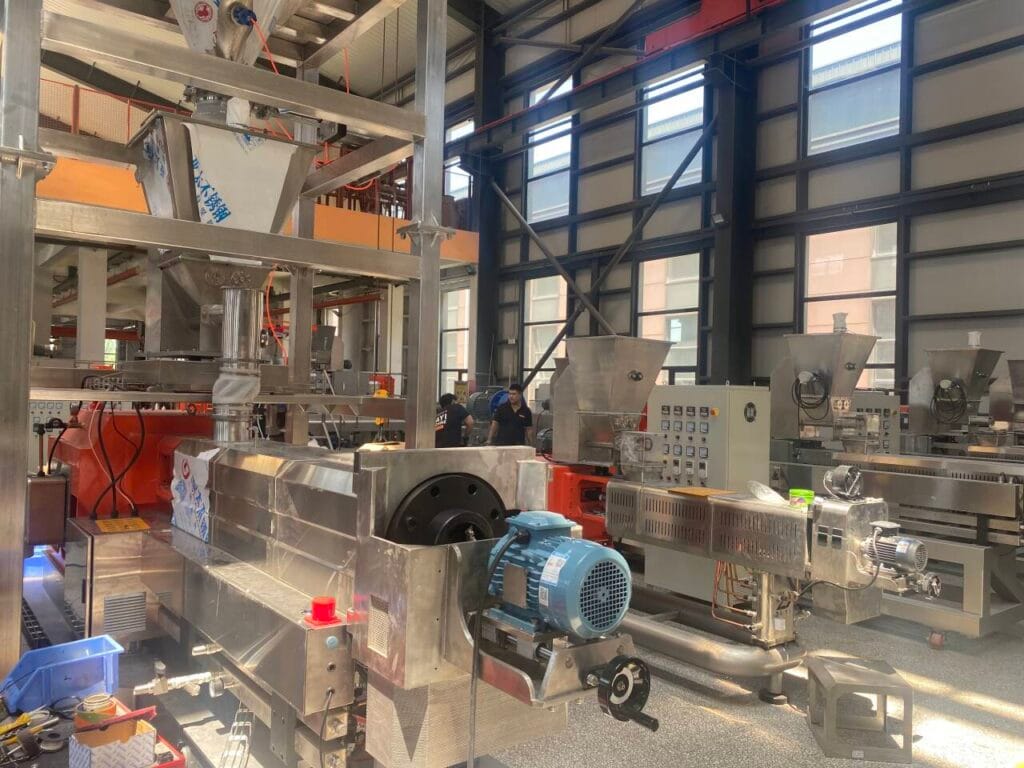
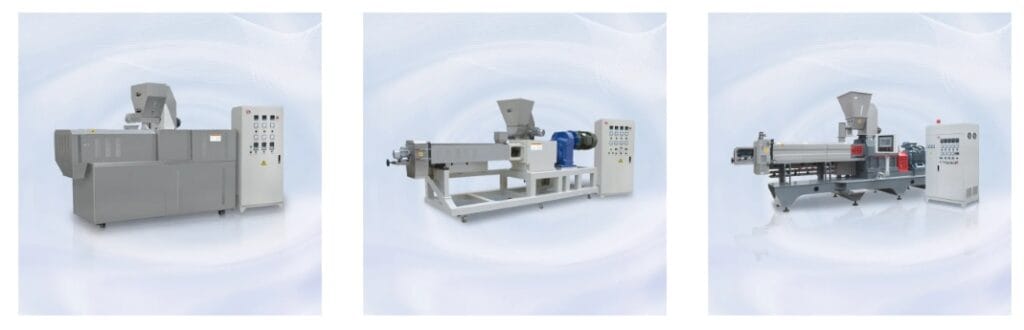
- Production: Made from bread that is baked by passing an electrical current through the dough, resulting in a crustless loaf with a uniform, airy structure. This bread is then coarsely grated into sharp, slivered flakes rather than ground.
- Texture: Large, flaky, airy particles. They absorb less oil than traditional breadcrumbs, resulting in a remarkably light, crisp, and delicate crust that is notably less greasy. The crust is also paler, with a defined shard-like appearance.
- Best Uses: The gold standard for deep-fried foods like tonkatsu (Japanese pork cutlet), tempura (as a component), fried shrimp, and chicken katsu. Also superb for creating an ultra-crispy topping for baked dishes.
4.3. Fresh Breadcrumbs
These are made from fresh, soft bread, often with the crusts removed.bread crumbs making machine
- Production: Simply pulverized in a food processor or grated on a box grater. They are not dried and remain soft and fluffy.
- Texture: Soft, moist, and absorbent. They create a softer, more substantial coating rather than a ultra-crisp one.
- Best Uses: Not ideal for frying as they burn easily and don’t become as crisp. Perfect for binding dishes like stuffings, meatballs, and sausages, where they absorb juices and create a tender texture. Used in dishes like Italian polpette (meatballs) and passatelli (breadcrumb pasta).
4.4. Dry Breadcrumbs
This is a broader category that includes both standard commercial breadcrumbs and homemade versions made from stale, dried-out bread.
- Production: Bread is allowed to stale completely or is dried out in a low oven until hard and brittle. It is then ground or processed into crumbs.
- Texture: Hard, gritty, and granular. Provides a very crisp and firm coating.
- Best Uses: Similar to standard breadcrumbs. Excellent for breading, topping, and binding. Homemade dry breadcrumbs can be customized by choosing different types of bread (e.g., sourdough, whole wheat, rye).
4.5. Homemade vs. Industrial Production
- Homemade: Offers ultimate control over flavor and texture. You can use any bread you like—sourdough for tang, rye for earthiness, brioche for richness—and grind it to your preferred coarseness. It reduces food waste and contains no preservatives.
- Industrial: Offers convenience, consistency, and a long shelf life. The texture is uniform and predictable. Often fortified with preservatives to prevent rancidity.
4.6. Seasoned & Flavored Breadcrumbs
These are pre-mixed blends designed for convenience.
- Production: Standard or Panko breadcrumbs are mixed with dried herbs (oregano, basil), spices (garlic powder, onion powder, paprika), cheese powder (Parmesan, Romano), and salt.
- Flavor: Provides a one-step seasoning solution but offers less control over the final flavor profile. Can be high in sodium.
- Best Uses: A quick option for topping casseroles or coating chicken for a simple baked dish. Not recommended for complex recipes where you want to control the seasoning balance yourself.
4.7. Regional & Cultural Variations
- Pangrattato (Italy): Literally “grated bread.” Often refers to toasted breadcrumbs fried with garlic, olive oil, and sometimes anchovies or chili flakes. Used as a flavorful, crispy topping for pasta (a poor man’s Parmesan) and soups.
- Chapelure (France): The French term for dry, fine breadcrumbs, used in classic techniques like à la anglaise (the standard breading procedure).
- Semmelbrösel (Germany/Austria): Breadcrumbs made from rolls (Semmeln), essential for Wiener Schnitzel.
4.8. Alternative & Special Diet Breadcrumbs
- Gluten-Free: Made from gluten-free bread, rice, corn, or certified gluten-free oats. Crucial for those with celiac disease or gluten intolerance.
- Low-Carb/Keto: Made from pulverized pork rinds, almond flour, coconut flour, or Parmesan cheese. Designed to provide a crispy coating without the carbohydrates of traditional bread.
- Pulverized Nuts/Crackers/Cereals: Almond meal, crushed cornflakes, crushed potato chips, or crushed crackers can be used as impromptu “breadcrumbs” to provide texture and flavor.
5. The Anatomy of Application: Techniques for Using Breadcrumbs
Knowing which crumb to use is half the battle; the other half is applying it correctly.
5.1. The Breading Procedure: Flour, Egg, Crumb
The classic three-step method is designed for maximum adhesion.bread crumbs making machine
- Flour: The first coat of seasoned flour seals the moist surface of the food, providing a dry base for the egg to stick to. It also helps the final product brown evenly.
- Egg: The beaten egg (or buttermilk) acts as a “glue.” Its proteins coagulate during cooking, binding the breadcrumbs irrevocably to the food.
- Breadcrumbs: The final layer provides the defining texture and flavor. Press gently to ensure a solid, even layer. Let the breaded item rest for 10-15 minutes before cooking to allow the coating to set, preventing it from falling off during cooking.
5.2. Baking and Air Frying with Breadcrumbs
For a healthier alternative to frying, baking and air frying are excellent.
- Technique: To achieve browning and crispness without submersion in oil, the breadcrumb coating must be lightly coated in fat. Spray or brush the breaded item with oil (or melted butter) before cooking. This facilitates the Maillard reaction and ensures the crumbs become crisp, not tough and dry.
- Best Breadcrumbs: Panko is exceptional here due to its low oil absorption and light texture.
5.3. Breadcrumbs as a Binding Agent
In meatballs, burgers, and meatloaf, breadcrumbs act as a panade—a starch-based paste that absorbs meat juices and fat, preventing the protein from becoming tough and dense while helping the mixture hold its shape.
- Best Breadcrumbs: Fresh breadcrumbs are ideal for their superior absorption and soft texture. Dry breadcrumbs can also be used, often moistened with milk or water first.
5.4. Breadcrumbs as a Topping: The Gratin Effect
When sprinkled on top of a casserole, pasta bake, or macaroni and cheese and baked, breadcrumbs create a delightful textural contrast to the soft, creamy ingredients beneath. Tossing the crumbs with melted butter or olive oil before sprinkling ensures they brown evenly and become deliciously crisp.
5.5. Breadcrumbs as a Thickener and Extender
Historically, breadcrumbs were used to thicken soups and sauces and to stretch expensive ingredients like meat in stuffings. While less common today, it remains an effective technique for adding body and heartiness to a dish.bread crumbs making machine
6. Selecting, Storing, and Substituting Breadcrumbs
- Selecting: Choose based on your recipe. For a light, crisp fry, choose Panko. For a sturdy coating or binding, choose standard dry breadcrumbs. For stuffings and meatballs, fresh is best.
- Storing: Store commercial breadcrumbs in a cool, dark place. Once opened, transfer to an airtight container to prevent them from going rancid or absorbing moisture. Homemade breadcrumbs can be frozen for up to 6 months to maintain freshness.
- Substituting: In a pinch, you can often substitute types. Note that 1 cup of fine dry breadcrumbs ≈ 1 cup of Panko, though the texture will differ. For a binder, fresh and dry breadcrumbs can usually be interchanged (if using dry, consider adding a touch more liquid to the mixture).
7. Conclusion: The Enduring Utility of the Breadcrumb
From its origins as a testament to human frugality to its current status as a refined culinary ingredient, the breadcrumb has proven its enduring value. It is a ingredient of transformation, capable of turning the simple into the sublime, the soft into the crisp, and the bland into the flavorful. By understanding the nuanced world of breadcrumb varieties—from the airy flakes of Panko to the hearty crunch of a homemade whole-wheat crumb—the modern cook gains not just an ingredient, but a powerful tool for controlling texture, flavor, and structure. The humble breadcrumb, therefore, is far from a mere leftover; it is a fundamental pillar of technique and a quiet champion of the culinary arts.
Leave A Comment