
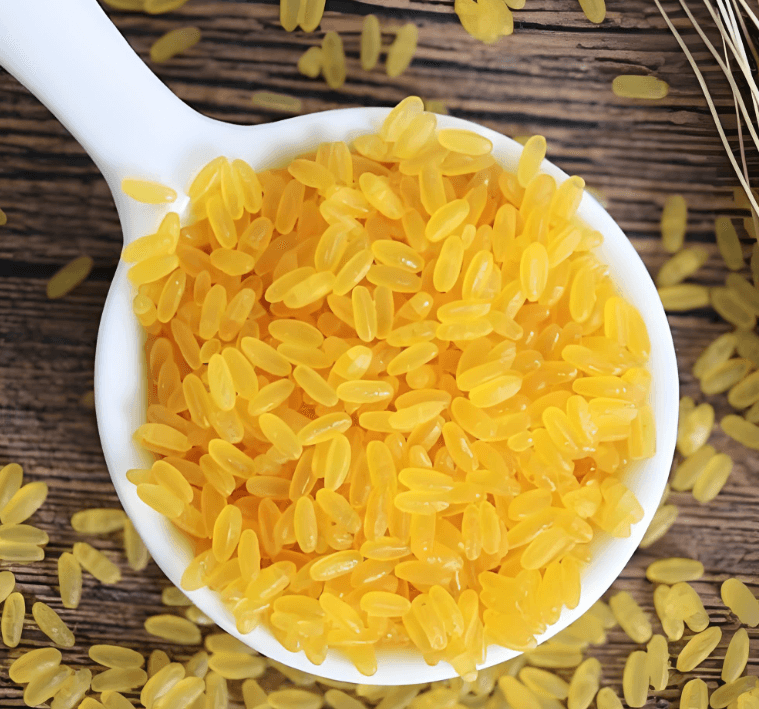
The Science and Technology of Nutritious Rice Production: Processes and Critical Considerations
Rice, the staple food for over half of the global population, is primarily consumed in its milled form, which is stripped of its inherent nutritional value during processing. While providing essential calories, white rice is deficient in critical micronutrients such as iron, zinc, vitamin A, and B vitamins. This nutritional shortfall has contributed to widespread “hidden hunger,” or micronutrient malnutrition, affecting billions, particularly in low- and middle-income countries where rice is a dietary cornerstone. To combat this public health challenge, the production of nutritious rice—primarily through the technology of fortification—has emerged as a strategic, cost-effective, and scalable intervention. This comprehensive article delves into the intricate production processes of nutritious rice, with a principal focus on fortified rice. It provides a detailed, step-by-step analysis of the dominant production methodologies, namely hot extrusion and coating, and explores the scientific principles underpinning each stage. Furthermore, the paper meticulously outlines the critical considerations and potential pitfalls at every phase of production, from raw material selection and nutrient premix formulation to blending, packaging, storage, and quality assurance. The discussion extends to the regulatory frameworks, market dynamics, and consumer acceptance factors that are crucial for the success of any nutritious rice program. By synthesizing technical engineering details with public health nutrition objectives, this article serves as a definitive guide for food technologists, engineers, policymakers, and industry stakeholders aiming to implement effective and sustainable nutritious rice production systems.

1. Introduction: The Imperative for Nutritious Rice
The pervasive issue of micronutrient deficiencies constitutes a silent epidemic, impairing cognitive development, weakening immune systems, reducing work productivity, and contributing to significant morbidity and mortality worldwide. Populations reliant on a monotonous diet of refined staples like white rice are exceptionally vulnerable. While diversifying diets is the ideal long-term goal, it remains an unattainable reality for many due to economic, cultural, and geographic constraints.
In this context, rice fortification presents a pragmatic and powerful solution. It involves enhancing rice with essential vitamins and minerals at a stage in the supply chain—typically during milling or processing—to restore lost nutrients or add those never present in sufficient quantities. The concept is not new; fortification of staples like salt (iodine), flour (iron, folic acid), and sugar (vitamin A) has a proven track record of public health success. However, rice poses unique technical challenges due to its granular nature, varied cooking practices, and consumer demand for unchanged sensory attributes.
The production of nutritious rice is, therefore, a sophisticated exercise in food engineering and nutrition science. It requires a deep understanding of:
- Nutritional Science: Identifying target nutrients, their chemical forms, bioavailability, and interactions.
- Food Chemistry: Ensuring the stability of added nutrients during processing, storage, and cooking.
- Process Engineering: Designing equipment and processes to create and handle fortified kernels that mimic natural rice.
- Quality Control: Implementing rigorous systems to guarantee consistent nutrient delivery and product safety.
- Sensory Science: Preserving the appearance, taste, aroma, and texture of the final product to ensure consumer acceptance.
This article will dissect these aspects, providing a holistic view of the entire production landscape.
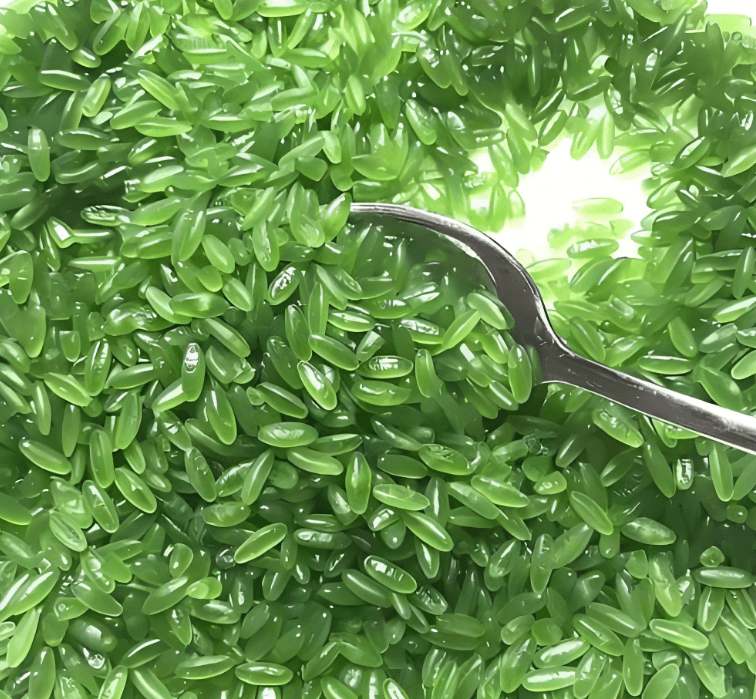
2. Defining “Nutritious Rice”: Forms and Formats
While “fortified rice” is the most common technological approach, “nutritious rice” can be achieved through several methods:
- Biofortified Rice: This involves conventional plant breeding or genetic engineering to develop rice varieties that naturally contain higher levels of specific nutrients. The most famous example is “Golden Rice,” genetically modified to biosynthesize beta-carotene, a precursor of vitamin A. While promising, biofortification is a long-term strategy requiring widespread farmer adoption and consumer acceptance, and it typically addresses only one or two nutrients at a time.
- Fortified Rice: This is the post-harvest, industrial process of adding micronutrients to regular milled rice. It is the primary focus of this article due to its immediacy, scalability, and ability to address multiple nutrient deficiencies simultaneously. Fortified rice itself can be produced via different techniques:
- Dusting: Applying a nutrient powder directly to the surface of rice grains. This is the simplest method but offers poor stability, as the nutrients are easily lost during washing, handling, and cooking.
- Coating: Spraying a nutrient mix onto the rice grains followed by an edible, protective coating (e.g., waxes, gum arabic) to seal them. This improves stability over dusting but can still result in significant nutrient loss, especially if the rice is washed before cooking.
- Extrusion: The gold standard and most widely adopted method. This involves creating simulated rice kernels made from rice flour, a nutrient premix, and a binder through a high-temperature, high-pressure extrusion process. These kernels are then blended with regular rice at a typical ratio of 0.5% to 2.0%. This method offers superior nutrient protection and stability.
The subsequent sections will focus extensively on the extrusion technology, as it represents the most effective and durable solution for large-scale nutritious rice production.
3. The Production Process of Extruded Fortified Rice: A Step-by-Step Analysis
The manufacturing of fortified rice via extrusion is a continuous, multi-stage process that demands precision and control at every step.
3.1. Raw Material Selection and Preparation
The foundation of a quality product lies in the selection of appropriate raw materials.
- Rice Flour: The base material for the fortified kernels is typically derived from broken rice, a by-product of milling. This is a cost-effective and efficient use of resources. The broken rice is milled into a fine flour with a consistent particle size (e.g., 80-100 mesh). The composition of the flour (amylose vs. amylopectin ratio) affects the texture and cooking quality of the final kernel. Flour with higher amylose content will produce a harder, less sticky kernel, which is often desirable to match the properties of common long-grain rice.
- Nutrient Premix: This is a custom-blended powder containing the precise amounts of vitamins and minerals targeted for addition. The selection of nutrient compounds is critical and must balance bioavailability, stability, cost, and sensory impact.
- Iron: The most challenging nutrient. Options include:
- Electrolytic Iron Powder: Inexpensive and stable but has lower bioavailability.
- Ferrous Fumarate: A good compromise with reasonable bioavailability and stability.
- Sodium Iron EDTA: Excellent bioavailability and minimal sensory impact but more expensive. Highly recommended in populations with phytate-rich diets that inhibit iron absorption.
- Vitamin A (Retinyl Palmitate or Acetate): Highly sensitive to heat, light, and oxygen. It must be encapsulated—coated with a protective layer of starch or gum—to survive the extrusion process and storage.
- B Vitamins: Thiamine (B1), Riboflavin (B2), Niacin (B3), Folic Acid (B9), and Cyanocobalamin (B12) are commonly added. Most are relatively stable, though thiamine and folic acid can be sensitive to heat, and B12 is sensitive to light.
- Zinc (as Zinc Oxide or Zinc Sulfate): Stable and easy to incorporate.
The premix must be homogenous itself to ensure even distribution of nutrients in the final kernels.
- Iron: The most challenging nutrient. Options include:
3.2. The Extrusion Process: Creating the Fortified Kernel
This is the core technological step. A twin-screw extruder cooker is the preferred equipment.
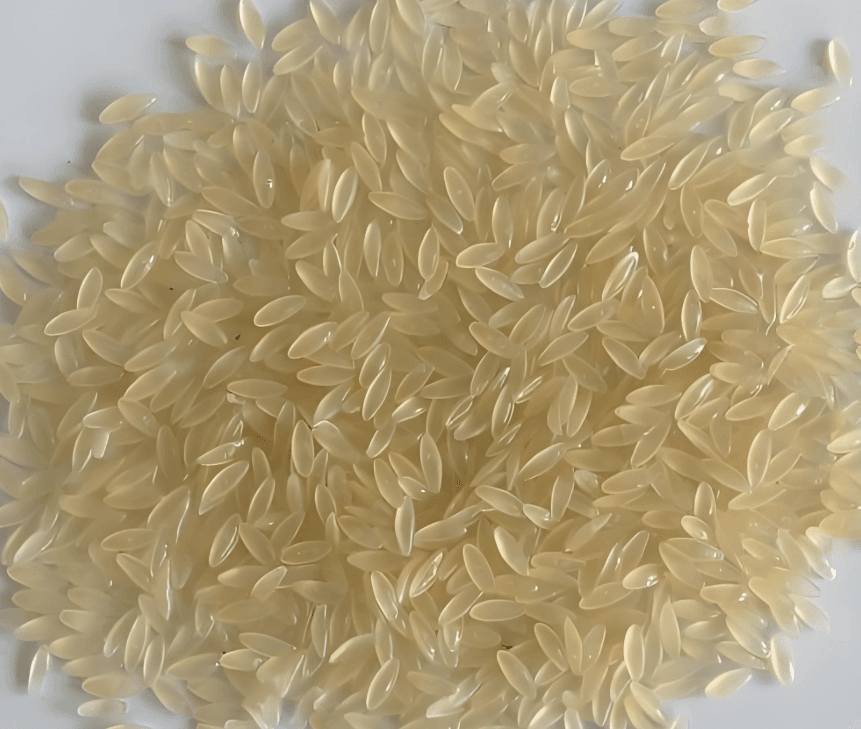
- Mixing and Conditioning: The rice flour, nutrient premix, and a small amount of a binding agent (e.g., guar gum or xanthan gum, typically <1%) are fed into the preconditioner of the extruder. Here, they are blended with water and/or steam to achieve a uniform dough with a precise moisture content (usually between 25-35%).
- Kneading and Cooking: The moistened mix is conveyed into the barrel of the extruder, which contains intermeshing, co-rotating screws. As the material is pushed forward, it is subjected to intense mechanical shear and high temperature (often between 90-120°C) generated by the friction and external heating/cooling jackets. This process gelatinizes the starch—breaking down the crystalline structure and making it soluble and digestible. This starch gelatinization is crucial as it gives the kernel its hard, vitreous structure upon drying and enables it to withstand subsequent handling and cooking without disintegrating.
- Forming and Shaping: The cooked, molten dough is forced under high pressure through a die plate at the end of the extruder barrel. The die is meticulously machined with tiny holes shaped like rice grains. As the dough strands emerge, a rotating knife cuts them to the precise length of a grain of rice.
- Drying and Cooling: The soft, moist extruded kernels are then transferred to a multi-pass dryer (e.g., a belt dryer or fluidized bed dryer). The drying process is gradual and controlled to reduce the moisture content from ~30% down to a level safe for storage (typically 10-12%). Rapid drying can cause case-hardening (a hard shell with a wet interior), leading to cracking and breakage. Proper drying is essential for achieving the necessary hardness and “shelf-stable” quality. After drying, the kernels are cooled to ambient temperature to prevent condensation during packaging.
3.3. Blending: The Art of Homogeneity
The dried, fortified kernels (often called “nutrient kernels” or “premix kernels”) are not consumed alone. They are blended with regular, non-fortified rice at a very low ratio, usually 1:100 to 1:200 (i.e., 0.5% to 1.0% kernels by weight). Achieving a perfectly uniform blend is arguably the most critical operational challenge.
- Blending Equipment: Standard powder mixers are inadequate. Specialized continuous or batch blenders designed for granular solids are used, such as twin-screw blenders or horizontal ribbon blenders. These provide a gentle yet thorough mixing action that minimizes the breakage of the fragile extruded kernels.
- The Segregation Problem: The primary risk is segregation—the separation of the two components due to differences in their physical properties (size, shape, density). If the fortified kernels are not perfectly matched to the regular rice, they will settle at the bottom of a bag or container during transportation and handling. This leads to “hot spots” (concentrated nutrients) and “cold spots” (little to no nutrients), rendering the fortification ineffective and potentially unsafe.
- Kernel Matching: To prevent segregation, the fortified kernels must be engineered to be physically indistinguishable from the target regular rice. This involves matching:
- Size and Shape: The length, width, and shape must be identical.
- Density/Bulk Density: The weight per unit volume must be the same.
- Terminal Velocity: The rate at which the particles fall through an air stream must be matched. This is the most comprehensive measure of similarity and ensures the two types of grains behave identically during pneumatic handling.
Achieving this match requires precise control over the extrusion and drying parameters.
3.4. Packaging and Storage
The blended, fortified rice must be packaged in materials that protect it from environmental factors that degrade nutrients.
- Packaging Materials: High-barrier packaging is essential. Multi-layer woven polypropylene (PP) bags with polyethylene (PE) liners are common. These provide protection against moisture, oxygen, and pests. For higher-value retail products, vacuum sealing or gas flushing (with nitrogen) can be used to drastically reduce oxidative degradation of sensitive nutrients like Vitamin A.
- Storage Conditions: Fortified rice should be stored in a cool, dry, and dark warehouse. High temperatures and humidity accelerate nutrient loss and can promote mold growth. Stock rotation based on the “first-in, first-out” (FIFO) principle is mandatory.
4. Critical Considerations and Potential Challenges in Production
Producing high-quality fortified rice is fraught with potential pitfalls. Awareness and proactive management of these issues are vital for success.
4.1. Nutrient Stability and Retention
The journey from factory to fork is harsh on micronutrients. Losses can occur during:
- Extrusion: The high heat and shear can degrade heat-sensitive vitamins. Over-processing must be avoided. Using stabilized and encapsulated forms of nutrients is critical.
- Storage: Oxygen, moisture, light, and high temperatures are the main enemies. Vitamin A is particularly susceptible. Shelf-life studies must be conducted to establish expiration dates based on nutrient retention, not just microbial safety.
- Cooking: This is the stage of greatest potential loss, especially for water-soluble vitamins (B vitamins). Traditional cooking methods that involve washing the rice and discarding the excess water can leach out a significant percentage of added nutrients.
- Mitigation Strategy: A major part of any fortification program must be consumer education on appropriate cooking methods, such as the absorption method (using just enough water to be fully absorbed during cooking) or encouraging the consumption of the cooking water (e.g., in porridges).
4.2. Ensuring Consumer Acceptance: The Sensory Imperative
If the rice looks, smells, tastes, or feels different, it will be rejected.
- Color: The premix must not impart any off-color. Certain iron compounds can cause greyish or yellowish tints. The kernels must blend seamlessly with the white rice.
- Taste and Odor: Nutrients, especially certain iron salts and B vitamins, can have metallic or bitter off-flavors. Using high-quality, sensorially neutral compounds and effective encapsulation is non-negotiable.
- Texture: The fortified kernels must have the same “mouthfeel” as regular rice. They cannot be too hard, gritty, or mushy after cooking. This is determined by the extrusion and drying process parameters.
4.3. Quality Assurance and Regulatory Compliance
A robust QA/QC system is the backbone of a trustworthy operation.
- In-Process Controls: Monitoring critical parameters like premix potency, dough moisture, extrusion temperature and pressure, kernel moisture post-drying, and blend uniformity.
- Finished Product Testing: Every batch must be tested for:
- Blend Uniformity: Using simple rapid tests like the iron spot test (for iron-fortified rice) or more advanced chemical analysis to ensure the 1:100 ratio is consistent throughout the batch.
- Nutrient Content: Using HPLC for vitamins and ICP-MS or AAS for minerals to verify that the product meets the declared nutrient levels on the label, within acceptable tolerances (e.g., 100-150% of label claim).
- Regulatory Standards: Production must adhere to national food safety and fortification standards, which dictate which nutrients can be added, at what levels, and which chemical forms are permitted. Proper labeling is also a legal requirement.
4.4. Economic and Supply Chain Considerations
- Cost Increment: Fortification adds cost. The goal is to keep this “incremental cost” as low as possible (ideally 1-3% of the price of rice) through efficient processing and economies of scale. This is crucial for adoption, especially in government subsidy programs.
- Supply Chain Integrity: The blended product must be handled carefully throughout the distribution chain to prevent segregation. Educating distributors and retailers on the proper handling of the product is often necessary.
5. Beyond Technology: The Ecosystem for Success
The best technology will fail without a supportive ecosystem.
- Government Leadership: Clear regulations, standards, and (ideally) mandatory fortification policies create a level playing field and ensure public health impact.
- Consumer Awareness and Demand: Social and behavior change communication campaigns are essential to educate consumers on the benefits of fortified rice and build trust.
- Multi-Stakeholder Engagement: Success requires collaboration between government agencies, rice millers, equipment suppliers, premix manufacturers, international organizations (GAIN, WFP, UNICEF), and civil society.
6. Conclusion
The production of nutritious rice through fortification is a powerful, evidence-based strategy to alleviate micronutrient malnutrition on a massive scale. While the core technology of extrusion is well-established, its successful implementation is a complex undertaking that hinges on meticulous attention to detail at every stage. From the scientific selection of bioavailable nutrient forms and the precise engineering of extrusion parameters to the relentless focus on blend homogeneity and nutrient stability, each step presents challenges that must be rigorously managed. By integrating sound food engineering principles with robust quality control, proactive consumer engagement, and supportive public policy, the production of nutritious rice can transition from a technical possibility to a sustainable public health reality. It represents a profound opportunity to leverage the world’s most important staple crop as a vehicle for delivering essential nutrition, thereby enhancing the health, well-being, and economic potential of billions of people across the globe. The continued innovation in this field—towards ever more efficient processes, stable nutrients, and cost-effective delivery—holds the promise of making hidden hunger a thing of the past.
Leave A Comment