
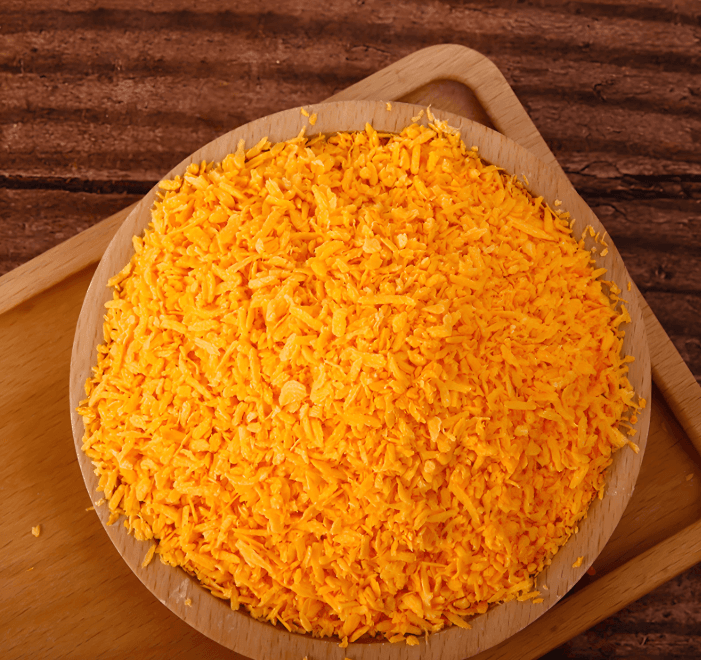
The Golden Crust: A Deep Dive into the Industrial Production of Breadcrumbs
Breadcrumbs making machine. Those humble, golden, crispy particles are a ubiquitous presence in kitchens worldwide, both professional and home. They are the unsung heroes behind the perfect crispy chicken tender, the delectably crunchy fish fillet, the textured binding in a meatball, and the golden topping on a macaroni and cheese that beckons with every bake. Yet, for their commonplace nature, the industrial journey from a loaf of bread to a uniformly perfect, shelf-stable, and functionally precise ingredient is a marvel of modern food engineering. This article aims to pull back the curtain entirely, providing a comprehensive, step-by-step exposé on the intricate world of industrial breadcrumb production.
Introduction: More Than Just Stale Bread
The common misconception is that breadcrumbs are simply made from stale bread pulverized into crumbs. While this is the foundational principle, industrial production is a world away from this simplistic image. It is a highly controlled process designed to achieve consistency, scalability, food safety, and specific functional properties that home-made crumbs could never guarantee. The industry produces a vast array of breadcrumb types, each tailored for a specific culinary purpose:
- Plain / Standard Breadcrumbs: The all-purpose workhorse.
- Panko: The Japanese-style crumb known for its light, airy, and crispy structure.
- Japanese-Style (non-Panko): A broader category including other textures.
- Toasted / Golden Breadcrumbs: Pre-toasted for color and flavor.
- Seasoned / Flavored Breadcrumbs: Infused with herbs, spices, cheese, etc.
- Gluten-Free Breadcrumbs: Made from alternative flours like rice, corn, or tapioca.
- Organic Breadcrumbs: Sourced from certified organic ingredients.
The production process must be flexible enough to create these varieties while rigidly adhering to quality and safety standards. The entire operation can be broken down into several key stages: Sourcing and Ingredient Preparation, Baking the Bread, Cooling and Staling, Primary Grinding, Drying, Secondary Grinding and Sifting, Blending and Seasoning, Packaging, and Quality Control.
Phase 1: The Foundation – Sourcing and Ingredient Preparation
The quality of the breadcrumb is irrevocably tied to the quality of the bread from which it is made. Industrial breadcrumb producers typically do not rely on waste or leftover bread from bakeries. Instead, they produce their own bread specifically designed for crumbing. This allows for absolute control over the ingredient quality, recipe, and final crumb structure.
1.1 The Base: Selecting the Flour
The primary ingredient is, of course, flour. The type of flour used dictates the final crumb’s character.
- Wheat Flour: The most common choice. Its protein content is crucial.
- High-Protein Flour (~12-14%): Creates a strong gluten network, leading to a chewier bread with a tighter crumb. This is less common for standard crumbs but might be used for specific textures.
- Medium-Protein Flour (~10-12%): The industry standard. It provides a balanced structure—enough gluten for volume but not so much that it becomes too tough. It produces a consistent, reliable crumb.
- Low-Protein Flour (<9%): Used for producing a more tender, delicate crumb, edging closer to the Panko style.
- Alternative Flours: For gluten-free products, producers use a blend of flours and starches like brown rice flour, white rice flour, tapioca starch, potato starch, and corn flour. These require different hydration and baking parameters to mimic the structure of wheat bread.
1.2 The Leavening System: Yeast and Beyond
The aeration of the bread is critical. A dense loaf will produce a dense, hard crumb, while an overly aerated one might be too fragile.
- Baker’s Yeast (Saccharomyces cerevisiae): The biological leavening agent. It ferments sugars in the dough, producing carbon dioxide gas that gets trapped in the gluten network, causing the dough to rise. The amount and activity of yeast are carefully controlled to achieve a specific cell structure in the crumb.
- Chemical Leaveners: In some recipes, especially those aiming for a specific, consistent porosity or for gluten-free breads where yeast activity is less effective, chemical leaveners like baking soda or baking powder might be used to ensure a reliable rise.
1.3 The Liquid Component
Water is not just a hydrator; it’s a process controller. The temperature of the water is used to control the final dough temperature, which is vital for consistent yeast activity and gluten development. The water’s mineral content (hardness) can also affect the gluten.
1.3 Additional Ingredients:
- Salt: For flavor and, importantly, to control yeast fermentation and strengthen the gluten network.
- Sugar: A food source for the yeast, contributing to browning (Maillard reaction) and flavor.
- Shortening/Fats/Oils: (e.g., vegetable oil, butter) These ingredients tenderize the crumb, contribute to moisture retention, and enhance flavor and mouthfeel. The type and amount of fat can influence the final crispiness of the breadcrumb.
- Dough Conditioners and Additives: This is where food science plays a major role. Industrial production often uses additives to ensure consistency and improve machine-handling of the dough.
- Emulsifiers (e.g., lecithin, DATEM, SSL): These strengthen the dough, improve volume, create a softer crumb, and help with shelf-life by retarding staling.
- Enzymes (e.g., amylases, xylanases): Amylases modify starch, providing simple sugars for yeast and improving browning. Xylanases break down hemicellulose, making the dough more flexible and improving oven spring and volume.
- Mold Inhibitors (e.g., calcium propionate): Essential for a product that will be dried and stored. They prevent fungal growth during the initial stages before the bread is dried.
The ingredients are sourced in bulk, and their quality is verified through certificates of analysis (COAs) for parameters like protein content, moisture, and the absence of pathogens or pests.
Phase 2: The Transformation – Baking the Bread Loaf
The mixed dough is now transformed into bread. This isn’t done in small loaves but in massive, continuous systems.bread crumbs making machine
2.1 The Mixing Process: Developing the Gluten
Industrial mixers are massive, high-capacity machines.
- Horizontal Mixers: The most common type. They have a bowl that remains stationary while agitators rotate inside, efficiently mixing large batches.
The mixing process has stages:
- Blending: The dry and wet ingredients are combined at low speed to form a shaggy mass.
- Kneading: The speed is increased. This is the critical “gluten development” stage. The mechanical energy aligns the glutenin and gliadin proteins in the flour, forming the strong, elastic gluten network that will trap the gas from fermentation. The mixer is often stopped once the dough reaches “clean-up” (it pulls away from the sides of the bowl) and achieves a specific temperature.
2.2 Fermentation / Proofing
The mixed dough is placed in a warm, humidified chamber called a proofer. Here, the yeast becomes active, consuming sugars and producing CO₂. The dough doubles or triples in size. Time, temperature, and humidity are precisely controlled. Under-fermentation leads to dense bread; over-fermentation leads to a sour taste and a weak structure that might collapse.
2.3 Baking: The Oven Tunnel
This is not your home oven. Industrial breadcrumb production uses a continuous baking oven, often a tunnel oven that can be over 100 feet long.
- The proofed dough is fed into one end on a continuous metal band or conveyor.
- The oven is divided into zones with precisely controlled temperatures and humidity levels:
- Zone 1 (Bottom Heat): The initial zone has higher bottom heat to set the bottom crust and “oven spring” – the final rapid expansion of the gas before the crust sets.
- Zone 2 (Top Heat): The top heat is increased to set the top crust and begin the browning process.
- Zone 3 (Even Baking): The temperature is moderated to bake the loaf through without burning the crust.
- Zone 4 (Cooling/Drying): The final zone may have reduced heat to begin the cooling process and remove excess moisture from the crust.
The residence time in the oven and the temperature profile are meticulously calibrated to produce a loaf with the exact moisture content, color, and internal structure required for the target breadcrumb. The bread is typically baked into large, flat sheets or massive rectangular blocks (“Pullman loaves”) to maximize efficiency and ensure uniformity, lacking a traditional crust on all sides.
Phase 3: The Crucial Wait – Cooling and Staling
As the massive sheets of bread exit the oven, they cannot be processed immediately.
3.1 Cooling
The bread must be cooled to near ambient temperature. If it were ground while hot, it would form a gummy, pasty mass due to the starches still being gelatinized. Cooling allows the starch to retrograde slightly and the structure to firm up. This is done on long, open conveyor belts that allow air to circulate around the bread, sometimes with the aid of cooling fans. This process can take several hours.
3.2 Staling (A Controlled “Defect”)
This is the most counterintuitive yet crucial step. Staling is intentionally encouraged.
- What is Staling? Scientifically, staling is primarily the retrogradation of starch. When baked, starch granules absorb water, swell, and gelatinize. Upon cooling, these starch molecules slowly recrystallize, which makes the bread firmer and harder.
- Why is it Desired? A fully stale, firm bread is infinitely easier to grind into a clean, granular powder than fresh, soft bread. Fresh bread would tear and smear, producing uneven, clumpy crumbs with many fines (tiny dust-like particles). Stale bread shatters predictably, yielding a superior, more consistent texture.
The bread is left for 24-48 hours in a controlled environment to achieve the perfect level of firmness. The specific staling time is a key proprietary variable that each manufacturer optimizes.
Phase 4: The Breakdown – Primary Grinding and Milling
The fully stale bread is now ready for its first size reduction.
4.1 Primary Crushers / Coarse Grinders
The large sheets or loaves of bread are fed into primary grinders. These are not delicate machines; they are robust crushers equipped with counter-rotating blades or rollers designed to break the tough, stale bread into coarse, uneven chunks, typically ranging from 1 to 3 centimeters in size. This makes the material easier to handle in the subsequent drying stage.
Phase 5: Driving Out Moisture – The Drying Process
To achieve a shelf-stable product that won’t mold, the moisture content must be drastically reduced from around 35-40% in the stale bread to less than 10%, and often as low as 5-7%.
5.1 The Dryer: Heart of the Operation
The coarse bread chunks are conveyed through an industrial dryer. Several types are used:
- Tunnel Dryer: The most common type. A long, insulated tunnel with a conveyor belt. Heated air is blown through the tunnel in the opposite direction to the product flow (counter-flow), ensuring the driest product meets the hottest air for maximum efficiency. The temperature, air velocity, and residence time are tightly controlled.
- Fluidized Bed Dryer: Hot air is blown upwards through a perforated plate at a velocity high enough to lift the bread particles. This “fluidizes” them, creating a boiling liquid effect. This maximizes the surface area exposed to the hot air, leading to very fast and uniform drying.
- Belt Dryer: Similar to a tunnel dryer but often with multiple conveyor belts stacked on top of each other. The product tumbles from one belt to the next, exposing new surfaces to the hot air.
The drying temperature is critical. Too high a heat can scorch the bread, creating off-flavors and undesirable dark colors. Too low, and the process is inefficient and may not fully stabilize the product. The target is to remove water while minimizing browning reactions (Maillard reaction) to maintain a light, golden color.
Phase 6: Precision Milling – Secondary Grinding and Sifting
The now bone-dry, brittle bread chunks are ready to be transformed into the final crumb.
6.1 The Grinding Mill
The dried chunks are fed into a mill. The type of mill used is the primary determinant of the final crumb texture.
- Hammer Mill: The workhorse for standard breadcrumbs. It contains a high-speed rotor with swinging hammers that pulverize the material against a stationary screen. The size of the holes in the screen determines the final particle size. Hammer mills produce a more granular, powdery crumb with a significant amount of “fines.”
- Roller Mill / Cracker Mill: Used for different textures. Material is passed between two counter-rotating rollers. The gap between the rollers can be adjusted to control the particle size. This shearing action can produce a flakier crumb.
- Panko Mill: This is the key to Panko’s unique texture. Panko is not made from oven-baked bread but from bread that is baked by passing an electrical current through the dough, a process similar to electrical resistance baking. This creates a bread with a very uniform, crust-free, and airy cell structure. This special bread is then ground using a unique milling process that tears the bread rather than crushing it. This shearing action produces the large, sliver-like, flaky crumbs that characterize Panko and give it its light, crispy texture with minimal oil absorption.
6.2 The Sifting System: Achieving Uniformity
The milled product is a mixture of particles of all sizes. To achieve a consistent grade, it must be sifted. This is done using a Vibratory Sieve or Sifter.
- It contains a stack of screens with progressively smaller mesh sizes.
- The milled crumbs are fed onto the top screen, which has the largest mesh.
- As the stack vibrates, particles smaller than the mesh fall through to the next screen.
- This process continues, separating the crumbs into distinct fractions:
- Overs: Particles too large to go through the top screen. These are recycled back to the mill for regrinding.
- Coarse / Standard Crumb: Collected from the top screens.
- Fine Crumb / “Fines”: The smallest particles that pass through the finest screen at the bottom.
- Panko: The process is designed to isolate the specific flaky shreds, separating them from any fines.
The “fines” are not wasted. They are often sold as a separate product (used for breading delicate items like fish or for thickening) or can be added back in controlled amounts to certain crumb blends.
Phase 7: The Final Touch – Blending, Seasoning, and Enrichment
The plain, sifted crumbs are now a blank canvas.
7.1 Blending
Different sifted fractions might be blended back together in specific ratios to create custom textures—for example, mixing some fines with coarse crumbs to create a breading that adheres better.
7.2 Seasoning
For seasoned varieties, this is where oils, liquid flavors, salt, spices, herbs, cheese powders, and flavor enhancers (like yeast extract) are added. This is done in large, rotating drum blenders or ribbon blenders to ensure an even distribution. The crumbs are tumbled gently as the seasonings are sprayed or dusted on.
7.3 Enrichment
Like the original bread, breadcrumbs can be fortified with vitamins and minerals (e.g., iron, B vitamins) to enhance their nutritional value, especially for products destined for institutional or government programs.
Phase 8: Locking in Quality – Packaging and Storage
The finished product must be protected from its two biggest enemies: moisture and pests.
8.1 Packaging
Breadcrumbs are hygroscopic—they eagerly absorb moisture from the air, which would make them soft and clumpy and lead to spoilage. Therefore, packaging is a critical barrier.
- Multi-Wall Paper Bags: For large, industrial 25-50 lb bags, a common construction is a plastic film liner (like polyethylene) inside, followed by layers of paper and an outer woven plastic layer. This provides strength and a moisture barrier.
- Plastic Bags: For consumer retail packages (boxes or bags), high-barrier plastic films are used, often with a foil layer for ultimate protection. These are filled using form-fill-seal machines that create a package from a roll of film, fill it with a precise weight of crumbs, and seal it in a near-airtight environment.
- Modified Atmosphere Packaging (MAP): For premium products or to extend shelf-life further, the air inside the package might be replaced with an inert gas like nitrogen. This prevents oxidation (rancidity) of any fats in the crumbs and inhibits the growth of any aerobic microorganisms.
8.2 Storage
The packaged breadcrumbs are palletized and stored in a warehouse that is cool, dry, and free from pests. Inventory is managed on a First-In-First-Out (FIFO) basis to ensure product rotation.
Phase 9: The Unseen Guardian – Quality Control and Food Safety
Quality control is not a single phase; it is a continuous process integrated into every single step from receiving raw materials to shipping the final product.
9.1 In-Process Checks
- Dough Temperature: Checked after mixing.
- Proofing Time/Temp: Constantly monitored.
- Baking Profile: Oven temperatures and conveyor speed are logged and verified.
- Moisture Content: The single most important parameter. Checked on the stale bread, after drying, and on the final product using rapid moisture analyzers or loss-on-drying ovens. This is critical for shelf-life.
- Particle Size Distribution: Samples are regularly taken and sifted in the lab to ensure the grinds and sifters are producing the correct distribution (e.g., ensuring a Panko product has the right percentage of long, flaky particles).
- Color: Measured using spectrophotometers to ensure batch-to-batch consistency.
- Seasoning Distribution: Checked visually and through taste tests.
9.2 Food Safety Program: HACCP
Every reputable manufacturer operates under a Hazard Analysis Critical Control Point (HACCP) plan. This is a systematic, preventive approach to food safety.
- Hazard Analysis: Identifying potential biological (e.g., Salmonella, Listeria), chemical (e.g., allergens, cleaning chemicals), and physical (e.g., metal, glass) hazards at each process step.
- Identifying Critical Control Points (CCPs): Points in the process where a hazard can be prevented, eliminated, or reduced to an acceptable level. For breadcrumbs, key CCPs are:
- CCP 1: The Baking Step. The heat of the oven must be proven to destroy any pathogenic microorganisms present in the raw dough. Time and temperature are meticulously validated and monitored.
- CCP 2: The Metal Detection. Every package of finished product passes through a metal detector to catch any potential metal fragments from the milling or conveying equipment. Any product that triggers the detector is automatically rejected.
- Allergen Control: Given that wheat is a major allergen, facilities that also produce gluten-free crumbs must have rigorous procedures to prevent cross-contamination, including dedicated production lines, separate storage, and thorough cleaning protocols.
- Sanitation: Equipment is designed for easy cleaning (CIP – Clean-in-Place systems where possible), and the facility undergoes regular, documented deep-cleaning schedules.
9.3 Microbiological Testing
Samples of the final product and environmental swabs (e.g., from conveyors) are regularly tested in an on-site or third-party lab for indicators of sanitation (e.g., Total Plate Count, Yeast & Mold) and for pathogens to verify the HACCP plan is effective.
Conclusion: An Engineering Marvel in Every Bite
The journey from flour to the perfect breadcrumb is a testament to the sophistication of modern food manufacturing. It is far removed from the simple image of grating stale bread. It is a symphony of food science, mechanical engineering, and rigorous quality control, all orchestrated to produce a deceptively simple ingredient that is consistent, safe, and perfectly functional.
The next time you enjoy a crispy, golden-coated piece of food, take a moment to appreciate the immense complexity and precision hidden within those tiny, golden particles. The humble breadcrumb is no longer so humble.
Leave A Comment