
- Introduction
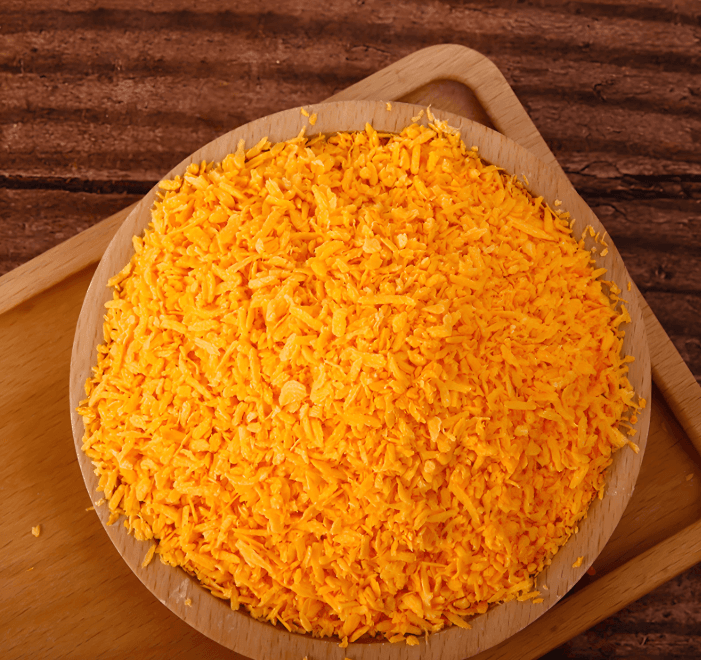
Breadcrumbs are a versatile food ingredient made from dried and ground bread. They are widely used in cooking for coating, binding, topping, and adding texture to various dishes. Based on factors such as production methods, physical characteristics, and culinary applications, breadcrumbs can be classified into several distinct categories. This article provides a comprehensive classification of breadcrumbs. - Classification Based on Production Method
2.1. Dry Breadcrumbs
Description: Produced by fully dehydrating bread and grinding it into coarse or fine particles.
Process: Bread is baked, dried in ovens, and then crushed or milled.
Characteristics: Dry, gritty texture, long shelf life.
Uses: Coating for frying, binding agent in meatballs or burgers.
2.2. Fresh Breadcrumbs
Description: Made from bread that has not been dehydrated.
Process: Stale or fresh bread is lightly toasted or processed into crumbs without extensive drying.
Characteristics: Softer, moister, and lighter texture compared to dry breadcrumbs.
Uses: Stuffings, toppings for casseroles, and meatloaf.
2.3. Toasted Breadcrumbs
Description: Breadcrumbs that are toasted after grinding to enhance flavor and color.
Process: Breadcrumbs are dry-toasted in an oven or pan until golden brown.
Characteristics: Nutty flavor, crisp texture, golden appearance.
Uses: Garnishing pasta, salads, and gratins.
- Classification Based on Physical Characteristics
3.1. Coarse Breadcrumbs
Description: Larger, irregularly shaped particles.
Process: Minimal processing to retain uneven texture.
Characteristics: Provides a crunchy, rustic texture.
Uses: Coating for fried foods like onion rings or fish fillets.
3.2. Fine Breadcrumbs
Description: Uniform, small particles with a smooth texture.
Process: Ground and sifted to remove larger fragments.
**Characteristics even coating, subtle crunch.
Uses: Breading for cutlets, croquettes, or as a thickener.
3.3. Panko Breadcrumbs
Description: A type of Japanese-style breadcrumb made from crustless bread.
Process: Bread is processed into large, flaky flakes without crushing.
Characteristics: Light, airy, and crisp texture; absorbs less oil.
Uses: Ideal for fried foods such as tempura, tonkatsu, and crispy chicken.
- Classification Based on Flavor and Seasoning
4.1. Plain Breadcrumbs
Description: Unseasoned, neutral flavor.
Process: Made from plain white or wheat bread.
**Characteristics: Versatile, adaptable to various dishes.
Uses: General-purpose coating or binding.
4.2. Seasoned Breadcrumbs
Description: Blended with herbs, spices, or cheese.
Process: Ingredients like garlic powder, Italian herbs, or Parmesan are mixed into the crumbs.
Characteristics: Enhanced flavor, often salty and aromatic.
Uses: Adding flavor to coatings, toppings, and stuffings.
4.3. Whole-Grain Breadcrumbs
Description: Made from whole-wheat or multigrain bread.
Process: Whole-grain bread is dried and ground.
Characteristics: Nutty flavor, denser texture, higher fiber content.
Uses: Health-conscious cooking, hearty stuffings.
- Classification Based on Culinary Applications
5.1. Coating Breadcrumbs
Description: Designed to adhere to food surfaces for frying or baking.
Process: Often finely ground for even coverage.
Uses: Fried chicken, fish sticks, baked vegetables.
5.2. Binding Breadcrumbs
Description: Used to hold ingredients together in mixtures.
Process: Softer crumbs that absorb moisture well.
Uses: Meatballs, veggie burgers, meatloaf.
5.3. Topping Breadcrumbs
Description: Added as a crunchy layer to baked dishes.
Process: Often mixed with butter or oil for browning.
Uses: Macaroni and cheese, casseroles, gratins.
- Specialized Types
6.1. Gluten-Free Breadcrumbs
Description: Made from gluten-free bread (e.g., rice, corn, or almond flour-based).
Process: Gluten-free bread is dried and ground.
Uses: Coating for gluten-free diets.
6.2. Homemade Breadcrumbs
Description: Custom-made from leftover bread.
Process: Bread is dried, toasted, and processed at home.
**Characteristics: Fresh flavor, customizable texture.
Uses: Everyday cooking to reduce food waste.
Leave A Comment